The Punic Wars Reignited: Iconic Strategy Games "Hannibal & Hamilcar" Return with Exclusive Metal Miniatures
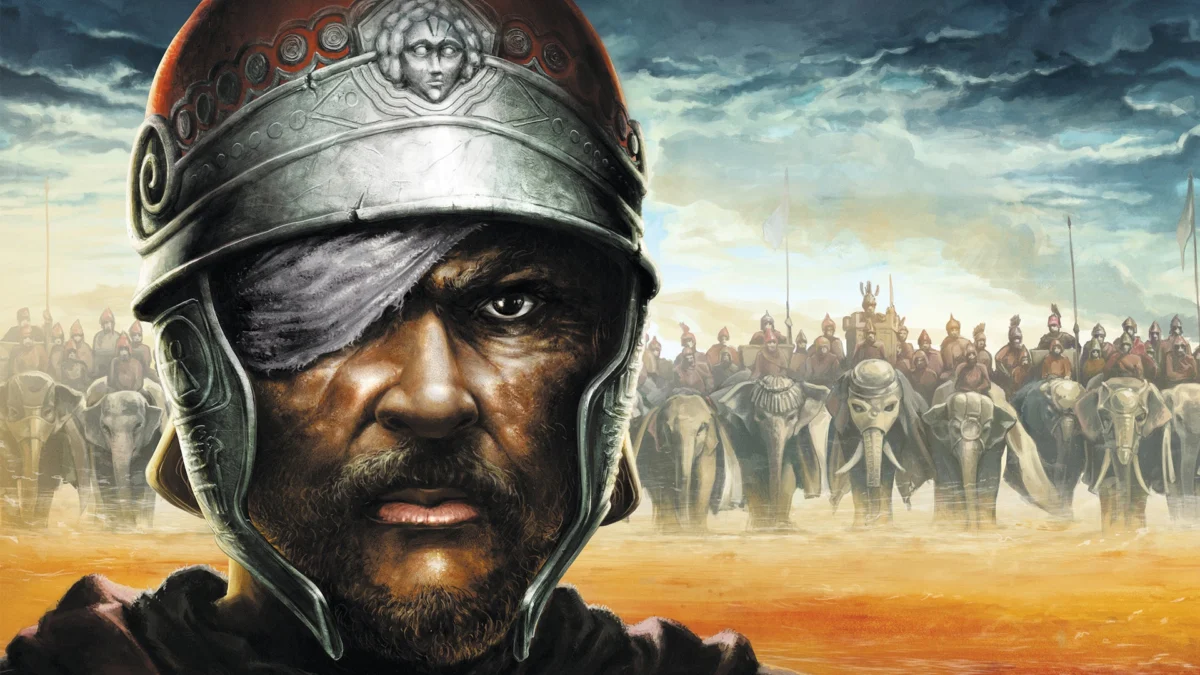
London, UK – Two titans of historical board gaming, "Hannibal: Rome vs. Carthage" and "Hamilcar: Silver Edition," have once again emerged from the annals of history, launching a highly anticipated Gamefound campaign. This latest crowdfunding initiative by publisher Phalanx offers enthusiasts and new players alike a rare opportunity to acquire the revered card-driven strategy games, complete with a stunning, campaign-exclusive set of metal miniatures. The campaign, which concludes on May 24th, represents a significant event for the wargaming community, promising to deliver enhanced editions of these out-of-print classics alongside premium collector’s items.
The re-release centers on designer Mark Simonitch’s seminal "Hannibal: Rome vs. Carthage," presented in its refined Classic Edition, and Raymond de Maria’s "Hamilcar: Silver Edition." The latter expands upon the foundational mechanics of Simonitch and John Rodriguez’s original "Hamilcar: First Punic War," shifting the focus to the crucial naval engagements of the First Punic War while utilizing many of the core components and systems. Both games immerse players in the epic struggle between the Roman Republic and the Carthaginian Empire, offering a deep, asymmetrical strategic experience driven by carefully crafted card mechanics.
This renewed push by Phalanx not only brings these critically acclaimed titles back into print but also elevates the collector’s experience. The centerpiece of this campaign is a limited-edition set of 26 metal miniatures, meticulously finished with a dark wash, depicting the legendary generals and leaders of both factions. These highly detailed figures, housed in an exquisitely illustrated wooden storage box featuring Hannibal Barca, are confirmed by Phalanx to be exclusive to this crowdfunding effort, never to be available again through retail channels. With an expected delivery in August of next year, this campaign offers a unique blend of strategic depth, historical immersion, and high-quality components, reinforcing the enduring legacy of these Punic Wars sagas.
Main Facts
The Return of Punic Wars Strategy
The Gamefound campaign for "Hannibal & Hamilcar" marks a pivotal moment for fans of historical wargaming, signaling the triumphant return of two of the genre’s most respected titles. "Hannibal: Rome vs. Carthage," originally designed by Mark Simonitch, is widely regarded as a benchmark for card-driven strategy games, adeptly capturing the political machinations and military campaigns of the Second Punic War. Its companion, "Hamilcar: Silver Edition," delves into the First Punic War, placing a strong emphasis on naval supremacy and the crucial maritime conflicts that defined the initial clash between Rome and Carthage. These games are not merely simulations; they are narrative engines, allowing players to rewrite history through strategic decision-making, diplomatic maneuvering, and tactical combat. The allure of these titles lies in their sophisticated blend of historical accuracy, accessible mechanics (for wargames), and profound strategic depth. The current campaign serves as more than just a reprint; it’s an opportunity to experience these classics with updated components and the added prestige of exclusive, high-quality collector’s items, ensuring their continued relevance and appeal in the modern board gaming landscape. The limited-time nature of the Gamefound campaign, concluding on May 24th, underscores the urgency for enthusiasts to secure their copies and the unique metal miniatures, which are poised to become highly sought-after additions to any serious collection.
A Legacy of Acclaim
The enduring quality and strategic brilliance of "Hannibal: Rome vs. Carthage" and its companion "Hamilcar" are unequivocally validated by a host of industry accolades and consistent community praise. The original "Hannibal: Rome vs. Carthage" itself garnered significant recognition, taking home the coveted BoardGameGeek Golden Geek awards for "Best Wargame" and "Best 2-Player Board Game" a decade prior to its combined re-release. This speaks volumes about its groundbreaking design and lasting impact on the genre. The 2018 collected re-release, "Hannibal & Hamilcar," continued this tradition of excellence, being named BoardGameGeek’s "Best Wargame" at the Golden Geeks that year. These awards are not merely decorative; they represent a consensus among thousands of dedicated players and critics, highlighting the games’ exceptional design, thematic fidelity, and engaging gameplay experience. Furthermore, the combined title currently boasts an impressive BoardGameGeek user rating of 8.3 out of 10 from over 6,700 reviews, solidifying its position as the 18th highest-rated wargame on the site. Such a high rating, supported by a vast number of informed opinions, is a testament to the games’ replayability, strategic depth, and the intricate balance achieved between historical simulation and player agency. This consistent critical and popular acclaim reinforces why these titles are considered classics, making their re-release a cause for celebration among both seasoned wargamers and those looking to delve into the genre’s finest offerings.
Exclusive Metal Miniatures: A Collector’s Draw
Central to the appeal of this Gamefound campaign is the introduction of a truly exceptional and exclusive set of metal miniatures, designed to enhance the visual and tactile experience of playing "Hannibal & Hamilcar." Unlike the standard cardboard tokens or plastic standees often found in wargames, these 26 intricately sculpted metal figures represent the key generals and leaders of both the Roman and Carthaginian forces. Each miniature is finished with a striking dark wash, accentuating its details and providing a premium aesthetic that instantly elevates the game’s presentation on the tabletop. This level of component quality is a significant draw for collectors and enthusiasts who appreciate the finer details and a more immersive physical presence for their game pieces. Phalanx has emphatically stated that these metal miniatures will be available only through this specific crowdfunding campaign. This commitment to exclusivity ensures that backers are investing in a genuinely limited-edition product, adding considerable long-term value and desirability. Housed within a beautifully illustrated wooden storage box featuring an iconic image of Hannibal Barca, these miniatures transform functional game components into miniature works of art. For many, the inclusion of such high-quality, exclusive components is not just an upgrade but a compelling reason to back the campaign, making this re-release not only an opportunity to acquire beloved games but also a chance to own a unique piece of wargaming history.
Chronology
From Conception to Classic: The Evolution of Hannibal
The journey of "Hannibal: Rome vs. Carthage" from its initial conception to its current status as a revered classic is a testament to exceptional game design. The game first emerged in the mid-1990s, a brainchild of designer Mark Simonitch, who sought to capture the strategic complexities of the Second Punic War in a streamlined, card-driven format. At a time when many wargames were characterized by intricate rule sets and long playtimes, "Hannibal" broke new ground by offering a highly thematic yet relatively accessible experience that maintained profound strategic depth. Its innovative card-driven system, which allowed cards to be used for multiple purposes—movement, combat, or historical events—became a hallmark, influencing countless designs that followed.
Years later, the success of "Hannibal" led to the development of "Hamilcar: First Punic War," a companion game designed by Raymond de Maria based on Simonitch and John Rodriguez’s work. This title cleverly adapted the core mechanics to address the earlier conflict, specifically focusing on the pivotal naval battles that defined the First Punic War, utilizing some shared components to create a cohesive Punic Wars experience. The synergy between the two games was evident, providing players with a comprehensive strategic overview of the entire Roman-Carthaginian conflict.
The collective brilliance of these titles culminated in the 2018 re-release by Phalanx, which bundled both games into the acclaimed "Hannibal & Hamilcar." This edition not only brought the out-of-print games back to a new generation of players but also incorporated refinements and updated components, earning it the aforementioned Golden Geek award. The current Gamefound campaign represents the latest evolution, offering the newest editions of both games separately or as a bundle, further refining the player experience and, crucially, introducing the exclusive metal miniatures. This chronological progression highlights Phalanx’s commitment to preserving and enhancing these masterpieces, ensuring their continued prominence in the pantheon of historical board games.
Key Milestones in the Punic Wars Saga
The historical backdrop of "Hannibal & Hamilcar" is the tumultuous period of the Punic Wars, a series of three major conflicts between Rome and Carthage that spanned over a century, from 264 to 146 BCE. These wars were epoch-defining struggles for control of the Western Mediterranean, shaping the future of both empires and, indeed, Western civilization itself.
"Hamilcar: Silver Edition" primarily focuses on the First Punic War (264-241 BCE). This conflict was predominantly a naval struggle, as both powers vied for control of Sicily and the surrounding seas. Carthage, a dominant naval power, initially held an advantage, but Rome, a land-based power, rapidly developed its fleet, eventually mastering naval warfare. Key milestones included the Battle of Mylae, where Rome first employed the corvus boarding device, and the decisive Battle of the Aegates Islands, which led to Carthage’s defeat and the cession of Sicily. The game mechanics of "Hamilcar" accurately reflect this emphasis on naval strategy, logistical challenges, and the emergence of Roman naval prowess.
"Hannibal: Rome vs. Carthage" centers on the Second Punic War (218-201 BCE), arguably the most famous and devastating of the conflicts. This war is synonymous with the legendary Carthaginian general Hannibal Barca, whose audacious crossing of the Alps with elephants and subsequent victories at Trebia, Lake Trasimene, and Cannae brought Rome to the brink of collapse. Roman counter-strategies, including Fabian tactics and the eventual invasion of North Africa by Scipio Africanus, led to the final showdown at the Battle of Zama. The game captures these land-based campaigns, the struggle for political influence over allied cities, and the dramatic shifts in momentum, allowing players to relive or re-imagine these pivotal moments. The historical figures, events, and strategic challenges of these wars are intricately woven into the card-driven systems, making the games not just enjoyable, but also a deeply immersive historical experience.
Supporting Data
Deep Dive into Gameplay Mechanics
At the heart of both "Hannibal: Rome vs. Carthage" and "Hamilcar: Silver Edition" lies a sophisticated card-driven system that masterfully intertwines political maneuvering with military conquest. Each of the two players, assuming the roles of either Rome or Carthage, commands an asymmetrical deck of strategy cards. This asymmetry is crucial, as it reflects the distinct strengths, weaknesses, and historical contexts of each empire. Roman cards might emphasize disciplined legions and extensive infrastructure, while Carthaginian cards could highlight mercenary forces, naval power (especially in "Hamilcar"), or the brilliance of specific generals like Hannibal.
Players must constantly make critical decisions regarding how to utilize their hand of cards. A card can be played for its operations points (OPS), which typically allow for unit movement, reinforcement, or initiating political control actions in various regions on the map. Alternatively, a card can be played for its event, triggering a unique historical occurrence that can dramatically alter the strategic landscape, introduce new units, or impose specific conditions on opponents. This dual-use mechanism creates a perpetual tension: do you use a card for its immediate tactical value (OPS) or save it for a potentially game-changing event?
When armies clash on the map, a separate set of battle cards comes into play, adding another layer of strategic depth. Combat is not merely a roll of dice but a carefully managed hand of cards, requiring players to commit resources, anticipate opponents’ moves, and manage their forces effectively. Beyond military engagements, players must also juggle their political ambitions. Control of provinces and regions is vital, granting resources and victory points. Swaying regions to one’s side often involves expending political influence, a resource that must be carefully managed alongside military power. The game demands a delicate balancing act, where over-committing to military campaigns might leave one’s political flanks exposed, while focusing too heavily on politics could result in military setbacks. This intricate interplay ensures that every decision carries weight and consequence, offering a rich, replayable strategic experience that truly reflects the multifaceted nature of ancient warfare and statecraft.
The Enduring Appeal of Historical Wargames
The genre of historical wargames, while often considered niche, possesses a deeply dedicated and passionate community, and titles like "Hannibal & Hamilcar" exemplify why this appeal endures. These games offer far more than mere entertainment; they provide a unique blend of intellectual challenge, immersive historical education, and strategic mastery. For many enthusiasts, the primary draw is the opportunity to step into the shoes of historical commanders and grapple with the very dilemmas faced by figures like Hannibal or Scipio Africanus. The detailed maps, period-specific units, and event cards create a vivid tapestry of the past, fostering a profound sense of historical immersion that few other mediums can replicate.
Moreover, historical wargames appeal to players who relish intellectual rigor. The strategic depth, the need for long-term planning, the management of limited resources, and the adaptation to unpredictable events demand a high level of critical thinking and problem-solving. Every game presents a unique puzzle, with countless variables and potential outcomes, ensuring high replayability. The asymmetric nature of games like "Hannibal & Hamilcar," where each faction plays differently based on their historical strengths and weaknesses, further enhances this. Players must not only master their own faction but also understand the nuances of their opponent’s.
Beyond the gameplay itself, the community aspect is significant. Historical wargamers often share a passion for history, engaging in discussions about the historical accuracy of game mechanics, alternative historical outcomes, and the strategic decisions of past leaders. "Hannibal & Hamilcar" stands as a benchmark within this genre, lauded for its successful integration of historical context with compelling gameplay, providing a challenging yet rewarding experience that continues to captivate players decades after its initial release. Its enduring popularity underscores the lasting appeal of well-designed historical simulations that offer both intellectual stimulation and a deep connection to the past.
Crowdfunding as a Catalyst for Re-releases
Crowdfunding platforms like Gamefound have become indispensable tools for the board game industry, particularly for bringing beloved, out-of-print classics like "Hannibal & Hamilcar" back to market. For publishers such as Phalanx, crowdfunding offers a crucial mechanism to gauge demand for niche titles that might not warrant the traditional large-scale retail production risks. By presenting a project directly to the community, publishers can secure the necessary upfront funding to cover development, production, and distribution costs, minimizing financial exposure and ensuring that passionate fanbases are directly supporting the revival of their favorite games. This model is especially beneficial for historical wargames, which often have dedicated but smaller audiences compared to mainstream board games.
From the perspective of backers, crowdfunding provides several compelling benefits. Firstly, it offers an exclusive opportunity to acquire games that are otherwise unavailable, often with enhanced components, updated rules, or entirely new content—such as the metal miniatures in the "Hannibal & Hamilcar" campaign. This exclusivity fosters a sense of being part of a special club, owning something unique that won’t be widely available. Secondly, backers often receive games at a favorable price point compared to potential future retail pricing, and sometimes even get early access to the product. Thirdly, and perhaps most importantly, crowdfunding allows enthusiasts to directly support the projects they care about, fostering a stronger connection between the community and the creators. It’s a democratic process where collective interest directly translates into tangible products.
The success of campaigns like the current "Hannibal & Hamilcar" re-release on Gamefound demonstrates the symbiotic relationship between publishers and the community. It allows publishers to take calculated risks on projects with known demand, while providing backers with unparalleled access to premium, often exclusive, editions of games they cherish. This model has revitalized many corners of the board game market, ensuring that classics are not lost to time but rather continually refined and reintroduced to new generations of players.
Official Responses
Phalanx’s Vision for the Re-release
While no direct quotes from Phalanx were provided in the original article, we can infer their strategic vision and motivations behind this significant re-release campaign. Phalanx, as the publisher, likely views this Gamefound campaign as a dual opportunity: to satisfy the fervent demand from veteran players who have long sought new printings of these out-of-print classics, and to introduce "Hannibal & Hamilcar" to a new generation of wargamers. Their decision to offer refined "Classic Edition" and "Silver Edition" rules suggests a commitment to enhancing the player experience based on years of community feedback, ensuring the games remain fresh and engaging without compromising their foundational brilliance.
Phalanx’s strategy with the exclusive metal miniatures is particularly telling. By making these premium components available only through the crowdfunding campaign, they are creating a powerful incentive for early adopters and collectors. This not only helps to secure immediate funding but also builds a sense of community and exclusivity around the project. It underscores their understanding of the collector’s market within wargaming, where unique, high-quality components are highly valued. This move also reflects Phalanx’s dedication to producing top-tier components, elevating the tactile and visual appeal of their products. Ultimately, Phalanx’s vision appears to be about more than just reprinting games; it’s about curating a definitive, premium experience for two of the most celebrated titles in historical board gaming, reinforcing their brand as a publisher committed to quality and historical fidelity.
Designers’ Perspectives on Enduring Legacy
The enduring legacy of "Hannibal: Rome vs. Carthage" and "Hamilcar" is a testament to the visionary work of their designers, Mark Simonitch and Raymond de Maria. While the original article does not contain direct statements from them regarding this specific re-release, one can speculate on their perspectives, rooted in their past commentaries and the ongoing success of their creations. Mark Simonitch, whose "Hannibal" revolutionized card-driven wargaming, would likely express immense pride in the game’s longevity and its continued appeal decades after its initial publication. He might emphasize the careful balance between historical authenticity and engaging gameplay that he strived for, and how the "Classic Edition" continues to embody those principles. The ongoing refinements likely reflect his desire to ensure the game remains accessible and strategically profound for contemporary audiences.
Raymond de Maria, having adapted "Hamilcar" to complement Simonitch’s work, would probably highlight the unique challenges and opportunities presented by focusing on the First Punic War’s naval aspects. He might speak to how "Hamilcar" expands the narrative scope, offering players a comprehensive view of the entire Punic Wars saga, and how its mechanics seamlessly integrate with "Hannibal." Both designers would undoubtedly acknowledge the passionate community that has embraced their games, recognizing that the players themselves are custodians of these titles’ legacies. The sustained interest, culminating in campaigns like this Gamefound re-release, serves as a powerful affirmation of their design philosophies and the timeless quality of their work, solidifying their place as influential figures in the history of board game design.
Implications
Impact on the Wargaming Community
The re-release of "Hannibal & Hamilcar" through Gamefound carries significant implications for the broader wargaming community. Firstly, it injects renewed energy into the historical wargame genre. By bringing back such acclaimed and influential titles, it sets a high standard for design, production quality, and player experience, potentially encouraging other publishers to revisit and revitalize their own classic titles. This trend helps to preserve important games that might otherwise become inaccessible, ensuring that their innovative mechanics and historical insights continue to be studied and enjoyed.
Secondly, this campaign acts as a gateway for new players. The consistent accolades and high BoardGameGeek ratings make "Hannibal & Hamilcar" an attractive entry point for individuals curious about historical wargaming but perhaps intimidated by its perceived complexity. The refined editions and the allure of premium components might lower the barrier to entry, expanding the community’s reach. For veteran players, it’s an opportunity to acquire pristine, updated versions of games they cherish, possibly replacing worn-out copies or completing their collections with the exclusive miniatures. The collective excitement generated by such a campaign also fosters a sense of shared enthusiasm and camaraderie within the community, sparking discussions, strategy guides, and retrospective analyses of these pivotal games. Ultimately, the re-release reinforces the vibrancy and intellectual depth of the wargaming hobby, demonstrating its capacity to evolve while honoring its foundational pillars.
The Future of Historical Board Games
The success of the "Hannibal & Hamilcar" Gamefound campaign has broader implications for the future trajectory of historical board games. It underscores a growing trend within the industry: the strategic re-issuing of classic titles with enhanced components, streamlined rules, or expanded content. This approach not only caters to a nostalgic audience but also capitalizes on established design excellence, offering a proven product to a new generation of players. This trend suggests that publishers are increasingly recognizing the value of their back catalogs, understanding that timeless gameplay can be continually revitalized with modern production techniques and a direct-to-consumer crowdfunding model.
Furthermore, the emphasis on exclusive, high-quality components like the metal miniatures points towards a future where collector-grade editions become more prevalent. As the board game market matures, there’s a segment of enthusiasts willing to pay a premium for unique, aesthetically superior versions of their favorite games. This could lead to more "deluxe" or "collector’s edition" offerings for historical games, elevating the hobby’s perceived value and craftsmanship. The sustained demand for historically rich and strategically deep games, as evidenced by this campaign’s momentum, also signals that despite the rise of lighter, more accessible games, there remains a robust appetite for intellectually challenging experiences rooted in real-world history. This bodes well for the continued development and innovation within the historical wargaming genre, ensuring its place as a cornerstone of the board game landscape.
A Strategic Opportunity for Enthusiasts
For board game enthusiasts, particularly those with an affinity for historical wargames and premium components, the "Hannibal & Hamilcar" Gamefound campaign represents a unique and strategic opportunity that demands timely consideration. The limited window to back the project, closing on May 24th, creates a sense of urgency, especially given the confirmed exclusivity of the metal miniatures. This isn’t merely a reprint; it’s a chance to acquire a definitive edition of two critically acclaimed games, enhanced with collector-grade components that will not be available through standard retail channels.
The pricing structure, offering both games individually or as a bundle, along with the option to acquire the metal miniatures separately or as part of a comprehensive package, allows backers to tailor their pledge to their specific needs and budget. The full package, priced at €160, provides exceptional value for the complete, premium experience. With an expected delivery in August of next year, backers can anticipate receiving a meticulously crafted product that embodies both strategic depth and aesthetic excellence. This campaign is more than just a purchase; it’s an investment in a piece of board gaming history, a commitment to supporting the revival of classics, and an opportunity to own unique, high-quality components that will undoubtedly become cherished additions to any serious collection. For those who appreciate the intersection of history, strategy, and artistry, this Gamefound campaign is an unmissable event.