Navigating the Quirky: When Player Character Concepts Clash with Reality in Tabletop RPGs
Main Facts: The Dilemma of the "Charming Weirdo"
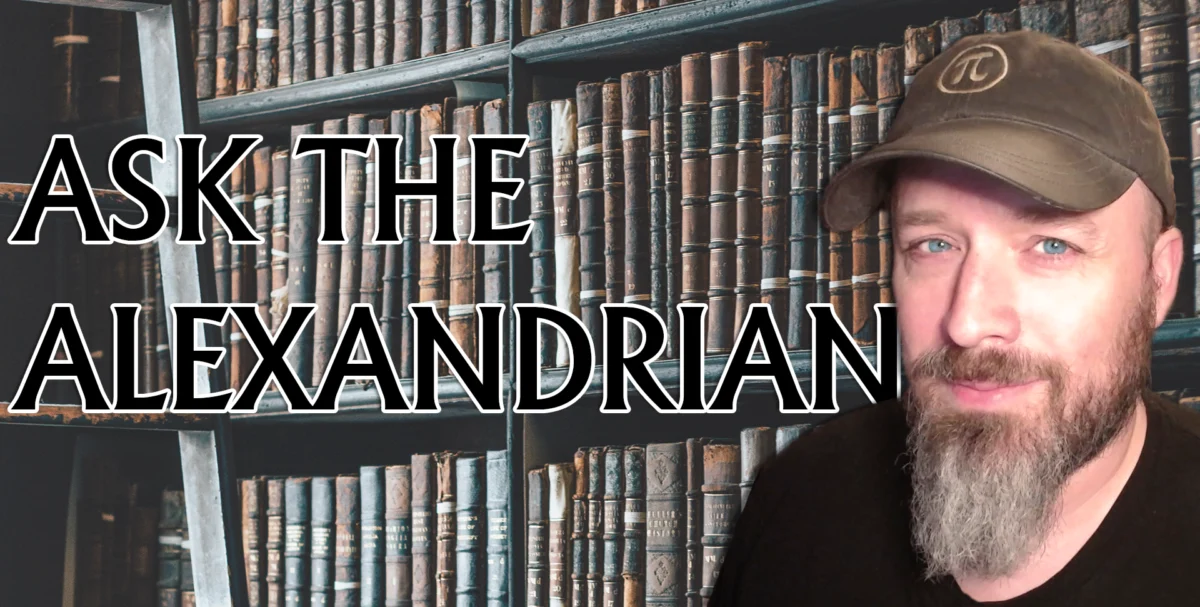
In the dynamic and imaginative world of tabletop role-playing games (TTRPGs), the interplay between a player’s creative character concept and the Dungeon Master’s (DM) portrayal of the game world is fundamental to a cohesive narrative. A recent query submitted to "Ask the Alexandrian" highlights a common yet nuanced challenge: how to reconcile a player’s vision of a "strange, but in a charming way" character with realistic in-game NPC reactions. The DM, identified as B., found themselves in a predicament after their player’s character, during the inaugural session of a new campaign, engaged in socially unconventional behaviors that were met with confusion and mild aversion rather than the anticipated charm. This tonal dissonance underscores a critical area of communication and collaborative storytelling that often emerges in TTRPGs, requiring DMs and players alike to navigate expectations and the boundaries of character archetypes within a shared fictional reality.
The core of the issue lies in the subjective interpretation of "charm" when applied to "strangeness." While the player envisioned a character whose eccentricities would endear them to others, the immediate in-game execution—including remarks about a police chief’s eyes reminding her of her dead mother, followed by circling an NPC and asking their favorite color—was perceived by the NPCs as socially inappropriate and off-putting. This created a direct conflict between the player’s desired outcome for their character’s interactions and the DM’s commitment to portraying a believable world with naturalistic reactions, leading to a breakdown in the expected narrative flow and player satisfaction.
Chronology: A First Session’s Misstep
The unfolding of the situation began with the character creation phase, where the player articulated their concept: a character who was "very strange, but in a charming way." This initial description, while evocative, evidently lacked the specific detail needed to align the player’s internal vision with the DM’s external interpretation of the character’s behavior and its impact on the game world.
The first session served as the proving ground for this concept. As a newcomer to the town, the PC immediately sought to interact with key NPCs. The player’s execution of the "strange but charming" persona involved several distinct actions:
- An Unusual Introduction: The PC told the chief of police that his eyes reminded her of her deceased mother. While perhaps intended to be a poignant or quirky observation, in a formal context, this remark could easily be construed as overly personal, morbid, or simply bizarre.
- Unconventional Engagement: Subsequently, the PC ran in circles around another NPC. This physical act, rather than being seen as playful or whimsical, could be perceived as invasive, disruptive, or even aggressive depending on the context and the NPC’s disposition.
- Direct and Unfiltered Inquiry: Following the physical antics, the PC sat cross-legged on the floor in front of the NPC and asked about their favorite color. This abrupt shift in demeanor, combined with the previous actions, compounded the impression of social awkwardness or eccentricity.
The DM, striving for verisimilitude within the game world, had the NPCs react in a manner consistent with real-world social norms. Their reactions were not hostile, indicating a degree of restraint, but were unequivocally negative: "I don’t want to talk to this nutjob." This response, while natural, directly contradicted the player’s expectation that their character’s strangeness would be perceived as charming.
Upon receiving this feedback through the NPCs’ reactions, the player promptly reminded the DM of their initial character pitch, emphasizing that the strangeness was supposed to be charming. This moment revealed the fundamental disconnect: the player believed their actions were manifesting the "charming strange" trait, while the DM’s portrayal of the world found them simply "strange" and off-putting. The DM’s dilemma then became whether to override their natural judgment of NPC behavior to accommodate the player’s desired outcome, or to maintain internal consistency at the risk of frustrating the player.
Supporting Data: Deconstructing the "Feral Weirdo" Archetype
The type of character the player likely aimed for is often referred to as the "feral weirdo" or "hyper-kooky" archetype, frequently observed in various forms of media, particularly anime. These characters, while undeniably eccentric, possess an underlying quality that eventually endears them to audiences and, crucially, to other characters within their fictional worlds.
Characteristics of the Archetype:
- Unconventional Social Behavior: They often disregard or are genuinely unaware of common social graces, leading to awkward or startling interactions.
- Unique Perspective: Their strangeness often stems from a fundamentally different way of viewing the world, which can be insightful or refreshing.
- Lack of Malice: A key component of their charm is an inherent innocence or lack of malicious intent behind their bizarre actions. Their strangeness is rarely used to deliberately offend or harm.
- Underlying Kindness or Loyalty: Despite their quirks, these characters often possess deep empathy, fierce loyalty, or a unique brand of wisdom that shines through.
- Emotional Honesty: They might express emotions or observations with a raw directness that others find disarming, if initially unsettling.
Examples from Media:
- Luna Lovegood (Harry Potter): Luna is perhaps the quintessential example in Western media. Her bizarre theories, dreamy demeanor, and unfiltered comments initially make her an outcast, but her unwavering loyalty, deep insight, and gentle nature ultimately make her a beloved friend. Her "strangeness" is rooted in a unique, almost childlike perception of the world, not in deliberate social transgression.
- Anya (Buffy the Vampire Slayer): Anya’s charm lies in her blunt, often inappropriate honesty, a remnant of her centuries as a vengeance demon unfamiliar with human social niceties. Her literal interpretations and social faux pas are often played for comedic effect, and her underlying vulnerability and devotion to Xander eventually make her endearing.
- Anime Examples: Characters like those found in Kill la Kill (Mako Mankanshoku, Nonon Jakuzure, Nui Harime), Konosuba (Aqua, Megumin), or My Hero Academia (Denki Kaminari, Mei Hatsume) often exhibit hyper-kooky traits. Their charm often comes from their unwavering enthusiasm, their singular focus, or their comedic relief in otherwise serious situations.
The Nuance of Charm vs. Disruption:
The critical distinction for a TTRPG player is understanding that the "charm" of these archetypes is rarely immediate or universal. It often develops over time, as other characters get to know the individual behind the strangeness. Initial reactions are frequently confusion, bemusement, or even irritation. The charm emerges from the context and the underlying character traits that temper the weirdness. For instance, Luna Lovegood’s initial interactions are indeed strange, but her soft-spoken nature, lack of judgment, and eventual display of courage and kindness are what solidify her charm. If Luna had aggressively accosted people, her charm would likely never have blossomed.

In the described TTRPG scenario, the player’s actions—telling a police chief his eyes remind her of her dead mother, running in circles, asking about favorite colors—lack an immediate, discernible underlying "charming" quality. They come across as disruptive and socially inappropriate, particularly for a stranger in a new town attempting to interact with authority figures. The player’s expectation of universal charm from these initial behaviors overlooks the gradual nature of developing such an impression and the importance of context.
Official Responses: Navigating the Tonal Mismatch
The "Alexandrian" advice centers on open communication and establishing a clear "contract" between the DM and the player. This isn’t just about whether an NPC smiles or frowns; it’s about the fundamental tone and social contract of the game itself.
Option 1: The Archetype Cannot Be Supported
If the DM determines that the "feral weirdo" archetype, as interpreted by the player, fundamentally clashes with the established tone or themes of the campaign, a frank, non-judgmental discussion is paramount.
- Identify the Tonal Mismatch: The DM should explain why the archetype doesn’t fit. For example, a grimdark horror campaign might not have space for whimsical, socially oblivious characters without undermining its tension. A serious political intrigue game might find such behavior to be a constant liability rather than a source of charm.
- Avoid Judgment: It’s crucial to clarify that the player’s concept isn’t "wrong," but rather incompatible with this specific game. The goal is to avoid making the player feel their creativity is being stifled.
- Suggest Alternatives: The DM can propose ways to adapt the character concept to fit the game’s tone, or encourage the player to explore a different character concept that aligns better. This might involve toning down the overt strangeness, or re-contextualizing it (e.g., the character is strange due to a magical curse, making their social faux pas understandable but still disruptive).
- Prioritize Shared Enjoyment: Ultimately, the DM must ensure that all players, including themselves, can enjoy the game. Forcing an archetype that causes constant friction or tonal whiplash will detract from the experience for everyone.
Option 2: Supporting the Archetype Through a Two-Way Contract
If the DM is open to incorporating the archetype, a mutual understanding—a "two-way contract"—must be established regarding its execution and reception within the game world. This involves clear responsibilities for both the player and the DM.
Player Responsibilities:
- Nuance in Roleplaying: The player must actively ensure their character’s "antics do, in fact, have a charming, whimsical quality." This means more than just being strange; it means infusing actions with an underlying innocence, genuine curiosity, or an ultimately benign intent that could eventually be perceived as charming.
- Example: Instead of merely being disruptive, perhaps the character’s odd questions reveal a unique philosophical perspective, or their strange actions inadvertently solve a problem. The charm comes from why they are strange, not just that they are strange.
- Acceptance of Varied Reactions: The player must understand and accept that not every NPC, and certainly not every initial interaction, will result in immediate charm. Many will be confused, annoyed, or even hostile. This varied reception is part of the character’s journey and provides opportunities for character growth and interesting social challenges.
- Analogy: Luna Lovegood faced ridicule; Anya was often seen as an alien. These reactions were part of their narrative.
- Contextual Awareness (Even if the Character Lacks It): While the character might be socially oblivious, the player should be aware of the social context and adjust their approach to strangeness. There’s a difference between a character genuinely not understanding a social cue and a player intentionally using "strangeness" as an excuse for disruptive behavior without narrative purpose.
DM Responsibilities:
- Provide Opportunities for Charm: The DM must actively ensure that there will be NPCs who are receptive to the character’s quirks. This doesn’t mean every NPC, but key figures who might be eccentric themselves, open-minded, lonely, or simply amused by the character’s unique perspective.
- Example: An old recluse who appreciates unusual company, a children’s book author who finds the character inspiring, or a street performer who understands unconventional expression.
- Show, Don’t Just Tell: When an NPC does find the character charming, the DM should portray this through their actions, expressions, and dialogue, rather than simply stating it. A smile, a thoughtful response, a patient explanation, or an invitation can convey charm more effectively than a direct declaration.
- Integrate the Archetype into the Narrative: How does the character’s unique perspective contribute to the story? Does their strangeness allow them to see solutions others miss, or interact with unusual factions? The archetype should be more than just a surface-level quirk; it should have narrative utility.
- Balance Reactions: While some NPCs will be charmed, others will still react negatively or with indifference. This balance maintains the realism of the world while validating the player’s concept.
Implications: Fostering Collaborative Storytelling
The "charming weirdo" dilemma serves as a microcosm for broader implications in TTRPGs, highlighting the importance of clear communication and collaborative world-building.
For Game Tones:
The success of an archetype like the "feral weirdo" is heavily dependent on the game’s tone. In lighthearted, comedic, or high-fantasy settings, such characters might integrate more easily. In gritty, realistic, or horror-oriented campaigns, their actions might break immersion or even put the party in undue danger, underscoring the need for alignment between character concept and campaign style.
For Player Agency vs. DM Fiat:
This situation touches upon the delicate balance between player agency (the right to define and play their character as they envision) and DM fiat (the right to control the world’s reactions and maintain consistency). The "two-way contract" approach respects both by giving the player guidelines for how to manifest their concept in a way that can be charming, and committing the DM to creating a world that allows for such charm to be recognized.
For Communication in RPGs:
The most enduring lesson here is the power of direct and open communication. The "Alexandrian" aptly suggests that if a DM doesn’t understand a character concept or a player’s actions, the most effective approach is to "cut straight to the point and ask them what their goal is." Using analogies to established characters from other media can be an incredibly effective shortcut to mutual understanding, clarifying expectations for both behavior and reactions. This proactive clarification, ideally before a campaign even begins, or as early as possible, can prevent misunderstandings and foster a more harmonious and enjoyable experience for everyone involved.
For Long-Term Campaign Health:
Resolving such character-world friction early on is vital for the long-term health of a campaign. Unaddressed, these issues can lead to player frustration, DM burnout, and ultimately, a breakdown in the shared narrative. By addressing the "charming weirdo" problem with empathy, clarity, and a collaborative spirit, DMs and players can ensure that unique character concepts enhance, rather than detract from, the rich tapestry of their adventures. The goal is not to stifle creativity, but to channel it effectively within the agreed-upon framework of the game world.