Culinary Combat: How Abyss Kitchen Redefines the Survival Action Genre
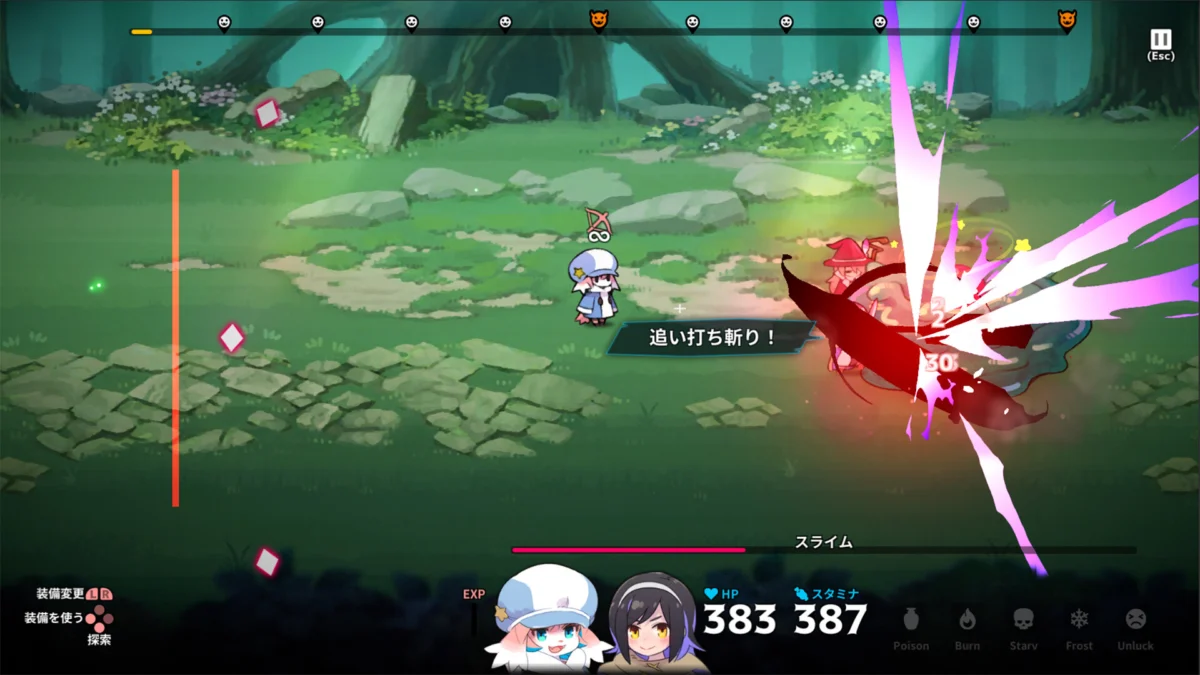
The landscape of survival action games is often dominated by a singular focus: the prowess of the warrior. From the soul-crushing difficulty of high-fantasy RPGs to the frantic resource management of post-apocalyptic shooters, the player’s primary objective is almost always to be the sword, the gun, or the spell. However, a new contender in the indie scene, Abyss Kitchen, is challenging this paradigm by shifting the spotlight from the front-line combatant to the essential, yet often overlooked, backbone of any adventuring party—the chef.
Recently showcased at the Hyper Japan festival and now available for the global audience on Steam, Abyss Kitchen offers a sophisticated blend of tactical support, resource management, and high-stakes survival. It is a game where the most lethal tool in your arsenal might not be your bow, but your boiling pot.
Main Facts: A Symphony of Support and Survival
Abyss Kitchen is an innovative survival action title that subverts traditional genre expectations. While the game takes place in a hostile, monster-infested environment, the player’s primary responsibility is not the elimination of threats, but the sustenance of the team. This "support-first" philosophy creates a unique gameplay loop that balances the tension of combat with the precision of culinary management.
The Role of the Combat Chef
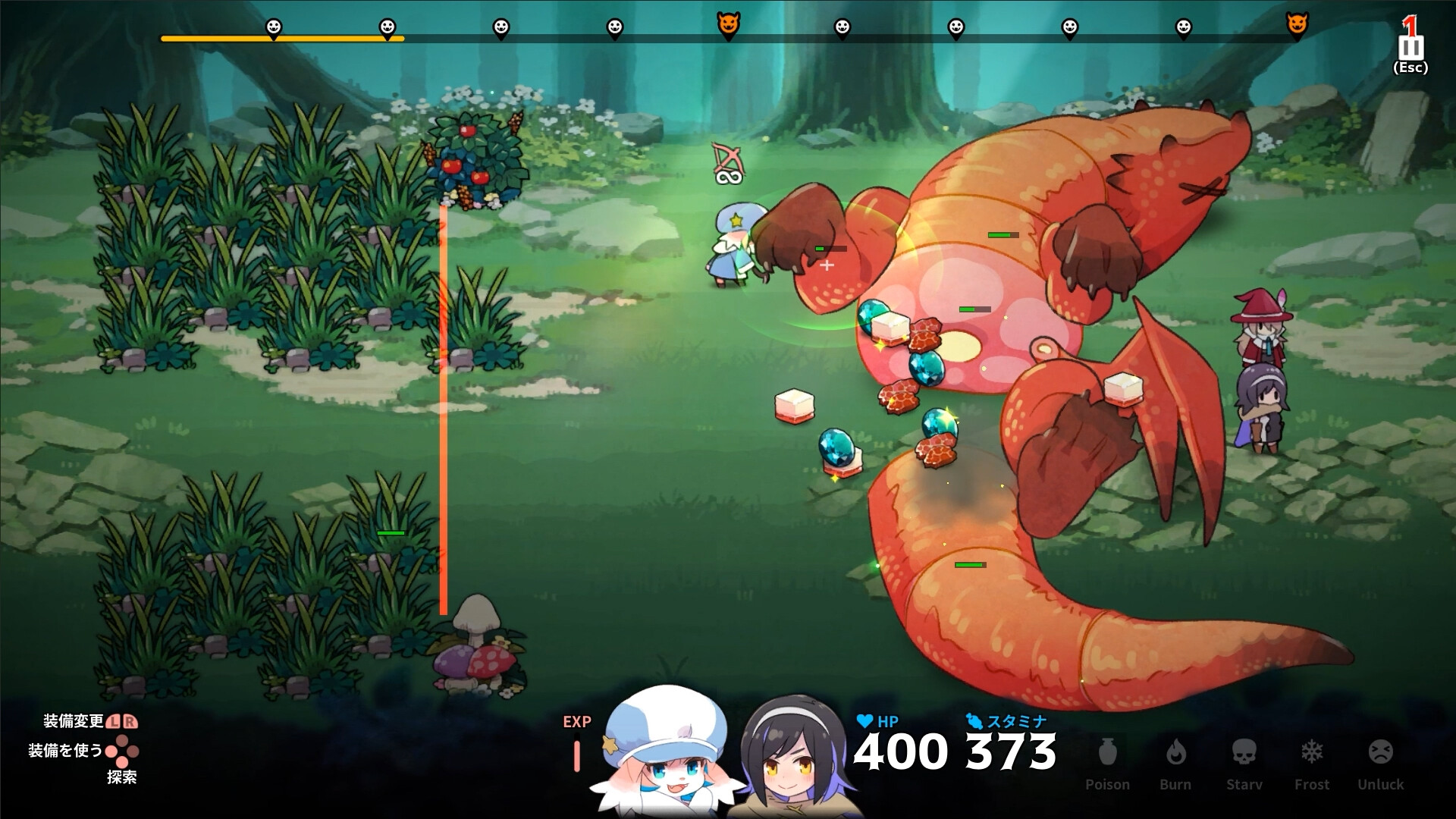
In Abyss Kitchen, players take on the role of a specialized chef embedded within a combat unit. While your AI-controlled (or multiplayer) teammates engage in the heavy lifting—slaying colossal beasts and warding off waves of enemies—your job is to scavenge. The battlefield is your pantry. Players must navigate the periphery of combat zones to harvest exotic flora, such as "long blades of grass," and, more importantly, "break down" the carcasses of fallen enemies to extract high-quality proteins and rare ingredients.
Hybrid Combat Mechanics
Though the focus is on cooking, the player is not defenseless. Equipped with a bow, the chef can provide ranged fire support. However, this is rarely the optimal use of time. Combat in Abyss Kitchen is a secondary necessity, used primarily for self-defense or to assist the team in a "formation" when the enemy pressure becomes insurmountable. The true skill lies in knowing when to put down the ladle and pick up the bow.
Tactical Gastronomy
The core of the game revolves around its deep cooking system. The ingredients gathered on the battlefield are not merely for flavor; they are the fuel for the team’s survival. Different recipes yield various tactical advantages, including:
- HP Recovery: Essential for sustaining the front line during protracted boss battles.
- Attack Power Buffs: Critical for breaking through the defenses of high-armor enemies.
- Stamina and Defense Enhancements: Allowing the team to maneuver more effectively or tank heavy hits.
Chronology: From Concept to the Steam Storefront
The journey of Abyss Kitchen reflects the broader trend of "genre-mashing" within the independent development sector. While the specific development timeline of the studio remains focused on iterative refinement, the game’s public trajectory has been marked by several key milestones.
- The Conceptual Phase: The developers sought to create a game that captured the "cozy" appeal of cooking simulators (like Overcooked or Cooking Mama) but transplanted those mechanics into the high-stress environment of a survival rogue-lite.
- Early Access and Community Feedback: Initial builds focused on the synergy between the chef and the AI teammates. Early testers noted the satisfaction of "harvesting" enemies, leading the developers to lean further into the "monster-to-table" pipeline.
- Hyper Japan Showcase: In mid-2024 (and continuing into 2026 as per recent updates), Abyss Kitchen was featured prominently at Hyper Japan, a cultural festival in London. This provided a crucial platform for Western audiences to experience the game’s unique blend of Japanese-inspired aesthetics and innovative gameplay.
- Official Launch: Following successful showcases and polishing phases, the game moved to a full release on Steam. This transition included the implementation of "formation mechanics," allowing the chef to participate in coordinated team maneuvers, further integrating the support role into the core action.
Supporting Data: The Mechanics of Efficiency
To understand why Abyss Kitchen works, one must look at the data-driven relationship between the chef’s efficiency and the team’s survival rate. The game operates on a "Time-to-Table" (TTT) metric, where the speed at which a player can process a monster corpse into a buff-providing meal directly correlates to the party’s success in the "Abyss."
Resource Allocation
In a typical 10-minute encounter, a player must balance three primary activities:
- Gathering (40% of time): Harvesting environmental resources and looting fallen foes.
- Processing (40% of time): Navigating the cooking UI to combine ingredients into optimal dishes.
- Combat/Support (20% of time): Using the bow to peel enemies off themselves or joining a formation to trigger a team-wide special ability.
The Formation System
The "Formation" mechanic is a critical data point in the game’s design. When the party enters a formation, the chef’s proximity to the warriors triggers a multiplier effect on current buffs. For instance, an "Attack Power" dish that normally grants a 10% boost may jump to 25% when the team is in a "Shield Wall" formation. This forces the player to move into the heart of the danger zone, creating a high-risk, high-reward dynamic that prevents the chef role from feeling too passive.
Official Responses: A New Take on a Crowded Genre
Industry analysts and the developers themselves have characterized Abyss Kitchen as an "evolution of the support class." In discussions during the Hyper Japan event, representatives for the game emphasized that the goal was to provide a sense of agency to players who prefer non-traditional combat roles.
"We wanted to move away from the idea that the ‘healer’ or ‘support’ is just a secondary character," one developer noted during a press briefing. "In Abyss Kitchen, the chef is the most important person on the field. If the chef dies, the team runs out of resources within minutes. If the chef is slow, the team’s damage output drops. It turns the ‘cook’ into the tactical lead of the group."
The reception from the Steam community has echoed this sentiment. Reviewers have praised the game for its "refreshing perspective" and its ability to make the act of "breaking down bodies" feel like a rewarding gameplay mechanic rather than a chore. The game currently holds a positive rating, with many players highlighting the "satisfying loop" of cooking under fire.
Implications: The Rise of the "Non-Combat" Hero
The success and unique positioning of Abyss Kitchen have several broader implications for the future of the survival action genre.
1. Diversification of Player Roles
For years, multiplayer and team-based games have struggled with the "support tax"—the idea that playing a support role is less fun than being the primary damage dealer. Abyss Kitchen solves this by making the support role mechanically complex and visually rewarding. It suggests that there is a significant market for games that gamify logistical and clerical tasks within high-action settings.
2. The "Cozy-Action" Crossover
We are seeing a convergence of "cozy" gaming elements (crafting, cooking, decorating) with "hardcore" genres. Abyss Kitchen sits at the center of this Venn diagram. By appealing to fans of Monster Hunter who enjoy the preparation phase and fans of Stardew Valley who enjoy the resource management, the game taps into a diverse demographic.
3. Indie Innovation as a Path Forward
As AAA titles become increasingly risk-averse, focusing on established formulas, indie titles like Abyss Kitchen prove that there is still room for radical mechanical shifts. The "monster-to-table" mechanic is a dark, humorous, and mechanically sound twist that provides a blueprint for how other developers might rethink traditional RPG roles—perhaps a "Battle Blacksmith" or a "Combat Alchemist" could be next.
Conclusion
Abyss Kitchen is more than just a survival game; it is a testament to the power of perspective. By viewing the battlefield through the eyes of a cook rather than a conqueror, it offers a fresh, frantic, and ultimately rewarding experience. Whether you are a veteran of the survival genre looking for a new challenge or a fan of management sims looking for a bit more adrenaline, Abyss Kitchen provides a seat at the table for everyone.
The game is currently available for purchase on Steam, inviting players to enter the Abyss and discover if they have what it takes to keep their team fed, buffed, and—most importantly—alive.