The Evolution of an Auteur: Analyzing Robert Pattinson’s Highest-Rated Cinematic Achievements
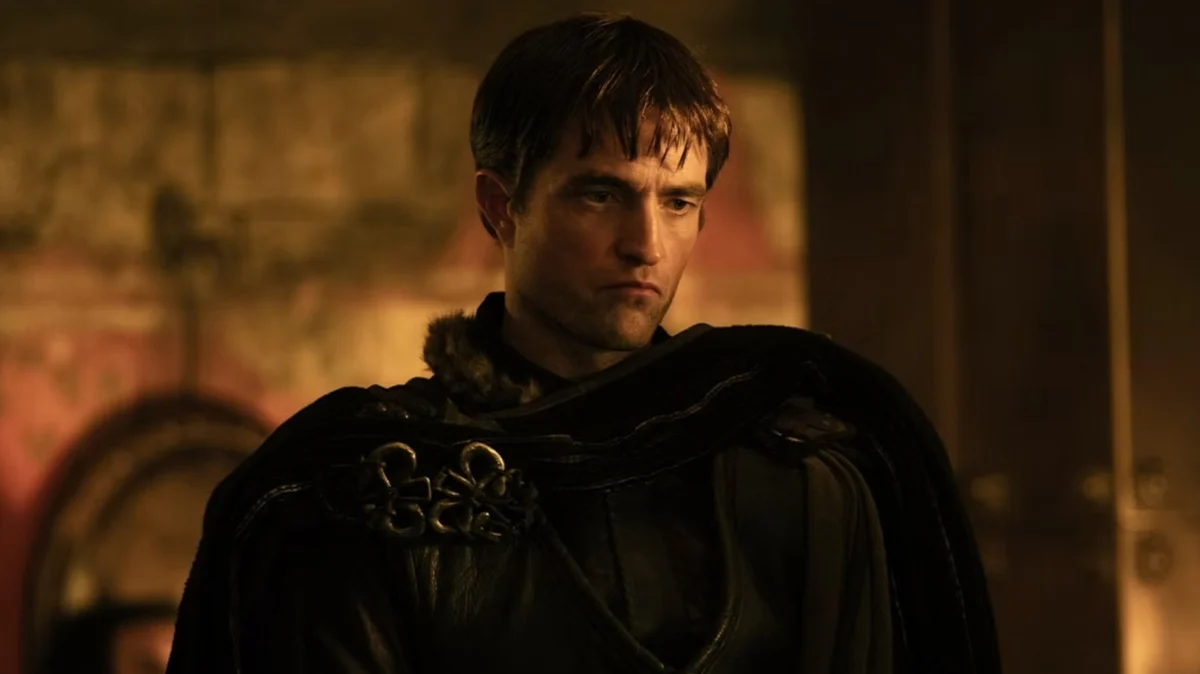
The trajectory of Robert Pattinson’s career remains one of the most compelling narratives in modern Hollywood. Transitioning from the frenetic heights of global teen superstardom to becoming a cornerstone of contemporary auteur cinema, Pattinson has systematically dismantled his "heartthrob" image to reveal a performer of immense depth, eccentricity, and technical prowess. While his early work in the Harry Potter and Twilight franchises provided the commercial foundation for his career, it is his subsequent collaboration with visionary directors that has cemented his status among the elite actors of his generation.
According to data aggregated by Rotten Tomatoes, Pattinson’s filmography is now defined by critical acclaim rather than mere box office receipts. This report examines his five highest-rated films, tracing the chronological and thematic evolution of an actor who has successfully bridged the gap between independent experimentation and blockbuster prestige.
Chronology: From Cedric Diggory to Cinematic Icon
Robert Pattinson’s entry into the public consciousness began in 2005 with his portrayal of Cedric Diggory in Harry Potter and the Goblet of Fire. Despite his character’s tragic end, Pattinson’s performance earned him the title of "British Star of Tomorrow." However, it was the 2008 release of Twilight that fundamentally altered his life. For five films, Pattinson portrayed Edward Cullen, a role that brought him immense fame but also threatened to pigeonhole him within the confines of young-adult romance.
Recognizing the potential for creative stagnation, Pattinson began a strategic pivot toward independent cinema even before the Twilight saga concluded. Collaborations with David Cronenberg on Cosmopolis (2012) and Maps to the Stars (2014) signaled a new direction. This "experimental phase" was not merely a rejection of his past, but a deliberate education in the craft of acting under the guidance of world-class directors. By the late 2010s, Pattinson had effectively reinvented himself as a "weird little guy" in a leading man’s body—a character actor capable of carrying high-stakes narratives.
Supporting Data: The Top Five Films Ranked by Critical Consensus
The following films represent the pinnacle of Pattinson’s career according to critical metrics, showcasing a range that spans from psychological horror to high-concept mythic adaptation.
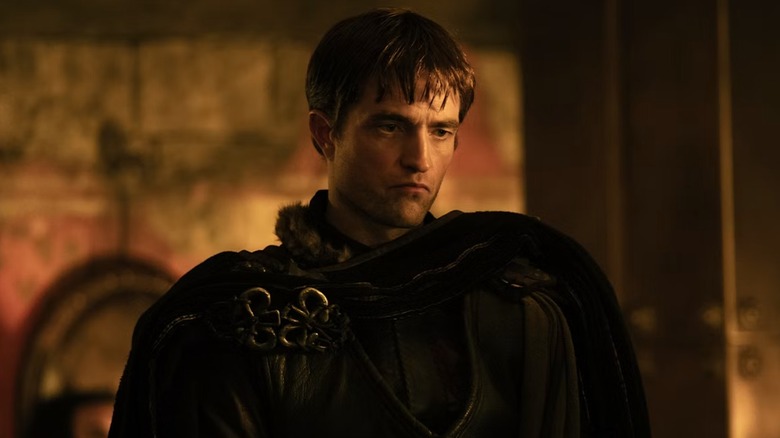
5. The Lighthouse (2019) – 90%
Directed by Robert Eggers, The Lighthouse stands as a masterclass in atmospheric dread and psychological collapse. Shot in black-and-white with a cramped 1.19:1 aspect ratio, the film features Pattinson as Ephraim Winslow, a "wickie" stationed on a remote island alongside a veteran keeper played by Willem Dafoe.
Critics lauded Pattinson’s willingness to get "disgusting" for the role, portraying a man descending into abject madness. The film’s success (90% on Rotten Tomatoes) is attributed to the intense chemistry between the two leads and Pattinson’s ability to hold his own against a titan like Dafoe. The production was notoriously difficult, with Pattinson reportedly pushing himself to physical extremes to capture the visceral reality of the character’s isolation.
4. The Childhood of a Leader (2015) – 90%
In Brady Corbet’s directorial debut, Pattinson takes on a dual role that highlights his affinity for unsettling, period-accurate drama. Inspired by a Jean-Paul Sartre short story, the film explores the upbringing of a future fascist leader in post-WWI France. Pattinson portrays Charles Marker, a friend of the family, and appears in a pivotal second role that reframes the entire narrative during the film’s coda.
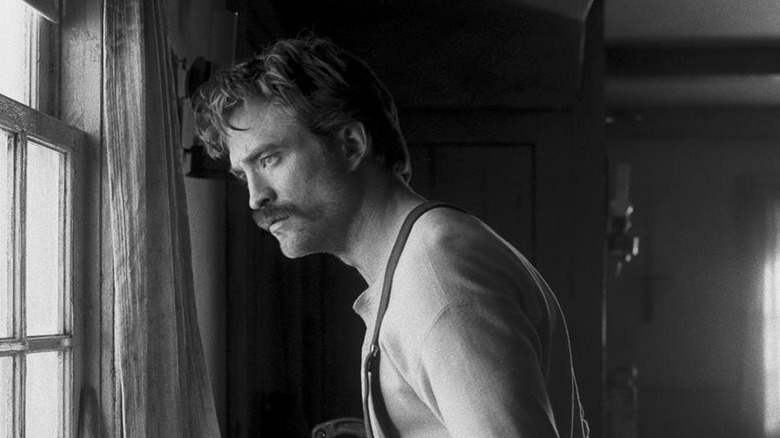
Though Pattinson’s screen time is more limited here than in other entries, his presence is foundational. The film’s 90% rating reflects the critical appreciation for its chilling atmosphere and Pattinson’s "unctuous" performance, which serves as a harbinger for the dark themes of tyranny and grooming that the movie explores.
3. Good Time (2017) – 91%
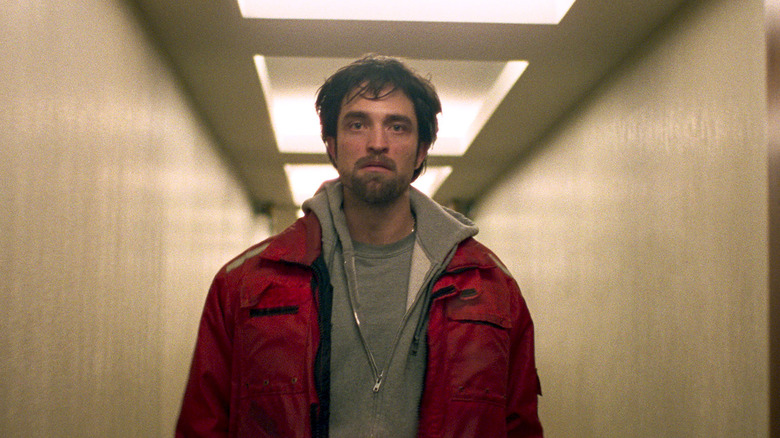
The Safdie brothers’ Good Time is often cited as the definitive turning point in Pattinson’s career. Playing Connie Nikas, a desperate bank robber attempting to bail his brother out of Rikers Island, Pattinson delivers a performance of manic, propulsive energy.
The film is a neon-soaked descent into the New York City underworld, characterized by a constant sense of impending doom. With a 91% rating, Good Time proved that Pattinson could lead a gritty, high-stakes thriller with a level of realism that was entirely absent from his earlier franchise work. His portrayal of a man who is both a victim of his circumstances and a manipulative predator remains one of the most discussed performances of the last decade.
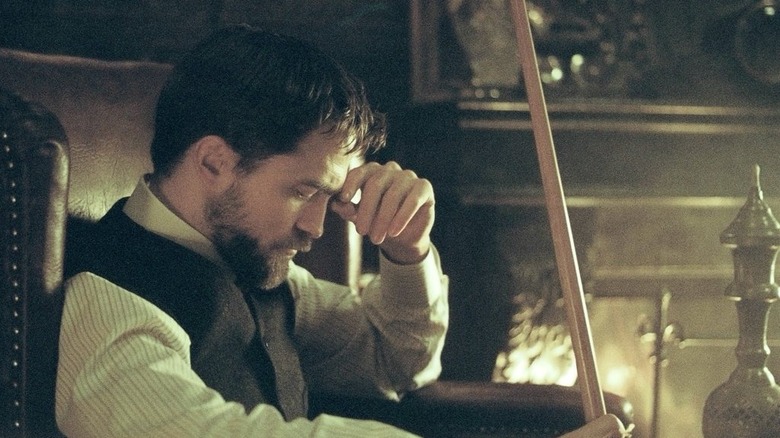
2. The Odyssey (2026) – 94%
In what has become a landmark of 21st-century blockbuster filmmaking, Christopher Nolan’s The Odyssey reimagines Homer’s epic with a star-studded cast. While Matt Damon takes the titular role, Pattinson’s portrayal of Antinous—the lead suitor vying for Penelope’s hand—received significant acclaim.
Pattinson’s Antinous is described as "positively unctuous," a character who combines cowardice with a sharp, manipulative intellect. Critics noted that Pattinson excelled in playing the "villain you love to hate," providing a necessary foil to the mythic heroism of Odysseus. The film’s massive box office haul and 94% rating solidified Pattinson’s ability to balance "weird" character work with the demands of a global tentpole production.
1. The Boy and the Heron (2023) – 96%
Topping the list is Hayao Miyazaki’s animated masterpiece, The Boy and the Heron. In the English dub, Pattinson voices the Grey Heron, a supernatural guide that leads the young protagonist, Mahito, into a magical realm.
This performance was a revelation for many, as Pattinson utilized a raspy, unrecognizable vocal register that many compared to a Willem Dafoe impression. By taking on a non-human role, Pattinson demonstrated that his talent extends beyond physical presence to the realm of pure character creation. The film’s 96% rating is a testament to Miyazaki’s vision, but Pattinson’s contribution to the English-language version is widely considered one of the best voice-acting performances in recent Ghibli history.
Official Responses and Critical Reception
The industry’s response to Pattinson’s evolution has been overwhelmingly positive. Directors who have worked with him often speak of his "fearlessness" and his lack of vanity. Robert Eggers famously remarked on Pattinson’s intensity during the filming of The Lighthouse, noting that the actor was willing to do almost anything to achieve the right tone for a scene.
Critics, too, have shifted their perspective. The "Twilight" stigma has been replaced by a sense of anticipation for whatever "strange" project Pattinson chooses next. Industry analysts suggest that Pattinson’s success lies in his refusal to play it safe. By choosing projects based on the director rather than the salary, he has built a "curated" filmography that commands respect from both the Academy and the independent film community.
Implications for the Future of the Industry
Pattinson’s career path serves as a blueprint for modern actors navigating the complexities of fame. His success suggests that the "heartthrob-to-auteur" pipeline is not only viable but perhaps the most sustainable way to build a lasting legacy in an era dominated by intellectual property.
The implications of his top-rated films are twofold:
- The Value of Artistic Risk: Pattinson’s highest-rated films are also his most unconventional. This indicates that critics and audiences are increasingly hungry for original, director-driven content, even when it features a high-profile star.
- The Redefinition of the "Leading Man": Pattinson has helped redefine what it means to be a Hollywood lead. He proves that one can be a global star while simultaneously occupying the space of a "weird" character actor, effectively merging two previously distinct career paths.
As Pattinson moves forward—with upcoming projects including sequels to The Batman and further collaborations with world-renowned directors—his filmography will likely continue to grow in both diversity and acclaim. For an actor who once felt trapped by his own popularity, Robert Pattinson has successfully found freedom in the strange, the dark, and the audacious.