Texas Learns Deadly Lessons from the Deluge: How Fiction Can Save Lives
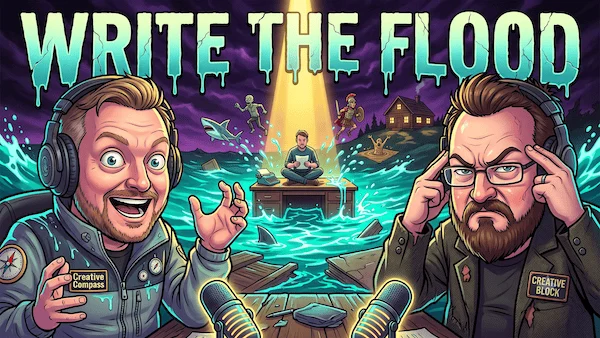
Mass Casualties Averted in Second Wave of Devastating Texas Floods, Highlighting the Power of Preparedness and Narrative
Central Texas, USA – A year after a catastrophic flood event claimed at least 139 lives across Texas, the state found itself once again battling the relentless force of nature. In mid-July 2026, the same regions that bore witness to unimaginable loss in July 2025 were submerged by a second round of major flooding. However, in a stark and heartening contrast, this latest deluge resulted in a dramatically reduced death toll, with only two lives tragically lost. This significant reduction in fatalities has ignited discussions about the effectiveness of public awareness campaigns, the role of community memory, and, intriguingly, the profound impact that fictional narratives can have on real-world preparedness.
The events of July 2025 remain a somber chapter in Texas history. The Guadalupe River, known for its unpredictable nature, became a symbol of nature’s raw power. The floods, characterized by rapid rises in water levels and immense destructive force, caught many residents, particularly those unfamiliar with the region’s unique hydrological challenges, off guard. Tragically, a significant portion of the casualties occurred at a summer camp, where a group of young girls perished in a rapidly rising cabin. This event sent shockwaves through the state and beyond, highlighting a critical vulnerability: a lack of ingrained awareness and immediate response protocols for flash floods.
A Year of Reflection and Resilience: The Guadalupe River’s Persistent Threat
The Guadalupe River watershed, spanning a significant portion of Central Texas, is inherently susceptible to flash flooding. This vulnerability stems from a confluence of geographical and meteorological factors. The region’s soil composition is often characterized by a low infiltration rate, meaning it struggles to absorb large volumes of water quickly. This is exacerbated by the type of rainfall the area experiences, which can include intense, short-duration downpours capable of overwhelming natural drainage systems. These conditions create a volatile environment where seemingly calm waterways can transform into raging torrents with little to no warning.
For residents of Central Texas, the memory of the 2025 floods serves as a potent, albeit painful, reminder of this ever-present danger. While the region can experience periods of relative calm, the potential for a devastating flood event is a constant undercurrent. The challenge lies in maintaining a high level of preparedness and vigilance, especially when extended periods without significant flooding can lead to a complacency that diminishes the perceived threat.
From Tragedy to Triumphs: The Evolution of Public Response
The immediate aftermath of the July 2025 floods saw an outpouring of grief and a concerted effort to understand the contributing factors to the high mortality rate. Investigations and public discourse revealed that a significant contributing factor was the lack of a visceral understanding of flash flood dynamics among many residents. Unlike more predictable natural disasters like hurricanes, which often provide extended evacuation windows and are well-documented in public consciousness, flash floods are notoriously swift and unforgiving.
During the 2025 event, many individuals who had relocated to Texas from other states or regions lacked the ingrained "mental model" of how quickly and aggressively water levels could rise. Phrases like "toad stranglers" and descriptions of water rising "six inches every minute" became stark indicators of the terrifying reality that many experienced firsthand. This lack of familiarity with the specific dangers of Texas flash floods meant that by the time the threat was recognized, it was often too late to take effective evasive action.
The subsequent year, however, witnessed a palpable shift in public awareness and community action. The widespread media coverage of the 2025 tragedy, the personal stories of loss, and the visible reminders of the disaster, such as memorial ribbons displayed across the state, had a profound impact. When the rains returned in July 2026, the response was markedly different.
In many affected towns and communities, residents exhibited a heightened sense of urgency and a proactive approach to safety. Evacuation orders were heeded more promptly, and individuals demonstrated a greater willingness to seek higher ground. This collective shift in behavior, driven by the stark lessons of the previous year, directly contributed to the drastic reduction in fatalities. The image of people boating through streets, a scene of chaos, was juxtaposed with the vital fact that in these instances, the people were alive and safe, having responded to the warnings.
The Unforeseen Architects of Preparedness: The Power of Narrative
Beyond official warnings and public service announcements, a compelling argument is emerging: that fictional narratives, particularly within literature, have played a significant, albeit often unrecognized, role in fostering this improved preparedness. This concept, championed by commentators and authors alike, suggests that stories can serve as powerful tools for passive education, embedding crucial safety knowledge into the public consciousness.
The analogy drawn is to the pervasive fear of sharks. Despite the statistically low number of shark-related fatalities worldwide, the cultural impact of films like "Jaws" has created an almost innate, instinctual understanding of the perceived danger and the appropriate response – to immediately vacate the water. This demonstrates how a compelling narrative can instill a powerful, action-oriented awareness that far outweighs the statistical reality of the threat.
In the context of flash floods, authors are being urged to integrate realistic flood scenarios into their stories. The goal is not necessarily to make floods the central theme of a novel, but rather to weave them in as dynamic elements that can heighten tension, drive plot, and, crucially, educate readers. By depicting characters navigating a flash flood, authors can implicitly convey essential safety protocols: the importance of seeking high ground, the danger of attempting to outrun rising water in vehicles, and the necessity of staying clear of natural channels and low-lying areas.
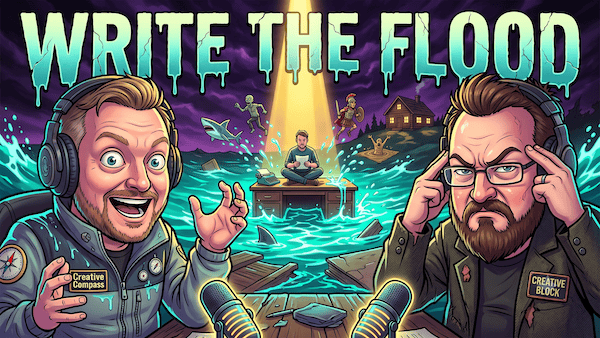
Jonathan, a commentator on the matter, highlights his own experience incorporating such elements into his "Semper Di" series. He recounts reader feedback that validated the effectiveness of this approach, with individuals stating that the fictional checklists and descriptions of flood dynamics helped them mentally prepare for similar real-world situations. The explicit aim is to create a scenario where readers, through the vicarious experience of fictional characters, learn what danger looks like and what actions to take.
Beyond the Page: Flash Floods as Narrative Catalysts
Thomas, another voice in this discussion, emphasizes the versatility of flash floods as a narrative device. He argues that while they may not lend themselves to standalone stories due to their rapid onset and resolution, they serve as potent catalysts for plot development and character interaction. Whether in a fantasy epic where characters battling a dark lord are caught off guard by a sudden deluge, or in a contemporary romance where a couple facing relationship strife must cooperate to survive a flash flood, the element of man-versus-nature can add depth and urgency.
The key, Thomas suggests, is that a flash flood can occur even under a seemingly clear sky, provided the rain is falling upstream or in higher terrain. This element of surprise can be particularly effective in building suspense. A character might dismiss the light rain as inconsequential, only to be confronted by a rapidly approaching wall of water. This unpredictability, while terrifying in reality, offers rich storytelling potential.
The idea extends to various genres. A romance novel, for instance, could feature a couple on the verge of a breakup who are forced to rely on each other to survive a sudden flood, rekindling their bond through shared adversity. Or, as Jonathan posits, a moment of realization about the futility of an argument could lead one partner to bravely venture back into a dangerous situation to ensure the safety of the other who might be less informed about the risks.
The Grim Reality and the Hope for Fictional Precaution
The tragic events in Texas underscore a sobering truth: real-world disasters often serve as the harshest, most effective teachers. The high death toll in 2025, while devastating, undeniably served as a stark, undeniable wake-up call for the state. The collective memory of the girls lost at the summer camp, the widespread display of memorial ribbons, and the visceral experience of living through such a catastrophe created a powerful impetus for action. When the floods returned in 2026, this ingrained memory and heightened awareness translated into life-saving decisions.
However, the argument put forth is that such devastating real-world consequences should not be the sole catalyst for preparedness. Fictional characters dying in fictional floods can achieve a similar educational outcome. By presenting the dangers of flash floods in a compelling and relatable manner, authors can equip readers with the knowledge and instinct to act decisively when faced with a real-world threat. This is particularly relevant for younger audiences, such as those in middle-grade and young adult literature.
Jonathan draws a parallel to his childhood fascination with wilderness survival books. He learned vital skills from narratives of characters navigating challenging environments, knowledge that, while perhaps never directly applied, remains ingrained. Similarly, stories about flash floods, especially those featuring relatable young protagonists or families, can impart essential survival techniques and a healthy respect for the power of nature.
The Urgent Call to Authors: Weaving Safety into Story
The current landscape suggests a significant opportunity for authors to contribute to public safety. While official warnings are crucial, the pervasive influence of storytelling offers a unique avenue for embedding crucial information. The comparison to quicksand, a phenomenon that few people encounter in their lives but are deeply aware of due to its frequent portrayal in films, highlights the power of narrative to shape our understanding of risks. Quicksand, statistically, claims far fewer lives than lightning, yet the cinematic depiction has created a disproportionately strong cultural awareness.
In this context, authors are being presented with a competitive advantage, not just in creating compelling narratives, but in actively contributing to the well-being of their readers. By incorporating realistic flash flood scenarios, they can provide a vital service, fostering a generation more equipped to recognize danger and take appropriate action.
As Thomas aptly summarizes, "It hurts, but better your fictional character die and a lesson be learned than real children have to." The proactive inclusion of flash flood awareness in fictional works offers a path towards mitigating the tragic toll of these natural disasters, transforming stories from mere entertainment into life-saving educational tools. The recent events in Texas, while a testament to the power of collective memory and improved response, also serve as a potent reminder of the lessons that can and should be learned, both from real-world tragedies and from the compelling narratives woven by authors.