Reigniting the Spark: How "Promo Stacking" Can Save Dormant Books and Drive Sales
In the ever-evolving landscape of publishing, a book’s initial launch is only the beginning of its journey. Yet, many promising titles can falter, losing momentum and becoming overlooked in the vast digital marketplace. This phenomenon presents a significant challenge for authors and publishers alike: how do you revive a book that has lost its readership or never quite found its audience? A powerful strategy known as "promo stacking," championed by independent publishing consultant Bryan Canter, offers a compelling solution, leveraging a combination of strategic discounting and targeted marketing to inject new life into flagging titles.
The fundamental principle behind promo stacking is rooted in human psychology and the herd mentality. As Canter explains, "Readers want to read the books that other readers are already reading. It’s more fun to read the same book your friends are reading, and it’s safer." This instinct mirrors our behavior in everyday life; we are more inclined to choose a bustling restaurant over an empty one, trusting the collective judgment of others over marketing claims. The same applies to books. When a book gains traction, its popularity becomes a self-perpetuating cycle, attracting more readers who are drawn to its perceived success.
However, this natural inclination creates a paradox for authors whose books are not experiencing this organic buzz. "What do you do if your book isn’t getting any readers, or if it used to get readers and it’s not anymore?" Canter poses. "How do you save a dead book from being the kind of book no one wants to read because no one is reading it?" The answer, he contends, lies in a strategic, multi-pronged promotional effort.
The Genesis of "Amazon Power Boost"
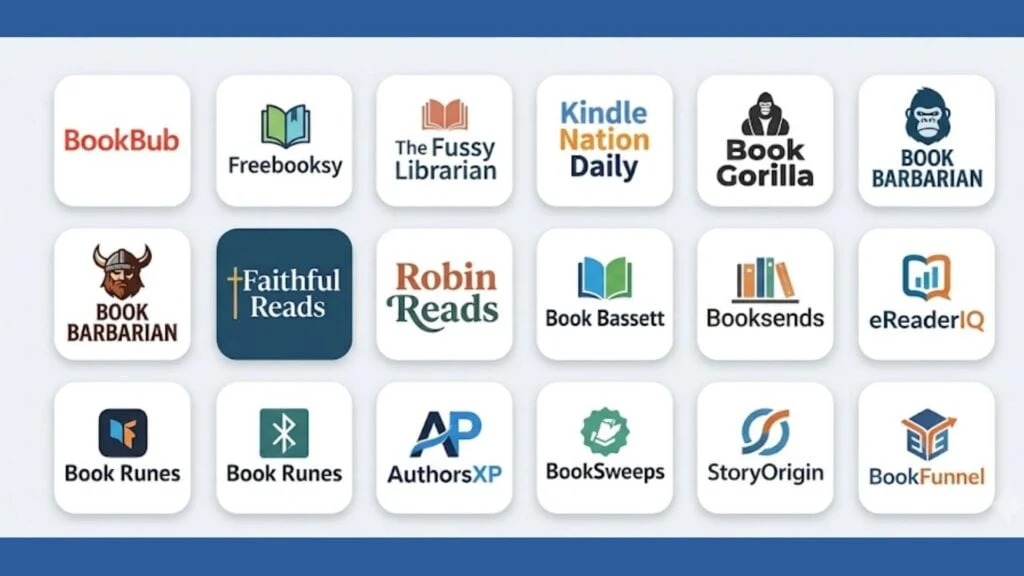
The concept of strategically leveraging free promotions to gain visibility has been around for some time. Polly Letofsky, founder of My Word Publishing, is credited by Canter as an early proponent, branding the tactic as the "Amazon Power Boost." The core idea is deceptively simple: make the ebook free for a limited period and then employ email marketing services to disseminate this information to their subscriber bases.
Thomas, a fellow advocate for author success and host of a popular podcast, previously explored this strategy, referring to it as "free pulsing." While he acknowledges that the Amazon algorithm has evolved, potentially diminishing the impact of these tactics for solely "juicing the algorithm," he strongly emphasizes their continued efficacy in influencing human behavior. "People want to read what other people are already reading," Thomas reiterates. "If you can get a bunch of people reading and talking about your book, that buzz may save it. It may be what’s needed to breathe new life into a book that had never been alive."
Strategic Timing and Algorithmic Nuances
Bryan Canter advocates for deploying promo stacking not just at launch, but also at strategic intervals, such as four to six weeks after a book’s initial release. This timing is crucial for several reasons. For debut novels, Amazon’s advertising algorithms often struggle to identify the target audience without prior sales data. "If you try running an auto ad on a debut novel, Amazon has no clue which readers will like that book and no sales volume to go on," Canter explains.
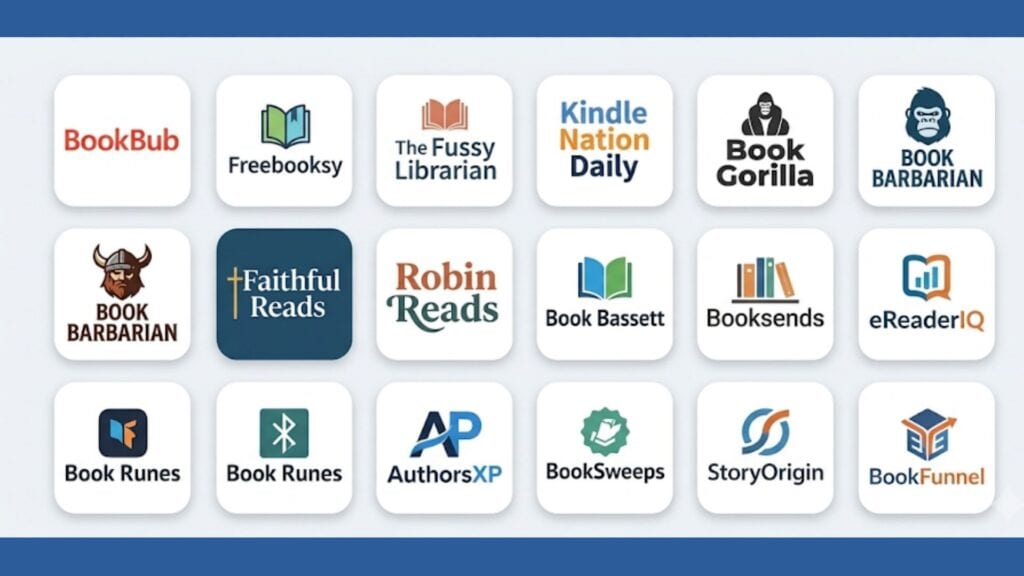
He further highlights how well-intentioned early support from friends and family can inadvertently skew the algorithm. If individuals with vastly different reading preferences purchase and rate a book (e.g., a sci-fi novel being bought by a cozy mystery enthusiast), Amazon’s algorithms can become confused, misattributing the book’s genre and audience. In contrast, promo stacking, utilizing email services targeted by specific categories, ensures that the book is reaching readers who are genuinely interested in that genre, leading to more relevant downloads and a higher likelihood of authentic reviews.
Beyond Free: The Power of Targeted Engagement
While making a book free is a cornerstone of promo stacking, the strategy’s true power lies in its targeted dissemination. The goal is not simply to generate a flood of downloads, but to attract the right readers – those who are most likely to engage with the book and, crucially, leave reviews.
Thomas draws a parallel with crowdfunding campaigns, noting that while an ebook might be offered for free, readers might willingly pay for premium physical editions. This not only generates revenue but also ensures that the reader is more invested in the product. This concept extends to promo stacking; the free ebook serves as an entry point, a lure to draw readers into the author’s ecosystem.
The Chronology of a Successful Promo Stack
The effectiveness of promo stacking hinges on a carefully orchestrated sequence of events. Bryan Canter emphasizes the importance of planning these promotions approximately three weeks in advance, allowing for precise scheduling and ordering of services.
"Early on, people would stack five, six, seven, eight of these services on a single day and just hammer it hard, getting 3,000 to 4,000 downloads in a day and then nothing the next," Canter observes. "Amazon doesn’t like that. What they want to see is sustained momentum over a period of days, ideally building."
This philosophy dictates a layered approach. Solid, but perhaps not the most impactful, promotional services are deployed earlier in the campaign. This gradual build-up then culminates with the most potent services, often including a highly sought-after "BookBub Featured Deal," on the final day of the promotion.

Thomas elaborates on this orchestrated crescendo: "If you have a BookBub Featured Deal, which is by far the best of these email promotions, you’d schedule around that and make the BookBub date the final day. Amazon sees that as a book that’s getting more popular each day, and then on day four, 10,000 BookBub readers all download at once. That signals velocity to the algorithm." This deliberate pacing ensures a sustained surge in visibility, creating a powerful signal to Amazon’s algorithm that the book is gaining significant traction.
Supporting Data: The Value of Targeted Downloads
The impact of promo stacking can be quantified through the download numbers and subsequent reviews. While the exact figures vary based on genre and the specific services employed, Canter estimates that for fiction titles (excluding a BookBub Featured Deal), a typical promo stack can yield between 4,000 to 5,000 downloads. For nonfiction, the numbers are generally lower, ranging from 1,500 to 2,500 downloads. However, even these lower figures represent a significant injection of potential readers into the sales funnel.
Crucially, these downloads are not random. The targeted nature of the promotional services means that the individuals downloading the book are actively seeking out titles within that genre. This leads to a higher conversion rate for reviews and, ultimately, sales. Canter notes that the typical rule of thumb for organic Amazon reviews is about one in 100 purchasers leaving a written review. Therefore, moving 1,500 to 2,500 copies through a promo stack drastically alters this math, significantly increasing the potential for organic reviews.
Official Responses and Algorithmic Considerations
While Amazon itself doesn’t offer specific guidance on "promo stacking," its algorithms are designed to reward engagement and sales velocity. By strategically orchestrating a surge in downloads, authors are effectively providing the algorithm with positive signals. Thomas highlights how these targeted downloads offer valuable metadata for Amazon. Readers who frequent promotional sites often read voraciously, providing Amazon with rich data on their reading preferences. This allows Amazon to more accurately identify similar readers who might also enjoy the promoted book, both through organic search and paid advertising.
Conversely, initial purchases from friends and family, as discussed earlier, can sometimes provide misleading data to the algorithm. The curated audience attracted through promo stacking bypasses this issue, ensuring that the algorithm receives more accurate information about the book’s readership.
Implications for Authors and the Future of Book Marketing
The implications of promo stacking extend beyond simply reviving a single book. It represents a shift towards a more proactive and strategic approach to author marketing.

For Authors with Stagnant Backlists: A promo stack can be the catalyst needed to reintroduce older titles to new audiences. This is particularly effective for authors with a substantial backlist, as it can create a ripple effect, drawing readers into their broader catalog.
For Authors of Series: Promo stacking is an indispensable tool when releasing new installments. By making the first book in a series free or heavily discounted, authors can entice new readers to start the series from the beginning, ensuring that subsequent books receive the attention they deserve. Thomas strongly advises against having the first book written be the first book in a series, as promotional efforts for sequels will inevitably funnel back to that initial, potentially weaker, work.
For Combating the Low-Review Problem: The lack of reviews can be a significant barrier to a book’s success. Promo stacking, by driving downloads from interested readers, directly addresses this issue, leading to a higher volume of reviews and a more trustworthy product page.
Beyond the Core Strategy: Adjacent Marketing Channels
While promo stacking is a powerful core strategy, its effectiveness can be amplified by integrating it with adjacent marketing channels.
- Goodreads: Thomas champions Goodreads as a valuable platform, particularly for ebook giveaways. He notes that these giveaways can count as sales towards the Amazon algorithm, potentially propelling books to "New Release" bestseller status. However, he strongly advises against physical book giveaways on Goodreads due to the prevalence of resellers.
- AuthorsXP: This platform functions as a raffle site where authors bundle books, encouraging cross-promotion among participants. Canter highlights its effectiveness for list building, enabling authors to acquire engaged subscribers who are more likely to become repeat buyers.
- BookSweeps, StoryOrigin, BookFunnel: These platforms offer similar list-building and promotional opportunities. The key, as Thomas suggests, is experimentation. Authors should test various services to identify those that yield the best results for their specific genre and target audience.
The differentiation between fiction and nonfiction performance is also a critical implication. Fiction readers, driven by genre affinity, tend to be more receptive to promotional offers. Nonfiction, on the other hand, can be more challenging, as readers often seek specific answers and may not require subsequent books on the same topic once their initial query is satisfied. However, nonfiction genres with ongoing questions, such as business, personal finance, and health, can still benefit significantly from promo stacking.

The Financial Viability: How Promotions Pay for Themselves
A common misconception is that spending money to give away a book for free is inherently a losing proposition. However, Canter and Thomas outline several ways these promotions can, and often do, pay for themselves:
- Amazon Defaults (Kindle Unlimited): For authors in Kindle Unlimited, Amazon’s default setting often encourages readers to "check it out in KU" even when the ebook is free. This results in page reads, generating revenue for the author.
- Audiobook Sales: During a promo stack, the increased traffic to a book’s Amazon product page can lead to audiobook sales. Readers who might have opted for the free ebook may instead choose to use an Audible credit for the audiobook version.
- Paperback Sales: As previously mentioned, readers who enjoy a free ebook may be motivated to purchase the paperback, especially for nonfiction where highlighting and annotating are common practices, or for fiction where readers desire a physical keepsake.
- Word-of-Mouth and Reviews: The ultimate return on investment comes from the organic reviews and word-of-mouth marketing generated by new readers discovering the book. These elements contribute to sustained visibility and sales long after the promotion ends.
Conclusion: A Proactive Strategy for Authorial Success
In an era where discoverability is paramount, promo stacking emerges as a potent and accessible strategy for authors seeking to elevate their books. It transcends mere discounting, offering a sophisticated approach that leverages human psychology, algorithmic understanding, and targeted marketing. By strategically making books available for free and then amplifying that offer through a curated network of promotional services, authors can effectively reignite dormant titles, attract new readers, and build a sustainable career.
Bryan Canter’s advice is clear: "I don’t see how you can lose." While it requires an initial investment, the potential return in terms of sales, reviews, and sustained readership is substantial. Promo stacking is not merely a tactic; it’s a fundamental strategy for any author looking to navigate the competitive book market and ensure their stories find the audience they deserve. It is a testament to the enduring power of shared experience and the strategic application of marketing principles in the digital age.