From Royal Dislikes to Galactic Flops: A Week in Pop Culture and Beyond
This week in arts, entertainment, and unexpected real-world phenomena, headlines spanned the royal family’s candid literary tastes, the evolving landscape of superhero cinema, and remarkable environmental successes. From the Queen’s surprising declaration about science fiction to the intricate financial and creative challenges facing Marvel Studios, and the awe-inspiring return of whales to a revitalized river in Maine, the narratives of the past few days offer a rich tapestry of cultural shifts, industry upheavals, and inspiring ecological recoveries.
Main Facts: Unpacking the Week’s Headlines
The literary world buzzed with Queen Camilla’s forthright admission of her disdain for science fiction, a statement made during a visit to a Mayfair bookshop that quickly went viral. This preference was contrasted by her support for fantasy literature, exemplified by the upcoming distribution of Katherine Rundell’s Impossible Creatures to over 800,000 UK children as "The Queen’s Christmas Present."
Meanwhile, the entertainment industry faced a renewed examination of its commitment to diversity, as Marvel Studios’ Black-led projects, Blade and Wonder Man, encountered significant setbacks. Mahershala Ali reportedly moved on from the long-delayed Blade reboot, and the critically acclaimed Wonder Man, starring Yahya Abdul-Mateen II, was unexpectedly canceled despite an earlier renewal for a second season. These developments occurred amidst the positive news of David Jonsson being cast as T’Challa II for Black Panther 3, announced by director Ryan Coogler.
On a more speculative note, Ryan Gosling, a major Hollywood star, is reportedly set to join the Marvel Cinematic Universe (MCU) as the enigmatic Ghost Rider. This casting has generated considerable excitement, particularly given Gosling’s personal investment in the character and his reputation for bringing a "Midas touch" to his roles.
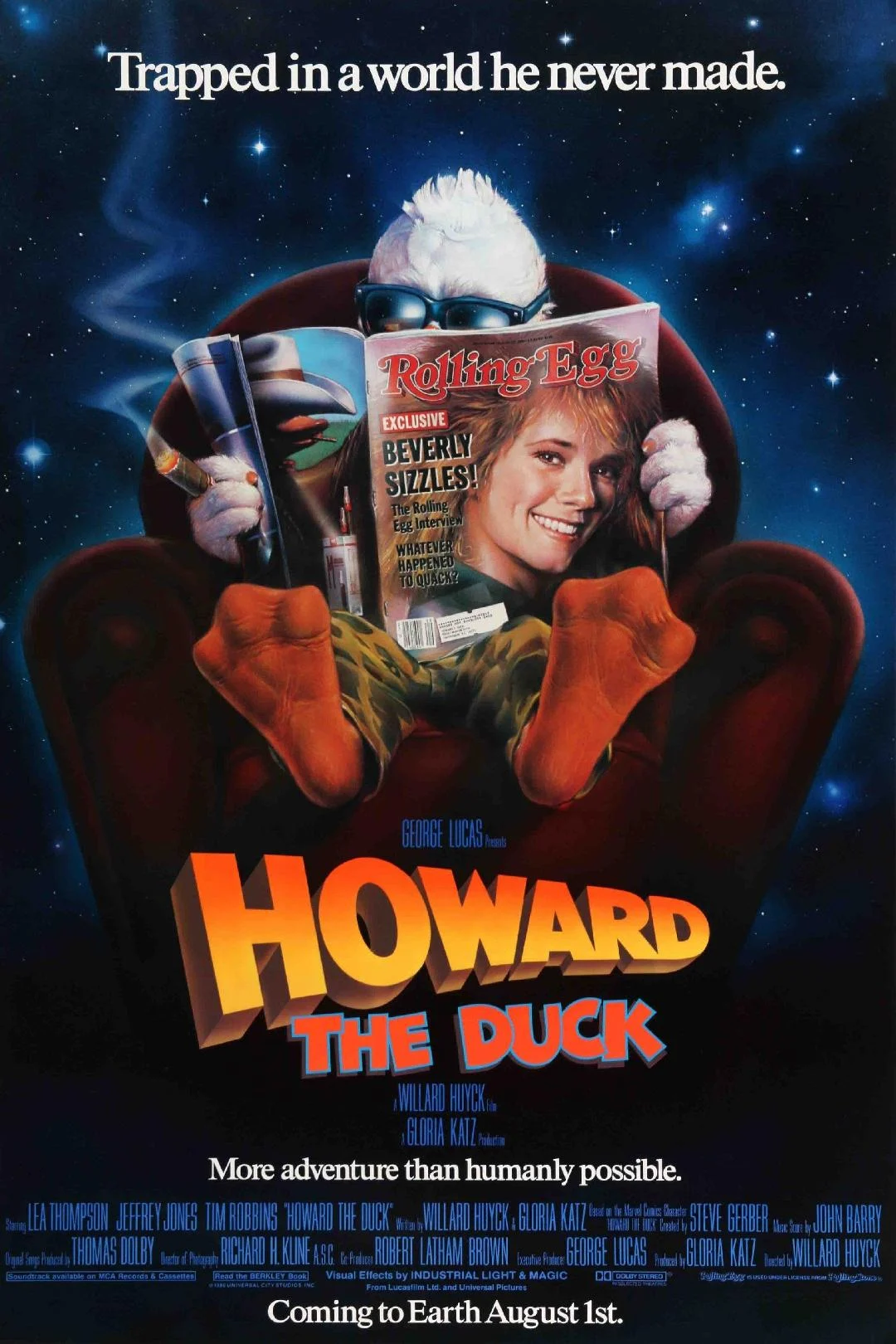
In a retrospective light, the infamous 1986 film Howard the Duck resurfaced in discussions, marking its 40th anniversary as a cinematic benchmark for failure, yet also as a curious piece of pop culture history.
Beyond the realm of fiction, Glasgow solidified its reputation as a versatile stand-in for major American cities, having recently served as New York City for Spider-Man: Brand New Day and preparing to double as Gotham City for The Batman sequel. And in a remarkable display of ecological resilience, a fish passage project at a hydroelectric dam in Maine unexpectedly led to the return of whales, highlighting the profound interconnectedness of ecosystems.
Royal Endorsements and Cinematic Controversies: A Deeper Dive
Queen Camilla’s Literary Tastes: A Royal Pronouncement
During a public engagement at a Mayfair bookshop on July 14, Queen Camilla made a revelation that sent ripples through the literary community: her strong dislike for science fiction. When asked about genres she doesn’t enjoy, Her Majesty reportedly stated, without hesitation, "I hate sci-fi," even pronouncing it "sky-fi." She elaborated, "That, I’m afraid, is not my favourite. I’m sure a lot of people love it, but, um… No science fiction. No, I can’t do that, you have to have some things you love and some things you really don’t love, and that really is one I don’t love.” This candid admission, widely reported by the Press Association, quickly became a talking point, sparking debates about the perceived divide between "highbrow" and "genre" fiction, even within royal circles.
The Queen’s frankness stands in stark contrast to her apparent appreciation for fantasy. Just days later, on July 17, The Guardian reported on a significant royal initiative: over 800,000 copies of Katherine Rundell’s acclaimed fantasy novel, Impossible Creatures, are slated to be distributed to UK children as "The Queen’s Christmas Present." This mass distribution underscores a powerful endorsement of fantasy literature, potentially shaping the reading habits and genre perceptions of a generation of young readers. The initiative highlights the significant influence a royal figure can wield in promoting certain types of literature, even while inadvertently expressing a clear preference away from others. While her aversion to sci-fi may not deter dedicated fans, it raises questions about the public image and perceived accessibility of the genre, especially when contrasted with the broad appeal and official backing of fantasy.
Marvel’s Shifting Landscape: The Scrutiny of Black-Led Projects
The past week brought unsettling news from Marvel Studios, prompting renewed scrutiny over its handling of Black-led projects. Both the highly anticipated Blade reboot and the critically lauded Disney+ series Wonder Man faced significant setbacks, casting a shadow over the studio’s commitment to diversity in its expansive cinematic universe.
The Blade reboot, intended to star Oscar winner Mahershala Ali, has been plagued by a tumultuous production history. After numerous director changes, script rewrites, and multiple delays, the film was ultimately pulled from the release calendar. In a recent GQ interview, Ali confirmed his departure, stating with professional pragmatism, “For whatever reason, that project is not for me. If they wanted to do it, we would’ve done it. So I have to move on, and I have moved on.” His words suggest a deep-seated frustration with a project that, despite his clear enthusiasm, never found its footing. This outcome is particularly disappointing given Ali’s star power and the cultural significance of the Blade character, a pioneering Black superhero in mainstream cinema.
Compounding this concern was the abrupt cancellation of Wonder Man. The series, which starred Yahya Abdul-Mateen II in the titular role, had been renewed for a second season just months prior. However, Variety reported that a writers’ room for the new season was never actually opened, and the writing staff, including co-creator Andrew Guest, were released to seek other work. This decision is perplexing given Wonder Man‘s notable credentials: its first season boasted an impressive 91% score on Rotten Tomatoes, and Abdul-Mateen II earned an Emmy nomination for Outstanding Lead Actor in a Comedy Series. The actor addressed the news on Instagram with grace and confidence, stating, “Word just dropped that Wonder Man won’t be coming back for Season 2. (And if you don’t knowww, now ya knoww!) That’s life, right? Everything will shake out… The show worked. And that’s my favorite thing about it… I’m glad we got to be a part of something cool. Thank you for watching… And uhh… See you at the EMMYS.”

These cancellations arrive at a critical juncture for Marvel, which has faced increasing pressure to diversify its storytelling and representation. The financial complexities of streaming services, coupled with a broader industry trend of re-evaluating production costs versus audience engagement, undoubtedly play a role. However, the optics of two high-profile Black-led projects being stalled or canceled raise legitimate questions about systemic issues within the studio and the wider industry. While these setbacks are concerning, it’s worth noting the simultaneous positive news: Ryan Coogler, director of the groundbreaking Black Panther films, announced that David Jonsson will be playing the role of T’Challa II in the forthcoming Black Panther 3. This development offers a glimmer of hope, suggesting that while some doors close, others may yet open for Black talent and narratives within the MCU. The implications for talent retention, fan trust, and the broader conversation about equitable representation in Hollywood remain significant.
Genre Evolution and Iconic Reimaginations
Ryan Gosling Ignites the MCU as Ghost Rider
The Marvel Cinematic Universe is poised for another seismic entry with reports confirming Ryan Gosling’s casting as the new Ghost Rider, under the direction of Shawn Levy, known for Deadpool & Wolverine. This news, emerging from San Diego Comic-Con, has been met with fervent anticipation, primarily due to Gosling’s reputation for elevating any project he touches. As Ben Child aptly noted in The Guardian’s "The Week in Geek," Gosling brings a "Midas touch" that could redefine a character often perceived as challenging to adapt.
Ghost Rider stands apart from the MCU’s more straightforward heroes like Iron Man, Spider-Man, or Thor, whose core identities are easily summarized. His origin story is far more convoluted: stunt motorcyclist Johnny Blaze sells his soul to Satan to save his adoptive father, only for the father to die shortly after. The subsequent binding of Blaze’s soul to the demon Zarathos results in a fiery skull, vast supernatural powers, and a dimension-hopping motorcycle. While this Faustian bargain should lead to damnation, Blaze instead becomes a vengeful spirit, punishing the wicked while maintaining a cool, leather-clad aesthetic. This inherent complexity makes Ghost Rider a difficult character to streamline for a mass audience, a hurdle previous cinematic attempts have struggled to clear.
What makes Gosling’s involvement particularly compelling is his deep-seated passion for the role. Reports suggest this wasn’t merely a high-profile paycheque; Gosling has reportedly wanted to play Ghost Rider for years and personally approached Marvel president Kevin Feige with his own distinct vision for the character, drawing inspiration from specific comic book runs. At this stage in his illustrious career—following acclaimed performances in Project Hail Mary, Barbie, and Blade Runner 2049—Gosling could ostensibly choose almost any role in the Marvel pantheon. His deliberate choice of the "infernal Evel Knievel whose face catches fire" signals a genuine artistic interest in the character’s darker, more complex mythology. This level of creative investment from a star of Gosling’s caliber could be the key to unlocking Ghost Rider’s full potential, offering a nuanced portrayal that delves into the character’s cursed existence and moral ambiguities, thereby reinventing a challenging hero for a new generation of MCU fans.
A Blast from the Past: The Enduring Legacy of ‘Howard the Duck’
Forty years ago, in 1986, George Lucas’s Howard the Duck film was unleashed upon an unsuspecting public, leaving a trail of critical derision and financial disappointment in its wake. Cat Eldridge, in a recent "Memory Lane" piece, revisits this notorious cinematic flop, offering a detailed retrospective on its origins, reception, and lasting impact.
The character of Howard the Duck, a cigar-smoking, anthropomorphic fowl, was hatched from the minds of writer Steve Gerber and artist Val Mayerik, making his comic debut 51 years ago. While the film was an adaptation of this cult Marvel Comics character, it arrived in a year brimming with genre masterpieces. 1986 saw the release of Aliens (which won the Hugo Award), Star Trek IV: The Voyage Home, Little Shop of Horrors, and Labyrinth, not to mention Big Trouble in Little China and The Fly. Against such formidable competition, Howard the Duck struggled to find an audience, let alone critical approval.
The film, co-written by producers Gloria Katz and director Willard Huyck (who also penned American Graffiti and Indiana Jones and the Temple of Doom with Lucas), was lambasted for its "juvenile" humor, "awful" performances, and a "cringingly bad" story. It currently holds a dismal 13% audience rating on Rotten Tomatoes, a stark indicator of its widespread rejection. Eldridge recounts that the film, with a production budget of at least $37 million, only recouped that amount at the box office, resulting in an estimated $18 million loss for Lucasfilm after distribution costs—a significant financial blow for Lucas, who co-produced the film.
One point of contention that Eldridge finds puzzling is the common criticism of Howard’s physical appearance. Given the technological limitations of translating a two-dimensional comic duck into a practical, live-action puppet in the mid-80s, Eldridge argues that the filmmakers did a commendable job. The character was brought to life by Jordan Prentice inside a custom puppet, with Chip Zien (known for Broadway’s Into the Woods) providing the voice. This contrasts sharply with today’s CGI capabilities, which would render a character like Rocket Raccoon or, indeed, a modern Howard the Duck, as an entirely digital being, thus avoiding the physical constraints and uncanny valley effect of a practical suit.
Despite its catastrophic initial reception, Howard the Duck has since gained a peculiar cult status, often cited as a prime example of a film that was "so bad it’s good" by some, or simply "among the worst films ever made" by others, including Eldridge himself. The character has, however, enjoyed a more successful second life through various MCU cameos (voiced by Seth Green in Guardians of the Galaxy and What If…? series) and animated appearances. While rumors of a sequel occasionally surface, the financial risks and Disney’s current strategic focus make such a prospect seem highly improbable. The film remains a fascinating, albeit painful, case study in the perils of adapting niche comic book properties and the ever-evolving landscape of special effects in cinema.
Global Stages and Literary Spotlights
Glasgow: The Unsung Hero of Hollywood’s Urban Landscapes
Glasgow, Scotland, is rapidly cementing its reputation as a preferred stand-in for major American metropolises in high-profile Hollywood productions. The city recently took on the role of New York City for Spider-Man: Brand New Day, where filming sequences featuring Tom Holland as Spider-Man brought parts of the city center to a halt and saw the Merchant City area transformed to resemble the Big Apple. This cinematic chameleon act is set to continue, with Glasgow expected to double as Gotham City for the much-anticipated sequel to The Batman.
Screen Scotland attributes Glasgow’s versatility to its distinctive architectural character, boasting Victorian architecture, wide avenues, and a practical grid layout. These features provide filmmakers with a ready-made backdrop that can convincingly mimic various US urban environments, offering a cost-effective and logistically appealing alternative to filming in actual American cities. The trend of major blockbusters utilizing Glasgow’s urban canvas has been growing for years, bringing significant economic benefits to the city through local employment, tourism, and infrastructure investment. This not only enhances Glasgow’s global profile as a film-friendly destination but also fosters a vibrant local film industry, attracting further investment and talent. The "Big Haggis" is increasingly becoming a key player on the global cinematic stage, proving that authenticity in film can sometimes be found thousands of miles from the actual setting.

Marisca Pichette: A Voice for the Marginalized in Speculative Fiction
The literary platform Shelfies, curated by Lavie Tidhar and Jared Shurin, recently shined its spotlight on Marisca Pichette, a rising star in the speculative and literary fiction landscape. Shelfies is renowned for offering "a unique peek each week into one of our contributors’ weird and wonderful bookshelves," and Pichette’s feature, Shelfies #99, provided an insightful glimpse into her creative world.
Pichette’s work is characterized by its ambitious exploration of diverse genres, encompassing speculative fiction, literary fiction, poetry, and essays. Her distinctive voice has earned her multiple prestigious nominations, including for the Bram Stoker, Pushcart, Best of the Net, Rhysling, Utopia, and Dwarf Stars awards, signaling her broad appeal and critical acclaim across different literary forms. Central to Pichette’s writing is an investigation into queerness and marginalized identity, themes she frequently weaves into narratives involving monsters and the liminal spaces "between fairy tale to horror." This thematic focus positions her at the forefront of contemporary speculative fiction, where authors are increasingly using genre conventions to explore complex social issues and diverse human experiences.
Her published works include the Bram Stoker and Elgin Award-nominated poetry collection, Rivers in Your Skin, Sirens in Your Hair, released by Android Press, and her debut novella, Every Dark Cloud, published by Ghost Orchid Press. Additionally, her short story "Her Finished Wings" features in The Elements of Dark Academia, further demonstrating her versatility and ability to contribute to popular and emerging subgenres. Through her prolific output and thematic depth, Marisca Pichette is not only contributing significantly to the speculative fiction landscape but also championing stories that resonate with marginalized communities, offering narratives that are both imaginative and deeply resonant.
Beyond the Fictional: Real-World Wonders and Urban Transformations
The Flatiron Building’s Luxurious Rebirth
New York City’s iconic Flatiron Building, a symbol of early 20th-century architectural innovation, is embarking on a new chapter, transforming from commercial space—including its former role housing Tor/Macmillan’s offices—into ultra-luxury residential apartments. This metamorphosis marks a significant shift for the Beaux-Arts landmark, which, completed in 1902, was initially met with derision, sometimes called a "folly," and even known for creating disruptive wind currents.
After nearly seven years hidden behind scaffolding for extensive renovations, the Flatiron Building is set to reopen its doors to an exclusive clientele later this fall. The residential conversion will feature 36 apartments, with prices soaring to an astonishing $58.5 million for the most opulent units, and even the "cheapest" apartment commanding just under $11 million. These extravagant residences will be complemented by a suite of high-end amenities, including a double-height lobby, a swimming pool, and a games room complete with a billiards table.
The repurposing of the Flatiron Building into residential units reflects a broader trend in urban development, where historic commercial structures are being adapted to meet the demands of an ever-expanding luxury housing market. While preserving the exterior grandeur of such landmarks, these transformations also raise questions about urban gentrification and the accessibility of city centers. The building, named for its distinctive resemblance to a clothes iron from above, remains one of New York’s most admired structures, and its new incarnation promises to continue its legacy as a unique and prominent feature of the city’s skyline, albeit for a very different demographic.
Maine’s Unexpected Ecological Triumph: The ‘Whalelift’ Phenomenon
In a remarkable story of ecological recovery, a fish passage restoration project at a hydroelectric dam in Maine has yielded an unexpected and awe-inspiring outcome: the return of whales to the St. Croix River. The project, initially conceived by engineers to facilitate the migration of fish around dams that had long obstructed their ancient routes, aimed to aid species such as American eel, American shad, and alewives in reaching their ancestral spawning grounds.
For many years, dams along the St. Croix River had severed the vital connections between rivers, lakes, and oceans, devastating migratory fish populations. The solution proposed was deceptively simple: improved passageways for fish. However, the story took an unforeseen turn. As the fish populations, particularly alewives, began to rebound and thrive, they created a robust food source that attracted larger marine predators. Suddenly, whales began appearing in the river, having seemingly learned the new, accessible route upstream.
These whale sightings dramatically transformed the public perception of the project. They underscored that the restoration’s impact extended far beyond merely helping fish navigate dams; it was catalyzing the recovery of an entire, complex food web. Alewives, in particular, play a crucial role as a "bridge species" between freshwater and marine ecosystems. Their resurgence provided a greater food base for numerous predators, including, astonishingly, whales. The presence of these majestic creatures became an iconic symbol for the comprehensive recovery of a long-damaged ecosystem, demonstrating that successful localized conservation efforts can have ripple effects reaching hundreds of miles through interconnected natural systems. This "whalelift" phenomenon stands as a powerful testament to nature’s resilience and the profound, sometimes unpredictable, positive outcomes of thoughtful environmental intervention.
Cultural Reflections: Aliens, UFOs, and the Human Imagination
BBC Radio 4’s cinematic arts show, Screenshot, recently del