Valve’s Second Act: The Steam Machine Returns to Redefine Living Room PC Gaming
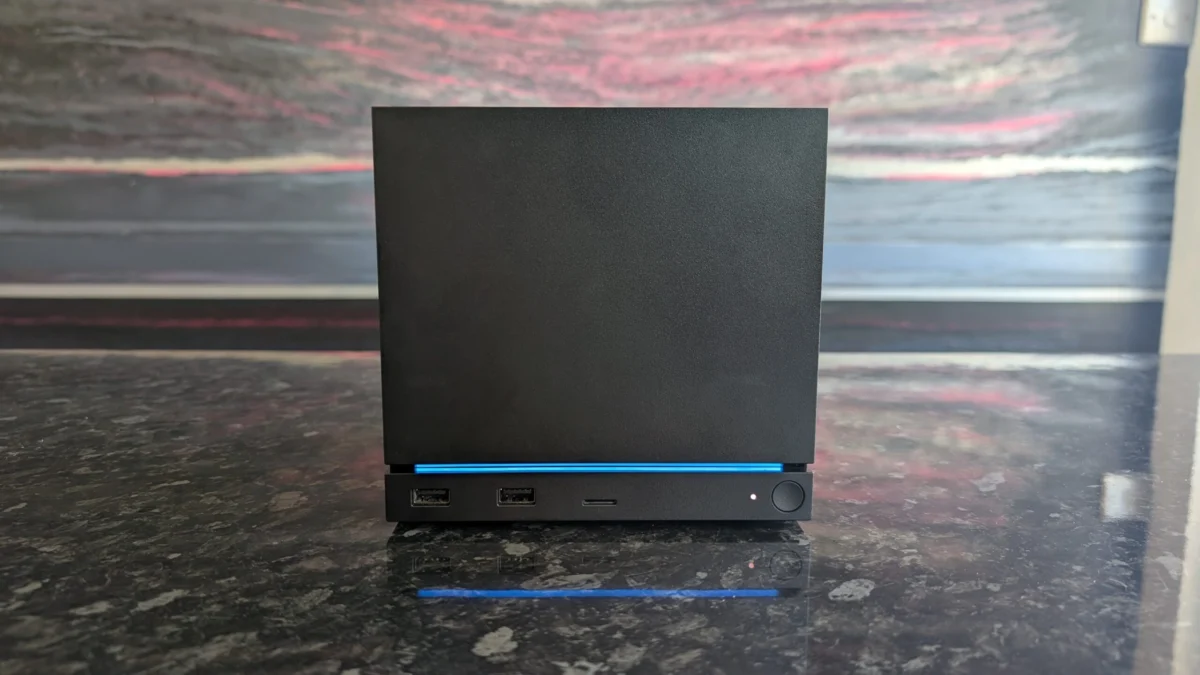
The long-standing wall between the high-performance world of PC gaming and the accessible, "lean-back" experience of the living room console has a new, cube-shaped crack in it. Valve, the architect of the world’s largest digital gaming storefront, has officially released its second-generation Steam Machine. After years of speculation following the massive success of the handheld Steam Deck, Valve’s return to the desktop hardware market arrives as a premium, ultra-compact powerhouse designed to sit under the television.
While the hardware represents a significant leap in engineering, the Steam Machine’s arrival is met with a complex reception. It promises the flexibility of a PC with the simplicity of a console, yet it faces steep competition from Sony and Microsoft’s mid-cycle refreshes and the ever-fluctuating pricing of the PC component market.
Main Facts: A Premium Cube for the Couch
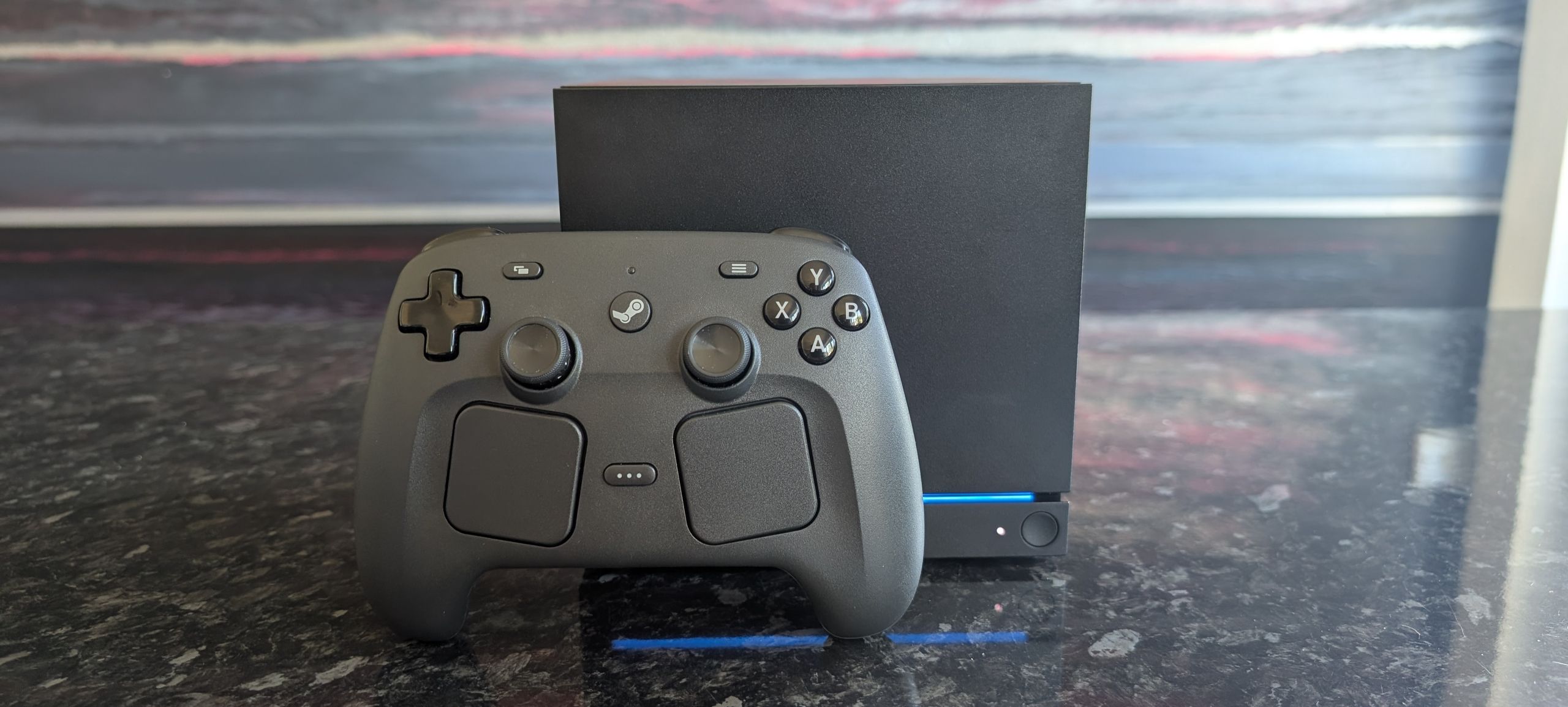
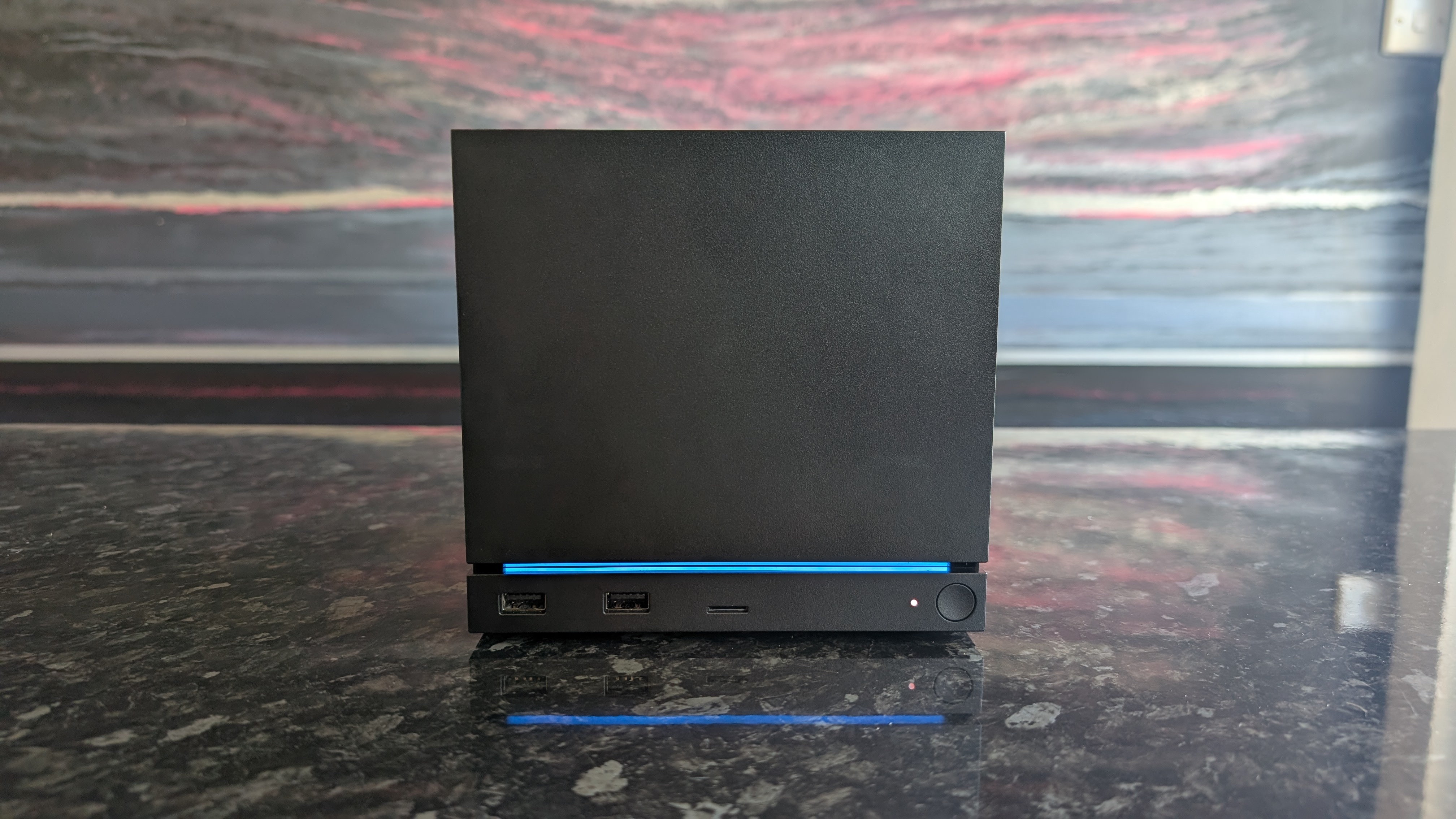
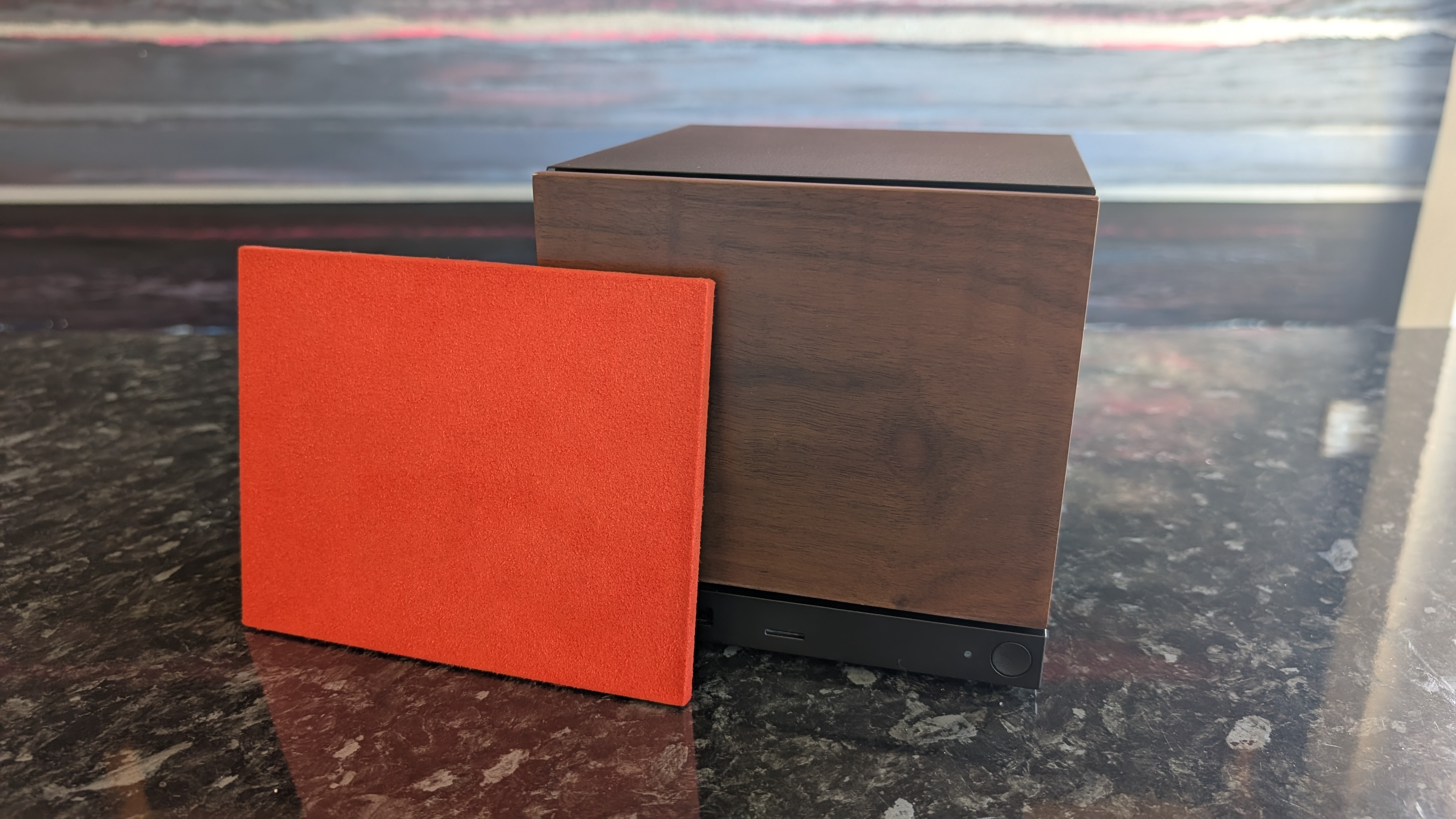
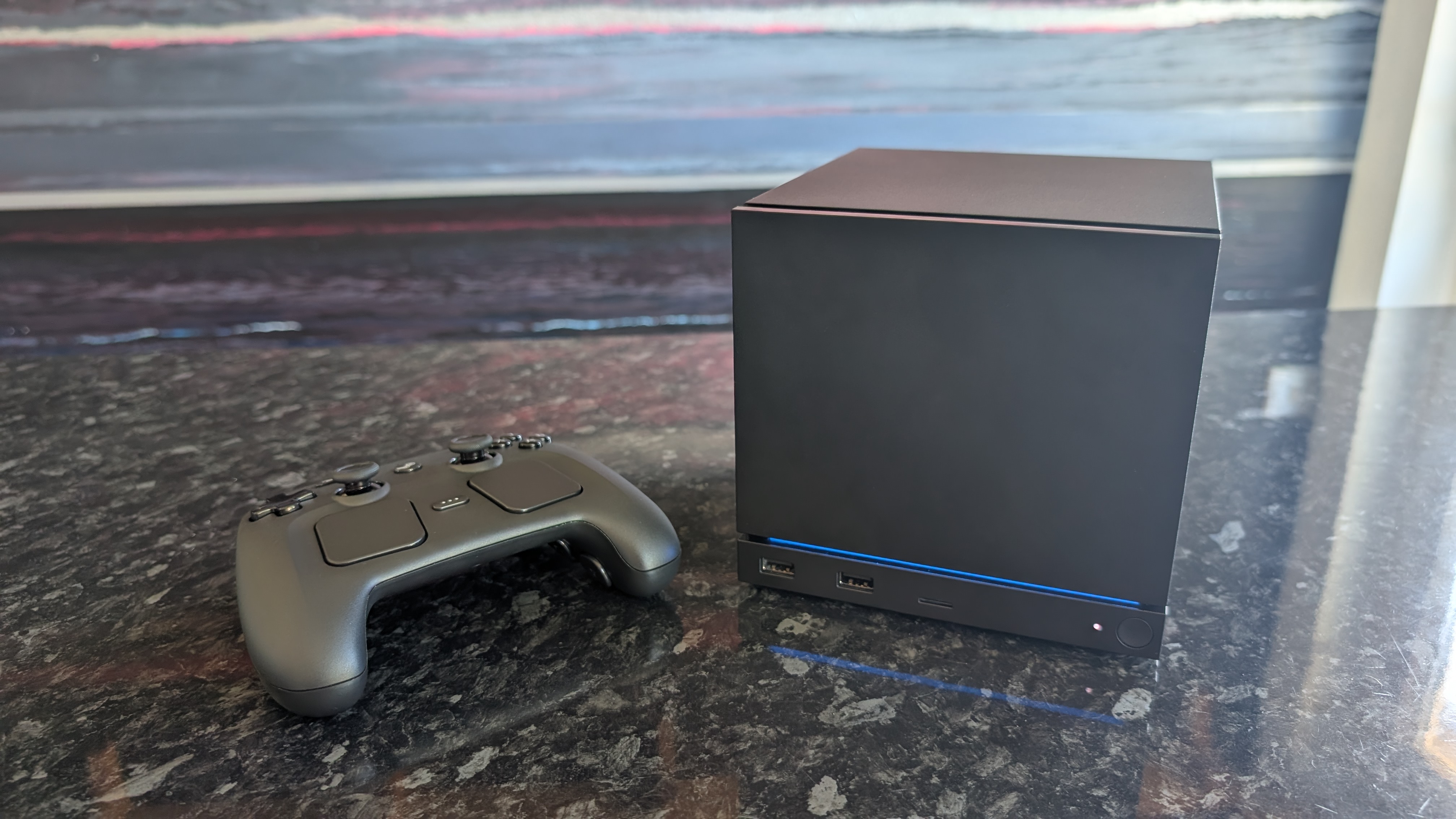
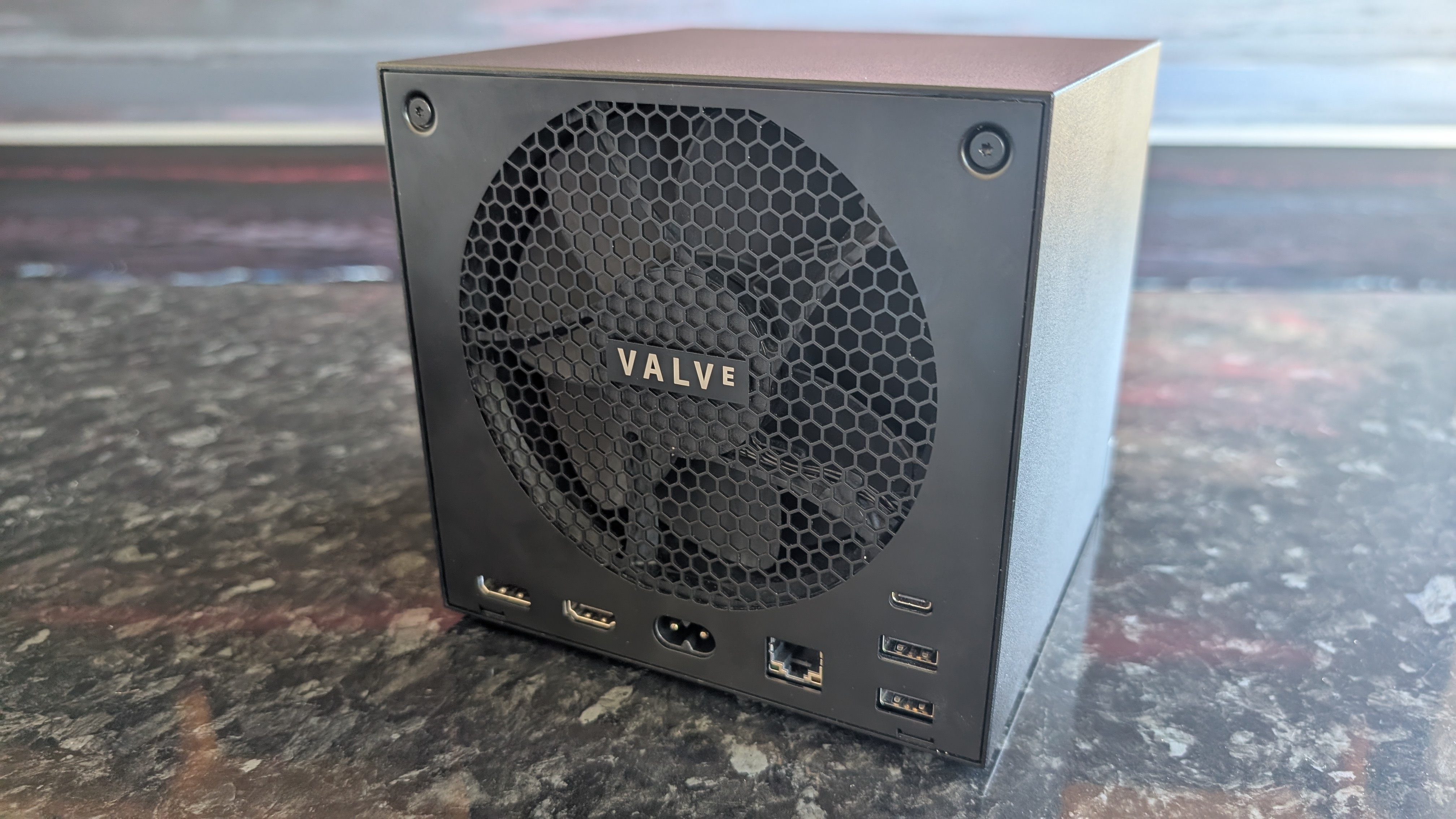
The new Valve Steam Machine is a study in minimalist industrial design—a matte black metal cube measuring roughly six inches on all sides. Despite its diminutive footprint, it houses a semi-custom AMD Zen 4 CPU and a discrete AMD RDNA 3 GPU, marking a significant departure from the integrated graphics found in most mini-PCs and handhelds.
Starting at $1,049 (£879 / AU$1,609) for the 512GB model, the Steam Machine is positioned as a high-end alternative to the PlayStation 5 Pro. It runs on the latest iteration of SteamOS, Valve’s Arch Linux-based operating system, providing a near-seamless interface for users who want to avoid the complexities of Windows 11. However, the premium price point and mixed 4K performance suggest that Valve is targeting a specific niche of enthusiasts rather than the mass-market console audience.
Key Specifications at a Glance:
- Processor: Semi-custom AMD Zen 4 (6 Cores / 12 Threads).
- Graphics: Semi-custom AMD RDNA 3 (28 Compute Units, 8GB GDDR6 VRAM).
- Memory: 16GB DDR5 RAM.
- Storage: 512GB or 2TB NVMe SSD options.
- Dimensions: 5.98 x 6.38 x 6.14 inches.
- Weight: 5.73 lbs (2.60 kg).
Chronology: From Failure to Handheld Hero to the Living Room
The journey of the Steam Machine is one of the most storied arcs in gaming history. To understand the current device, one must look back at Valve’s decade-long ambition to own the living room.
- 2013–2015: The Original Steam Machine Initiative. Valve first attempted to bring PC gaming to the TV by partnering with third-party manufacturers like Alienware and Zotac. The project was hampered by a lack of hardware standardization, a nascent version of SteamOS with poor game compatibility, and the high cost of entry. The project was eventually shelved.
- 2022: The Steam Deck Revolution. Valve shifted focus to first-party hardware with the Steam Deck. By controlling the hardware and software stack, they proved that a Linux-based gaming PC could be accessible and popular. The Steam Deck’s success laid the software foundation (SteamOS 3.0) for a renewed desktop effort.
- 2024–2025: Rumors and Storefront Shifts. Early in 2025, eagle-eyed users noticed Valve updating SteamOS to version 3.8, which included specific drivers for desktop-class AMD hardware. Simultaneously, Valve adjusted the marketing language on its hardware landing pages, shifting from "4K 60FPS" promises to "4K with FSR," signaling the imminent arrival of a new desktop machine.
- Current Release: The new Steam Machine launches to immediate sell-outs, driven by the brand loyalty fostered by the Steam Deck, despite the controversial pricing.
Supporting Data: Benchmarking the "Console Killer"
In performance testing, the Steam Machine reveals its true identity: a 1080p beast that begins to show its limitations as resolutions climb.
1080p: The Sweet Spot
At standard High-Definition (1080p), the Steam Machine excels. In Cyberpunk 2077, the system maintained a solid 71fps on Ultra settings. In Civilization VII, it pushed 107fps. For the vast majority of "viral" indie titles and competitive e-sports games, the Steam Machine provides a level of fluid performance that surpasses standard consoles.
1440p and 4K: The Upward Struggle
As testing moved to 1440p, the RDNA 3 GPU remained capable but required compromises. Total War: Warhammer III dropped to 45fps on Ultra settings at 1440p, though it could be stabilized to 63fps by moving to Medium presets.
The 4K results, however, highlight the device’s limitations. Without the aid of AMD’s FidelityFX Super Resolution (FSR), modern Triple-A titles struggle to hit a playable 30fps. Cyberpunk 2077 at 4K Ultra settings yielded an unplayable 17fps. Even with FSR set to "Balanced," the experience was marred by visual artifacts and inconsistent frame pacing. Only older titles, such as the eight-year-old Shadow of the Tomb Raider, managed to break the 60fps barrier at 4K, and even then, only with significant graphical reductions.
Thermal and Acoustic Efficiency
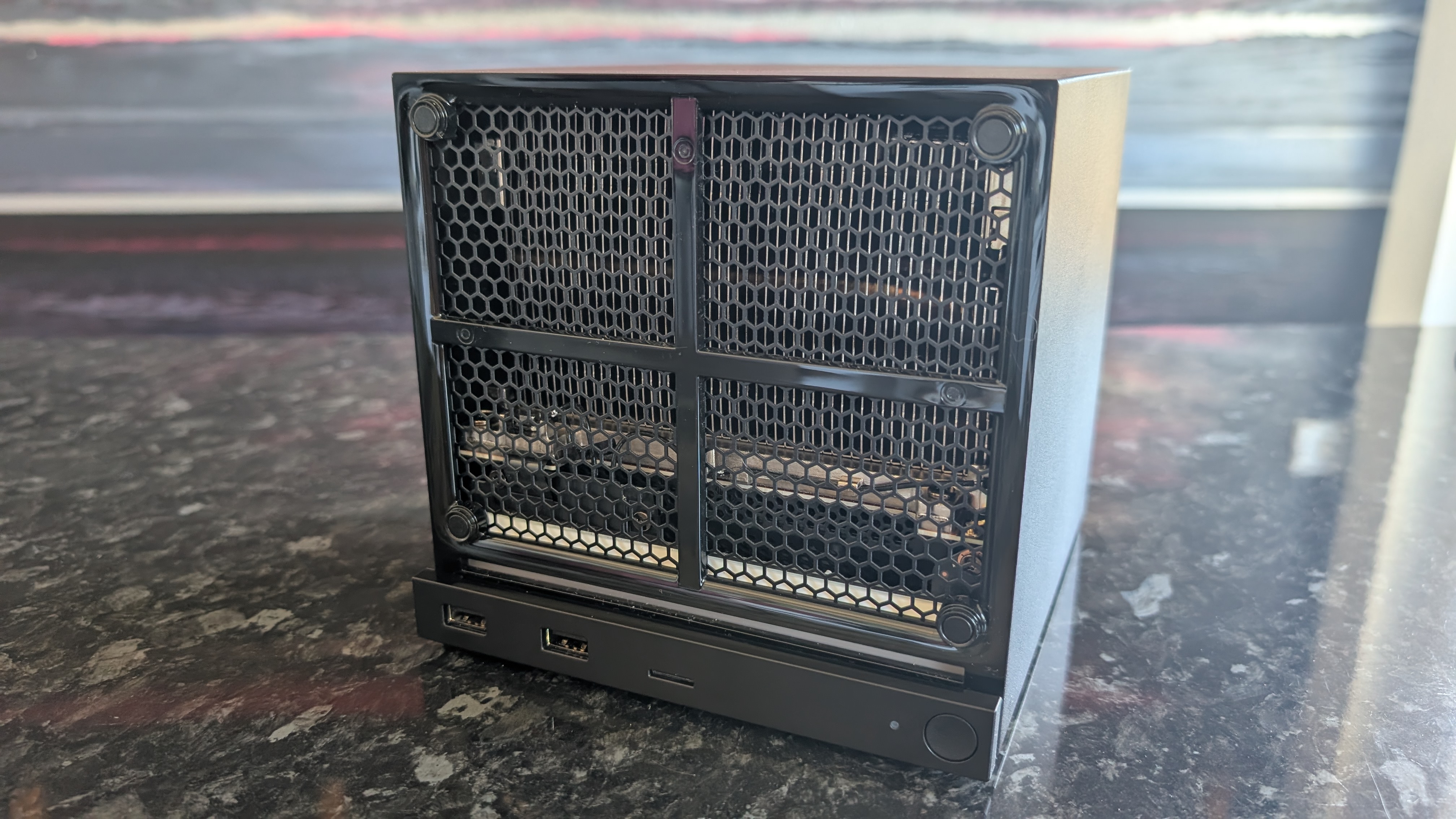
Perhaps the most impressive data point is the machine’s thermal management. Despite its compact cube design, the single large upright fan remains "whisper-quiet" even under heavy load. The internal power supply—an engineering feat in a chassis this small—does not contribute significantly to heat soak, with the exterior casing remaining only "slightly warm" during extended gaming sessions.
Official Positioning and Market Realities
Valve’s official messaging has emphasized the "openness" of the platform. Unlike the walled gardens of Sony and Microsoft, the Steam Machine allows users to enter a "Desktop Mode" to install Linux applications or even wipe the drive and install Windows 11.
However, the "official" price has been the primary point of contention. Industry analysts point to the ongoing global RAM and NAND flash crisis as a major factor in the Steam Machine’s $1,049 starting price. When compared to the PS5 Pro—which itself was criticized for its $699 price tag—the Steam Machine appears to be a tough sell for the average consumer.
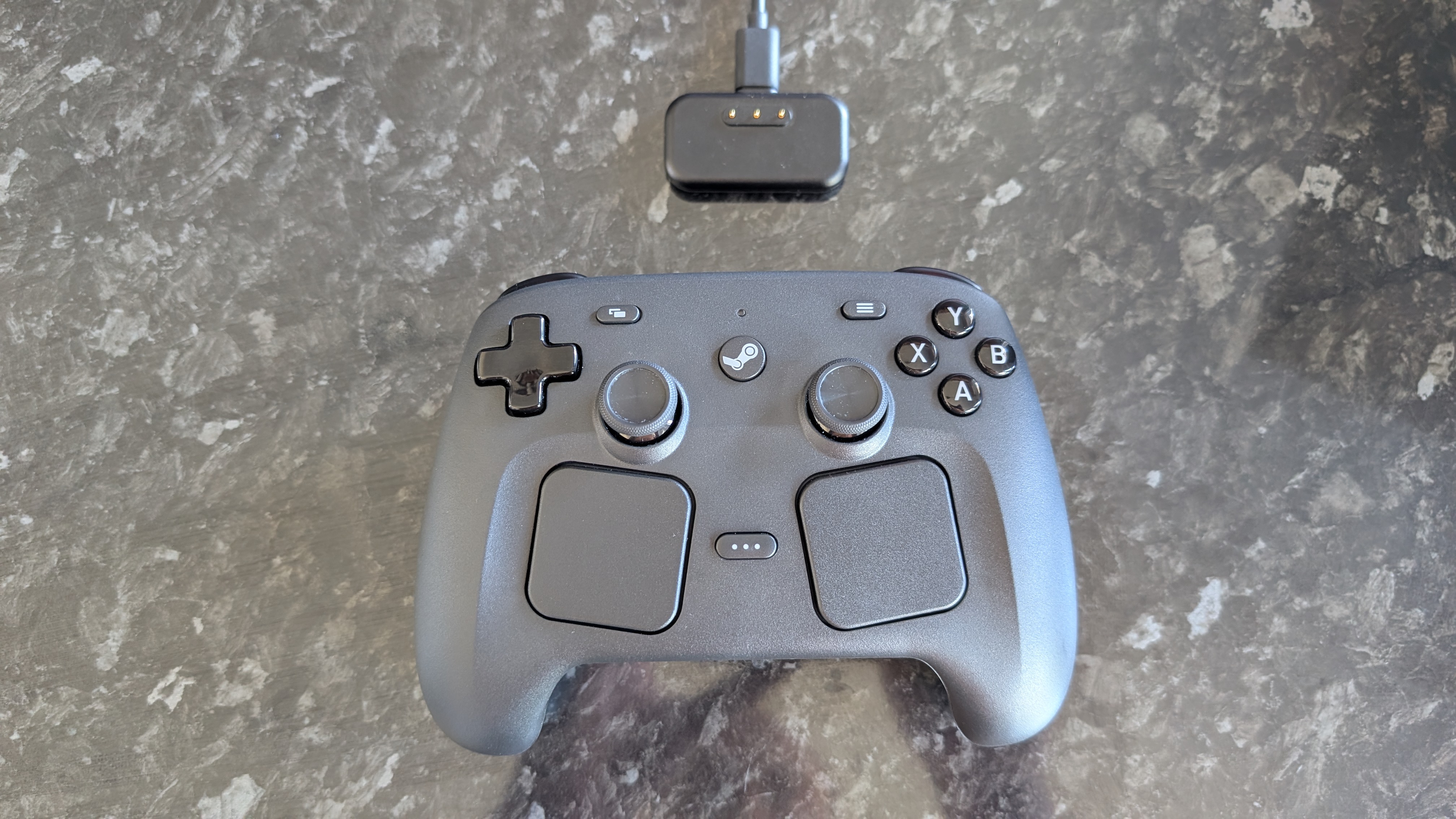
Valve’s response to the pricing concerns has been subtle, primarily through the bundling of the new Steam Controller. By offering the $99 controller for a discounted $79 when purchased with the Machine, Valve is attempting to soften the blow for those looking for a complete out-of-the-box experience. Notably, the Steam Machine does not include a controller as standard, a move that reinforces its identity as a PC rather than a traditional console.
Implications: A New Tier of Gaming Hardware?
The release of the Steam Machine carries several long-term implications for the gaming industry and the hardware market.
1. The Consolidation of SteamOS
The Steam Machine proves that SteamOS is ready for the desktop. Its ability to handle complex game installs, system updates, and peripheral management without a mouse and keyboard (mostly) marks a turning point for Linux gaming. If Valve continues to license SteamOS to other manufacturers, we could see a third ecosystem emerge to rival Windows and traditional consoles.
2. The "Niche-ification" of Living Room PCs
At over $1,000, the Steam Machine is not a PlayStation replacement; it is a "secondary" device for the affluent PC gamer or a "primary" device for the console refugee who is tired of restrictive digital policies. It carves out a niche for "Boutique Small Form Factor (SFF)" PCs that was previously only occupied by expensive custom builds or high-end NUCs (Next Unit of Computing) like the Asus ROG NUC.
3. The Optimization Gap
The Steam Machine highlights the "Optimization Gap." While the hardware inside the Steam Machine is technically superior to the PS5, the console often delivers a smoother 4K experience because developers optimize specifically for Sony’s fixed hardware. As long as the Steam Machine is treated as "just another PC configuration," it will struggle to punch at its weight class in terms of raw resolution.
4. Hardware Longevity and Upgradability
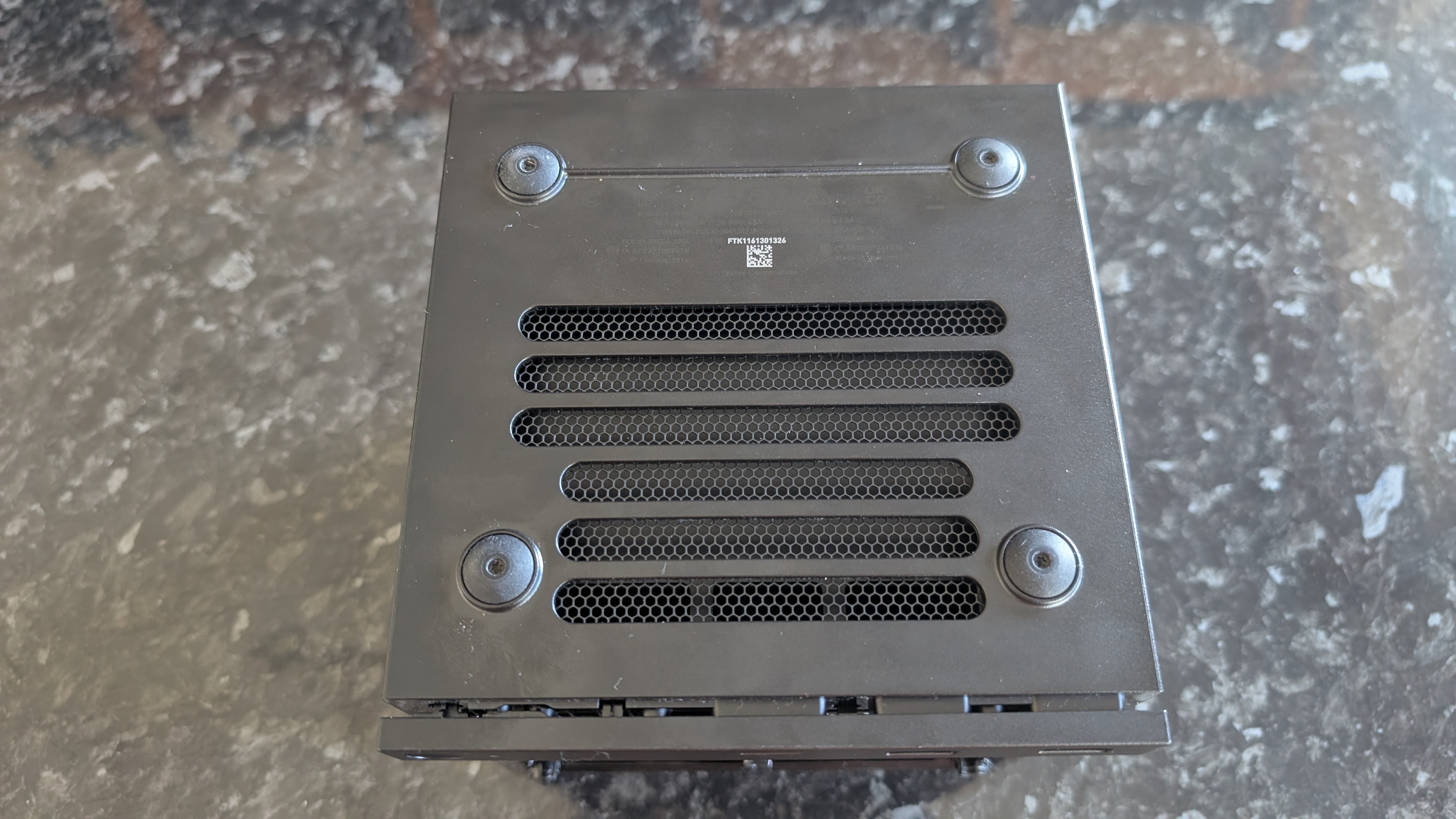
Unlike a console, the Steam Machine offers a degree of "laptop-style" upgradability. Users can swap the M.2 NVMe SSD and the DDR5 RAM. In a world of planned obsolescence, the ability to double one’s storage or memory five years down the line gives the Steam Machine a potential lifespan that outlasts a typical console generation.
Conclusion: A Lovingly Crafted, Pricey Alternative
The Valve Steam Machine is a triumph of design and a testament to how far SteamOS has come. It is arguably the most beautiful and quiet gaming PC ever produced at this size. However, its arrival is overshadowed by a price-to-performance ratio that makes it a luxury item rather than a populist tool.
For the gamer who wants the vast library of Steam, the freedom of an open OS, and a device that looks like a piece of high-end audio equipment, the Steam Machine is an easy recommendation. For the gamer looking for the most "bang for their buck" at 4K, the traditional console or a self-built mid-tower PC remains the smarter financial play. Valve has successfully brought the PC to the living room; now, it remains to be seen if the living room can afford to let it stay.