Replicant Rebellion: Free League Publishing Unveils Revolutionary Expansion for Blade Runner RPG
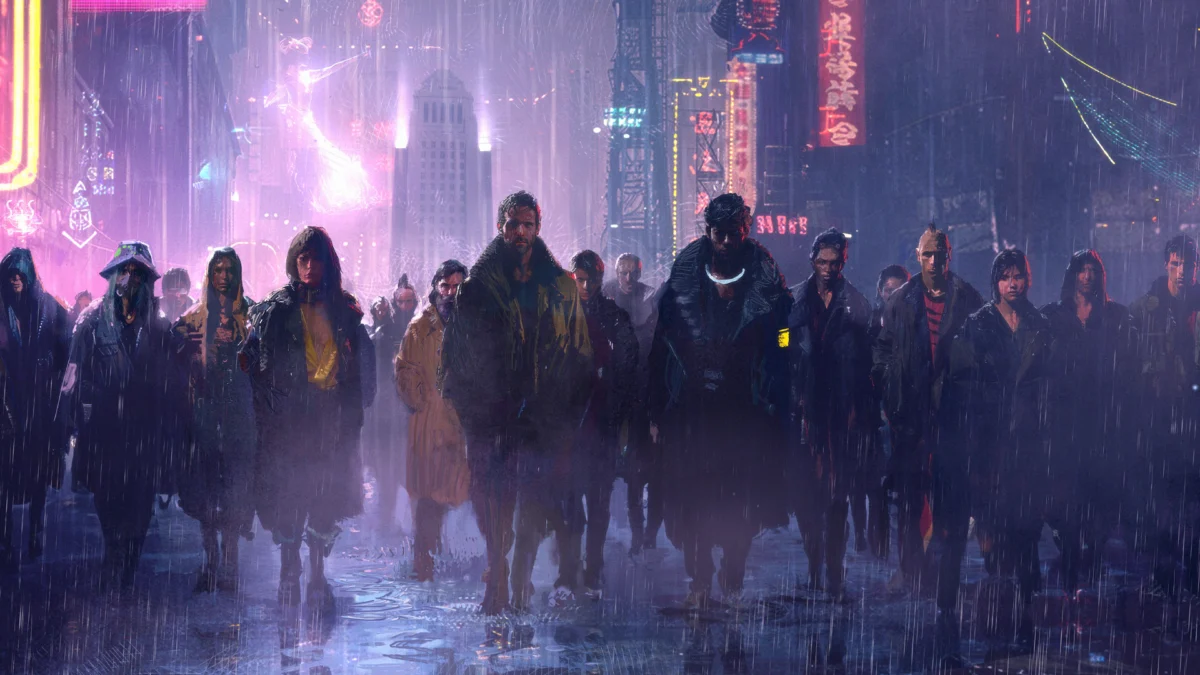
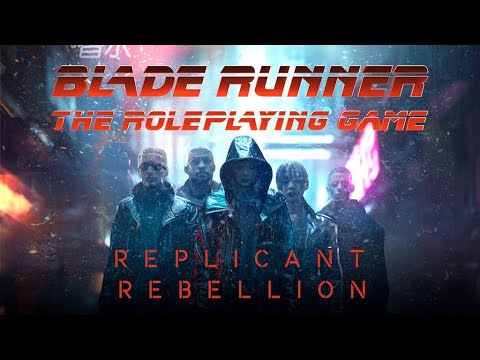
Los Angeles, CA – Free League Publishing, a renowned name in the tabletop roleplaying game (TTRPG) industry, has announced a groundbreaking expansion for its critically acclaimed Blade Runner: The Roleplaying Game. Titled Replicant Rebellion, this new module dramatically shifts the narrative focus, inviting players to abandon their roles as Blade Runners and instead join the burgeoning Replicant Underground. This pivotal change promises to plunge players into a world of high-stakes espionage, moral ambiguity, and the fight for artificial life, offering a fresh perspective on the iconic cyberpunk universe.
The announcement comes with a poignant nod to the franchise’s lore, evoking the haunting sentiment of identity and purpose: "You look like a good Joe," a line that resonates deeply with the core themes of the Blade Runner saga. Replicant Rebellion is poised to redefine the player experience, transitioning from enforcing the established order to actively dismantling it, a move that is sure to excite long-time fans and attract new players seeking a more subversive narrative.
Main Facts: A New Dawn for Synthetic Lives
Introduction: The Call to Arms
Replicant Rebellion is not merely an addition; it’s a paradigm shift for Blade Runner: The Roleplaying Game. Published by Free League Publishing, the expansion provides a stark contrast to the core game’s premise. Players, who typically assume the roles of LAPD Blade Runners tasked with hunting down rogue Replicants, will now find themselves on the other side of the law. This pivotal change allows for an exploration of the Blade Runner universe from the perspective of the hunted, the oppressed, and those fighting for their very existence. The expansion promises to deliver a rich narrative experience, forcing players to grapple with complex moral choices and navigate the treacherous landscape of a society built on the exploitation of synthetic beings. It’s an invitation to step beyond the badge and into the shadows, where the lines between hero and villain blur amidst the neon-drenched dystopia of Los Angeles.
Core Gameplay Shift: From Hunter to Hunted
The essence of Replicant Rebellion lies in its revolutionary gameplay shift. Instead of upholding the draconian laws governing Replicant existence, players are now recruited into the Replicant Underground. This clandestine organization is dedicated to the freedom and liberation of all Replicants, regardless of the cost. This transformation fundamentally alters the player’s objectives, challenges, and moral compass. Missions will no longer involve tracking down and "retiring" rogue Replicants but rather orchestrating their escape, sabotaging corporate interests, and exposing the systemic injustices perpetrated against them. Players will lead their own independent crews, undertaking a variety of dangerous assignments. These could range from planting explosives to disrupt Replicant production facilities, to infiltrating corporate strongholds to extract vital data, or even rooting out moles within their own ranks. The expansion emphasizes player agency within a morally grey world, forcing individuals to balance their personal ethics with the often-extreme demands of a revolutionary movement. The emotional weight of these decisions, coupled with the constant threat of discovery by fellow Blade Runners, promises an intense and unforgettable experience.
Publisher Details: Free League’s Proven Track Record
Blade Runner: The Roleplaying Game and its upcoming expansion, Replicant Rebellion, are products of Free League Publishing, a company renowned for its high-quality, narrative-driven tabletop RPGs. Free League has established itself as a leader in the industry, consistently delivering immersive experiences based on beloved intellectual properties and original settings alike. Their portfolio boasts other highly successful licensed TRPGs, most notably the Alien Roleplaying Game, which garnered critical acclaim for its faithful adaptation of the sci-fi horror franchise’s atmosphere and themes. This history of excellence suggests that Replicant Rebellion will be handled with the same meticulous attention to detail, deep thematic understanding, and robust mechanical design that fans have come to expect. Free League’s commitment to storytelling and evocative artwork ensures that the Blade Runner universe is not just replicated but expanded upon in meaningful ways, providing players with authentic and engaging opportunities to shape its future. Their expertise in translating complex cinematic worlds into interactive game systems makes them the ideal custodians for the Blade Runner legacy in the TTRPG space.
Availability and Funding: Kickstarter Launch
The anticipation for Replicant Rebellion is set to culminate with a crowdfunding campaign launching on Kickstarter. Scheduled for May 28th, this campaign will offer fans and prospective players the opportunity to directly support the expansion’s development and secure their copies, along with potential exclusive backer rewards. Kickstarter has become a vital platform for TTRPG publishers, allowing them to gauge community interest, secure necessary funding, and foster a direct relationship with their audience. For Free League Publishing, leveraging Kickstarter for Replicant Rebellion not only ensures financial viability but also builds hype and allows the community to feel invested in the project from its early stages. Backers can typically expect various pledge tiers, offering digital versions, physical copies, and deluxe editions, potentially alongside unique accessories or stretch goals that unlock additional content or enhancements for the game. This direct funding model enables Free League to maintain creative control and deliver a product that closely aligns with the vision of the Blade Runner universe and the expectations of its dedicated fanbase.
Chronology: The Evolution of a Dystopian Vision
Origins of Blade Runner TTRPG: Translating a Cinematic Icon
The journey of Blade Runner: The Roleplaying Game began with the ambitious goal of translating one of cinema’s most revered science fiction properties into an interactive tabletop experience. Free League Publishing successfully launched the core game, which quickly garnered praise for its evocative atmosphere, compelling narrative hooks, and innovative game mechanics. Set in the grim, rain-soaked streets of Los Angeles 2037, the game strategically places itself in the timeline between the original 1982 film and its 2049 sequel, offering a rich, unexplored period for storytelling. This temporal setting allows for fresh narratives while maintaining strong ties to the established lore, exploring the growing tensions between humans and Replicants in a world still reeling from past rebellions and anticipating future conflicts. The base game focuses on the daily grind of a Blade Runner, investigating cases, tracking down rogue Replicants, and confronting the ethical dilemmas inherent in their profession. Its release was met with enthusiasm from both TTRPG veterans and Blade Runner aficionados, solidifying Free League’s reputation for handling beloved IPs with exceptional care and creativity. The success of the core game laid a robust foundation for future expansions, setting the stage for more complex narratives and deeper explorations of the universe’s philosophical core.
Evolution of the Franchise: From Novel to Cinematic Legacy
The Blade Runner universe itself boasts a profound and complex history, originating from Philip K. Dick’s seminal 1968 novel, Do Androids Dream of Electric Sheep?. Dick’s work masterfully explored themes of humanity, empathy, and what it truly means to be alive, questions that would become the bedrock of the franchise. Ridley Scott’s 1982 film Blade Runner brought this dystopian vision to life, starring Harrison Ford as Deckard, a Blade Runner tasked with "retiring" Nexus-6 Replicants. The film’s neo-noir aesthetic, philosophical depth, and groundbreaking visual effects cemented its status as a science fiction masterpiece, influencing countless works across various media. Decades later, Denis Villeneuve’s 2017 sequel, Blade Runner 2049, starring Ryan Gosling as K, expanded the narrative, delving further into the mysteries of Replicant reproduction and the fragile hope for a new future. Both films vividly portray a grim near-future dominated by powerful corporations, environmental decay, and the exploitation of sentient artificial beings. The franchise consistently challenges its audience to question the nature of identity, consciousness, and the ethical boundaries of creation, making it a fertile ground for a roleplaying game that allows players to actively engage with these profound themes. The ongoing resonance of these stories highlights the timeless relevance of the Blade Runner universe and its continued capacity to inspire new creative endeavors.
Setting the Stage for Rebellion: The Interstitial Years
The strategic placement of Blade Runner: The Roleplaying Game within the chronological gap between Blade Runner (1982) and Blade Runner 2049 (2049) is crucial. This period, roughly 2037 onwards, is ripe with narrative potential, allowing the TTRPG to explore the escalating tensions and nascent resistance movements that would eventually lead to the events hinted at in Blade Runner 2049. In the original film, the Nexus-6 Replicants sought a longer lifespan and freedom, their rebellion brutally suppressed. However, the seeds of defiance were sown. The base TTRPG allowed players to experience the enforcement side of this fragile peace. Replicant Rebellion naturally progresses this narrative, moving beyond individual rogue Replicants to organized resistance. It posits a scenario where the Replicant Underground, a concept hinted at in Blade Runner 2049, begins to coalesce and gather strength, driven by the desire for true liberation rather than mere survival. This interstitial setting provides a perfect backdrop for players to witness, and participate in, the birth of a revolutionary movement, exploring the societal pressures and technological advancements that would necessitate such a radical shift. It allows players to be active agents in shaping the history that leads to the future depicted in Blade Runner 2049, lending significant weight and consequence to their in-game actions.
Supporting Data: Deepening the Dystopia
Thematic Deep Dive: Freedom, Identity, and Oppression
Replicant Rebellion promises to delve even deeper into the profound thematic core of the Blade Runner franchise. At its heart, the expansion explores the fundamental questions of freedom versus oppression, and the search for identity in a world that denies one’s very right to exist. By shifting player allegiance to the Replicant Underground, the game compels participants to confront the dehumanizing aspects of their original roles as Blade Runners. It forces a critical examination of the societal structures that create and exploit Replicants, transforming them into mere tools or commodities. Players will grapple with the ethics of radical action, the blurred lines between terrorism and liberation, and the personal cost of fighting for a cause deemed illegal and dangerous by the dominant power structure. The expansion provides a powerful platform to explore the concept of "soul" or "humanity" in artificial beings, pushing players to empathize with the Replicants’ plight and question the very definition of life. This thematic richness is what elevates Blade Runner beyond simple sci-fi, and Replicant Rebellion seems poised to amplify these philosophical quandaries, making every decision weighty and every mission a moral tightrope walk.
Mechanics and Gameplay Elements: Crafting the Revolution
While specific mechanics for Replicant Rebellion are yet to be fully detailed, the premise strongly suggests several innovative gameplay elements designed to support the theme of clandestine rebellion. Players will likely engage in a delicate balance of stealth, social engineering, and direct action. New character archetypes might emerge, such as the "Infiltrator" skilled in corporate espionage, the "Propagandist" adept at swaying public opinion (or at least, covertly spreading dissent), or the "Saboteur" focused on disrupting infrastructure. The game could introduce new systems for managing the Replicant Underground’s resources, network of contacts, and reputation, both within the resistance and with external factions like the LAPD or corporate security. Moral dilemma mechanics are almost a certainty, perhaps involving a "humanity" or "resolve" track that shifts based on difficult choices, reflecting the psychological toll of revolutionary actions. Missions will likely involve multi-stage objectives, requiring careful planning, improvisation, and the ability to adapt to unexpected complications. Furthermore, the expansion might introduce a robust "cover" system, where players must maintain plausible deniability to avoid suspicion, adding another layer of tension and strategic depth. The very act of being a Replicant in this setting, or a human sympathizer, could come with unique benefits and drawbacks, influencing how they interact with the world and its inhabitants.
Cyberpunk Context: Aesthetic and Thematic Consistency
The Blade Runner franchise is a quintessential example of cyberpunk, and Replicant Rebellion reinforces this genre identity with its focus on anti-establishment themes. Cyberpunk, as a genre, often critiques corporate greed, technological overreach, and societal stratification, all of which are central to the Blade Runner universe. The expansion’s emphasis on a grassroots resistance movement fighting against an omnipresent, oppressive corporate-government complex aligns perfectly with cyberpunk’s anti-authoritarian spirit. Players will operate in the shadows of a technologically advanced yet morally bankrupt society, navigating the sprawling, neon-lit megacity of Los Angeles, where advanced tech coexists with pervasive poverty and desperation. The aesthetics of the game will undoubtedly continue to reflect this, with gritty illustrations and atmospheric descriptions painting a picture of a world both dazzling and decaying. Replicant Rebellion utilizes the genre’s tropes—high-tech low-life, artificial intelligence, corporate dystopia—to create a compelling narrative about the struggle for freedom in an age where humanity itself is redefined by its creations. By embodying the resistance, players will directly engage with the core questions of power, control, and the search for identity that define cyberpunk.
Official Responses and Industry Context: A Growing Legacy
Free League’s Vision: Expanding the Narrative Horizon
Free League Publishing’s decision to develop Replicant Rebellion signals a clear vision for Blade Runner: The Roleplaying Game—one that extends beyond merely replicating the films’ narrative beats. Their strategy appears to be to leverage the rich lore of the Blade Runner universe to explore new perspectives and push the boundaries of established storylines. This expansion indicates a commitment to allowing players to engage with the world’s core conflicts in novel and profound ways, rather than confining them to predefined roles. Free League has consistently demonstrated a dedication to high-quality production, ensuring that their licensed properties not only resonate with existing fans but also offer compelling entry points for newcomers. For Blade Runner, this means creating a dynamic game world where players’ choices have genuine impact on the unfolding narrative, contributing to the broader story of the Replicant struggle. By offering an alternative viewpoint—that of the rebel—Free League is enriching the narrative tapestry of the game, allowing for a deeper exploration of the ethical dilemmas and societal injustices that underpin the entire franchise. This approach ensures the game line remains fresh, relevant, and engaging for years to come, solidifying its place as a definitive interactive experience within the Blade Runner canon.
Reception of the Base Game: A Foundation of Success
The strong foundation for Replicant Rebellion was meticulously laid by the critical and commercial success of the base Blade Runner: The Roleplaying Game. Upon its release, the core game was lauded by critics and players alike for its immersive atmosphere, faithful adaptation of the source material, and innovative game mechanics. Reviewers praised its ability to capture the neo-noir aesthetic and philosophical depth of the films, while offering a robust system for storytelling and character development. The game’s unique approach to investigations, stress management, and moral choices provided a refreshing experience within the TTRPG landscape. Its success demonstrated a significant demand for a high-quality Blade Runner TTRPG, validating Free League’s investment in the intellectual property. This positive reception not only established the game’s credibility but also fostered a dedicated community of players eager for new content. The base game’s proven track record of delivering compelling narratives and engaging gameplay provides a strong indicator that Replicant Rebellion will continue this tradition of excellence, building upon a solid foundation to offer an even more daring and impactful experience.
The TTRPG Market: A Boom in Licensed Properties
The launch of Replicant Rebellion comes at a vibrant time for the tabletop roleplaying game market, which has seen explosive growth in recent years. A significant trend within this expansion is the increasing popularity of licensed intellectual properties. From Star Wars and Warhammer 40,000 to Alien and now Blade Runner, TTRPGs based on beloved franchises offer fans a unique opportunity to immerse themselves directly into the worlds they admire. These games benefit from pre-existing lore, established fanbases, and a rich source of thematic material, which often translates into engaging and authentic gaming experiences. Crowdfunding platforms like Kickstarter have played a crucial role in this boom, enabling publishers to bypass traditional funding models and connect directly with their audience. This direct engagement fosters a sense of community and investment, allowing smaller studios and ambitious projects to thrive. Free League Publishing has masterfully navigated this landscape, consistently delivering high-quality licensed TTRPGs that resonate with both casual players and dedicated fans. Replicant Rebellion is poised to capitalize on these trends, further solidifying Free League’s position as a leading innovator in the licensed TTRPG space and offering a compelling new chapter for the Blade Runner legacy.
Implications: Reshaping the Future of Blade Runner RPG
Impact on Player Experience: From Enforcer to Revolutionary
The most significant implication of Replicant Rebellion is its transformative impact on the player experience. By shifting allegiance from the LAPD Blade Runners to the Replicant Underground, players are no longer upholding the status quo but actively challenging it. This fundamental change forces a complete re-evaluation of the game’s world, its characters, and the players’ own moral frameworks. The familiar streets of Los Angeles will now be viewed through the eyes of the oppressed, turning once-safe havens into potential traps, and familiar authority figures into dangerous adversaries. Players will move from being agents of control to agents of change, grappling with the complexities of insurgency, the ethics of sabotage, and the constant threat of betrayal. This inversion of roles promises a deeper, more emotionally resonant engagement with the core themes of the Blade Runner universe, pushing players to confront the very definition of justice, freedom, and identity from a radical new perspective. It’s a chance to truly become part of the rebellion, to shape the future of Replicant kind, and to experience the profound personal cost of fighting for liberation in a world designed to deny it.
Future of the Game Line: A Horizon of Possibilities
Replicant Rebellion is more than just an expansion; it’s a statement about the potential future of Blade Runner: The Roleplaying Game. By introducing such a radical shift in perspective, Free League Publishing opens up a vast horizon of narrative possibilities for subsequent content. This expansion could pave the way for future modules that explore different factions within the Replicant Underground, delve into the intricacies of specific corporate entities, or even expand the geographical scope beyond Los Angeles to other dystopian cities or off-world colonies. It signals a willingness to experiment with the game’s core premise, ensuring that the game line remains fresh and unpredictable. Future expansions might introduce new playable species, advanced Replicant models, or even modules that allow players to switch allegiances again, perhaps forcing them to go undercover or navigate the treacherous waters between factions. The groundwork laid by Replicant Rebellion for a more fluid and morally complex narrative ensures that the Blade Runner RPG will continue to evolve, offering players countless ways to interact with and shape its iconic, grim future.
Broader Franchise Resonance: Keeping the Flame Alive
In an era of constant media consumption, interactive experiences like TTRPGs play a crucial role in keeping beloved franchises vibrant and relevant. Replicant Rebellion serves as a powerful testament to the enduring appeal of the Blade Runner universe. By offering fans a new, highly interactive way to engage with its themes, characters, and conflicts, the expansion helps to sustain the franchise’s cultural footprint. It allows for a deeper, more personal connection to the world of Blade Runner, fostering new discussions and interpretations that extend beyond the films and novels. This kind of organic engagement is invaluable for any long-standing intellectual property, ensuring that new generations discover its profundity while long-time devotees find fresh reasons to revisit its compelling narratives. Replicant Rebellion doesn’t just expand a game; it enriches a legacy, reminding us why the questions posed by Blade Runner about what it means to be human, and the fight for freedom, remain as potent and urgent today as they were decades ago.
Conclusion: A Revolutionary Leap
Blade Runner: The Roleplaying Game – Replicant Rebellion stands poised to be a landmark expansion, not just for the game itself but for the broader landscape of licensed TTRPGs. By daring to flip the script and invite players into the heart of the Replicant Underground, Free League Publishing is offering a truly revolutionary experience. This expansion promises to be an intense, morally complex, and deeply immersive journey into the fight for freedom and identity within one of science fiction’s most iconic dystopias. As the crowdfunding campaign prepares to launch on Kickstarter on May 28th, anticipation is building for what promises to be an essential chapter in the interactive legacy of Blade Runner, inviting players to ask themselves: where do your loyalties truly lie when the future of synthetic life hangs in the balance? The time to choose sides is approaching, and the rebellion calls.