The Alchemy of North London: Inside Arsenal’s ‘State of Mind’ and the Evolution of the Football Kit Launch
Main Facts: A Cinematic Tribute to Fandom
In an era where the unveiling of a football kit has transitioned from a mere retail announcement to a high-stakes cultural event, Arsenal Football Club has set a new benchmark. Collaborating with the Academy Award-nominated Nexus Studios and the visionary French filmmaker Fx Goby, the club has released "Arsenal State of Mind." This campaign film, designed to launch the 2026/27 third kit, eschews the traditional tropes of aggressive match-day highlights and locker-room intensity. Instead, it offers a whimsical, dreamlike exploration of the rituals, landmarks, and human connections that constitute the "soul" of the North London club.
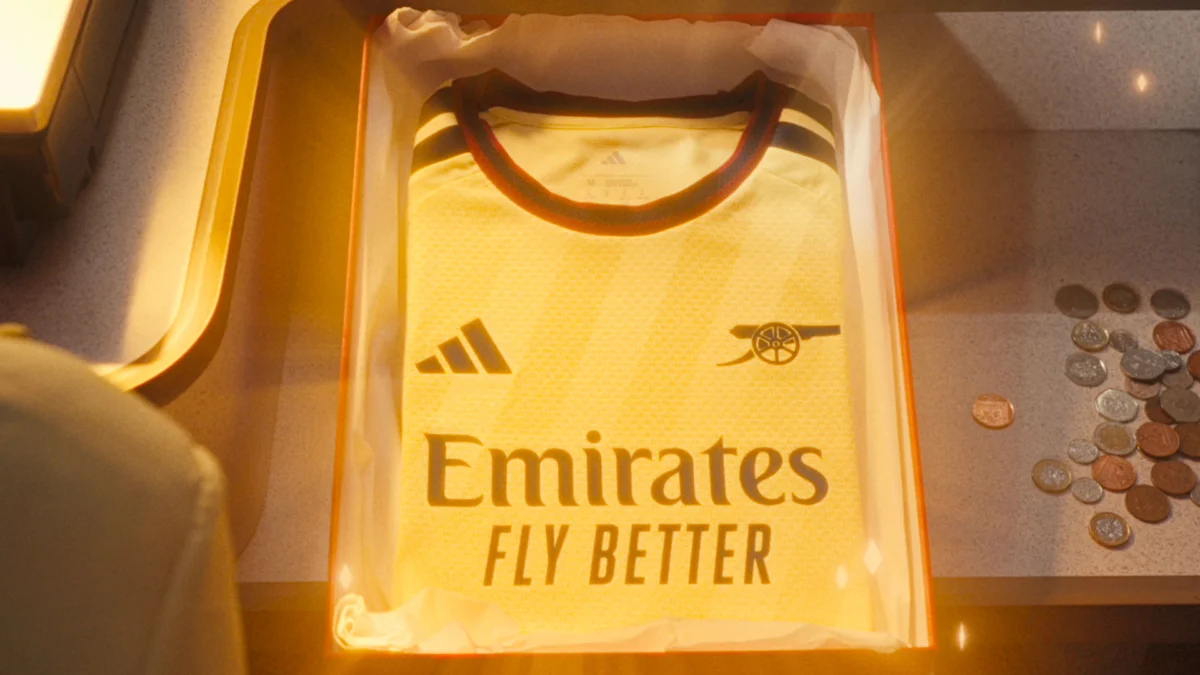
The film stars British model and activist Adwoa Aboah, an outspoken Arsenal supporter, who serves as the viewer’s guide through a vibrant, hybrid world where live-action footage merges seamlessly with 2D hand-drawn animation. Decked in the new Adidas-designed third kit—a striking "golden yellow" ensemble—Aboah navigates the streets of Islington and Highbury, interacting with current stars from both the men’s and women’s senior teams, as well as the local shopkeepers and residents who anchor the community.
The project represents a significant shift in sports marketing strategy. By prioritizing "vibe" and community identity over pure athletic performance, Arsenal and Nexus Studios have tapped into the "fashionification" of football, treating the kit not just as sportswear, but as a lifestyle symbol rooted in a specific geographical and emotional "state of mind."
Chronology: From the Pitch to the Sketchbook
The development of "Arsenal State of Mind" occurred during a transformative period for the club. The production timeline itself is steeped in the very "state of mind" it seeks to portray.
The Conceptual Phase
The project began with a directive to move beyond the "hyper-real" aesthetic common in modern sports advertising. Director Fx Goby, known for his ability to blend narrative warmth with technical innovation, sought to capture the "joy in the everyday." Throughout the early months of 2026, Goby and Art Director Callum Strachan worked on a visual language inspired by editorial illustration and hand-drawn sketchbooks. The goal was to create something "tactile and human," a direct response to the increasingly polished, CGI-heavy landscape of commercial filmmaking.
The Design Integration
As Adidas finalized the 26/27 third kit, the creative team at Nexus Studios integrated the kit’s specific palette into the film’s DNA. The "golden yellow" of the shirt—a hue historically significant to Arsenal, recalling iconic away kits from the 1970s and late 1980s—became the "visual anchor." The animation team developed a restrained color palette for the backgrounds, allowing the yellow of the kit to "bathe" the scenes in a perpetual summer glow, regardless of the actual London weather during filming.
The Historic Shoot
The live-action components of the film were captured during a moment of unprecedented emotional highs for the club. Filming took place the day after Arsenal secured the Premier League title, a timing that Goby notes added an irreplaceable layer of authenticity to the cast’s performances. The "tired and elated" energy of the crew and extras—all of whom were genuine Arsenal supporters—infused the production with a sense of real-world celebration that no script could replicate.
Supporting Data: The Technical Artistry of Hybrid Storytelling
The effectiveness of "Arsenal State of Mind" lies in its technical execution. Nexus Studios utilized a "hybrid live-action/2D" approach, a complex process that requires frame-by-frame synchronization between filmed subjects and hand-drawn elements.
The Animation Process
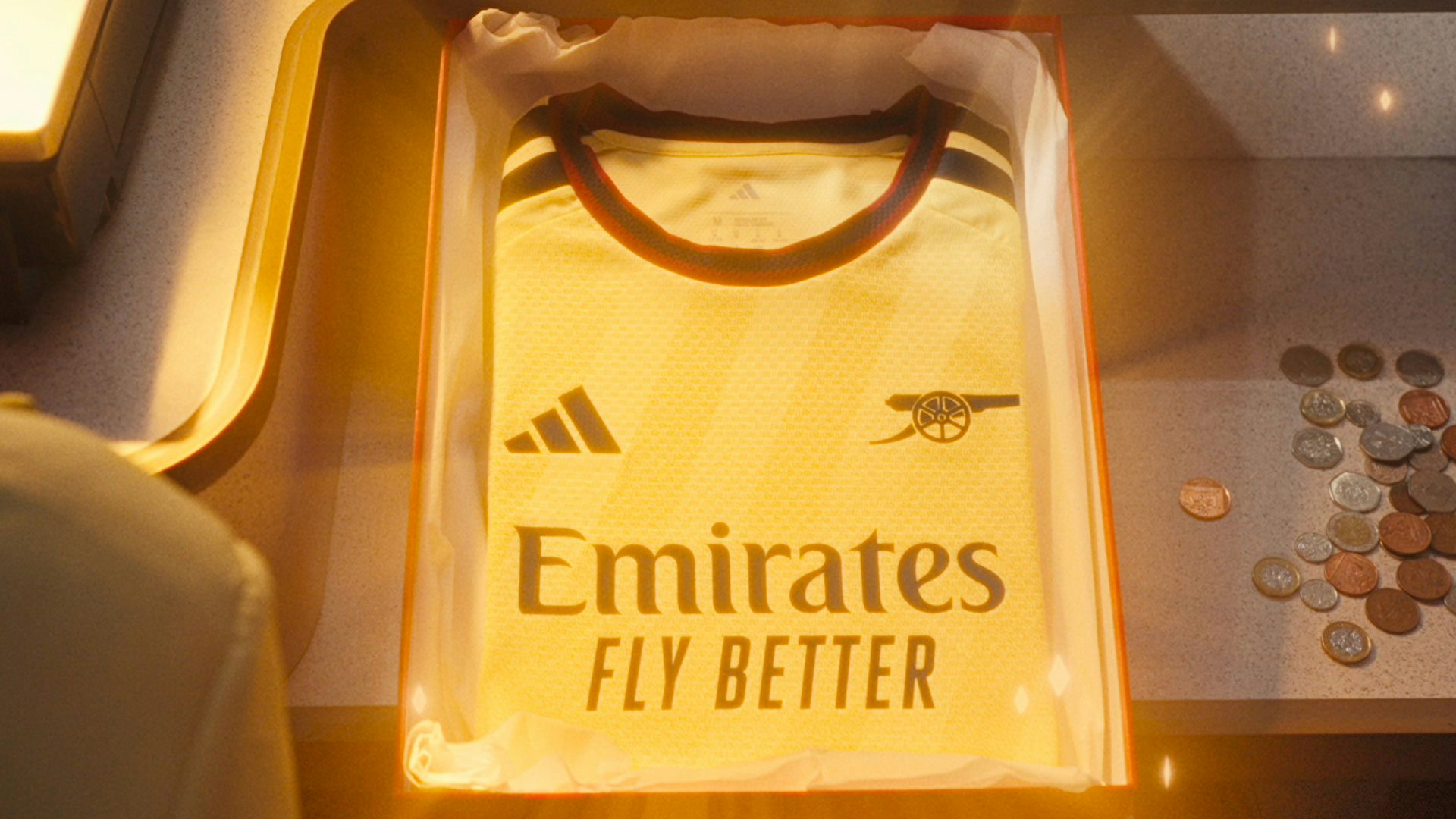
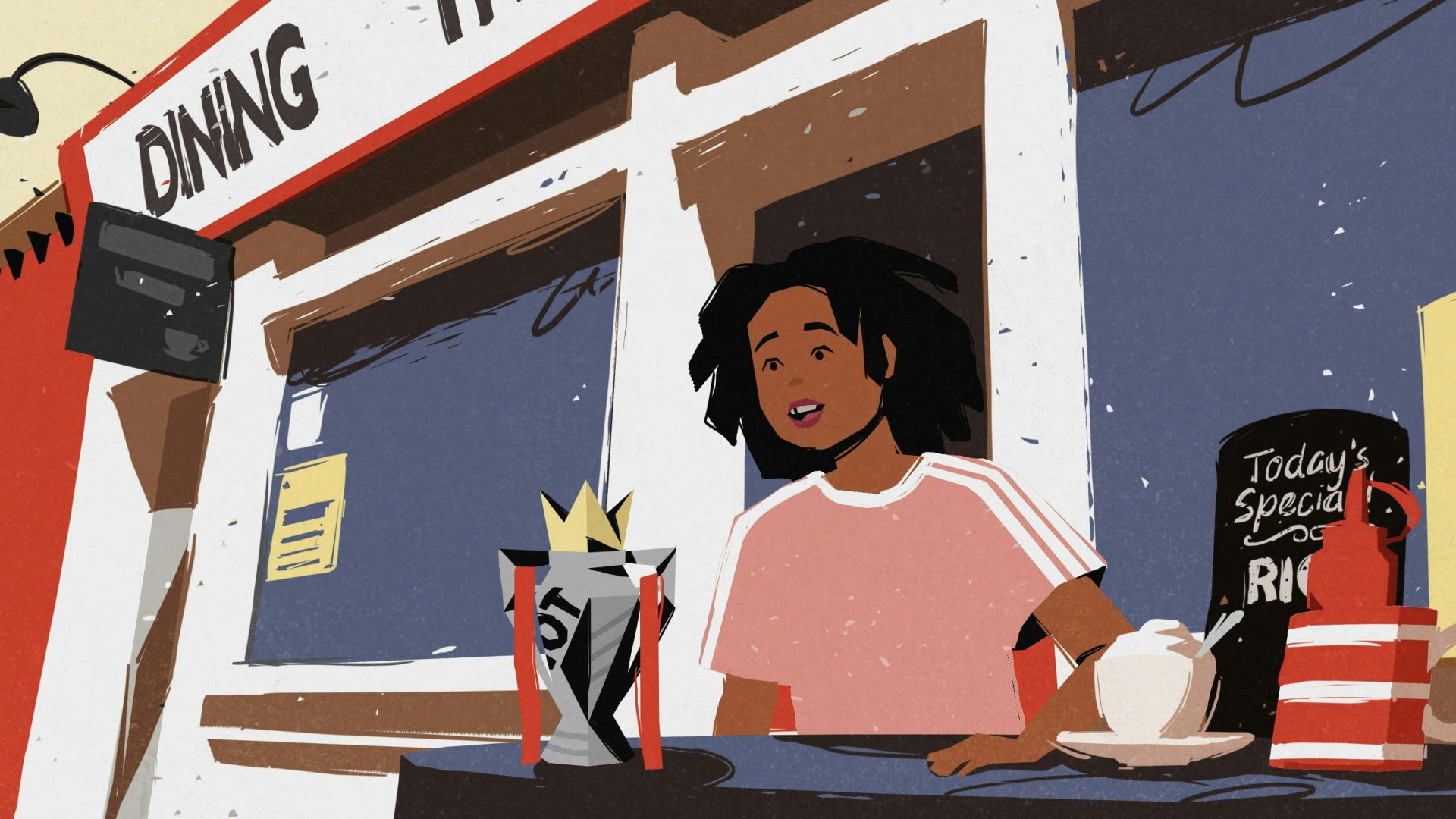
Art Director Callum Strachan was tasked with translating Adwoa Aboah’s iconic features into an animated counterpart. This wasn’t merely a caricature but a "stylized reality." The animation style embraced what Goby calls a "warm, sketchy" aesthetic. By avoiding the "uncanny valley" of 3D modeling, the 2D animation allowed the film to transition into surrealism—such as Aboah floating on a cloud above the Emirates Stadium—without losing its emotional grounding.
Cultural Cartography
The film serves as a love letter to North London, featuring several local institutions that are synonymous with the Arsenal match-day experience:
- Hornsey Road: The arterial route to the stadium.
- JussJerk: A staple of the local culinary scene.
- The Hope Café: A traditional haunt for supporters.
- Rowans Tenpin Bowl: The legendary Finsbury Park bowling alley.
By including these specific locations, the campaign utilizes "hyper-localism" to build global brand equity. It signals to the local fan base that they are seen, while presenting an aspirational, "cool" version of London life to the club’s millions of international followers.
The "Easter Egg" Strategy
In a move designed to encourage repeat viewings and social media engagement, the film is densely packed with "Easter eggs." These include hidden references to club legends, subtle nods to historic goals, and cameos from local community figures. This density of information ensures that the film functions as a piece of "fan service," rewarding those with the deepest knowledge of the club’s lore.
Official Responses: A Vision of Authenticity
Director Fx Goby has been vocal about the creative philosophy that drove the project. Speaking on the choice of medium, Goby emphasized that animation was the only way to truly capture the internal feeling of being a fan.
"I chose to create a hybrid animated film to give the ‘Arsenal State of Mind’ a distinctive visual language," Goby explained. "The idea is about shifting perspective and finding joy in everyday life. Animation allowed us to elevate reality without losing its authenticity. Everything is rooted in real places and made by hand, because Arsenal is nothing without its supporters."
Goby also addressed the challenge of standing out in a saturated market. "Football is one of the most photographed and filmed sports in advertising, so it’s increasingly difficult to say something new without repeating what’s come before. Instead of focusing on the game itself, we wanted to celebrate everything that makes Arsenal what it is: the men’s and women’s teams, the streets, the community, and the history. They are the soul of the club."
Nexus Studios echoed this sentiment, noting that the collaboration with Adwoa Aboah was instrumental. Her status as a "superstar with iconic features" provided the perfect canvas for Strachan’s art direction, bridging the gap between high fashion and terrace culture.
Implications: The Future of the "Club-as-Brand"
The release of "Arsenal State of Mind" signals several broader trends in the intersection of sports, media, and fashion.
1. The Death of the "Standard" Kit Launch
The days of a simple photoshoot in front of a green screen are largely over for "Big Six" European clubs. To justify the premium price points of modern kits (often exceeding £80–£100), clubs must sell a narrative. Arsenal’s investment in a high-concept film from a prestigious studio like Nexus suggests that kit launches are now being treated with the same creative weight as luxury fashion campaigns or short-film premieres.
2. The Power of "Vibe" Over "Action"
By focusing on "state of mind" rather than "state of play," Arsenal is insulating its brand from the volatility of results. While the film was shot following a title win, its themes of community and ritual are evergreen. This "lifestyle" branding allows the club to maintain a consistent aesthetic identity that appeals to "culture-first" fans who may be as interested in the fashion and community aspects of the club as they are in the tactical nuances of the game.
3. Hyper-Localism as a Global Language
There is a seeming paradox in using a local bowling alley and a neighborhood café to sell shirts to a global audience in Shanghai, New York, and Lagos. However, "Arsenal State of Mind" proves that the more specific and authentic a story is, the more universally it resonates. Global fans do not just want a shirt; they want to feel a part of the "North London" experience. By mapping the club’s identity onto the physical streets of N5 and N7, Arsenal provides a "sense of place" that digital-only branding cannot replicate.
4. The Integration of Women’s Football
Notably, the film features stars from both the men’s and women’s teams as equal participants in the "State of Mind." This reflects a broader, successful effort by Arsenal to lead the way in the commercial and cultural integration of the women’s game, treating the entire club as a single, unified entity.
As the 2026/27 season approaches, "Arsenal State of Mind" stands as a testament to the power of creative collaboration. Through the lens of Fx Goby and the artistry of Nexus Studios, the "golden yellow" of the new kit is more than just a color; it is a symbol of a community that remains, in every sense of the word, elated.