
Warhammer 40,000 Ushers in a New Era with the Launch of 11th Edition
Nottingham, UK – [Date of Publication] – The hallowed halls of Games Workshop in Nottingham echo with the symbolic tolling of the triennial bell, marking the highly anticipated arrival of Warhammer 40,000 11th Edition. This refresh of the iconic science fiction miniature wargame promises a significant evolution for its vast global player base, introducing a suite of refined rules, streamlined mechanics, and an exciting new launch box, "Armageddon." Both seasoned veterans and eager newcomers are poised to delve into an edition designed to be cleaner, faster, and more brutal than its predecessors.
The launch of a new edition traditionally serves as a pivotal moment for the Warhammer 40,000 community, offering an ideal entry point for new players and a dynamic shift for long-time enthusiasts. The "Armageddon" launch box is strategically positioned to facilitate this, providing comprehensive resources to jump directly into two popular factions. For those who have extensively played 10th Edition, this change represents a medium-sized shakeup, distinct from the sweeping overhaul of 10th Edition, yet more impactful than the transition from 8th to 9th. Core gameplay elements, particularly concerning terrain interaction and mission objectives, have undergone critical changes that promise to redefine strategic engagement while preserving the familiar essence of the grimdark future.
The Dawn of a New Epoch: A Chronology of Warhammer 40,000’s Evolution
Warhammer 40,000 has continually evolved since its inception, with each new edition reflecting Games Workshop’s commitment to refining gameplay, expanding lore, and responding to community feedback. The current trajectory builds upon the widely acclaimed 10th Edition, which many within the community considered the game’s finest iteration to date. This sentiment contributed to a staggering growth in player numbers and competitive event participation, setting a high bar for its successor.
The development of 11th Edition is a testament to this iterative improvement. Rather than a complete reboot, it strategically targets specific areas identified for enhancement. The designers have meticulously addressed aspects of gameplay flow, rule clarity, and tactical depth. This approach is evident in the forthcoming release schedule, which anticipates existing 10th Edition Codexes to remain valid initially, supported by errata, before a gradual rollout of dedicated 11th Edition Codexes. The armies featured in the "Armageddon" launch box – typically Space Marines and Orks – are expected to be among the first to receive these updated faction-specific rulebooks.
Furthermore, Games Workshop’s commitment to digital integration, prominently featured in 10th Edition, is set to deepen. The 11th Edition will leverage the Warhammer 40,000 App and the Warhammer Community website for ongoing rule updates, errata, and the release of new digital content. This proactive digital strategy ensures that the game remains fresh and balanced, with designers able to make targeted adjustments without invalidating physical rulebooks. The initial weeks following the launch will see a wave of new digital rules for all armies, providing players with immediate insights into their faction’s updated capabilities. This continuous feedback loop and agile rules development mark a significant shift from past editions, promising a more responsive and dynamically evolving game system.
Unpacking the Core: Supporting Data on 11th Edition’s Mechanics
At its heart, Warhammer 40,000 remains a science fiction miniature wargame where players command armies across a battlefield, engaging in dice- and distance-based combat over five Battle Rounds. The objective is not merely to annihilate the opponent but to score Victory Points (VP) by achieving Primary and Secondary Missions. The 11th Edition introduces significant refinements across all phases of the game, designed to enhance clarity, speed, and tactical brutality.
Streamlined Core Rules and Digital Integration
One of the most praised aspects of 11th Edition is the remarkable clarity and conciseness of its Core Rules. Games Workshop has presented the most unambiguous and cleanly written rule set in the game’s history. Each rule is now numbered, facilitating effortless cross-referencing and making it significantly easier to pinpoint specific interactions. This systematic numbering also lays robust groundwork for future digital updates and errata, ensuring consistency across all platforms. The integration with the Warhammer 40,000 App is paramount, offering a digital version of the rules and hosting advanced rules that can be iteratively tuned without affecting physical copies. This digital-first approach minimizes ambiguity and streamlines the learning curve, particularly for new players.
Accelerating the Conflict: Gameplay Speed Enhancements
Games of Warhammer 40,000, particularly at the standard Strike Force scale, can be a substantial time commitment. 11th Edition tackles this challenge head-on, incorporating numerous "quality of life" improvements aimed at accelerating gameplay without sacrificing strategic depth. Key innovations include:
- Attack Resolution: The concept of "Fast Dice" – resolving attacks in batches – is now fully supported as the default, significantly speeding up the Shooting and Fight Phases. This eliminates the previous technicality of resolving attacks one by one, a practice rarely adhered to in actual play.
- Shared Pile-in/Consolidation: The Fight Phase now features a unified Pile-in step at the start, where all engaged or charging units make their short moves. This centralizes what was previously a per-unit action, improving flow. Similarly, Consolidate moves at the end of the Fight Phase are streamlined.
- Reactive Action Timing: Moving Stratagems like "Overwatch" and "Heroic Intervention" to the end of their respective phases reduces the need for constant pauses to check for opponent reactions, enhancing game flow and pacing.
- Simplified Movement: Changes to Charging and Engagement Range reduce the fiddliness associated with precise model positioning, making these crucial phases smoother to execute.
These seemingly minor adjustments collectively contribute to a noticeably faster game, aiming to bring average playtimes closer to the 2-2.5 hour mark, a boon for both casual and competitive players.
The Brutality of the 41st Millennium: Terrain and Missions Reimagined
11th Edition embraces a more brutal and dynamic battlefield, largely through its revamped terrain rules and mission design. Holding objectives is now a significantly riskier proposition, often exposing units to enemy fire. Walls and ruins offer less absolute protection, with larger models potentially seeing through terrain they partially occupy, opening up wider firing lanes.
- Terrain Objectives: A notable shift is the integration of larger terrain pieces as objectives on many maps, making the battlefield feel more organic and narrative. However, this often places units squarely in harm’s way, encouraging aggressive play.
- Visibility Changes: Units can now see through terrain as soon as they touch it, a critical alteration that makes boards feel more open and deadly, particularly around central objective areas.
- Hidden and Go to Ground: To offset this increased lethality, new rules like "Hidden" (allowing units to secrete themselves in terrain to avoid being shot unless enemies are in close range) and "Go to Ground" (an advanced digital rule further enhancing defensive positioning) provide tactical counter-options.
- Asymmetrical Primary Missions: A revolutionary change sees each player receiving different sets of Primary Missions, some overlapping and some unique. This introduces a fresh layer of strategic depth, forcing players to not only achieve their own goals but also anticipate and thwart their opponent’s distinct objectives. Mission scoring conditions are often tied to occupying central or exposed objectives, incentivizing bold maneuvers and high-risk, high-reward strategies.
This combination of rules fosters quick and violent encounters, demanding that players re-evaluate resource management and unit preservation to endure the full five battle rounds.
Armies and Units: Building Your Force
The "Armageddon" box provides initial Datasheets for its included units. However, for comprehensive army building, players will rely on Codexes. These faction-specific tomes contain all unit rules, plus "Army Rules" and "Detachments" that offer additional abilities, Stratagems, and upgrades. 10th Edition Codexes remain valid with errata, but 11th Edition versions will gradually replace them. The digital ecosystem, including the Warhammer 40,000 App and Warhammer Community website, will continue to be a vital source for updated rules and additional content.
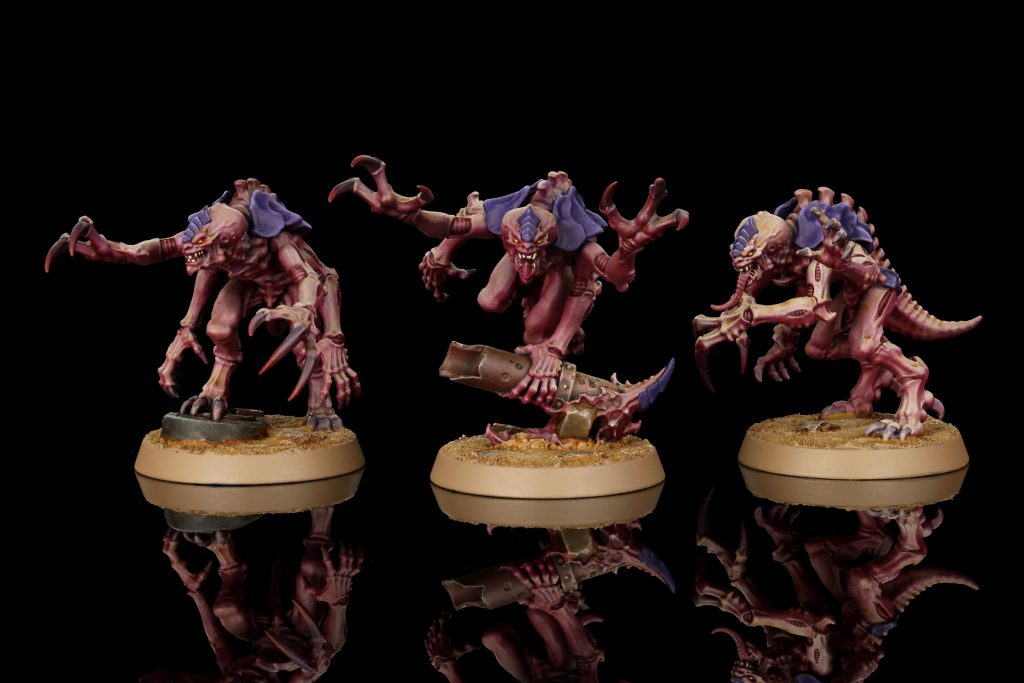
The game supports a vast array of unit types:
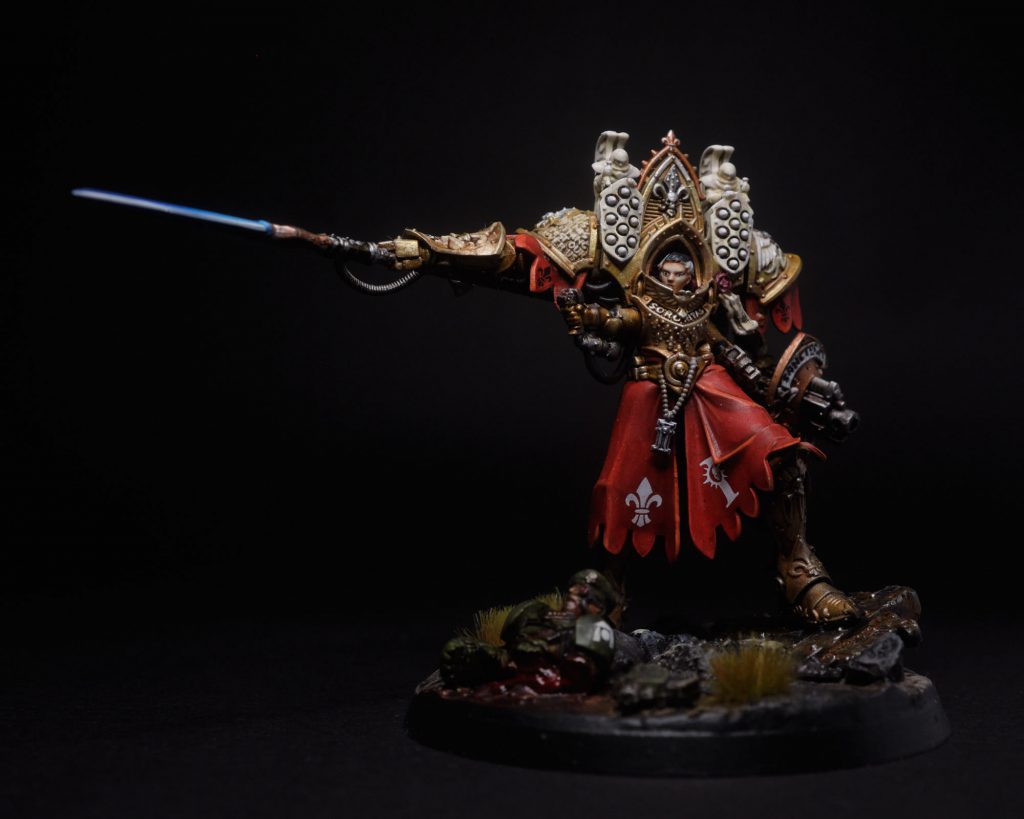
- Leaders: Brave heroes who attach to other units, boosting their capabilities.
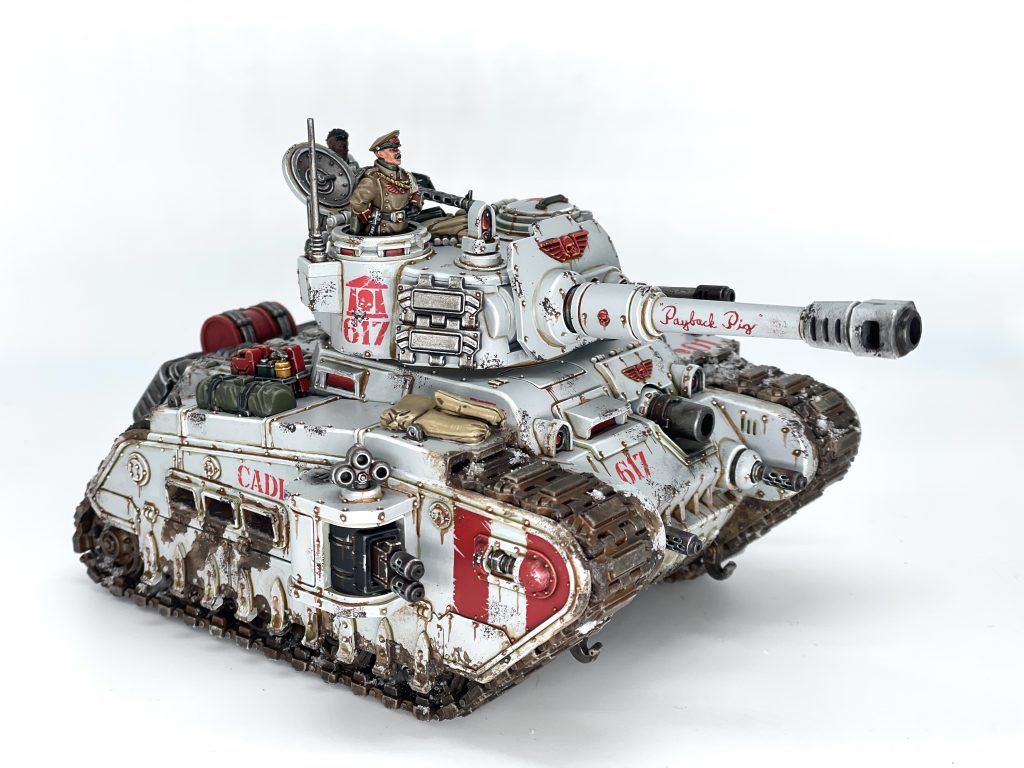
- Vehicles & Monsters: Mighty war machines and terrifying bio-engines that dominate the battlefield.
- Aircraft: Units that swoop in for strafing runs, bringing aerial superiority.
- Core Abilities: A standardized suite of special rules (e.g., "Sustained Hits" for additional attacks on critical hits, "Anti-" weapons for specific target effectiveness, "Stealth" for defensive evasion) that apply across various units and weapons, further streamlining rule comprehension.
Games Workshop’s Vision: Official Responses and Design Philosophy
While no direct quotes from Games Workshop representatives are provided, the detailed analysis by veteran reviewers strongly suggests a clear design philosophy underpinning 11th Edition. The emphasis on "clean" rules, "fast" gameplay, and a "brutal" tactical environment reflects a concerted effort to address common pain points of previous editions while pushing the game forward.
The move towards highly structured, numbered rules and robust digital support indicates a proactive stance on rule integrity and future-proofing. This approach aligns with Games Workshop’s broader strategy of maintaining a vibrant, accessible, and continuously evolving game. The "Armageddon" launch box, with its inclusive content for new players, reinforces the company’s goal of expanding the player base.
The introduction of asymmetrical missions and terrain objectives, though met with some caution from reviewers, points to an ambition to create more immersive and varied gameplay experiences. This strategy aims to bridge the gap between competitive play, which often prioritizes balance and clear objectives, and narrative play, which thrives on unique scenarios and dynamic storytelling. By attempting to unify these experiences under a single, adaptable rule set, Games Workshop seeks to foster a larger, more cohesive community where players can enjoy the game in myriad ways. The willingness to release advanced rules digitally and make targeted adjustments (like the "Go to Ground" rule) also signals a commitment to ongoing refinement based on real-world playtesting and community feedback.
The Ramifications: Implications for the Warhammer 40,000 Community
The launch of 11th Edition carries significant implications for all segments of the Warhammer 40,000 community, from casual hobbyists to competitive champions.
For Newcomers: An Accessible Entry Point
For prospective players, 11th Edition presents arguably the best time to enter the Warhammer 40,000 universe. The "Armageddon" launch box provides a curated experience, offering everything needed to start. The core rules are exceptionally clear, making the initial learning curve less steep. The promise of everyone learning together—veterans and novices alike—creates a welcoming environment. The vibrant community, extensive lore, and diverse factions ensure a rich and engaging hobby experience from day one.
For Veterans: A Necessary Adaptation
Returning players, particularly those accustomed to 10th Edition, face a period of significant adaptation. While the core phases remain familiar, the changes within each phase, especially in the Charge and Fight Phases and the new terrain rules, necessitate unlearning old habits. The increased lethality and dynamic mission objectives will require a re-evaluation of tactical approaches, army compositions, and resource management. Deep dives into specific rule changes (Stratagems, Core Abilities, Terrain interactions, unit types) are highly recommended to master the nuances of the new edition.
The Competitive Landscape: Challenges and Opportunities
The competitive scene will undoubtedly experience the most profound shakeups. The new mission system, with its fifteen combinations of asymmetrical primaries and forty-five potential layouts, introduces unprecedented complexity. While this promises dynamic games, it also raises concerns about balance. Reviewers like James "One_Wing" Grover, Curie, and Liam "Corrode" Royle express caution regarding potential imbalances between different "Force Dispositions" (mission types). Some combinations, like "Purge the Foe" and "Take and Hold," appear more straightforward, potentially leading players to gravitate towards them and creating repetitive competitive experiences. Others, such as "Priority Assets" and "Disruption" pairings, demand significantly more mental bandwidth, posing a steep learning curve for tournament players.
The changes to terrain visibility, particularly the ability to see through terrain when touching it, combined with mandatory objective occupation for scoring, are expected to make games exceptionally brutal. This could lead to shorter game durations and a higher attrition rate, fundamentally altering competitive strategies. The loss of distinct sub-faction flavor due to modular detachments, as noted by TheChirurgeon, is another point of contention for players who value narrative identity in their armies. However, the reviewers maintain confidence in Games Workshop’s proven track record of iterative balance updates and adjustments, anticipating that any glaring issues will be addressed within the first year.
The Enduring Appeal: Why Play Warhammer 40,000?
Beyond the mechanics, 11th Edition reinforces the fundamental attractions of Warhammer 40,000:
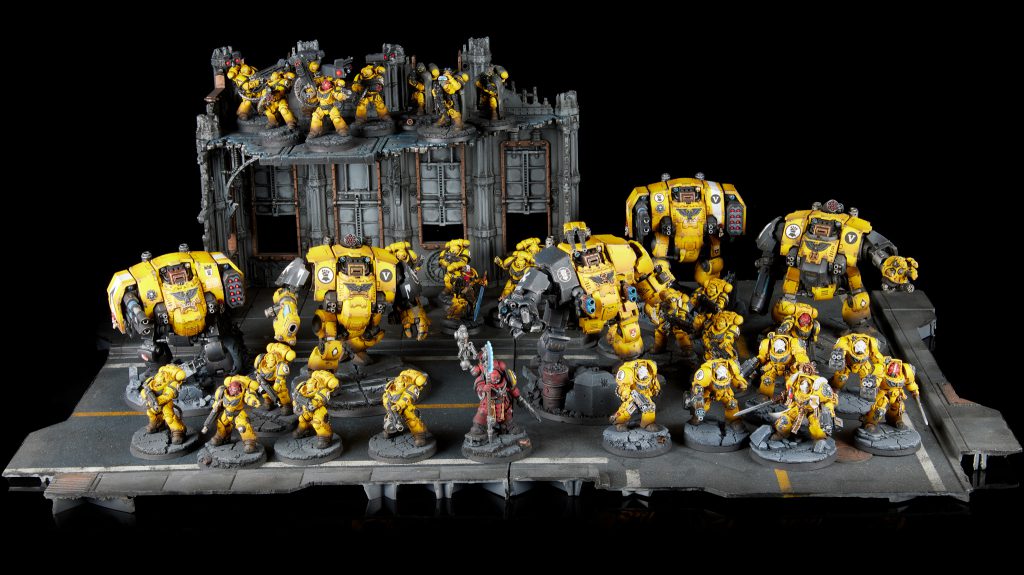
- Army-Scale Warfare: The game offers a grand sense of scale, allowing players to field entire armies of infantry, vehicles, and monsters, a depth often unmatched by skirmish-level games.
- Unparalleled Variety: Decades of lore underpin a vast universe with wildly diverse factions, ensuring endless opportunities for exploration, collection, and unique tactical matchups.
- Vibrant Community: Building on 10th Edition’s success, the game boasts a thriving global community, supported by extensive digital content, competitive events of all sizes, and a dedicated development team actively fostering its growth.
Expert Impressions: A Resounding, Yet Cautious, Endorsement
The consensus among veteran reviewers from Tabletop Battles is largely positive, albeit with nuanced caution regarding certain elements. James "One_Wing" Grover praises the unparalleled clarity of the Core Rules and the excellent phase-to-phase gameplay flow. He expresses excitement for the bold terrain and mission changes, recognizing their potential to create more immersive battles, but harbors concerns about potential over-brutality and the balance complexity of the asymmetrical mission sets.
Curie echoes the praise for the clean rules and quality-of-life improvements, particularly highlighting the streamlined attack resolution and Fight Phase changes. He emphasizes the critical role of the "Hidden" rule and manipulated "Detection Range" in shaping the Shooting Phase, while also noting the enhanced tactical importance of pre-planning Pile-Ins. Like Grover, Curie voices concerns about the "openness" of new tables and the potential impact of mission combinations on individual armies.

Liam "Corrode" Royle strongly commends the rule numbering and cleaned-up terminology, citing them as significant quality-of-life improvements. He is particularly positive about the simplified FLY rules and the Fight Phase changes, which he believes will tremendously speed up gameplay and make "Fights First" less punishing. However, Corrode shares concerns about the bloody nature of terrain objectives and the potential for repetitive games if players gravitate towards simpler mission dispositions.
TheChirurgeon offers a more philosophical take, acknowledging that players will ultimately adapt to the new edition regardless. He praises the streamlined rules, improved layout, and elegant solutions to issues like FLY. His primary concerns revolve around the increased deadliness stemming from terrain visibility rules and the need to occupy objectives, which he believes leads to shorter, more brutal games. He also expresses reservations about the modular detachment system potentially eroding unique faction flavor and the immense logistical challenge of balancing fifteen different mission scenarios. Despite these concerns, TheChirurgeon remains confident in Games Workshop’s ability to iteratively improve and balance the game over time, as demonstrated with 10th Edition.
In conclusion, Warhammer 40,000 11th Edition emerges as a bold and thoughtfully designed evolution. Its clean rules, accelerated gameplay, and intensified tactical brutality promise a fresh and engaging experience. While challenges remain, particularly concerning mission balance and terrain interaction, the underlying framework is robust, and Games Workshop’s commitment to ongoing digital support and community engagement bodes well for the edition’s long-term success. The grimdark future of the 41st millennium is ready for its next bloody chapter.

Leave a Comment