Shadows and Spirits: An In-Depth Preview of the Atmospheric RPG ‘The Path of Kana’
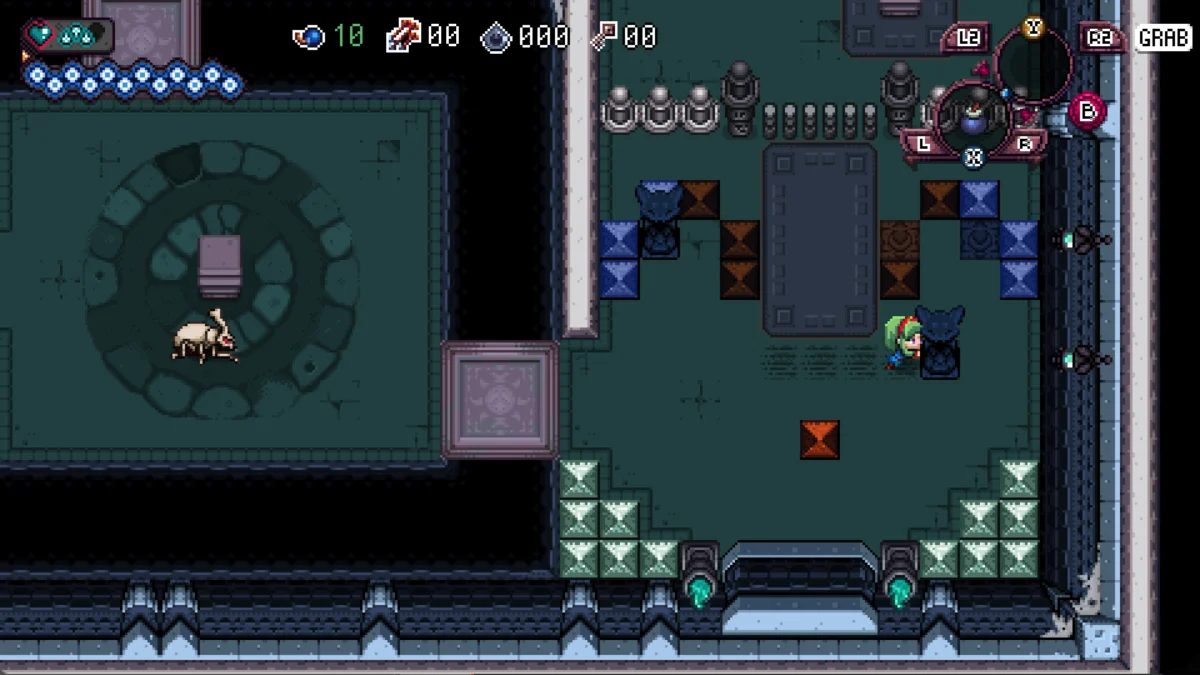
The landscape of indie role-playing games is often defined by its ability to blend traditional mechanics with innovative narrative hooks. Emerging from the showcase floors of Game Con Canada, The Path of Kana has positioned itself as a noteworthy contender in the action-adventure RPG genre. Developed with an emphasis on atmosphere, tactical combat, and procedural replayability, the title invites players into a world where the boundary between the living and the dead has ceased to exist.
Main Facts: A Kingdom Divided by Grief
At its core, The Path of Kana is an isometric action-adventure RPG that tasks players with navigating a series of haunted dungeons to restore balance to a fractured world. The game’s premise is rooted in a tragic lore: the once-shining Celestial Kingdom has collapsed into ruin. This downfall was not caused by an external invasion, but by the internal collapse of its leader, High Priest Lucian Noctis. Consumed by a profound, localized grief, Noctis’s sorrow acted as a catalyst for a supernatural cataclysm, causing the physical world and the spirit realm to bleed into one another.
As darkness spreads across the land, players take on the role of a chosen protagonist, guided by an ancient spirit. The primary objective is to traverse treacherous environments, solve complex environmental puzzles, and guide lost souls back to their rightful resting places. The game distinguishes itself through several key pillars:
- Dynamic Perspective: A unique camera system that shifts based on player movement, particularly during vertical transitions like climbing.
- Precision Combat: A combat system that eschews button-mashing in favor of targeting specific enemy weaknesses and utilizing environmental hazards.
- Procedural Progression: A "randomized" item and map system designed to ensure that no two journeys through the darkness feel identical.
- Metroidvania Elements: A progression loop centered on discovering ancient relics that grant new traversal and combat abilities.
Chronology: From Concept to Game Con Canada
The journey of The Path of Kana follows a trajectory typical of ambitious indie projects, moving from a conceptual narrative to a polished, playable vertical slice.
The Conceptual Phase
The development began with the goal of exploring "environmental storytelling through tragedy." The developers sought to create a world where the architecture and enemy design reflected the emotional state of its antagonist, Lucian Noctis. Early devlogs indicated a focus on the "intertwined realms" mechanic, which would allow for puzzles that required players to interact with objects in both the living and spirit planes.
The Reveal and Steam Presence
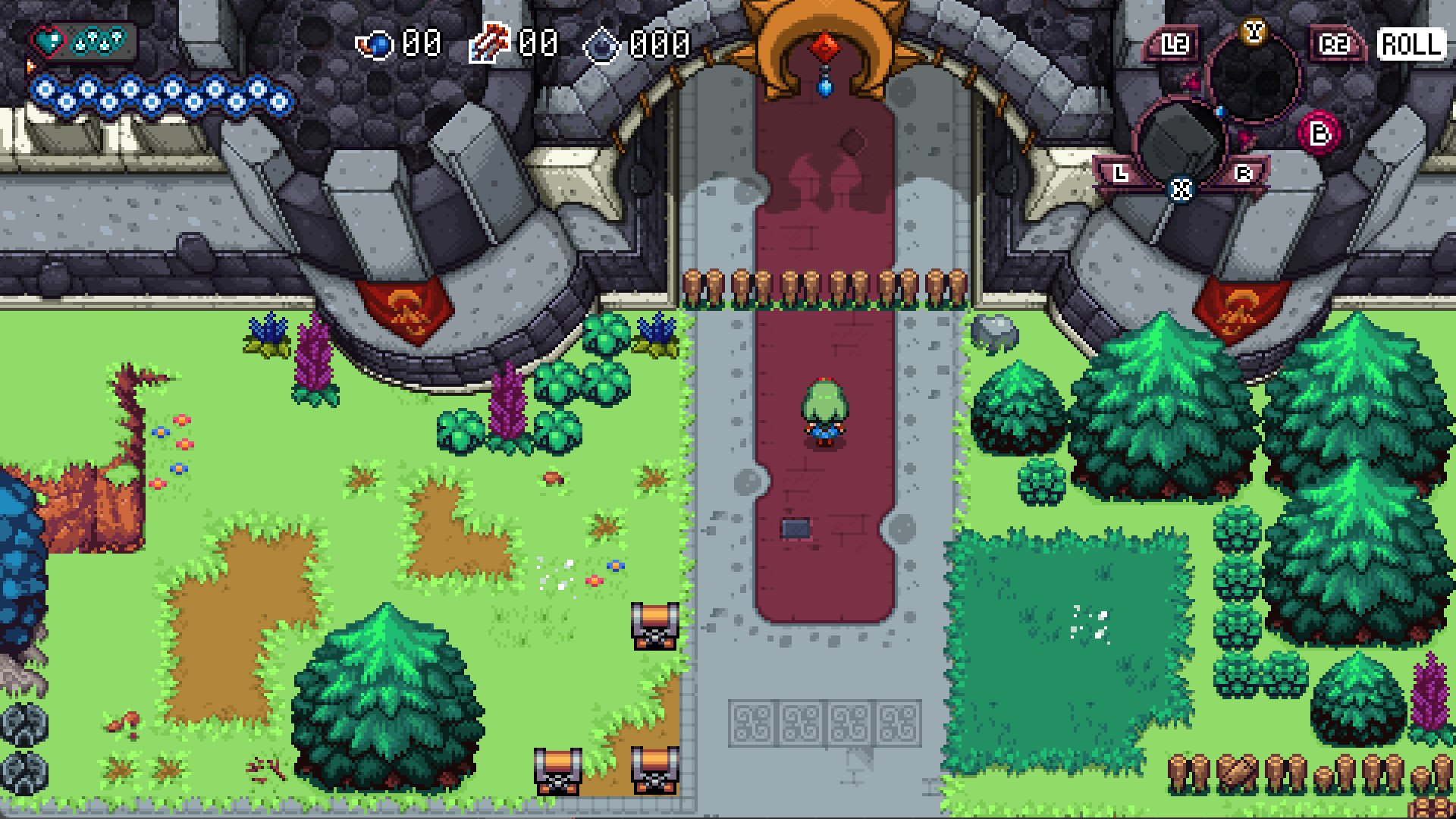
The game gained significant traction following its official reveal trailer (hosted on platforms like YouTube), which showcased the game’s striking art style—a blend of haunting gothic aesthetics and ethereal glow. Shortly after the reveal, the Steam store page was launched, allowing the community to wishlist the title and track its development milestones.
The Game Con Canada Milestone
In June 2024, The Path of Kana made a significant public appearance at Game Con Canada. This event served as the first major hands-on opportunity for the public and gaming press. The demo focused heavily on the dungeon-crawling experience, showcasing the fluidity of the combat and the complexity of the puzzle design. It was here that the game’s unique perspective shifts—such as the immersive ladder-climbing sequences—were first noted as a standout feature by attendees.
Supporting Data: Mechanics, Design, and Technical Fidelity
To understand why The Path of Kana is resonating with RPG enthusiasts, one must look at the specific data points regarding its gameplay loop and technical execution.
Tactical Combat and Enemy AI
Unlike standard hack-and-slash RPGs, The Path of Kana requires a high degree of spatial awareness. Observations from the demo reveal that enemies are not merely "damage sponges." For example:
- Skeleton Variants: Certain skeletal enemies possess high defensive stats but are susceptible to physics-based attacks. Players are encouraged to use knockback abilities to shove these foes into pits or environmental traps.
- Weak-Point Targeting: High-tier enemies often feature "specific hit zones." This requires the player to dodge-roll into advantageous positions to strike at exposed cores or unarmored limbs.
The Perspective Engine
One of the most discussed technical aspects of the game is its use of camera angles. While the game primarily utilizes a top-down isometric view, it employs "dynamic framing." When the player engages with verticality—such as climbing a long ladder—the camera shifts to a perspective that makes the world feel as though it is moving toward the player. This creates a sense of scale and claustrophobia that is often missing from traditional top-down adventures.
Randomized Replayability
The developers have implemented a randomization system that affects item placement and certain map layouts. According to technical briefs, this is intended to prevent the "solved game" syndrome common in puzzle-heavy RPGs. By shuffling the location of key items needed for progression, players are forced to explore the map organically rather than following a pre-set guide.
Official Responses and Developer Philosophy
While a definitive release date remains unannounced, the developers have been vocal about their design philosophy through community updates and interviews conducted during the Game Con Canada showcase.
The development team has emphasized that "polish over speed" is their current mantra. In response to inquiries regarding the game’s difficulty, the team noted that while the game is challenging, it is intended to be "fair." The focus is on teaching the player through environmental cues rather than intrusive tutorials.
"We wanted the player to feel the weight of the Celestial Kingdom’s fall," one developer noted during a post-demo Q&A. "The transition between the spirit realm and the living world shouldn’t just be a visual filter; it should change how you approach a room and how you perceive the enemies within it."
Regarding the story, the team has remained relatively tight-lipped to avoid spoilers, but they have confirmed that the narrative is "deeply personal," focusing on the nature of grief and the consequences of refusing to let go. This narrative weight is intended to provide a meaningful backdrop to the mechanical "grind" of dungeon exploration.
Implications: The Future of the Indie Action-RPG
The emergence of The Path of Kana carries several implications for the indie gaming sector and the RPG genre at large.
1. The "Zelda-lite" Evolution
The game represents a growing trend of "Zelda-lite" titles—games that take the classic dungeon-puzzle-item formula of The Legend of Zelda and infuse it with modern "Roguelite" or "Soulslike" elements. By adding randomization to a structured adventure, The Path of Kana is testing the waters of how much procedural generation players are willing to accept in a story-driven experience.
2. Canadian Development Influence
The prominence of the game at Game Con Canada highlights the growing strength of the Canadian indie development scene. As major AAA studios face cycles of layoffs and restructuring, smaller, more agile teams in hubs like Vancouver, Montreal, and Toronto are becoming the primary source of innovation in the mid-market "AA" and indie spaces.
3. Visual Storytelling as a Key Metric
The success of The Path of Kana’s reveal suggests that players are increasingly looking for games with a strong, cohesive visual identity. The "haunted gothic" aesthetic, combined with the unique camera work, serves as a powerful marketing tool in a crowded Steam marketplace where "standard" fantasy RPGs often struggle to stand out.
4. Accessibility and Community Engagement
By opting for a "wishlist-first" strategy without a rushed release date, the developers are following a modern trend of community-led development. This allows for the integration of player feedback from events like Game Con Canada to be implemented into the final build, potentially leading to a more balanced and bug-free launch.
Conclusion
The Path of Kana stands as a testament to the enduring appeal of the dungeon crawler when reimagined through a lens of modern design and emotional depth. Its blend of tactical combat, innovative perspective shifts, and a world steeped in the lore of Lucian Noctis’s grief creates a compelling package for fans of the genre.
As the industry moves toward the latter half of the year, all eyes will be on the developers to see how they refine the promising demo experienced at Game Con Canada. For now, the game remains a highly anticipated entry on Steam, promising a journey that is as much about healing a broken world as it is about surviving the darkness within it. Players looking for an atmospheric, challenging, and ever-changing RPG experience would do well to keep The Path of Kana on their radar.