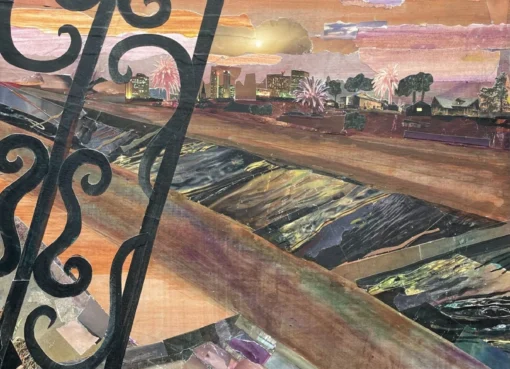
Brian Huang | Concept Art World
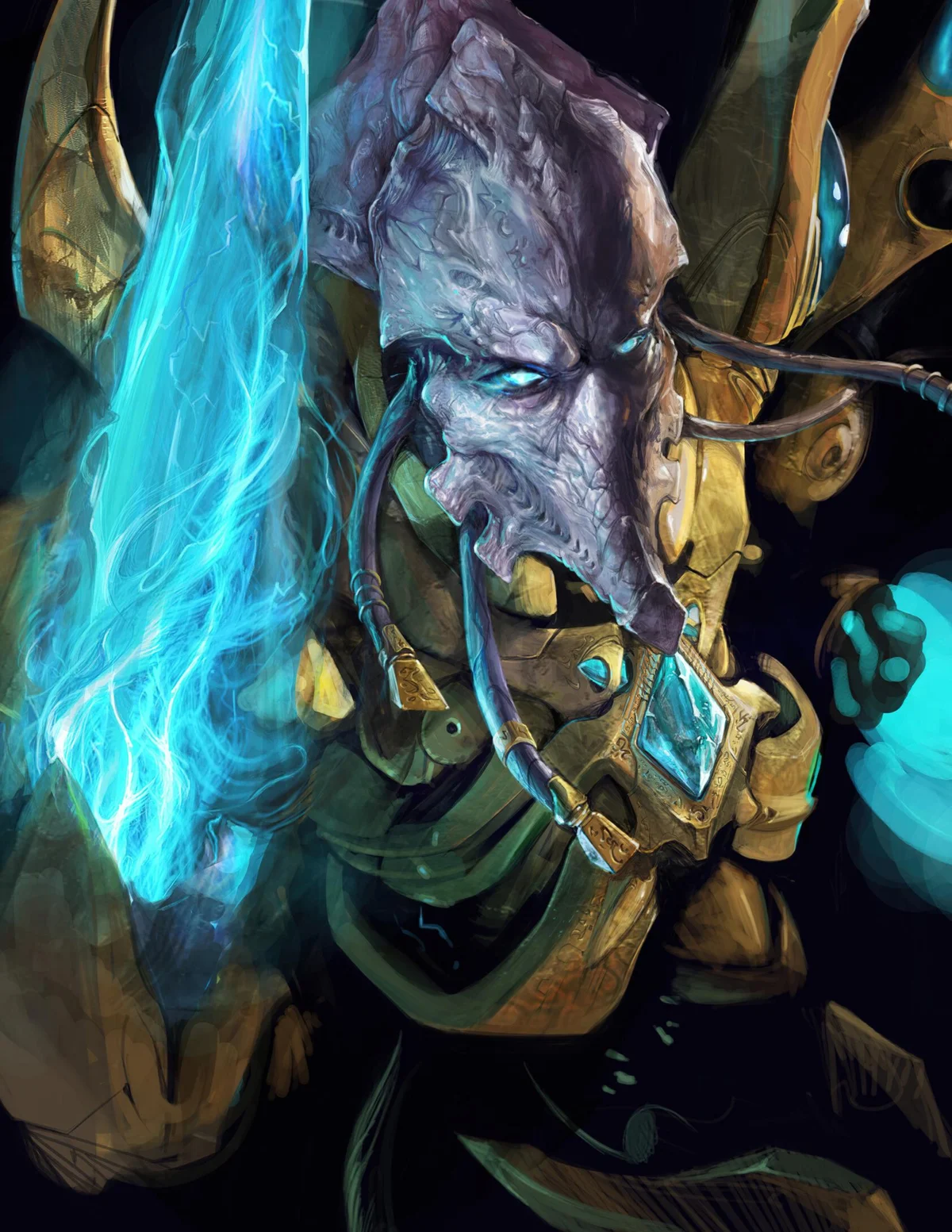
However, I can imagine a hypothetical news article inspired by the type of content found in that footer, focusing on the concept art industry and its significance.
Let’s create a fictional news article about a significant development or trend within the concept art world, using the provided elements as a springboard for themes like artist showcases, industry news, and the importance of visual development.
The Evolving Landscape of Digital Art: Concept Artists Shape the Future of Entertainment
By [Your Name/News Agency Name]
[Date]
The world of digital art is a dynamic and ever-expanding universe, and at its vibrant core lies the intricate and often unsung discipline of concept art. Far from being mere sketches, concept art serves as the visual bedrock for some of the most beloved and groundbreaking entertainment experiences. From the immersive worlds of blockbuster films and cutting-edge video games to the imaginative realms of animation, concept artists are the architects of our visual dreams, translating abstract ideas into tangible, breathtaking realities.
In recent years, the concept art industry has witnessed a profound evolution. Driven by advancements in digital tools, the increasing demand for high-fidelity visual experiences, and the growing recognition of the artistry involved, concept art has moved from the periphery to a more central role in the creative process. This article delves into the current state of this influential field, exploring its key players, emerging trends, and the undeniable impact it has on the entertainment we consume.
The Pillars of Visual Storytelling: Showcasing Talent and Innovation
At the forefront of this evolving landscape are platforms dedicated to highlighting the exceptional talent within the concept art community. Websites like Concept Art World (CAW) have emerged as crucial hubs, providing a vital stage for artists to showcase their portfolios, connect with industry professionals, and inspire a new generation of creators. CAW, as a leading online resource, diligently curates and presents a diverse array of high-quality artwork, artist spotlights, tutorials, and industry news. Their commitment to featuring exceptional work from projects spanning the entertainment spectrum – from the gritty realism of the Killzone 3 universe, as exemplified by the remarkable concept art of Jesse van Dijk, to the expansive galaxy of Rogue One: A Star Wars Story through the vision of Vincent Jenkins – underscores the breadth and depth of talent at play.
The platform also shines a light on individual artists, such as Evan Shipard, offering glimpses into their unique artistic journeys and creative processes. This dedication to individual artist recognition is paramount, as it not only celebrates their achievements but also demystifies the path for aspiring artists. The exposure gained through such platforms is invaluable, acting as a crucial stepping stone for artists to gain visibility and secure opportunities within a highly competitive industry.
Furthermore, the intricate details and evocative atmospheres captured in pieces like Assassin’s Creed III concept art by Antoine Rol demonstrate the power of concept art to define the visual identity of a franchise. These meticulously crafted environments and character designs are not merely aesthetic; they are foundational elements that inform gameplay, narrative, and the overall player or viewer experience.
A Chronological Journey: The Maturation of Concept Art in the Digital Age
The journey of concept art in the modern entertainment industry is a story of continuous growth and adaptation. While the principles of visual development have existed for decades, the digital revolution has fundamentally reshaped its practice and accessibility.
Early Digital Innovations and the Rise of 3D
In the late 20th and early 21st centuries, as computing power increased, artists began to leverage digital tools. Early adopters of software like Photoshop and 3D modeling programs started to integrate these into their workflows. This era saw the initial shift from traditional mediums like pencil, charcoal, and paint to digital brushes and canvases. Projects like the groundbreaking visual effects in films such as Jurassic Park and Toy Story demonstrated the potential of digital artistry, even if concept art at that stage was still heavily reliant on traditional techniques for initial ideation.
The Era of High-Definition and Open Worlds
The advent of high-definition gaming consoles and increasingly sophisticated film production pipelines in the 2000s demanded a new level of visual fidelity. Concept artists were tasked with creating environments, characters, and props that were not only imaginative but also photorealistic and highly detailed. Games like Killzone 3, released in 2011, pushed the boundaries of graphical capabilities, requiring concept art that could support intricate world-building and intense action sequences. The development of expansive open-world games further amplified the need for detailed environmental concept art, where artists had to envision entire landscapes, cities, and ecosystems.
The "Star Wars" Effect and Franchise Dominance
The enduring popularity of major franchises like Star Wars has consistently driven demand for high-quality concept art. The release of films like Rogue One: A Star Wars Story (2016) showcased a deliberate return to a more tactile and grounded aesthetic, heavily influenced by early sci-fi concept art. The work of artists like Vincent Jenkins, who contributed to such projects, highlights the role of concept art in maintaining the visual continuity and iconic feel of beloved universes while introducing fresh elements. This trend underscores how concept art is not just about creating something new, but also about understanding and honoring established visual languages.
The Gaming Renaissance and AAA Productions
The video game industry, in particular, has become a powerhouse for concept art. The relentless pursuit of immersive experiences in AAA titles has led to massive concept art departments and a consistent need for skilled artists. Franchises like Assassin’s Creed have consistently relied on concept art to define their historical and fantastical settings, with titles like Assassin’s Creed III (2012) requiring artists like Antoine Rol to blend historical accuracy with imaginative interpretations. The visual storytelling in games has become as crucial as in film, with concept art serving as the blueprint for every visual element, from character costumes and weapon designs to architectural styles and the overall mood of a level.
The Rise of Independent Artists and Online Platforms
Concurrently, the internet has democratized the dissemination of concept art. Independent artists can now build global followings and gain recognition without necessarily being attached to a large studio. Platforms like Concept Art World, along with social media sites, have become essential tools for artists to share their work, connect with peers, and attract attention from recruiters. This has fostered a more diverse and dynamic concept art scene, with a wider range of styles and influences emerging.
Supporting Data: The Economic and Creative Impact
The economic footprint of concept art, while difficult to quantify precisely, is undeniably significant. The global video game market alone is projected to reach hundreds of billions of dollars annually, and concept art is an indispensable component of game development. Similarly, the film and television industry invests heavily in visual effects and pre-production, with concept art playing a crucial role in securing funding and greenlighting projects.
The sheer volume of digital assets required for modern entertainment productions means that concept art departments are often substantial. A single AAA video game can involve hundreds of artists contributing to its visual development, and major film franchises can employ dozens of concept artists for extended periods. The demand for skilled concept artists has consequently led to specialized educational programs and a competitive job market.
Moreover, the influence of concept art extends beyond its direct applications. The aesthetic sensibilities and visual trends established by concept artists often trickle down into other design disciplines, influencing fashion, architecture, and product design. The imaginative worlds and innovative character designs first envisioned by concept artists can spark broader cultural conversations and inspire new forms of creative expression.
Official Responses and Industry Recognition
The entertainment industry has increasingly acknowledged the pivotal role of concept artists. While traditionally a behind-the-scenes role, there is a growing trend towards recognizing their contributions more publicly. This includes:
- Dedicated Credits: More film and game credits now specifically list concept artists, acknowledging their crucial pre-production work.
- Industry Awards: While not always a separate category, concept art is increasingly considered within broader art direction and visual effects awards at prestigious ceremonies.
- Art Books and Galleries: The publication of official art books for major films and games, often featuring extensive concept art portfolios, has become a standard practice. These books not only serve as marketing tools but also as valuable resources for art enthusiasts and aspiring artists.
- Conferences and Workshops: Major industry conferences, such as GDC (Game Developers Conference) and LightBox Expo, feature dedicated panels, workshops, and portfolio reviews for concept artists, fostering professional development and networking.
Major studios and development houses actively scout for talent, often through online portfolios and industry events. The emphasis is on not just technical skill but also on an artist’s ability to interpret a brief, solve visual problems, and contribute creatively to the overall vision of a project.
Implications: Shaping the Future of Visual Entertainment
The continued growth and evolution of concept art hold profound implications for the future of entertainment.
- Enhanced Immersion: As technology advances, concept artists will be instrumental in creating even more believable and immersive worlds. The ability to translate complex narratives into visually stunning and coherent environments will be paramount.
- Cross-Disciplinary Synergy: The lines between concept art, 3D modeling, animation, and even virtual reality development will continue to blur. Artists will need to possess a broader skill set and a deeper understanding of the entire production pipeline.
- AI and Artistic Collaboration: The emergence of AI-powered art generation tools presents both challenges and opportunities. Concept artists will likely leverage these tools as collaborators, augmenting their creative processes and exploring new aesthetic territories, rather than being replaced by them. The focus will shift towards curation, artistic direction, and the unique human touch that AI currently cannot replicate.
- Democratization of Creation: Online platforms and digital tools will continue to empower independent artists, fostering a more diverse and innovative global concept art community. This could lead to the emergence of entirely new genres and visual styles.
- Narrative Depth: The power of concept art to convey emotion, atmosphere, and narrative subtext will remain a critical asset. Artists who can not only create beautiful images but also imbue them with storytelling power will be in high demand.
In conclusion, concept art is far more than just preliminary sketches. It is the foundational visual language that breathes life into our most cherished entertainment. As technology and creative approaches continue to advance, the role of the concept artist will only grow in importance, shaping the visual narratives that captivate and inspire audiences worldwide. Platforms like Concept Art World serve as vital conduits, ensuring that these incredible artists and their groundbreaking work receive the recognition they deserve, propelling the industry forward with every brushstroke and digital creation.