
The $250 Million Subnautica Dispute: Delaware Court Hands Preliminary Victory to Founders Against Krafton
By [Your Name/News Agency]
March 18, 2026
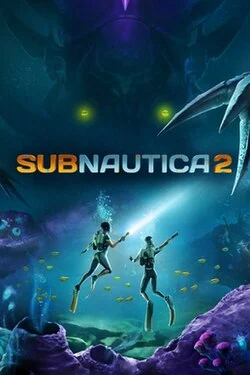
In a landmark ruling that has sent shockwaves through the global video game industry, the Delaware Court of Chancery has delivered a stinging rebuke to South Korean gaming giant Krafton. The court’s decision marks the conclusion of the first phase of a high-stakes legal battle centered on the acquisition of Unknown Worlds Entertainment, the developers behind the critically acclaimed Subnautica franchise.
At the heart of the dispute is a $250 million "earn-out" provision—a performance-based payment—that Krafton allegedly attempted to evade by orchestrating the termination of the studio’s founding leadership. The court’s preliminary findings not only reinstate the ousted CEO but also suggest a pattern of contractual interference that could have lasting implications for how mergers and acquisitions (M&A) are structured in the technology sector.
The Main Facts: A Breach of Trust and Contract
The conflict traces back to Krafton’s 2021 acquisition of Unknown Worlds. Seeking to diversify its portfolio beyond the massive success of PUBG: Battlegrounds, Krafton purchased the independent studio for an upfront sum, with a significant portion of the total deal value tied to future performance milestones, commonly known as an earn-out.
As the development of Subnautica 2 progressed toward its highly anticipated Early Access launch, tensions between the parent company and the subsidiary’s founders reached a breaking point. Krafton moved to dismiss the founders, including CEO Edward Gill, claiming the terminations were "for cause." Under the terms of the acquisition agreement, a "for cause" firing would effectively nullify the founders’ rights to the $250 million earn-out.
However, the Delaware court has found that Krafton’s actions constituted a breach of contract. The judge concluded that the dismissals were not based on legitimate misconduct but were instead a strategic maneuver to avoid financial obligations. In a rare move of judicial intervention in corporate governance, the court has ordered the immediate reinstatement of Edward Gill as CEO and issued an injunction preventing Krafton from interfering with his authority over the upcoming launch of Subnautica 2.
Chronology of a Deteriorating Partnership
To understand the gravity of the court’s ruling, one must look at the timeline of the relationship between the Seoul-based publisher and the San Francisco-based developer:
- October 2021: Krafton announces the acquisition of Unknown Worlds Entertainment. The deal is lauded as a marriage of creative independence and corporate resources. The contract includes a tiered earn-out structure, potentially worth $250 million, contingent on the studio meeting specific financial and development milestones over a five-year period.
- 2022–2024: Development of Subnautica 2 begins in earnest. While the project remains popular among the fan base, internal friction grows regarding the game’s monetization strategy and release window. Krafton, facing pressure from shareholders to deliver a new hit, begins to take a more "hands-on" approach.
- Late 2025: As Subnautica 2 nears its Early Access milestone—a key trigger for the earn-out—Krafton abruptly fires Edward Gill and other key founders. The company cites "performance failures" and "insubordination" as the basis for a "for cause" termination.
- January 2026: The founders file suit in Delaware, alleging that Krafton manufactured reasons for their dismissal to "weasel out" of the $250 million payment.
- March 17, 2026: The court releases its Phase 1 findings, siding largely with the founders and reinstating Gill.
Supporting Data: The Mechanics of the Earn-Out
The legal discovery process, highlighted by industry figures such as Rami Ismail, revealed internal Krafton communications that the court found "fascinating" and ultimately damning. Earn-outs are designed to bridge the valuation gap between what a buyer wants to pay and what a seller believes their company is worth. They are intended to align incentives: if the studio succeeds, everyone wins.
In this instance, the data suggests that Subnautica 2 was tracking toward a highly successful launch. Internal projections indicated that the studio was on the verge of hitting the performance targets required to trigger the full $250 million payout.
The court’s discovery documents suggest that Krafton’s executive leadership grew concerned about the looming financial liability. By firing the founders "for cause" just months before the Early Access launch, Krafton stood to save a quarter of a billion dollars. The judge, however, noted that the "cause" cited by Krafton appeared pretextual—a legal term meaning the reason given was a cover for the real motive.
Furthermore, the court has extended the timeline of the earn-out period by the exact duration of Gill’s "ouster." This ensures that the time lost during the legal battle does not penalize the founders’ ability to meet their contractual goals.

Official Responses: Silence and Strategy
Krafton’s official response has been characteristically guarded. In a brief statement following the ruling, a spokesperson for the company said, "While we are disappointed in the court’s preliminary decision regarding the personnel matters at Unknown Worlds, we remain committed to the success of the Subnautica franchise. We are currently evaluating our legal options for the second phase of this litigation."
Behind the scenes, industry analysts suggest that Krafton is in "damage control" mode. The company’s reputation as a "developer-friendly" publisher has been significantly tarnished. The "weaseling" narrative, as described by industry commentator Nicholas Lovell, is particularly damaging in an industry where talent retention and creative autonomy are the primary drivers of value.
Lawyers for Edward Gill and the Unknown Worlds founders issued a more triumphant statement: "The court’s decision is a victory for creative integrity. It sends a clear message that large corporations cannot use their size and legal departments to bully founders out of the rewards of their hard work. We look forward to Phase 2, where we will seek full damages for the harm caused to the studio and its employees."
Industry Implications: A Precedent for Founders
The Krafton vs. Unknown Worlds case serves as a cautionary tale for the entire gaming industry, particularly in an era defined by massive consolidation.
1. The Erosion of "For Cause" Protections
This ruling reinforces the difficulty of using "for cause" terminations as a tool to void financial contracts. Courts are increasingly skeptical of "cause" claims that coincide perfectly with financial milestones. For founders entering acquisition talks, this provides a layer of legal security, knowing that Delaware courts—the primary venue for US corporate law—will look past corporate rhetoric to the underlying facts.
2. The Preservation of Creative Autonomy
By enjoining Krafton from "impeding Gill’s authority" over the launch of Subnautica 2, the court has taken the extraordinary step of protecting the creative process from corporate interference. This is a significant win for developers who fear that being acquired means losing control over their vision.
3. Impact on Future M&A
The "messy" nature of this dispute may lead to a chilling effect on earn-out structures. Future sellers may demand more money upfront or more robust "good faith" clauses to prevent buyers from sabotaging milestones. For buyers like Krafton, the reputational cost may far outweigh the $250 million they attempted to save. If top-tier independent studios view Krafton as a partner that will "fire you to save a buck," the publisher will find it increasingly difficult to acquire the talent it needs to move past PUBG.
Looking Ahead: Phase 2 and Beyond
While Phase 1 has settled the immediate question of leadership and contractual breach, the battle is far from over. The litigation now moves into Phase 2, which will determine "whether Krafton’s actions wrongfully impaired the earnout, and whether any resulting money damages are owed."
This second phase will likely involve a deep dive into the financial health of Subnautica 2. If the founders can prove that Krafton’s interference actively lowered the game’s earning potential or delayed its success, the damages could exceed the original $250 million earn-out.
For now, Edward Gill returns to the helm of Unknown Worlds with a court-mandated shield against his own parent company. The industry will be watching closely as Subnautica 2 enters Early Access—not just to see if the game is good, but to see if a studio can truly thrive while its leaders and its owners are at war in the courtroom.
To the "uninformed outsider," as Lovell puts it, the situation looks like a classic case of buyer’s remorse turned litigious. To the industry insider, it is a stark reminder that in the world of high-stakes gaming acquisitions, the most dangerous monsters aren’t always found in the depths of an alien ocean—sometimes, they are in the boardroom.


Leave a Comment