Unearthing the Dawn of Devotion: The Enduring Legacy of the Kesh Temple Hymn
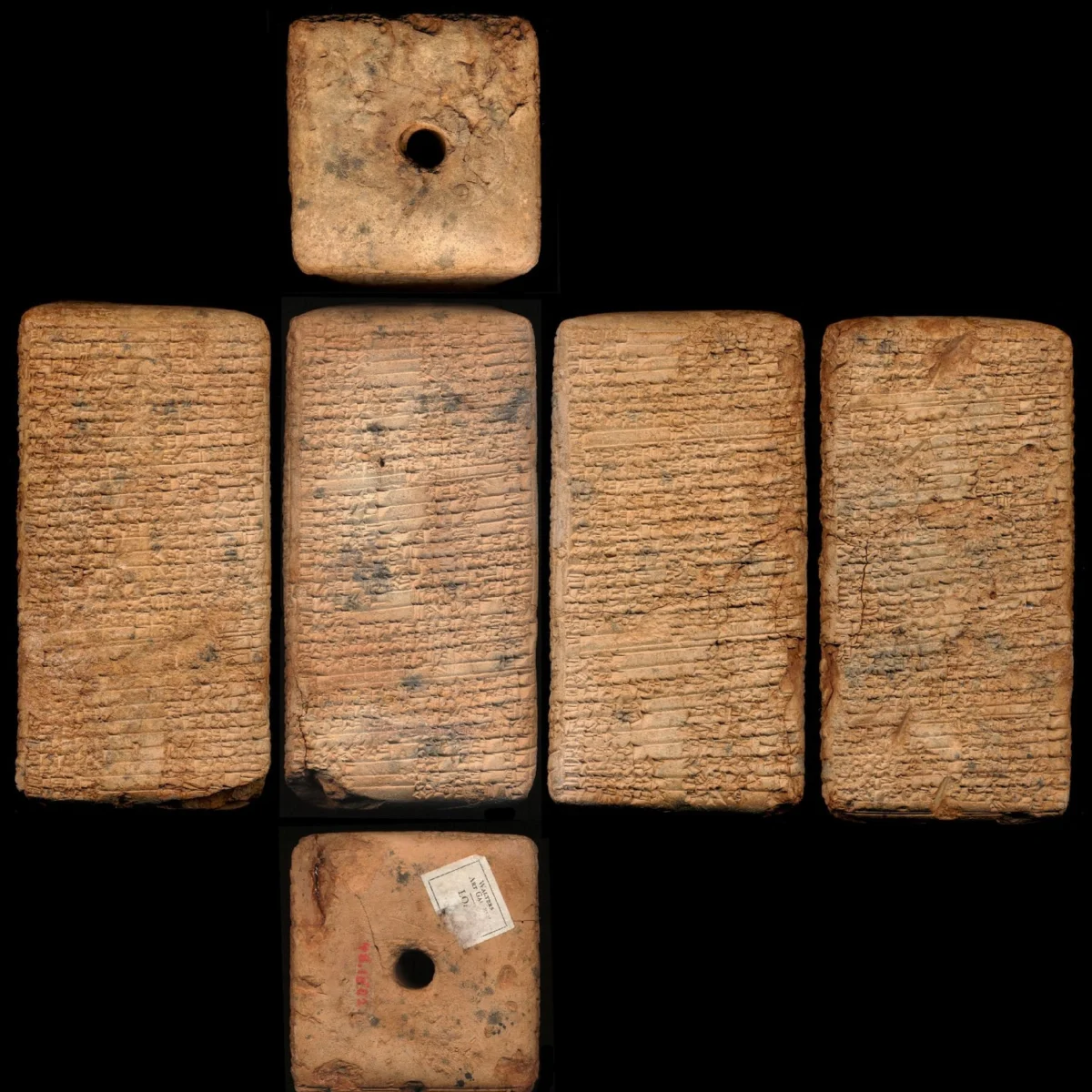
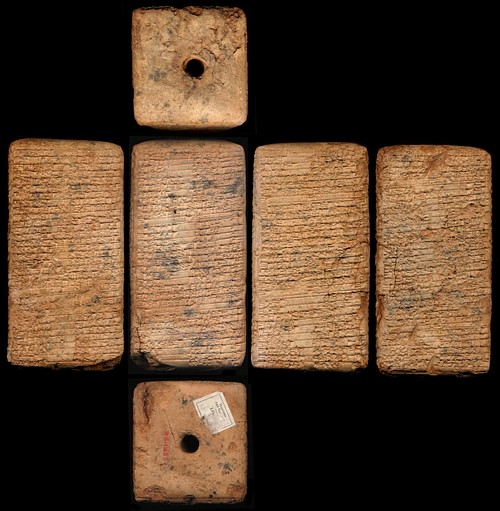
Nippur, Iraq – In the annals of human civilization, few artifacts speak as profoundly to the origins of faith and literature as the Kesh Temple Hymn. Dating back to approximately 2600 BCE, this Sumerian masterpiece stands as the world’s oldest extant work of religious literature, a vibrant echo from the dawn of recorded history. Discovered amidst the sprawling ruins of ancient Nippur, this cuneiform tablet offers an unparalleled glimpse into the spiritual and intellectual life of Sumer, illuminating not only the intricate worship practices of its people but also potentially influencing religious narratives that would shape millennia.
This foundational text, a praise song dedicated to the venerated mother goddess Ninhursag and her temple in the elusive city of Kesh, is far more than a simple devotional chant. It is a meticulously structured poetic journey, composed in eight distinct sections, or "houses," that progressively describe the temple’s divine origins, its majestic architecture, the deities overseeing its operations, the rituals performed within its hallowed walls, and ultimately, a cautionary yet welcoming invitation into its sacred presence.
Main Facts: A Glimpse into Sumerian Spirituality
The Kesh Temple Hymn is a monumental achievement for several reasons. Primarily, its antiquity firmly places it at the very beginning of formal religious literature, predating many other significant ancient texts by centuries. Its Sumerian origin roots it in one of the earliest urban civilizations, a society renowned for its innovations in writing, law, and complex religious systems.
The hymn extols Ninhursag (also referred to as Nintud), a paramount figure in the Mesopotamian pantheon, revered as a mother goddess associated with creation, fertility, and the wild aspects of nature. The temple itself, located in the city of Kesh—a location that remains a subject of scholarly debate—is depicted as a cosmic axis, established by the supreme god Enlil and organized by Nisaba, the goddess of writing and grain. Its description moves from the physical grandeur of the structure, adorned with intricate statuary and teeming with offerings, to the divine beings who animate its functions, including Ninhursag’s son, the war god Acgi.
Crucially, the hymn’s language and thematic elements suggest a profound theological depth. It employs vivid imagery, repetitive rhetorical questions emphasizing the temple’s unparalleled majesty, and a striking admonition to "draw near – but do not draw near" in its conclusion. This paradox encapsulates the awe and reverence demanded in the presence of the divine, a sentiment echoed in later religious traditions. Beyond its direct religious function, the Kesh Temple Hymn also served a vital educational role, becoming a cornerstone of the advanced curriculum in Sumerian scribal schools.
Chronology: Tracing the Ancient Echoes
The timeline surrounding the Kesh Temple Hymn spans millennia, connecting the distant past with more recent archaeological and linguistic discoveries.
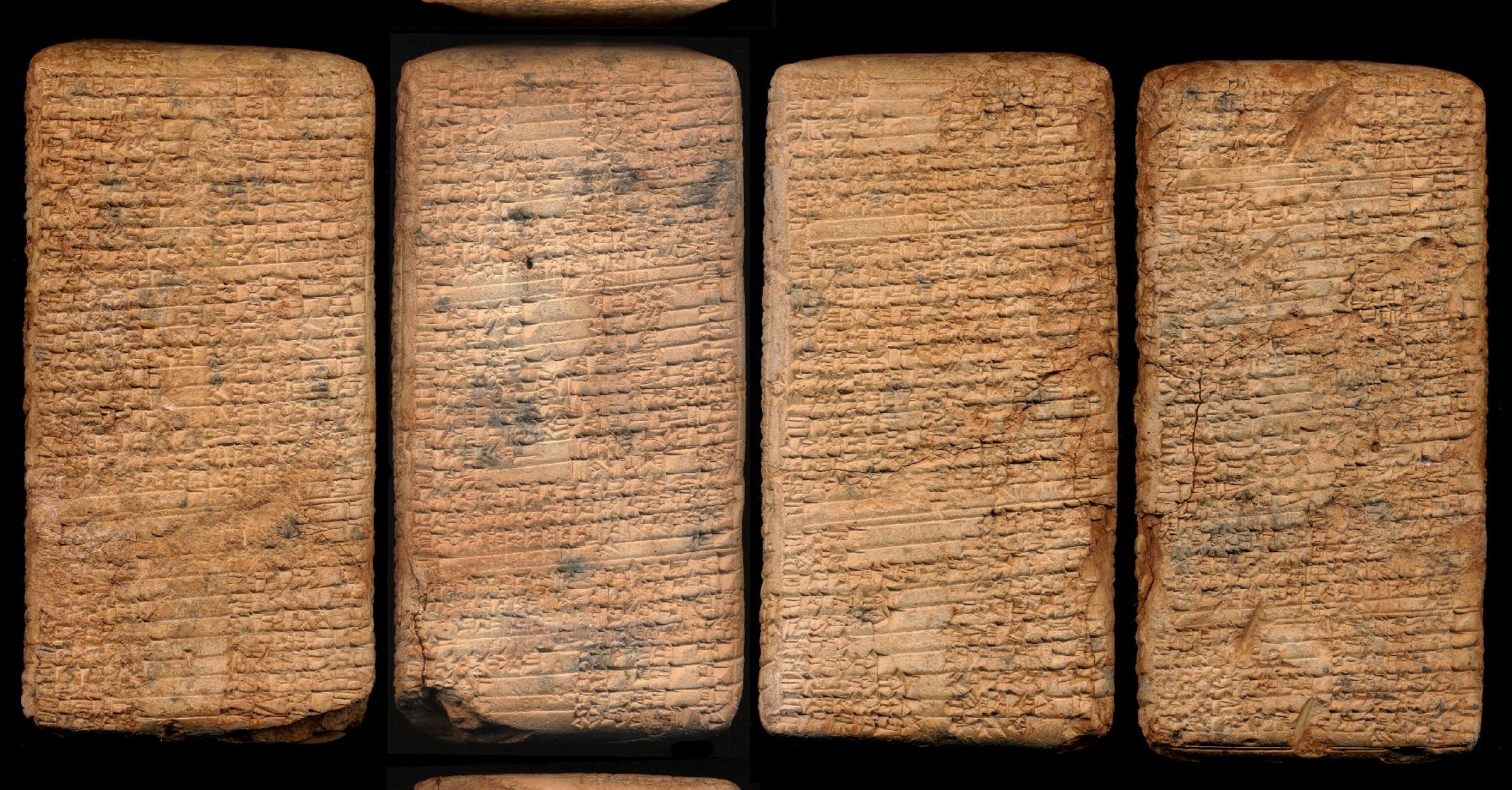
- Circa 2600 BCE: Composition and Early Dynastic Sumer: The hymn is composed during the Early Dynastic Period of Sumer, a time of significant urban development, the emergence of city-states, and the flourishing of cuneiform writing. This era saw the rise of powerful temple complexes as centers of religious, economic, and political life, embodying the cosmological order of the Sumerian world. The hymn thus reflects the sophisticated theological understanding and literary capabilities of this period.
- Circa 2600 BCE (Possible): Contemporaneity with The Instructions of Shuruppag: Scholarly debate places The Instructions of Shuruppag, another seminal Sumerian text, possibly as old as the Kesh Temple Hymn. If confirmed, this would mean that two of humanity’s earliest literary works—one religious, one philosophical—emerged concurrently, offering a holistic view of ancient Sumer’s intellectual landscape.
- 19th Century CE: Discovery in Nippur: The cuneiform tablet containing the Kesh Temple Hymn was unearthed during archaeological excavations at Nippur, a preeminent religious and intellectual capital of ancient Sumer. These discoveries were part of a broader wave of archaeological endeavors that brought Sumerian civilization to light for the modern world.
- 1909 CE: First Translation: The painstaking work of deciphering the cuneiform script led to the first translation of the hymn, unlocking its ancient wisdom and allowing scholars to begin to understand its significance. This marked a critical step in integrating Sumerian literature into the broader study of world history and religion.
- Later Periods (e.g., Ur III, Old Babylonian): Preservation and Transmission: While composed early, the hymn continued to be copied and studied in scribal schools throughout later periods, such as the Ur III period (c. 2112-2004 BCE) and the Old Babylonian period (c. 2004-1595 BCE). This sustained engagement ensured its survival and influence. Other hymns, like Enlil in the E-kur (c. 2000 BCE) and Shulgi and Ninlil’s Barge (reign of Shulgi, 2094-2046 BCE), demonstrate the ongoing tradition of ceremonial and celebratory literature surrounding deities and their temples, providing context for the hymn’s potential cultic use.
Supporting Data: Unpacking the Layers of Meaning
The richness of the Kesh Temple Hymn is revealed through a deeper exploration of its context, its literary features, and the cultural ecosystem from which it emerged.
Sumerian Civilization and the Role of Temples
Sumer, situated in Mesopotamia (modern-day Iraq), was a land of groundbreaking innovations. Its city-states, such as Ur, Uruk, Lagash, and Nippur, were characterized by monumental ziggurats and elaborate temple complexes. These temples were not merely places of worship but served as the economic, administrative, and spiritual heart of the city. They were believed to be the literal dwelling places of the gods, requiring constant upkeep, offerings, and praise to ensure divine favor and the prosperity of the community. The Kesh Temple Hymn perfectly embodies this worldview, portraying the temple as a living entity, a "fierce bull" or a "princely barge," imbued with divine power and essential for the well-being of the land.
The Pantheon: Ninhursag, Enlil, and Nisaba
- Ninhursag (Nintud): Central to the hymn, Ninhursag was one of the "seven great gods" of Sumer. Her name means "Lady of the Mountain" or "Lady of the Foothills," associating her with the fertile earth. She was a mother goddess, often depicted assisting in the creation of humanity and nurturing life. The hymn’s praise of her as the "lady Nintud" underscores her role as a universal mother, giving birth to heroes and sustaining the land. Her prominence in the hymn suggests the temple of Kesh was a significant center for her cult.
- Enlil: The supreme god of the Sumerian pantheon, Enlil ("Lord Wind") was the god of air, wind, storm, and the "Tablet of Destinies." He was responsible for establishing order in the cosmos and was often seen as the primary mover behind the creation and organization of the world. His role in founding the Kesh temple highlights its divine sanction and importance.
- Nisaba: A lesser-known but crucial deity, Nisaba was the goddess of writing, scribes, and grain. Her involvement in "weaving" the temple "intricately like a net" and holding its plans "written on tablets" emphasizes the sacredness of knowledge and the divine origin of order and administration. Her presence also foreshadows the hymn’s later use in scribal schools.
- Acgi (Asgi/Ashgi): Ninhursag’s son, Acgi, was a war god and initially perhaps the primary patron of Kesh. The hymn’s focus on Ninhursag, while still honoring Acgi, might suggest a shift in the city’s principal veneration or a celebration of Ninhursag’s overarching authority.
The Mystique of Kesh and Nippur
The identity of Kesh remains one of the hymn’s enduring mysteries. While some scholars propose it is an alternate name for the well-known city of Kish—one of Sumer’s oldest, dating to the Ubaid Period (c. 6500-4000 BCE)—most evidence points to it being a distinct, as-yet-unidentified city. Kish was primarily associated with the goddess Inanna, and her veneration continued there even through the Akkadian Period (c. 2350-2154 BCE), making a complete shift to Ninhursag as its sole patron less likely. The existence of a separate city of Kesh underscores the vastness of the Sumerian urban landscape and the many centers of worship yet to be fully uncovered.
Nippur, where the tablet was found, was arguably the most important religious center in Sumer. It housed the E-kur, Enlil’s principal temple, and was considered the navel of the world, where heaven and earth met. Beyond its religious significance, Nippur was a thriving intellectual hub, home to numerous scribal schools, known as edubba ("House of Tablets"). These schools were crucial for training the literate elite who managed Sumerian society. The discovery of the Kesh Temple Hymn here is highly significant, indicating its status as a canonical text.
Literary Analysis: The Structure and Symbolism of the Hymn
The hymn’s eight "houses" systematically build a holistic picture of the Kesh temple:
- House 1: Divine Foundation: Enlil establishes Kesh, and Nisaba organizes its divine blueprint. The temple is "rooted in the abzu," the primordial cosmic waters associated with wisdom and the deep, connecting it to the very source of existence.
- Houses 2-3: Architectural Grandeur: These sections vividly describe the temple’s physical magnificence, using metaphors of powerful animals (bison, stag, wild sheep) and cosmic phenomena (rising sun, spreading moonlight). References like "10 car" and "5 bur" (ancient units of measurement) suggest immense scale.
- House 4: Sacred Offerings: Details the rituals and offerings, emphasizing the temple’s role as a nexus for interaction between the human and divine.
- House 5: The Divine Inhabitants: Focuses on the deities dwelling within—Acgi embellishing the temple, Nintud assisting births, Sul-pa-e acting as lord, and Urumac (deity of the plains) also present.
- House 6: Renewed Praise for Appearance: Reaffirms the temple’s majestic aesthetic, using powerful imagery.
- House 7: Temple Operations and Rituals: Describes the continuous activity within the temple, from priests performing sacrifices to musicians playing instruments like the tigi drum, creating a vibrant soundscape of devotion.
- House 8: The Admonition and Conclusion: The famous "draw near – but do not draw near" statement encapsulates the reverence and sacred boundary associated with divine presence. The hymn concludes with a powerful praise for Kesh, Acgi, and Nintud.
The recurring rhetorical triad – "Will anyone else bring forth something as great as Kesh? Will any other mother ever give birth to someone as great as its hero Acgi? Who has ever seen anyone as great as its lady Nintud?" – serves as a powerful refrain, reinforcing the unparalleled greatness of the city, its hero, and its goddess.
Official Responses: Scholarly Interpretations and Enduring Debates
The Kesh Temple Hymn has been a subject of intense scholarly interest since its translation. Jeremy Black and his team’s translation in The Literature of Ancient Sumer is a standard reference, offering insights into the linguistic nuances and cultural context.
One of the most significant scholarly discussions revolves around the hymn’s potential influence on later religious texts, particularly the Bible. Scholars point to striking parallels in imagery, symbolism, and the very form of praise found in the Kesh Temple Hymn and certain biblical passages, notably the Book of Genesis. Themes such as the divine establishment of a sacred space, the veneration of a powerful mother figure, and the sense of awe in the divine presence resonate across these texts. While direct lineal descent is difficult to prove, the shared cultural milieu of the ancient Near East suggests a common pool of literary and theological motifs that may have been transmitted and adapted across cultures over time. This claim posits the hymn as a possible foundational text influencing the broader stream of Abrahamic religious thought.
The debate over the actual location of Kesh continues to engage archaeologists and historians. The lack of definitive archaeological evidence for a separate city named Kesh means its existence largely rests on textual references like this hymn. The discussion often highlights the challenges of reconciling ancient literary records with the tangible remains unearthed by excavation.
Furthermore, scholars debate the precise function of the hymn. While its use in scribal schools is well-documented, its rich descriptive language and praise suggest it could also have been performed during formal temple celebrations or festivals. These events, common in ancient Mesopotamia, often included the recitation of pertinent texts to honor deities and commemorate significant events, thereby reinforcing the communal bond with the divine.
Implications: A Window into Humanity’s Spiritual Journey
The Kesh Temple Hymn carries profound implications for our understanding of ancient history, religion, and the evolution of human thought.
- Understanding Early Religion: It offers an invaluable primary source for comprehending the intricate religious beliefs, practices, and cosmological worldview of early Sumerian civilization. It demonstrates the sophisticated theological concepts that underpinned their society, revealing the deeply intertwined nature of governance, economy, and faith.
- The Genesis of Literature: As the oldest religious poem, it marks a pivotal moment in the development of human literature. Its structured narrative, poetic devices, and thematic depth showcase early mastery of literary form and expression, setting a precedent for subsequent epic poems, hymns, and sacred texts across cultures.
- Scribal Traditions and Education: The hymn’s inclusion in the edubba‘s "Decad" curriculum highlights the crucial role of scribal schools in preserving, transmitting, and shaping intellectual and religious traditions. It underscores that literacy was not merely a practical skill but a gateway to profound cultural and spiritual knowledge, instilling reverence for the divine and the literary heritage.
- Cultural Legacy and Intertextuality: The potential influence on biblical texts underscores the interconnectedness of ancient Near Eastern cultures and the complex ways in which religious ideas, narratives, and literary forms migrated and transformed across different societies. It reminds us that religious traditions often draw from a rich tapestry of shared human experiences and expressions.
- Archaeological Significance: The discovery of the hymn in Nippur reaffirms the immense value of archaeological endeavors in unearthing lost civilizations and their profound contributions to human heritage. Each cuneiform tablet is a time capsule, offering direct access to the voices and minds of people who lived millennia ago.
In conclusion, the Kesh Temple Hymn is far more than an ancient poem; it is a testament to humanity’s earliest expressions of devotion, a cornerstone of religious literature, and a vibrant thread in the intricate fabric of cultural exchange across the ancient world. Its enduring power lies in its ability to transport us back to a time when gods walked among mortals, and temples stood as majestic bridges between the earthly and the divine, shaping the very foundations of human spirituality and intellectual endeavor.