The Resurrection of a Relic: Tom Selleck’s Occult Debut "Daughters of Satan" and the Cult of Tubi
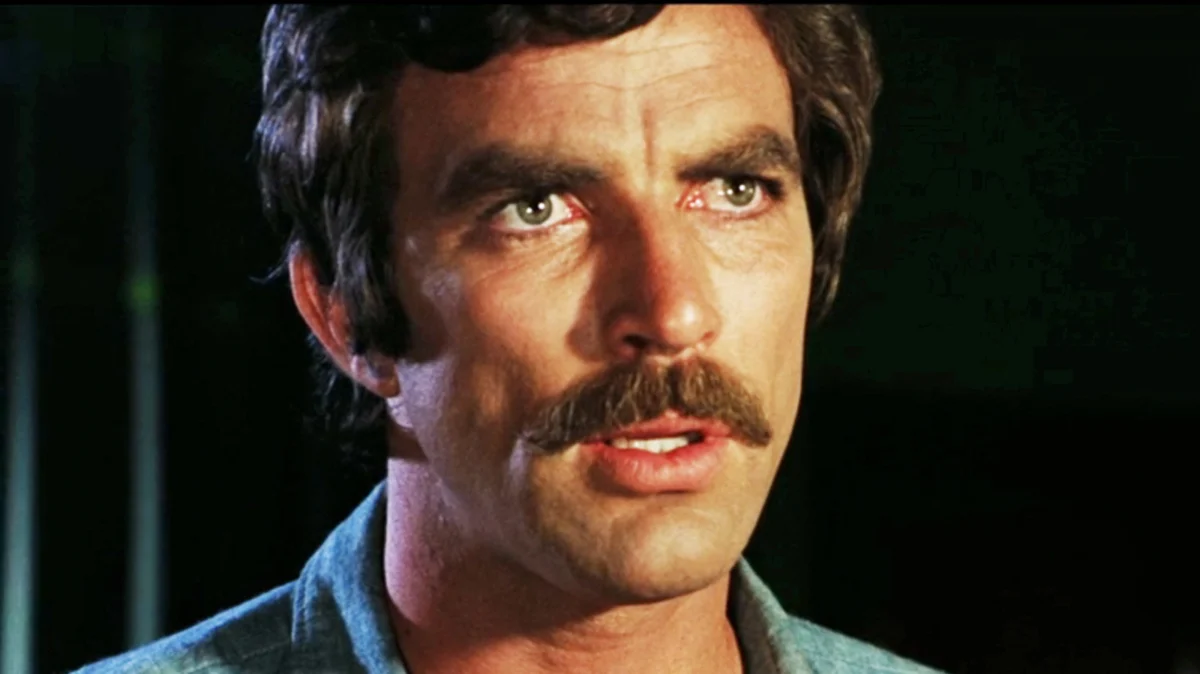
Before he was the quintessential American private investigator with a signature mustache and a Ferrari, and long before he almost donned the fedora of Indiana Jones, Tom Selleck was a young actor navigating the experimental and often gritty landscape of 1970s genre cinema. While modern audiences recognize him as the patriarch of Blue Bloods or the titular hero of Magnum, P.I., a digital excursion into the archives of the streaming service Tubi reveals a far more esoteric chapter of his career.
The 1972 horror film Daughters of Satan represents a pivotal, if often overlooked, milestone: Selleck’s first leading role in a feature film. Today, this low-budget occult thriller has transitioned from a forgotten B-movie to a fascinating cult curiosity, offering a window into the "Satanic Panic" precursors of the early 1970s and the raw beginnings of one of television’s most enduring stars.
Main Facts: A Supernatural Debut in Manila
Directed by Hollingsworth Morse, Daughters of Satan is a psychological and supernatural horror film that centers on James Robertson (Tom Selleck), an American art collector and museum curator living in Manila, Philippines. The narrative engine is ignited when Robertson purchases an ancient painting from 1592 depicting the burning of three witches at the stake. To his horror and fascination, he discovers that one of the condemned women in the artwork bears an uncanny resemblance to his wife, Chris (played by Barra Grant).
The film follows Robertson as he descends into a rabbit hole of ancestral curses and occult conspiracies. It soon becomes apparent that the painting is not merely a historical artifact but a gateway for a coven of witches seeking vengeance and rebirth. As Chris begins to exhibit signs of possession and knowledge of the coven’s history that she could not possibly possess, Robertson must confront the terrifying possibility that his family is the target of a centuries-old vendetta.
Released by United Artists, the film was part of a wave of early 70s horror that sought to capitalize on the growing public fascination with the supernatural, following the success of films like Rosemary’s Baby (1968) and preceding the cultural explosion of The Exorcist (1973). While it did not achieve mainstream success at the time, its availability on free-to-watch platforms like Tubi has allowed a new generation of cinephiles to dissect its unique blend of exploitation tropes and atmospheric dread.
Chronology: The Evolution of a Leading Man
To understand the significance of Daughters of Satan, one must look at the trajectory of Tom Selleck’s career during this era. In the early 1970s, Selleck was far from a household name. His entry into the entertainment industry was unconventional, beginning with appearances on The Dating Game in 1965 and 1967.
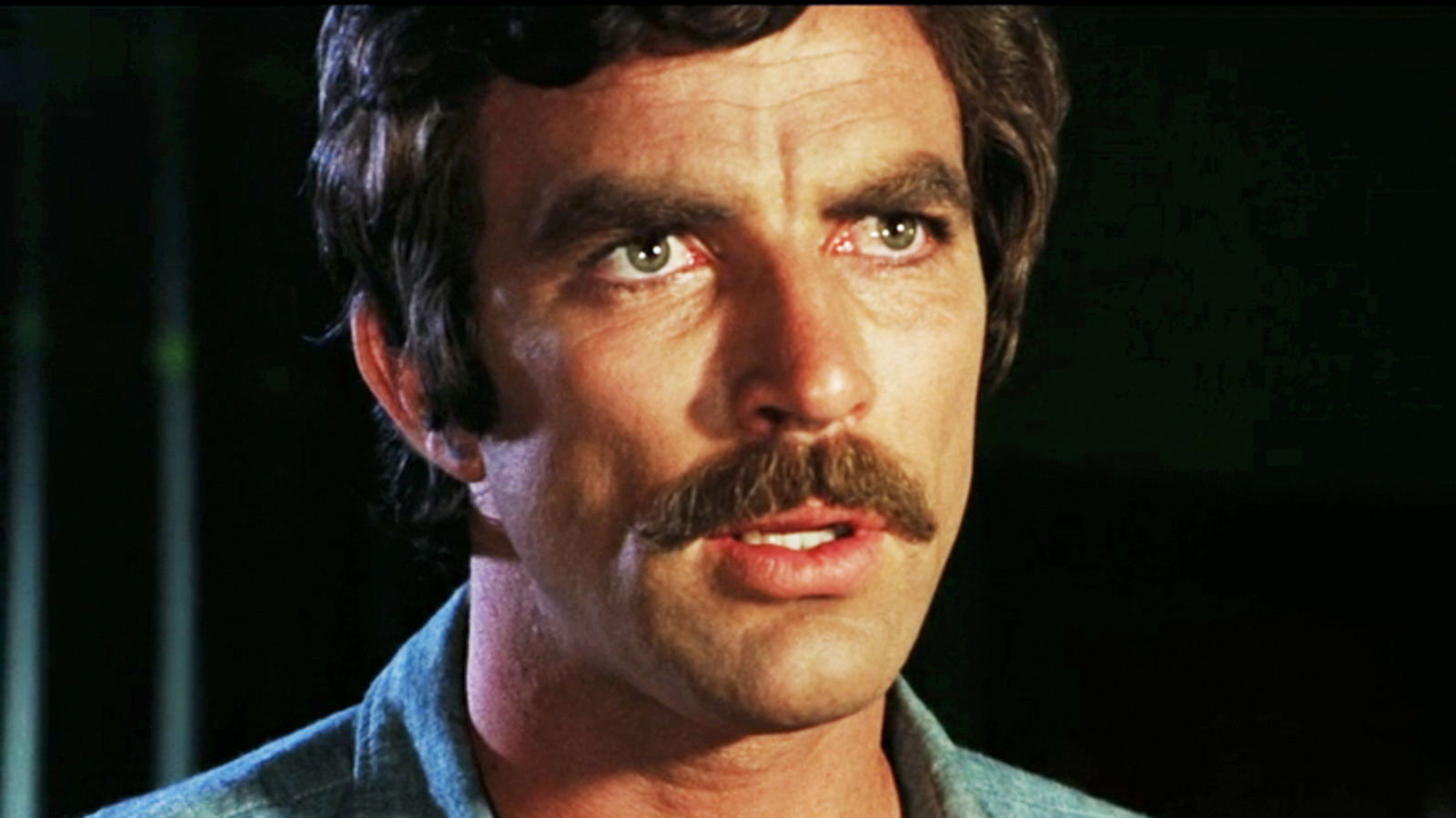
By 1970, he had secured minor roles, such as "Stud" in the satirical Myra Breckinridge and Phil Sanford in Russ Meyer’s The Seven Minutes. However, these were peripheral characters. Daughters of Satan in 1972 was the first time a studio gambled on Selleck as the primary protagonist.
The Pre-Magnum Era
Following this film, Selleck’s path to stardom remained gradual. Throughout the mid-to-late 1970s, he became a familiar face in commercials and guest-starred in various television series. A significant turning point occurred in the late 70s when he secured the recurring role of Lance White, a charmingly perfect private investigator who served as a foil to James Garner’s character in The Rockford Files. This role essentially served as the prototype for Thomas Magnum.
The ultimate irony of Selleck’s chronology is the 1980 conflict between Magnum, P.I. and Raiders of the Lost Ark. Selleck was Steven Spielberg’s first choice for Indiana Jones, but his contract with CBS for Magnum prevented him from taking the role. By the time production on Magnum was delayed due to a writers’ strike—which would have allowed him to film Raiders—the role had already been recast with Harrison Ford.
Looking back at Daughters of Satan through this chronological lens, we see a "pre-iconic" Selleck. He already possessed the physical stature and the burgeoning mustache that would define his look, but he was still refining the screen presence that would later make him a global superstar.
Supporting Data: Production and Cultural Context
The production of Daughters of Satan is as much a relic of its time as the plot itself. The film was directed by Hollingsworth Morse, a veteran of the television industry. Morse was a "workhorse" director, having helmed over 50 episodes of The Lone Ranger, along with installments of Zorro, The Dukes of Hazzard, and The Fall Guy. His transition to feature films was rare, and Daughters of Satan reflects a television director’s sensibilities applied to the more permissive world of 1970s exploitation cinema.
The Manila Connection
A notable aspect of the film is its setting. In the 1970s, the Philippines became a popular hub for low-budget American filmmaking due to low production costs and the availability of experienced local crews. Daughters of Satan was shot on location in Manila, lending the film a tropical, somewhat claustrophobic atmosphere that distinguishes it from the suburban horror common in the United States at the time.
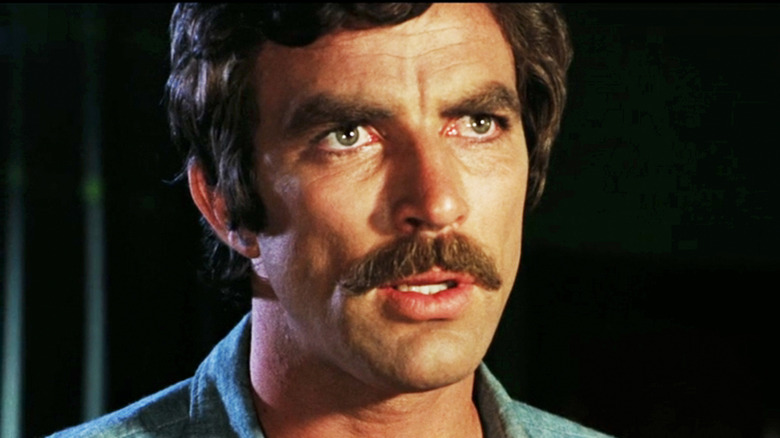
According to records from the American Film Institute (AFI), Daughters of Satan was filmed back-to-back with another horror film titled Superbeast. The two movies shared the same crew and many of the same resources, a common strategy for independent production companies like Aubrey Productions to maximize their budget. Upon their release in the United States, the two films were often screened as a "double feature," providing audiences with a full night of macabre entertainment for the price of a single ticket.
The Aesthetic of Exploitation
The film sits at the intersection of "B-movie" horror and the "exploitation" genre. While it attempts a serious narrative about reincarnation and the occult, it frequently indulges in the tropes of the era, including graphic violence and gratuitous nudity. One of the more jarring elements for modern viewers is the inclusion of scenes featuring the torture of witches, which are presented with a level of intensity that clashes with the film’s otherwise slow-burn psychological pacing.
Official Responses: Selleck Reflects on His Roots
For decades, Daughters of Satan remained a footnote in Selleck’s biography, rarely discussed in interviews. However, as the film found a second life on streaming platforms, the actor has occasionally been asked to reflect on his debut as a leading man.
In a 2015 interview with The AV Club, Selleck displayed a mixture of humor and mild embarrassment when the film was mentioned. When the interviewer brought up his role as James Robertson, Selleck responded with dry sarcasm: "What a role. You know, that really should be re-released."
Upon being informed that the film was, in fact, widely available to stream, Selleck’s reaction was a resigned sigh followed by a lighthearted defense of his early work. "Yes, I expect it is," he noted. "Well, look, at least I had fun!"
This response is typical of Selleck’s public persona—modest and self-deprecating. While he may not view Daughters of Satan as a crowning achievement in his filmography, his acknowledgment of the "fun" had on set suggests a fondness for the era when he was still an aspiring actor willing to take on strange, low-budget projects in distant locales.
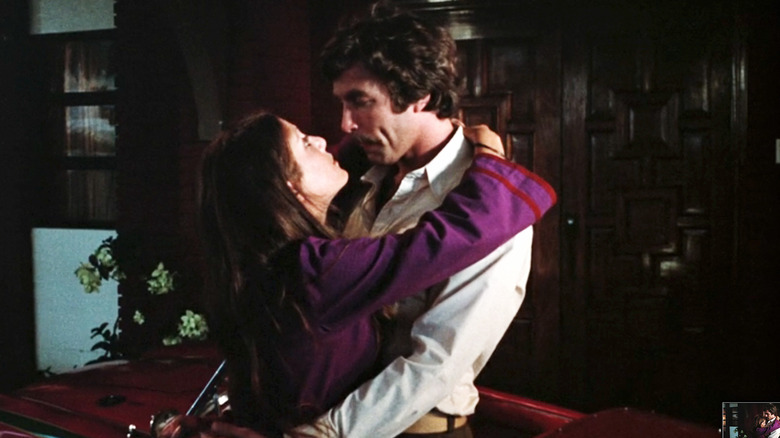
Implications: The Digital Preservation of Cult Cinema
The resurgence of Daughters of Satan on platforms like Tubi carries broader implications for the film industry and the preservation of cinema history.
1. The "Tubi Effect"
Streaming services have fundamentally changed the "shelf life" of films. In the era of physical media, a movie like Daughters of Satan might have disappeared into the void of out-of-print VHS tapes. Today, it exists as part of a digital library that prioritizes "long-tail" content. For horror fans and "Selleck completists," the ease of access provided by Tubi has turned a forgotten relic into a shared cultural experience.
2. Pre-Satanic Panic Sociology
The film serves as a sociological artifact. It was produced just before the "Satanic Panic" of the 1980s—a period of mass hysteria regarding alleged cult activities in the United States. Daughters of Satan shows how Hollywood was already priming the pump for these fears, utilizing the "witch coven" trope to tap into a growing societal anxiety about the breakdown of traditional religious and family structures.
3. The Evolution of the Leading Man
Finally, the film offers a rare look at the "unpolished" leading man. Modern stardom is often carefully curated from the start, but Selleck’s journey shows the value of the "apprenticeship" phase of an actor’s career. Watching him navigate the clunky dialogue and bizarre plot twists of Daughters of Satan provides a deeper appreciation for the craft he would eventually master in his later, more prestigious roles.
In conclusion, Daughters of Satan is more than just a "creepy ’70s movie." It is a testament to the unpredictable nature of Hollywood careers and the enduring power of cult cinema. Whether viewed as a serious horror attempt, a campy exploitation flick, or a historical document of Tom Selleck’s early days, the film remains a compelling reason to keep digging through the digital crates of the streaming era. For those looking to recreate the drive-in experience of 1972, a double feature of Daughters of Satan and Superbeast is only a click away.