The Mobile Suit Maneuver: Gundam Card Game Rises Amidst TCG Boom
The landscape of trading card games (TCGs) is currently experiencing an unprecedented renaissance, marked by a surge of innovation, diverse gameplay mechanics, and intense competition for player attention. While venerable titans like Magic: The Gathering and Pokémon Trading Card Game continue to command significant market share and cultural discourse, a new generation of TCGs is carving out substantial niches, often leveraging powerful intellectual properties (IPs) to captivate both seasoned enthusiasts and newcomers. At the forefront of this movement is Bandai, a global entertainment conglomerate renowned for its vast portfolio of anime-based IPs, which it has skillfully translated into a burgeoning line of successful card games.
This strategic pivot has seen Bandai launch popular TCGs based on beloved franchises such as Digimon, One Piece, and Dragon Ball Super Card Game, with the recently announced Naruto Card Game further expanding its reach. Among these, the Gundam Card Game stands out as a compelling entry, celebrated for its engaging mechanics, robust competitive scene, and unique approach to gameplay. This article delves into the core appeal of the Gundam Card Game, offering a comprehensive review and a practical guide for prospective players looking to embark on their journey into its strategic depths.
A New Era for Trading Card Games
The current TCG boom is characterized by several key factors: increased accessibility through digital platforms, a growing global community, and a renewed focus on both competitive play and collectibility. Bandai, with its unparalleled access to globally recognized anime IPs, is uniquely positioned to capitalize on this trend. These licenses provide an immediate draw, offering a familiar entry point for fans of the respective series, while the underlying game design aims to deliver a compelling and sustainable gameplay experience.
However, this boom is not without its complexities. The "investor market" has significantly impacted the TCG space, particularly for games like One Piece, where scarcity and speculative buying can drive up prices and challenge accessibility for casual players. Despite these market dynamics, Bandai’s TCGs, including Gundam Card Game, have largely maintained vibrant competitive scenes, fostering dedicated communities that prioritize play over pure investment. The Gundam Card Game, celebrating its first year in English, exemplifies this balance, offering an affordable entry point for players while still attracting collector interest.
Unpacking the Gundam Card Game: A Newtype of Strategy
The Gundam Card Game distinguishes itself with a design philosophy that marries accessibility with profound strategic depth. It boasts a "low skill floor, high skill ceiling" gameplay model, making it remarkably easy for beginners to grasp the fundamental rules while offering layers of complexity for those seeking mastery.
Core Mechanics: The Foundation of Conflict
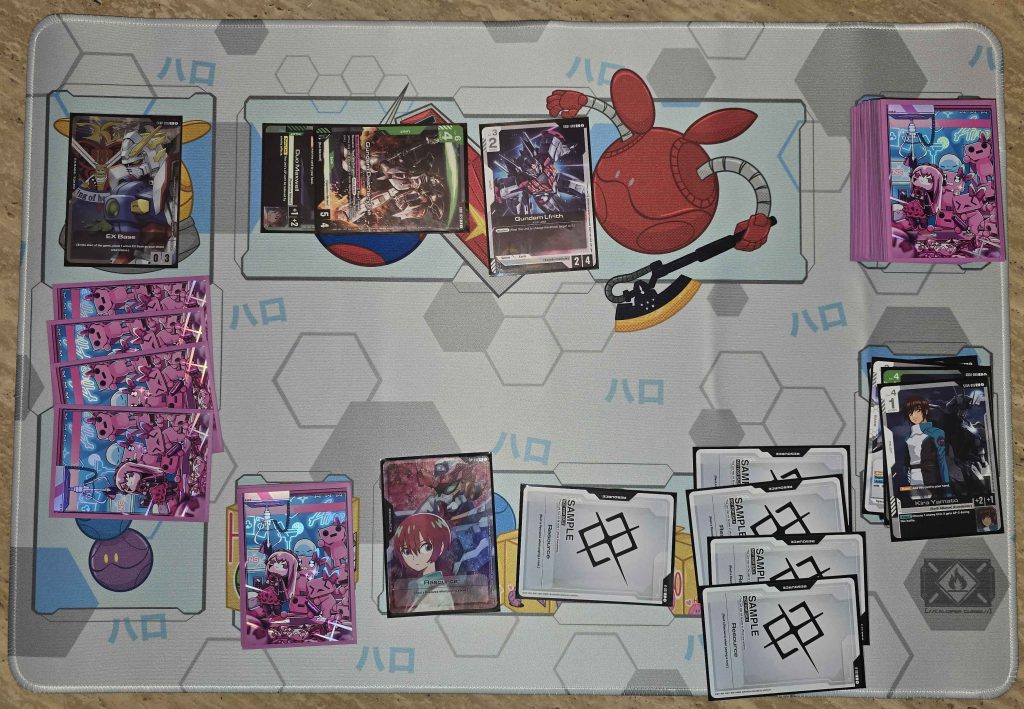
Each player in the Gundam Card Game constructs a 50-card deck, supplemented by a separate 10-card Resource pile and a starting Base card. This foundational setup dictates the initial resources and defensive capabilities available to players.
- The Resource System: Central to Bandai’s TCGs, the Resource mechanic in Gundam Card Game involves a distinct pile of cards used to pay for in-game actions and deploy units. This system, while bearing a conceptual resemblance to "Lands" in Magic: The Gathering, differs significantly by existing outside the main deck. This design choice largely mitigates the "resource screw" or "flood" issues that can plague other TCGs, ensuring a more consistent and strategic resource allocation phase without relying on draw luck. Players typically activate Resources at the start of their turn, adding them to their available pool to fuel their strategies.
- Card Types: The game’s strategic diversity stems from its four primary card types:
- Mobile Suits: These are the iconic combat units, forming the backbone of offensive and defensive strategies. Each Mobile Suit boasts unique attack values, defense, and often special abilities that can turn the tide of battle.
- Pilots: These character cards can be equipped to Mobile Suits, granting them additional benefits, abilities, or stat boosts. The synergy between specific Pilots and Mobile Suits is a cornerstone of advanced deckbuilding.
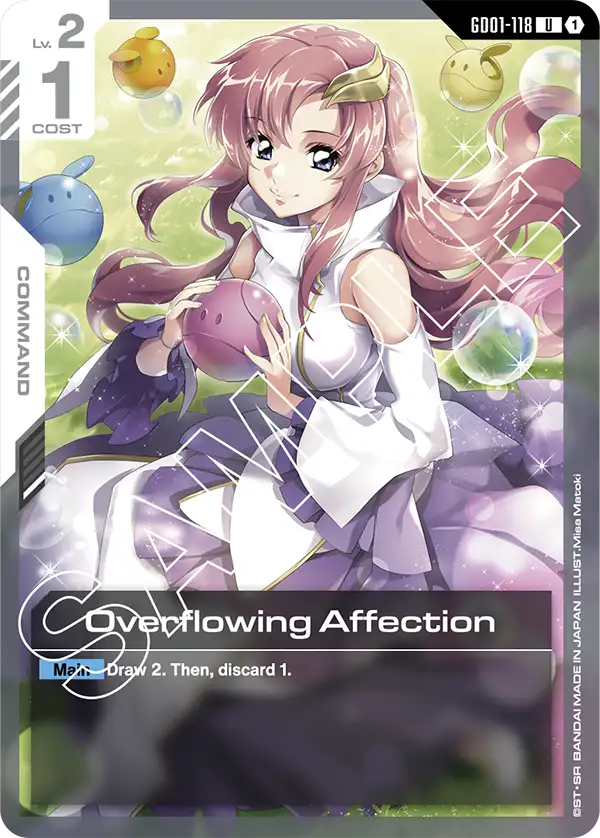
- Command Cards: Functioning as instant actions or spells, Command cards provide immediate tactical advantages, ranging from drawing additional cards and searching the deck to dealing direct damage or manipulating the game state. They introduce reactive elements and allow for sudden shifts in momentum.
- Base Cards: Beyond the initial starting Base, players can deploy other Base cards from their deck to replace their existing one, often providing enhanced defensive capabilities or unique passive effects that influence the overall game strategy.
- Shields and Damage: A crucial defensive mechanic, players begin the game by placing six cards from the top of their deck face down next to their Base, forming a "Shield" zone. Similar to mechanics in One Piece Card Game, when a player takes damage, a Shield card is flipped. If the card has a "Burst" action, its effect triggers immediately; otherwise, it is sent to the Trash (discard pile). Losing all six Shields and then taking subsequent damage to the Base results in a game loss, emphasizing the importance of managing defensive resources.
Strategic Depth: Tempo, Linking, and Combat
The Gundam Card Game‘s gameplay flow is designed for speed and tactical decision-making, with average matches lasting between 25 to 35 minutes.
- Turn Structure and Levels: Players draw five cards, with an optional mulligan. The first player starts at Level 1, while the second player receives an "EX Resource" card. This EX Resource, when expended, not only provides an immediate Level boost but also acts as a temporary resource, effectively balancing the inherent advantage of going first. "Level" determines which cards can be played, while "Resources" dictate what can be paid for, creating a flexible and dynamic turn structure.
- Unit Deployment and Attacks: Newly deployed Mobile Suits typically cannot attack on the same turn, fostering a strategic buildup phase. However, specific card abilities can circumvent this rule, adding an element of surprise. Players have crucial choices in combat: they can target an opponent’s Base or Shields, or directly attack "Rested" (tapped) enemy units. This multi-pronged attack system prevents simple "race" strategies from dominating, instead encouraging calculated decisions about when to apply pressure and when to engage in unit-on-unit combat.
- Tempo and Aggression: During playtesting, a pure "hard aggro" strategy, relentlessly targeting Shields, often proved unsustainable. Such tactics frequently led to players running out of steam, leaving them vulnerable and unable to recover. Instead, the game rewards intelligent "Tempo" play – strategically managing resources, deploying units at optimal times, and making efficient trades. Matches are often closely contested, emphasizing the importance of board control and resource management over brute force.
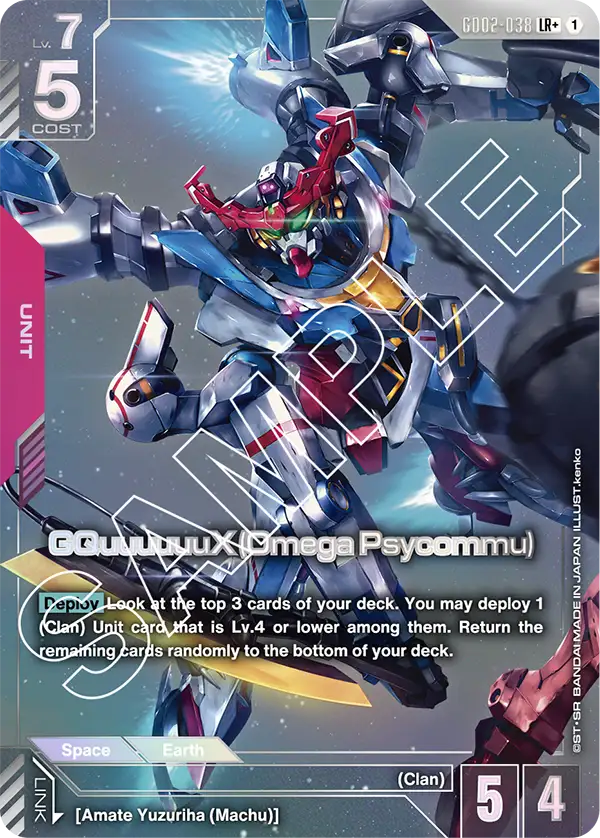
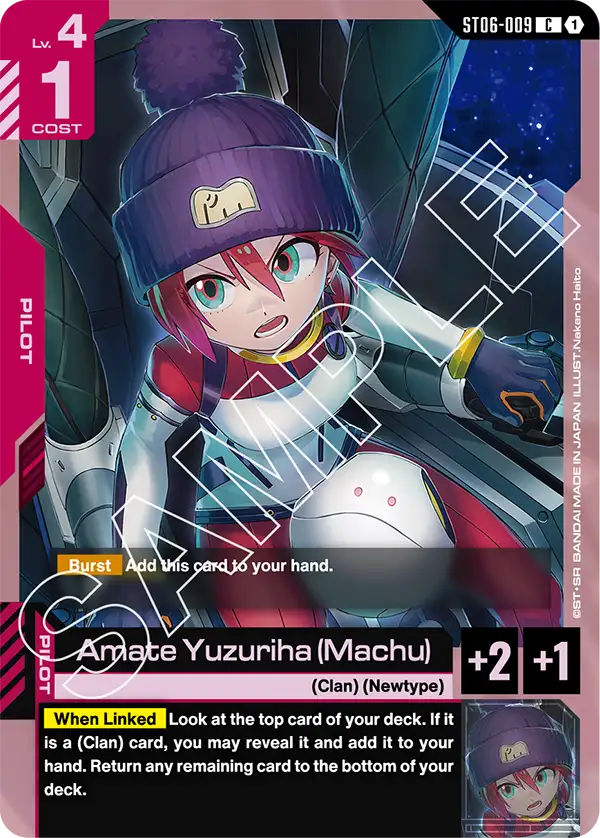
- Keywords and Synergy: Deck archetypes are often defined by "keywords," which link specific cards and strategies. For example, the "Clan" keyword is often associated with Gundam GQuuuuuuX units, signifying cards that synergize around this specific faction. This thematic cohesion extends to Pilots, who can "Link" with particular Mobile Suits. When a Pilot is linked to its designated Mobile Suit, the unit can activate immediately upon deployment and often gains additional powers or abilities, providing powerful tempo swings and rewarding thematic deck construction.
Multiplayer Variants: Expanding the Battlefield
While the primary focus is on 1v1 duels, the Gundam Card Game also supports 2-4 player free-for-all and 2v2 team battles. The Eternal Nexus set notably introduces unique cards specifically designed to enhance these multiplayer modes, offering different effects and strategic considerations when multiple players are at the table. While hands-on experience with these variants was limited for the initial review, their existence highlights Bandai’s commitment to providing diverse play experiences and expanding the game’s appeal beyond traditional competitive formats.
Navigating the Meta: Competitive Play vs. Fandom
The competitive meta of the Gundam Card Game is dynamic, with various viable strategies. While aggressive decks often see success, they are typically those that enable sustained aggression through card advantage and efficient unit deployment, rather than simple overwhelming force. The game’s design encourages a range of playstyles, from control-oriented strategies that aim to out-resource opponents to combo-driven decks that seek to assemble powerful synergies.
A unique challenge for licensed TCGs often arises in the tension between playing for competitive advantage and playing with one’s favorite characters or series. In Gundam Card Game, competitive decks tend to prioritize raw synergy and optimal card interactions over strict adherence to a single Gundam universe. While players can certainly build decks around specific Gundam series, they may need to make compromises if their goal is to compete at the highest levels. This means understanding the keywords and mechanics that align with preferred series, or embracing a more eclectic approach to deckbuilding.
Entry Points: How to Mobilize Your Collection
For new players, entering the Gundam Card Game offers several pathways, each with its own advantages and considerations.
Starter Decks: The First Step
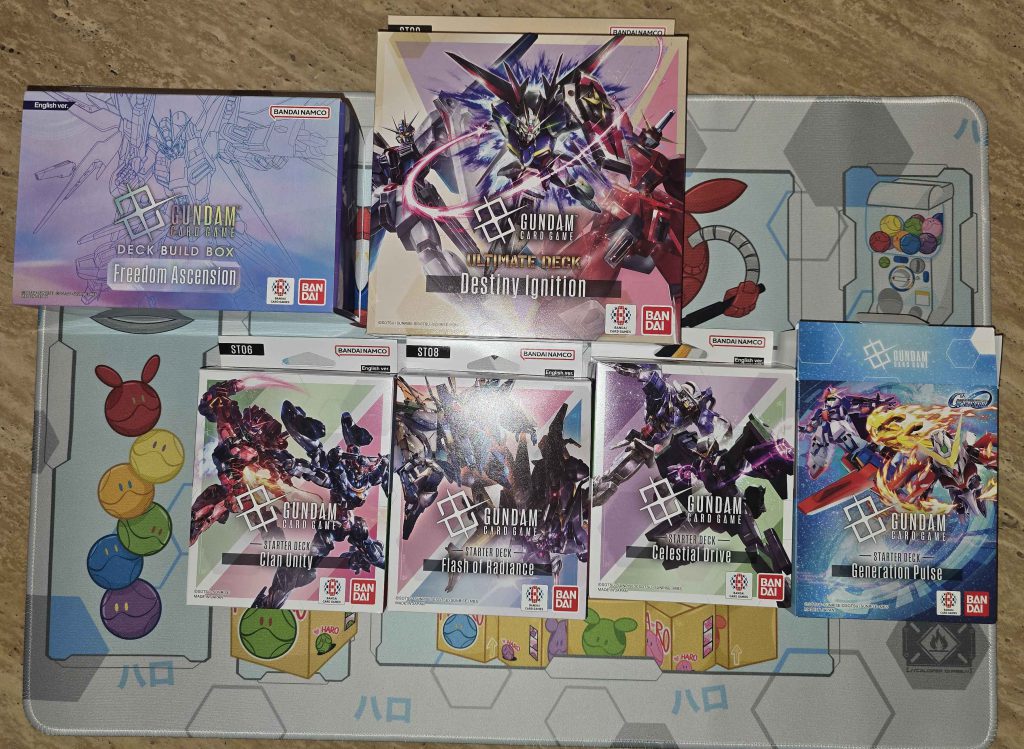
Bandai has made a concerted effort to provide accessible starter decks, offering balanced and fun introductions to the game’s mechanics. Popular examples include Clan Unity, Iron Bloom, Flash of Radiance, and Celestial Drive. These decks typically focus on specific keywords or archetypes, allowing players to immediately experience a cohesive strategy. Finding these starter decks is generally easier and more affordable than acquiring booster boxes, which often fall victim to the "investment market."
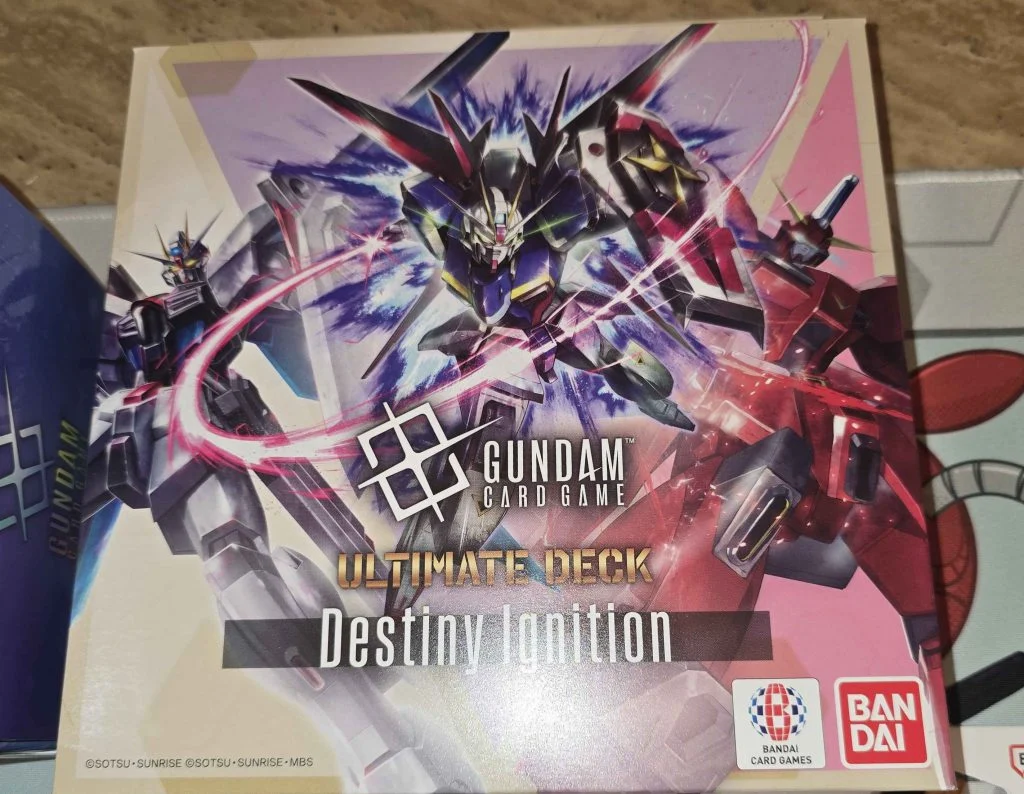
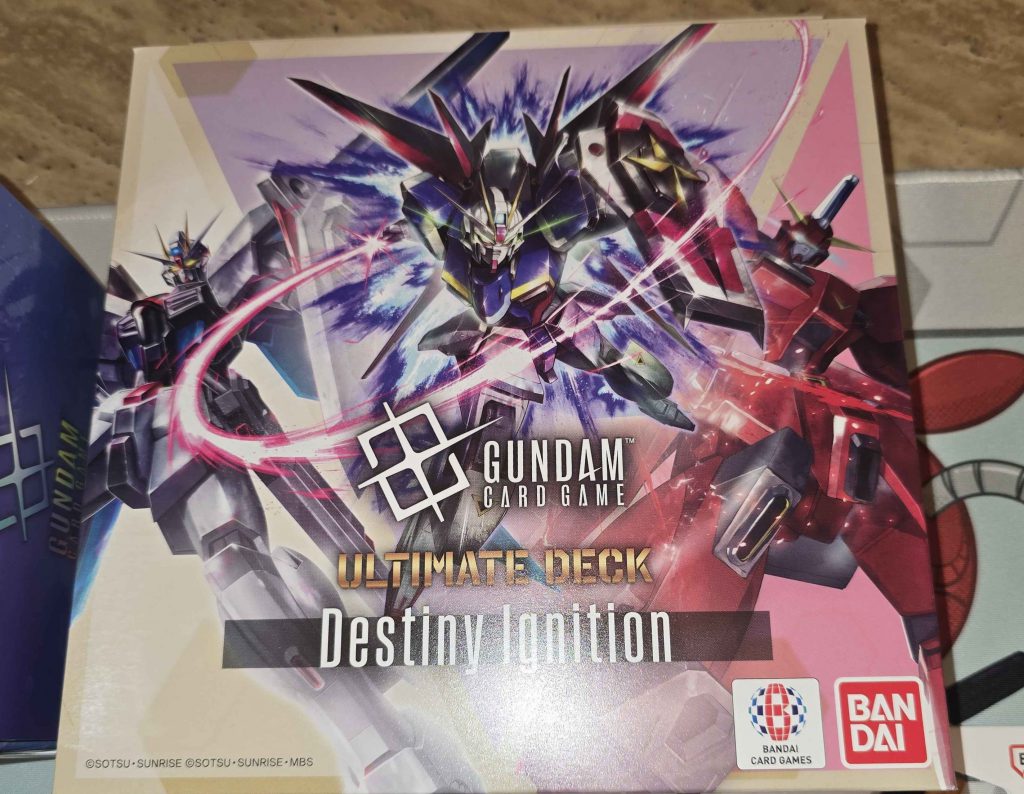
- Destiny Ignition: An innovative starter concept, Destiny Ignition provides a pre-built deck alongside a generous pool of additional cards, encouraging immediate customization and deck-building experimentation. This approach empowers new players to tinker with strategies and understand card synergies from the outset, a feature that could benefit many other TCGs.
- Freedom Ascension Deck Builder Box: Similar in concept, this box offers a curated selection of cards across different colors, allowing players to construct a custom deck. If found at or near its Manufacturer’s Suggested Retail Price (MSRP), it represents an excellent value proposition for building a foundational collection.
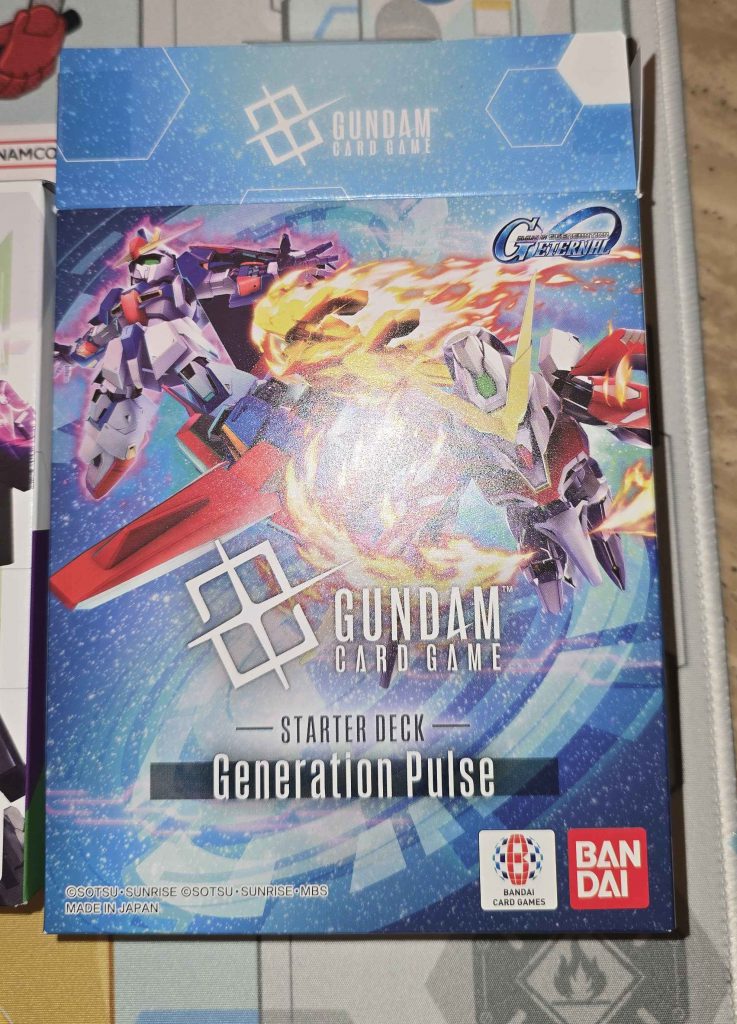
- Generation Pulse: This starter deck is specifically tailored for multiplayer variants from the Eternal Nexus set. While playable in 1v1, it may feel slightly disadvantaged against decks optimized for single-player duels, making it a niche but valuable entry for those interested in group play.
Singles Market: Building Your Arsenal
The "investment market" has impacted the availability and pricing of sealed booster products for Gundam Card Game, particularly with recent releases like Freedom Ascension seeing rapid sell-outs and inflated resale prices. However, the good news for players is that "playable" cards often do not align with the most sought-after "collector" cards (e.g., alternate art foils). This bifurcation keeps the cost of constructing competitive decks relatively affordable, typically ranging from $40 to $80 for a full 50-card deck, excluding premium rarities.
Building a deck from singles purchased online or at a Local Game Store (LGS) is a highly viable and often cost-effective method. It allows players to precisely acquire the cards needed for a specific competitive archetype. Furthermore, engaging with an LGS community can provide opportunities for trading staples and commonly used common cards, often at prices significantly below retail or online market rates.
The Road Ahead: A Bright Horizon for Gundam
The Gundam Card Game has successfully navigated its inaugural year in English, establishing itself as a robust and engaging entry in the competitive TCG landscape. With four new starter decks and additional booster sets already on the horizon, Bandai’s commitment to the game’s growth is evident. Furthermore, the strategic tie-ins with Gundam Assemble kits suggest a broader cross-promotional strategy that could further expand the game’s reach and appeal to the wider Gundam fanbase.
The game’s blend of accessible mechanics, strategic depth, and strong IP integration positions it for continued success. As the community grows and the meta evolves, the Gundam Card Game offers a dynamic and rewarding experience for players eager to pilot their favorite Mobile Suits into battle. The next phase of exploration will undoubtedly delve deeper into competitive deckbuilding, exploring specific deck synergies, strategic archetypes, and advanced gameplay techniques to help players master the art of the Mobile Suit maneuver.
Have any questions or feedback? Drop us a note in the comments below or email us at [email protected]. Want articles like this linked in your inbox every Monday morning? Sign up for our newsletter. And don’t forget that you can support us on Patreon for backer rewards like early video content, Administratum access, an ad-free experience on our website and more.