Castles in the Air: A New Tabletop RPG Weaving Gilded Age Dreams and Realities

Main Facts
A groundbreaking new tabletop roleplaying game (TTRPG), Castles in the Air, is set to transport players into the tender, transformative years of the Gilded Age, inviting them to collectively craft poignant coming-of-age narratives inspired by literary classics. Developed by Storybrewers Roleplaying, the game promises an immersive journey from the innocent wonders of childhood to the complex realities of adulthood, all set against the backdrop of late 19th-century America.
Castles in the Air stands out in the increasingly diverse TTRPG landscape by focusing squarely on collaborative storytelling, emotional depth, and character-driven drama rather than traditional combat or intricate mechanics. Its primary inspirations are the beloved period dramas Little Women by Louisa May Alcott, notably its acclaimed 2019 film adaptation directed by Greta Gerwig and featuring a star-studded cast including Saoirse Ronan, Emma Watson, Florence Pugh, Laura Dern, and Timothée Chalamet, as well as Lucy Maud Montgomery’s quintessential Anne of Green Gables, which saw a recent adaptation as a Netflix television series.
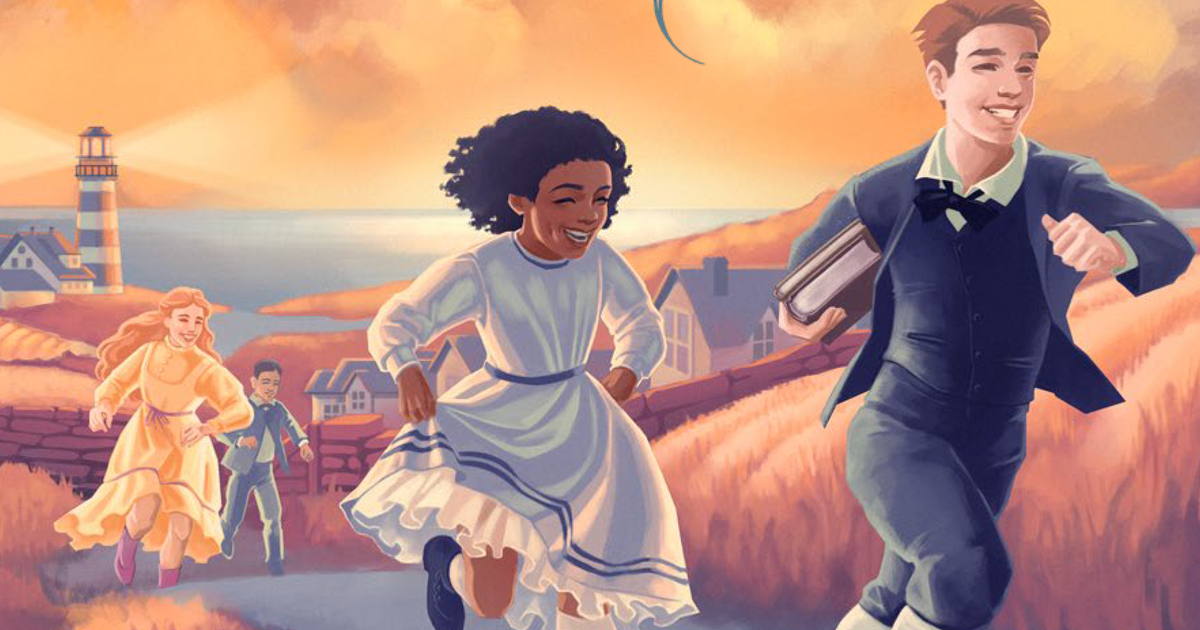
Players will guide a tight-knit group of characters as they mature from spirited children into adults, experiencing the societal shifts and personal revelations of the Gilded Age (1870s to 1890s). This era in American history was characterized by rapid industrialization, unprecedented economic growth, significant migration, and profound social stratification. The game is designed to explore both the idyllic joys and inherent challenges of growing up within such a dynamic period, emphasizing themes of friendship, ambition, rivalry, and the passage of time.
The Gilded Age: A Backdrop for Transformation
The choice of the Gilded Age as the setting for Castles in the Air is particularly apt for a coming-of-age narrative. This period, famously coined by Mark Twain and Charles Dudley Warner, was one of immense paradox: glittering on the surface with wealth and innovation, yet fraught with underlying social tensions, poverty, and political corruption. For the burgeoning young characters in Castles in the Air, this historical context provides a rich tapestry against which their personal stories can unfold.
Industrialization brought new opportunities but also stark class divisions, with burgeoning urban centers contrasting sharply with traditional rural life. While the game’s initial phase sees characters enjoying the simpler pleasures of a financially stable rural childhood—swimming in lakes, playing in farmlands, stargazing—their eventual journey into adulthood will inevitably confront them with the broader implications of this era. They might witness the stark disparities between the newly rich industrialists and the struggling working class, grapple with evolving gender roles, or experience the pull of modernization versus the comfort of tradition. These external pressures will undoubtedly shape their internal development, forcing them to reconsider their childhood dreams in the face of adult realities.
Collaborative Storytelling at its Core
Castles in the Air is not just a game played by individuals; it is an exercise in collective narrative creation. The system encourages players to build a shared history, developing intricate relationships and intertwining destinies for their characters. This collaborative approach ensures that the story is not dictated by a single gamemaster but emerges organically from the interactions and decisions of the entire group.
This means players will actively contribute to the world-building, defining the specific nuances of their shared childhood, the nature of their community, and the challenges they face. The game’s design likely incorporates mechanisms—such as prompts, shared journaling, or relationship matrices—to facilitate this joint narrative construction, allowing for a deeply personal and emotionally resonant experience. The focus is on the "how" and "why" of character development, exploring the motivations behind their choices and the impact of their relationships on their individual paths.
Character Arcs: From Innocent Dreams to Complex Realities
The core of Castles in the Air lies in its exploration of character evolution. Players begin as children, imbued with the boundless optimism and sometimes naive expectations characteristic of youth. They are a "tight-knit group," suggesting strong bonds and shared experiences that form the foundation of their future relationships. Their early lives, spent in idyllic pursuits, gradually give way to more complex emotional landscapes as they age.
As characters transition from childhood to adolescence, new feelings and ideas emerge. First crushes, budding rivalries, and the pangs of self-discovery become central. These interpersonal dynamics are not merely plot devices but integral components of the characters’ growth, forcing them to navigate emotions and social complexities. The game system facilitates the development of these relationships, allowing them to evolve from simple childhood friendships into intricate webs of affection, loyalty, jealousy, or even estrangement.
The ultimate phase sees the characters reaching adulthood, where their paths may diverge, leading to periods of separation and new life experiences. The promise of potential reunion adds a layer of anticipation and reflection, allowing players to explore the enduring power of foundational friendships. Character creation further supports this depth, offering archetypes like the "troublesome scamp," "studious bookworm," or "spoiled princess." Beyond these initial molds, players layer on individual "dreams," "childhood relationships," a "family background," and even a "bosom enemy," enabling them to craft figures as rich and multifaceted as the protagonists of their favorite period dramas. This level of detail allows for immediate emotional investment and rich role-playing opportunities.
Chronology
The Seeds of Inspiration: From Page to Play
The journey of Castles in the Air began with a deep appreciation for the timeless narratives of growth and self-discovery found in classic literature. The works of Louisa May Alcott and Lucy Maud Montgomery, in particular, provided the bedrock of inspiration. Little Women, with its exploration of sisterhood, artistic ambition, and the challenges of forging an independent path in a restrictive society, and Anne of Green Gables, with its vivid portrayal of an imaginative orphan finding her place and leaving an indelible mark on her community, resonate deeply with themes of transformation and enduring relationships.
The recent, highly successful adaptations of these stories, such as Greta Gerwig’s Little Women (2019) and Netflix’s Anne with an E (2017), underscore the enduring appeal of these narratives to contemporary audiences. These adaptations brought fresh perspectives and visual richness to beloved tales, demonstrating their continued relevance and emotional power. It was this enduring appeal and the universal relatability of coming-of-age stories that spurred designer Melia Carraway and Storybrewers Roleplaying to translate these literary experiences into an interactive TTRPG format. The goal was to allow players not just to consume these stories, but to actively participate in creating their own.
The Design Philosophy: Crafting Narrative Mechanics
Melia Carraway, credited as the primary designer and writer, embarked on the intricate process of distilling the essence of these literary inspirations into playable mechanics. The challenge lay in creating a system that could authentically simulate the passage of time, the evolution of relationships, and the nuanced emotional journey of growing up. While specific mechanical details are yet to be fully unveiled, the emphasis on "collaborative storytelling" suggests a system that prioritizes narrative prompts, shared world-building, and relationship tracking over dice-heavy combat or complex skill checks.
The game likely employs a framework that guides players through distinct phases of life – childhood, adolescence, and adulthood – with specific narrative triggers or prompts tailored to each stage. This could involve players collectively defining key childhood memories, marking significant adolescent milestones (first loves, major disagreements), and then navigating the diverging paths and potential reunions of adulthood. The inclusion of elements like "dreams," "childhood relationships," "family background," and "bosom enemy" in character creation hints at a robust system for generating rich backstories and driving interpersonal drama.
Storybrewers Roleplaying, co-founded by Vee Hendro and Hayley Gordon, brought their established expertise in narrative TTRPG design to the project. Their previous success with Good Society, a TTRPG inspired by the works of Jane Austen, provided a strong foundation. Good Society similarly focuses on social drama, intricate relationships, and character development within a specific historical period. This prior experience likely informed the mechanical approaches and narrative sensitivities applied to Castles in the Air, ensuring a polished and engaging experience for players seeking emotional depth and rich storytelling.
The Crowdfunding Campaign: Bringing Dreams to Life
The development culminated in the launch of a Kickstarter crowdfunding campaign, designed to secure the necessary funds for production and bring Castles in the Air to a global audience. The campaign, which runs until June 9th, offers various tiers for backers to support the project. A pledge of AU$99 (approximately £52/$77 USD) secures a physical copy of the game, anticipated for delivery in March 2025, offering a tangible artifact of this unique storytelling experience. For those preferring digital access, a pledge of AU$34 (approximately £18/$26 USD) provides a digital version, ensuring wider accessibility.
The decision to utilize crowdfunding aligns with a growing trend in the indie TTRPG space, allowing creators to connect directly with their audience and build a community around their projects. It also provides a clear metric of interest and demand, demonstrating the appetite for games that explore themes beyond traditional fantasy or sci-fi. The success of the campaign will not only fund the game’s production but also validate the vision of Storybrewers Roleplaying in pushing the boundaries of what TTRPGs can be.
Supporting Data
The Rise of Narrative-Focused TTRPGs
Castles in the Air emerges into a TTRPG market that has seen significant diversification and growth, particularly in the realm of narrative-focused and indie games. While traditional fantasy epics like Dungeons & Dragons continue to dominate, there’s a burgeoning interest in systems that prioritize collaborative storytelling, emotional exploration, and unique thematic settings. Games that eschew complex combat rules in favor of robust social mechanics and character development are finding a dedicated audience. This shift reflects a broader desire among players for varied experiences, moving beyond dungeon crawls to explore interpersonal drama, historical immersion, and psychological depth.
The success of games like Fiasco, Dread, and Storybrewers’ own Good Society demonstrates a clear demand for TTRPGs that offer structured frameworks for improvisational storytelling, focusing on character relationships, moral dilemmas, and the unfolding consequences of player choices. Castles in the Air is perfectly positioned within this evolving landscape, offering a refreshing alternative to more combat-heavy systems and appealing to players who value character agency and a shared creative process.
The Enduring Appeal of Coming-of-Age Narratives
The thematic core of Castles in the Air taps into a universally resonant genre: the coming-of-age story. From ancient myths to modern blockbusters, narratives of youth transitioning into adulthood have captivated audiences across cultures and generations. These stories explore fundamental human experiences: the search for identity, the formation of enduring bonds, the confrontation with life’s harsh realities, and the bittersweet process of leaving innocence behind.
Literary and cinematic examples abound, from classics like To Kill a Mockingbird and The Catcher in the Rye to contemporary works like Boyhood or Lady Bird. What makes these stories so powerful is their relatability; everyone experiences a version of this journey. By allowing players to embody and shape these experiences themselves, Castles in the Air offers a deeply personal and potentially cathartic form of engagement. It’s an opportunity to revisit, reimagine, or even rewrite the triumphs and tribulations of one’s own formative years, albeit through the lens of another era.
The Gilded Age setting further enriches this appeal. It’s a period ripe with both romanticized notions of innocence and burgeoning modernity. The contrast between the simple pleasures of rural childhood and the looming complexities of an industrializing world provides a fertile ground for dramatic tension and character growth, allowing players to explore themes of tradition versus progress, individual aspiration versus societal expectation.
Bridging Literature and Play: A New Form of Engagement
Castles in the Air represents an exciting bridge between literary appreciation and interactive play. By explicitly drawing inspiration from Little Women and Anne of Green Gables, the game invites fans of these works to step directly into similar narrative frameworks. This approach offers a novel way to engage with beloved stories, moving beyond passive consumption to active creation. Players can explore the "what ifs" and "hows" of characters akin to Jo March or Anne Shirley, imbuing their own creations with the spirit and struggles of these iconic figures.
This connection to established literary canons can also serve as an entry point for new players into the TTRPG hobby. Individuals who might be intimidated by traditional fantasy settings or complex rule systems might find the familiar comfort of a period drama more accessible. The game’s focus on character relationships and emotional arcs aligns more closely with the narrative structures many are accustomed to from novels and films, making the transition into roleplaying smoother and more intuitive.

Official Responses
While direct quotes from the designers and publisher at the time of this article’s original publication are limited, we can infer their vision and intentions based on the game’s premise and their previous work.
Melia Carraway, the lead designer and writer, likely articulated a desire to capture the authentic emotional journey of growing up. "My goal with Castles in the Air was to create a space where players could truly feel the passage of time, from the boundless imagination of childhood to the often-bittersweet wisdom of adulthood," Carraway might have stated. "We wanted to honor the spirit of beloved stories like Little Women and Anne of Green Gables, allowing players to explore the joys, heartbreaks, and enduring bonds that define those formative years, all within the evocative backdrop of the Gilded Age."
Vee Hendro and Hayley Gordon, co-founders of Storybrewers Roleplaying, would undoubtedly emphasize the publisher’s commitment to narrative excellence and accessible design. "At Storybrewers, we believe in the power of games to tell deeply personal and resonant stories," Hendro might have commented. "Following the success of Good Society, we saw an opportunity to delve into another rich historical period and explore the universal themes of growth and friendship. Castles in the Air is a testament to collaborative storytelling, empowering players to weave intricate tapestries of life, love, and change."
Gordon could have elaborated on the game’s unique appeal. "What makes Castles in the Air special is its focus on the internal world of the characters, how they navigate their dreams against the backdrop of a rapidly changing world," she might have added. "It’s a game about connection—the connection between players building a shared history, and the profound connections their characters forge with each other. We envision players laughing, crying, and reminiscing together as their characters grow up before their eyes."
These inferred statements reflect a clear design philosophy centered on emotional immersion, historical authenticity, and the transformative power of collaborative narrative, positioning Castles in the Air as a significant addition to Storybrewers’ portfolio and the broader TTRPG community.
Implications
Diversifying the TTRPG Landscape
The success and eventual release of Castles in the Air carry significant implications for the tabletop roleplaying game industry. It further solidifies the trend of diversifying themes and mechanics beyond traditional fantasy and sci-fi. By proving the viability and appeal of games centered on historical fiction, social drama, and personal growth, Castles in the Air encourages other designers to explore untapped genres and narrative styles. This expansion makes the hobby more inclusive and appealing to a wider audience, including those who might not typically gravitate towards TTRPGs but are drawn to period dramas or character-driven stories. It signals a maturation of the TTRPG space, demonstrating its capacity for nuanced storytelling and emotional depth.
Fostering Deeper Player Engagement
The collaborative storytelling approach of Castles in the Air has profound implications for player engagement. Unlike games where a single gamemaster dictates the narrative, this system places significant creative agency in the hands of all players. This shared responsibility for the story can lead to deeper investment, more meaningful character development, and a stronger sense of communal achievement. Players become co-authors of a evolving saga, making the experience intensely personal and memorable. The game’s structure, which explicitly tracks the passage of time and the evolution of relationships, is designed to elicit strong emotional responses, fostering empathy for characters and their journeys. This type of engagement can create lasting memories and bonds among playing groups, extending the game’s impact far beyond the session table.
Educational and Cultural Value
Beyond entertainment, Castles in the Air possesses notable educational and cultural potential. The game’s setting in the Gilded Age offers a unique and interactive way to engage with history. Players will implicitly or explicitly learn about the social customs, economic realities, and technological advancements of late 19th-century America as they navigate their characters’ lives. This experiential learning can bring historical periods to life in a way textbooks often cannot, making history more relatable and engaging.
Furthermore, its inspiration from literary classics like Little Women and Anne of Green Gables reinforces the enduring power of these stories and can serve as a gateway to exploring classic literature for new generations. The game can be used in educational settings to discuss themes of identity, social class, gender roles, and the challenges of growing up, providing a dynamic platform for critical thinking and empathetic understanding.
Future for Storybrewers Roleplaying
For Storybrewers Roleplaying, the success of Castles in the Air would further cement their reputation as innovators in the narrative TTRPG space. Building on the foundation of Good Society, this new game reinforces their brand identity as creators of emotionally rich, beautifully designed, and deeply immersive period-drama TTRPGs. A successful crowdfunding campaign and positive reception could lead to further expansion of their catalogue, potentially exploring other historical eras, literary genres, or even developing expansions and supplementary materials for Castles in the Air. This would allow them to continue pushing the boundaries of what tabletop roleplaying can achieve, reaching new audiences and fostering a vibrant community around their unique approach to gaming.
Accessibility and Inclusivity in TTRPGs
Finally, the game’s design, emphasizing storytelling and character development over complex combat rules, naturally lends itself to greater accessibility. New players, or those intimidated by the perceived complexity of some TTRPGs, may find Castles in the Air a much more welcoming entry point. Its focus on relatable human experiences and literary themes removes barriers that might exist for those unfamiliar with traditional fantasy tropes. This increased accessibility is crucial for making the TTRPG hobby more inclusive, inviting a broader demographic of players to discover the joys of collaborative storytelling and shared imaginative experiences. Castles in the Air is not just a game; it’s an invitation to explore the universal journey of growing up, reimagined through the lens of a captivating historical era.