The Silent Sentinels: Unearthing the Mystical Power of Nimrud’s Canine Guardians
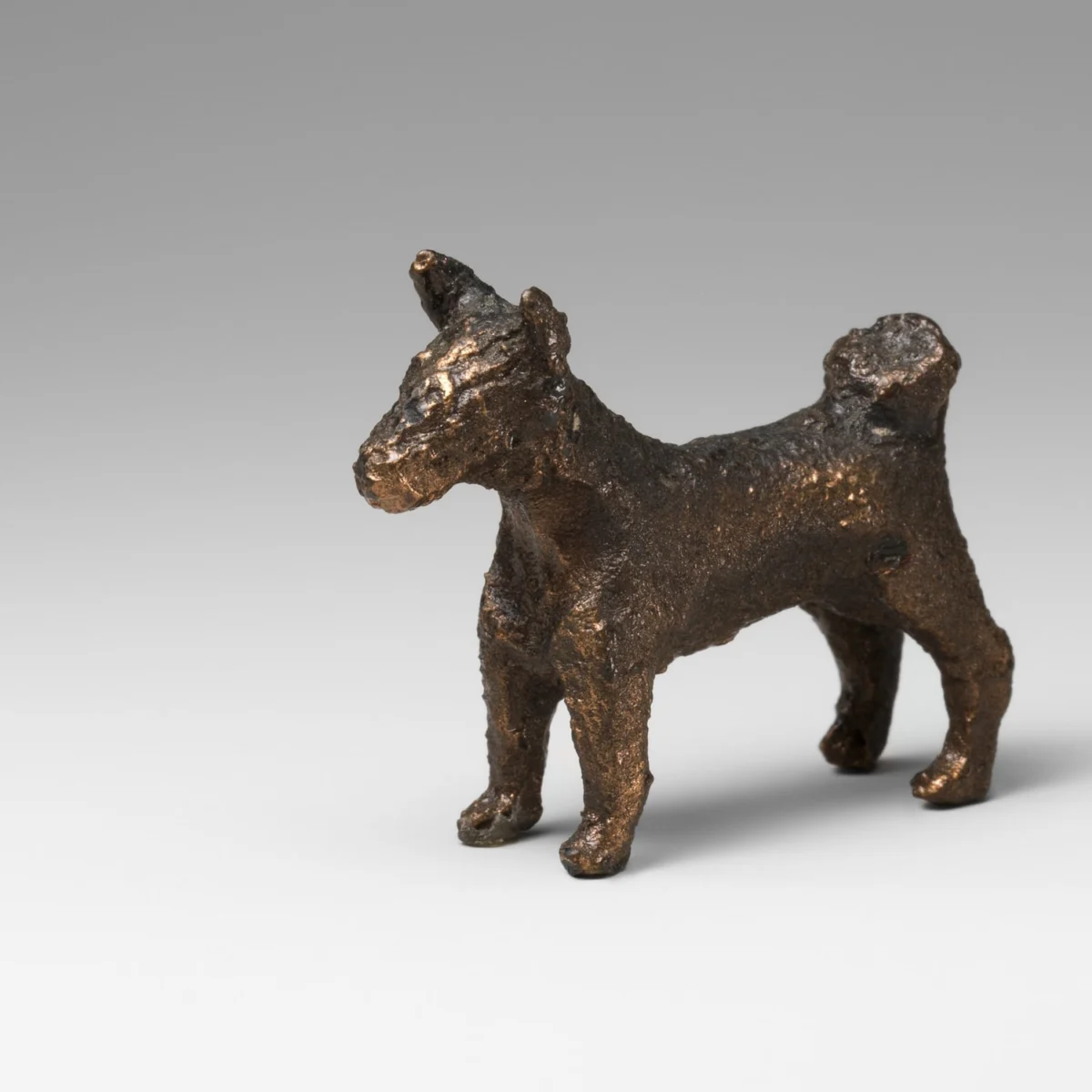
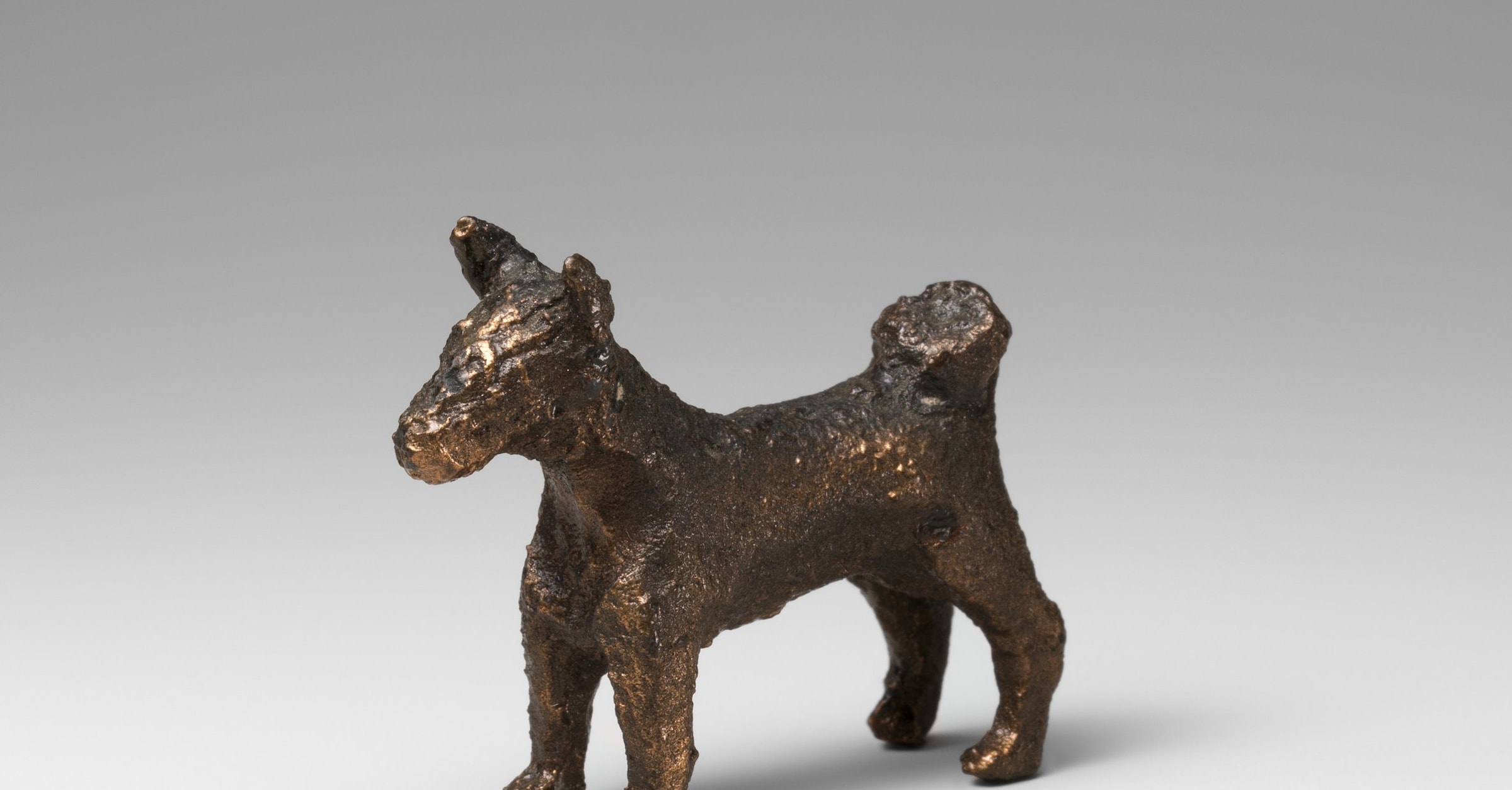
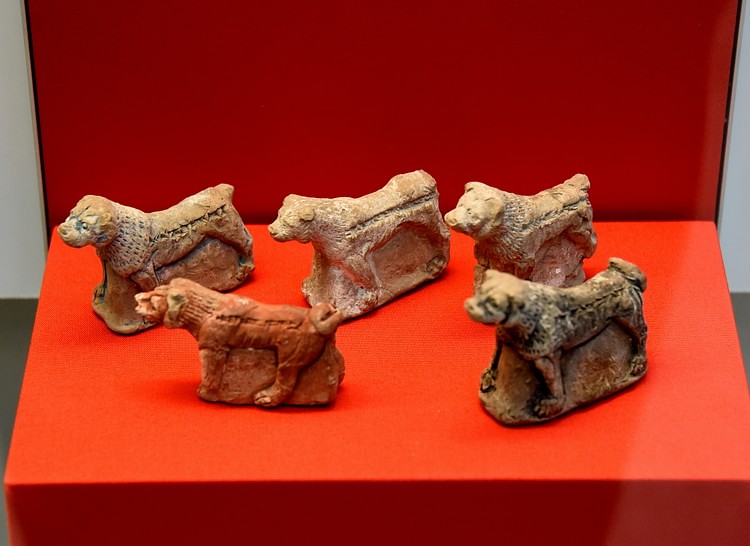
Nimrud, Iraq – In the annals of archaeological discovery, some finds shimmer with the immediate grandeur of gold or the intricate artistry of ivory. Others, however, reveal their profound significance through careful study, whispering tales of ancient beliefs and daily anxieties. Among these quietly powerful artifacts are the Nimrud Dogs, a collection of five unassuming clay canine figurines unearthed in the mid-20th century. Dating back to the 8th-7th century BCE, during the zenith and eventual decline of the formidable Neo-Assyrian Empire, these small statues represent far more than mere representations of beloved pets; they are tangible embodiments of a sophisticated magical system designed to protect homes and families from unseen evils.
Discovered by renowned archaeologist Max Mallowan during his 1951-1952 excavation season at Nimrud – the ancient city of Kalhu – these figurines offer a unique window into the spiritual world of ancient Mesopotamia. While Mallowan’s work at Nimrud is often celebrated for his more visually spectacular finds, particularly the exquisite Nimrud Ivories, the clay dogs hold an equally vital, albeit often overlooked, place in understanding the apotropaic rituals of the time. Their story is one of imperial might, the relentless march of time, and the enduring human quest for security in a world perceived to be teeming with both divine and demonic forces.
A Legacy Forged in Empire and Ash: The Chronology of Nimrud’s Rise and Fall
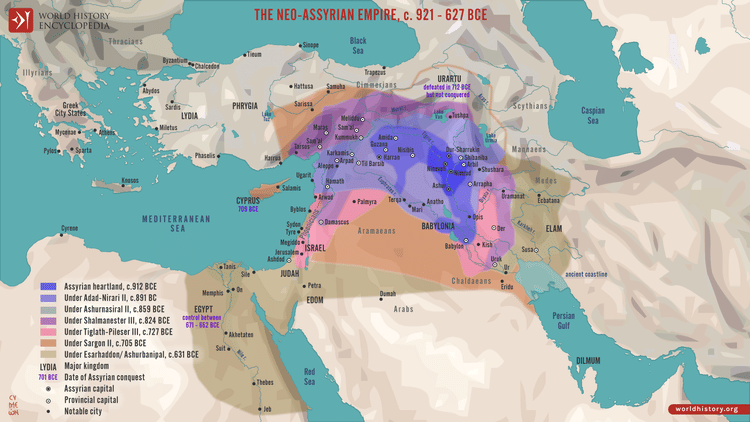
The narrative of the Nimrud Dogs is inextricably linked to the dramatic trajectory of the Neo-Assyrian Empire, a power that dominated the Near East for centuries before its sudden and catastrophic collapse. From roughly 912 BCE, under the reign of Adad Nirari II, the empire embarked on an aggressive expansionist policy, growing steadily in power and territorial control. Great kings like Tiglath Pileser III (745-727 BCE), Shalmaneser V (727-722 BCE), Sargon II (722-705 BCE), Sennacherib (705-681 BCE), and Esarhaddon (681-669 BCE) forged an empire of unparalleled might, stretching from Egypt to Iran.
By the time Ashurbanipal ascended the throne (668-627 BCE), the empire had become a vast, intricate web of vassal states and conquered territories, arguably too immense and diverse to govern effectively in the long term. Ashurbanipal, a monarch famed for his military prowess and patronage of culture (evidenced by his magnificent library at Nineveh), was arguably the last Assyrian king with the personal charisma and skill to maintain such a sprawling dominion.
Upon Ashurbanipal’s death, the cracks in the imperial façade rapidly widened. Subject states, long chafing under Assyrian hegemony, seized their opportunity for liberation. A formidable coalition of Babylonians, Persians, Medes, and Scythians rose in revolt, converging on the heartland of Assyria. In 612 BCE, the capital city of Nineveh fell after a brutal siege, followed swiftly by the systematic destruction of other major Assyrian urban centers, including Kalhu (Nimrud) and Ashur. The scale of the devastation was immense; Nineveh was so thoroughly razed that its precise location became lost to memory for future generations. Treasures were looted, destroyed, or simply discarded, buried beneath the debris of fallen palaces and temples. It was in this violent denouement that many artifacts, including the Nimrud Dogs and the famous ivories, found their way into the protective embrace of the earth and the city’s wells.
The Dawn of Discovery: European Expeditions and Unintended Revelations
For centuries after its fall, the once-glorious city of Kalhu lay buried beneath the sands of Mesopotamia, its memory fading into legend. Its rediscovery in the 19th century was spurred by a very specific, and ultimately ironic, European agenda: to find physical evidence that would corroborate biblical narratives, particularly those concerning the Old Testament. European explorers and archaeologists descended upon the Near East, eager to unearth cities like Babylon and Nineveh, which were prominently mentioned in scripture.
Austen Henry Layard (1817-1894) was a pioneer in this endeavor, becoming the first to systematically excavate Kalhu, though he initially believed he had found Nineveh. His bestselling book, Nineveh and its Remains, published in 1849, popularized his findings and ignited further interest and funding for expeditions. However, the outcomes of these expeditions often diverged sharply from their initial intent. Rather than merely confirming biblical accounts, archaeologists unearthed a wealth of Mesopotamian literature and artifacts that revealed sophisticated civilizations with their own complex mythologies, including narratives of a Great Flood and the Fall of Man that predated the biblical accounts by centuries. These discoveries fundamentally challenged prevailing notions of history and the uniqueness of biblical narratives, forever altering the landscape of religious and historical scholarship.
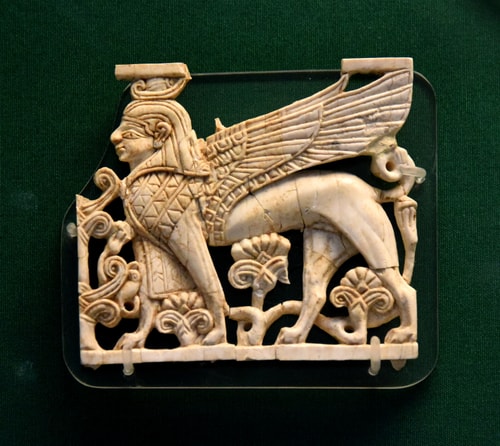
Layard’s groundbreaking work at Kalhu (which scholars later correctly identified and associated with the biblical Nimrud) paved the way for successive generations of archaeologists. William K. Loftus (1820-1858) continued the excavations, making another pivotal discovery: the Nimrud Ivories. These exquisite carvings, often made of elephant tusks and adorned with gold, had been deliberately thrown into wells during the city’s destruction, where the mud and earth provided an ideal, albeit accidental, preservation environment. Historian and curator Joan Lines eloquently described these pieces: "The most striking objects from Nimrud are the ivories – exquisitely carved heads that once must have ornamented furniture in the royal palaces; boxes inlaid with gold and decorated with processions of small figures; decorative plaques; delicately carved small animals." (234).
The spectacular preservation of the ivories hinted at the potential for even greater finds in the city’s wells, crypts, and ruined buildings. This led to a continuous stream of international archaeological teams working the sites throughout the late 19th and well into the 20th century.
Mallowan’s Season and the Enigma of the "Feline" Figure
It was in this rich tradition of discovery that Max Mallowan (1904-1978), husband of the celebrated mystery writer Agatha Christie, arrived at Nimrud in 1951-1952. Mallowan’s team unearthed an even more extensive collection of ivories than Loftus had, many of which are now iconic pieces in museum exhibits worldwide. However, among his many significant finds, a group of small clay figurines, later known as the Nimrud Dogs, emerged from the muck of a well, offering a different kind of insight.
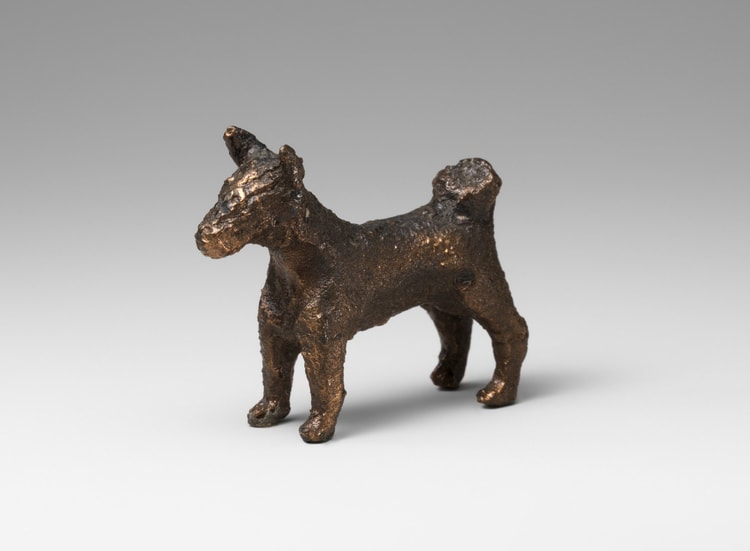
The discovery of these dogs was a testament to the arduous nature of archaeological work. Scholar Ruth A. Horry vividly describes the conditions: "Mallowan’s team came across a deep well in the corner of Room NN which was filled with sludge that Mallowan described as being ‘the consistency of plaster of Paris’. No electric pumps were available to dig out the well so the workmen had to scoop out the water and sludge by hand, aided only by the heavy-duty winching equipment borrowed from the Iraq Petroleum Company." (1-2). This challenging, dangerous work ultimately yielded a treasure trove of preserved materials, including fragments of rope, wooden well equipment, and the artifacts purposefully cast into the well during the city’s sack – among them, the ivories and the canine statuettes.
Mallowan initially identified five of the figures as clearly canine, some even bearing inscribed names, a common practice for protective dog figurines. However, a sixth figure presented an immediate enigma. It lacked a name and, crucially, its features seemed to resemble a cat rather than a dog. This was problematic, as cats held no known apotropaic (evil-averting) significance in Mesopotamian culture. Horry explains, "Omens portray [cats] as wild animals, at best untameable ones, that wandered in and out of houses at will. Humans and cats lived around each other but did not engage directly…in other words, the inhabitants of Kalhu, even the king in his palace, could not rely on cats to guard a building, whether from mice or more supernatural forces." (2-3).
Mallowan, grappling with this discrepancy, initially reported the discovery of five dog figurines and one "feline in character." Despite the visual ambiguity, the overwhelming cultural context argued against a cat. He later leaned towards interpreting it as a dog with a "feline appearance." The "cat" figure’s identity remained fluid, however, as British scholars at Cambridge subsequently reinterpreted it as a cat. It wasn’t until 2013, when the figurines were subjected to a comprehensive group study, that the "cat" was definitively re-identified as another dog, resolving a decades-long archaeological puzzle and reinforcing the consistent cultural practice.
Supporting Data: Dogs, Deities, and Divine Protection in Mesopotamia
To truly appreciate the Nimrud Dogs, one must delve into the complex role of canines and the intricate belief systems of ancient Mesopotamia. Dogs were not merely companions; they occupied a multifaceted position in daily life, serving as pets, invaluable protectors of herds and dwellings, and even as symbols of divine power.
Historian Wolfram Von Soden notes their ubiquity: "The dog (Sumerian name, ur-gi; Semitic name, Kalbu) was one of the earliest domestic animals and served primarily to protect herds and dwellings against enemies. Despite the fact that dogs roamed freely in the cities, the dog in the ancient Orient was at all times generally bound to a single master and was cared for by him." (91).
Beyond their practical roles, dogs were deeply entwined with the Mesopotamian pantheon. Deities like Inanna (later Ishtar), one of the most revered goddesses, were often depicted accompanied by dogs, symbolizing her fierce nature or protective aspects. Gula, the goddess of healing, shared an even more profound association with canines. Observing dogs lick their wounds to heal, ancient Mesopotamians attributed curative powers to their saliva, viewing dogs as a divine gift. Consequently, from the Old Babylonian period (circa 1894-1595 BCE) onward, the dog became Gula’s enduring symbol.
The dog’s protective capacity, however, was equally paramount. During Hammurabi’s reign (1792-1750 BCE), the practice of casting clay or bronze dog figurines for apotropaic purposes was well established. These statuettes were ritually "awakened" and then strategically placed, typically under thresholds, to defend against malevolent supernatural entities. E. A. Wallis Budge, writing on discoveries at Kish, highlights this: "In one room, two clay figures of Papsukhal, messenger of the gods, and three figures of dogs were found: the names of two of the dogs are inscribed on them, viz., ‘Biter of his enemy’ and ‘Consumer of his life’." (209).
Joan Lines further elaborates on their function: "Such figurines, made of clay or bronze, were symbols of the Gula-Ninkarrak, goddess of healing and defender of homes. They were buried beneath the floor, usually under the doorstep, to scare away evil spirits and demons and an incantation called ‘Fierce Dogs’ was recited during the ceremony. Many of the dog effigies had their names inscribed on them." (242-243). The inscribed names were not merely decorative; they were believed to imbue the figures with a specific, active protective spirit.
Mesopotamian cosmology posited that humanity served as "co-workers" with the gods, tasked with maintaining cosmic order against the ever-present forces of chaos. In return for their diligence, the gods provided for their needs. However, the world was also believed to be populated by a host of unseen dangers: ghosts, malevolent spirits, and demons. To navigate this perilous spiritual landscape, Mesopotamians developed an elaborate system of charms, amulets, spells, and rituals. The dog statuettes were a crucial component of this protective arsenal.
The creation of these figurines was a deeply symbolic act. Scholar Carolyn Nakamura explains: "Through this production of figurines, Neo-Assyrian apotropaic rituals trace out complex, and even disorienting, relations between humans, deities, and various supernatural beings in space and time…the creation of powerful supernatural beings in diminutive clay form mimes the divine creation of being from primordial clay." (33). Just as the gods had shaped humanity from clay, humans could, through ritual, imbue clay figures with protective power, creating their own "helpers" in the fight against chaos.
This protection was often layered. At Nimrud, Mallowan also discovered "magical boxes" carved with charms, placed in the four corners of rooms or under beds. These boxes provided an additional layer of security, while the dog figurines, buried at the entranceways, served as the primary line of defense against any supernatural intrusion.
Official Responses: Preservation, Scholarship, and Public Perception
Following their discovery, Mallowan adhered to his contract, distributing his finds to Iraqi authorities. The Nimrud Dogs, along with other artifacts, found homes in various institutions globally. Today, these ancient guardians are dispersed across museums in Baghdad (Iraq Museum), Cambridge (Fitzwilliam Museum, England), New York (Metropolitan Museum of Art, USA), and Melbourne (National Gallery of Victoria, Australia). A testament to their resilience and the dedication of museum staff, the dog figures in the Iraq Museum notably survived the widespread looting that occurred in 2003, remaining a cherished part of the permanent collection.
Scholarly engagement with the Nimrud Dogs has evolved significantly since their unearthing. Mallowan’s initial reports and the subsequent debate over the "feline" figure highlight the challenges of interpreting artifacts from cultures vastly different from our own. The eventual re-identification of the sixth figure as a dog in 2013, based on comprehensive study, underscores the dynamic nature of archaeological scholarship and the continuous refinement of understanding.
Despite their fascinating history and profound cultural significance, the Nimrud Dogs often find themselves overshadowed by the more aesthetically striking Nimrud Ivories in museum displays. Visitors, understandably drawn to the intricate artistry of the ivories, frequently overlook the small clay dogs. When they are noticed, they are often misinterpreted as quaint representations of ancient pets. This common misconception underscores a broader challenge in presenting ancient history to the public: bridging the gap between an artifact’s physical form and its rich, complex cultural meaning. Many exhibits, while detailing the circumstances of their discovery, often provide only brief mention of their true spiritual purpose.
Implications: Echoes of Protection in a Modern World
The Nimrud Dogs, though small in stature, carry immense implications for understanding the human condition across millennia. They serve as poignant reminders that the universal desire for security and peace of mind is not a modern phenomenon. Centuries ago, the inhabitants of Neo-Assyrian Kalhu, facing a world they believed to be filled with unseen threats, crafted these figures, animated them through sacred ritual, and entrusted them with the guardianship of their homes and loved ones.
In a striking parallel, contemporary individuals employ a range of measures to protect their dwellings: installing sophisticated security systems, reinforcing locks, or placing religious symbols and personal talismans near entryways. The underlying impulse—to safeguard one’s sanctuary from harm, be it physical or spiritual—remains remarkably consistent. The Nimrud Dogs are significant precisely because they are so deeply personal, embodying the hopes and anxieties of their creators.
As Carolyn Nakamura observes, their creation and use represent "an idiom of protection [arising] in material enactment of memory." In their own time, this "enactment of memory" involved awakening the protective spirit within the clay. Today, for those who take the time to truly see them, the Nimrud Dogs evoke the spirit of the past, serving as a powerful memory of the people who walked the streets of ancient Kalhu and sought, through their ingenuity and faith, to protect themselves and those they cherished from harm. They are silent sentinels, enduring symbols of an ancient civilization’s profound belief in magic and the timeless human need for security. Their continued presence in museums worldwide ensures that the stories of these humble yet powerful protectors will resonate for generations to come, inviting us to reflect on the enduring legacies of human belief and the fascinating tapestry of our shared history.