The Modern Mechanical Keyboard Paradox: Navigating the Golden Age of Choice
Main Facts: The State of the Peripheral Market in 2024–2026
The mechanical keyboard industry has transitioned from a niche enthusiast hobby into a multi-billion-dollar global market. However, this growth has birthed a phenomenon known as "choice paralysis." For the uninitiated—and even for returning veterans—the sheer volume of specifications, layouts, and switch types has turned a simple hardware purchase into a complex engineering decision.
Today, the market is defined by three primary pillars: Customization, Accessibility, and Fragmentation. While technologies like hot-swappable PCBs (Printed Circuit Boards) and CNC-machined aluminum chassis have become democratized, the "wall of noise" on enthusiast forums and subreddits can be impenetrable. Choosing a keyboard now requires a fundamental understanding of ergonomics (layout), physics (switch actuation), and materials science (keycap and case composition).
The core reality of the current market is that there is no longer a "single best keyboard." Instead, there is a "best keyboard for your specific workflow." Whether a user is a competitive gamer requiring rapid-fire linear switches or a novelist seeking the tactile "thock" of a heavy-duty mechanical board, the path to a purchase involves filtering through thousands of combinations of hardware.
Chronology: From Industrial Utility to Boutique Luxury
To understand why the market feels so overwhelming today, one must look at the evolution of the mechanical keyboard over the last four decades.
The Era of Industrial Dominance (1980s – 1990s)
In the early days of personal computing, mechanical switches were the standard. The IBM Model M, featuring its iconic buckling spring mechanism, defined the typing experience. These boards were built like tanks, designed for longevity and tactile feedback. However, as the 90s progressed, the industry shifted toward "membrane" keyboards. These were cheaper to produce, quieter, and lighter, but they lacked the precision and durability of their mechanical predecessors.
The Cherry MX Monopoly (2000s – 2014)
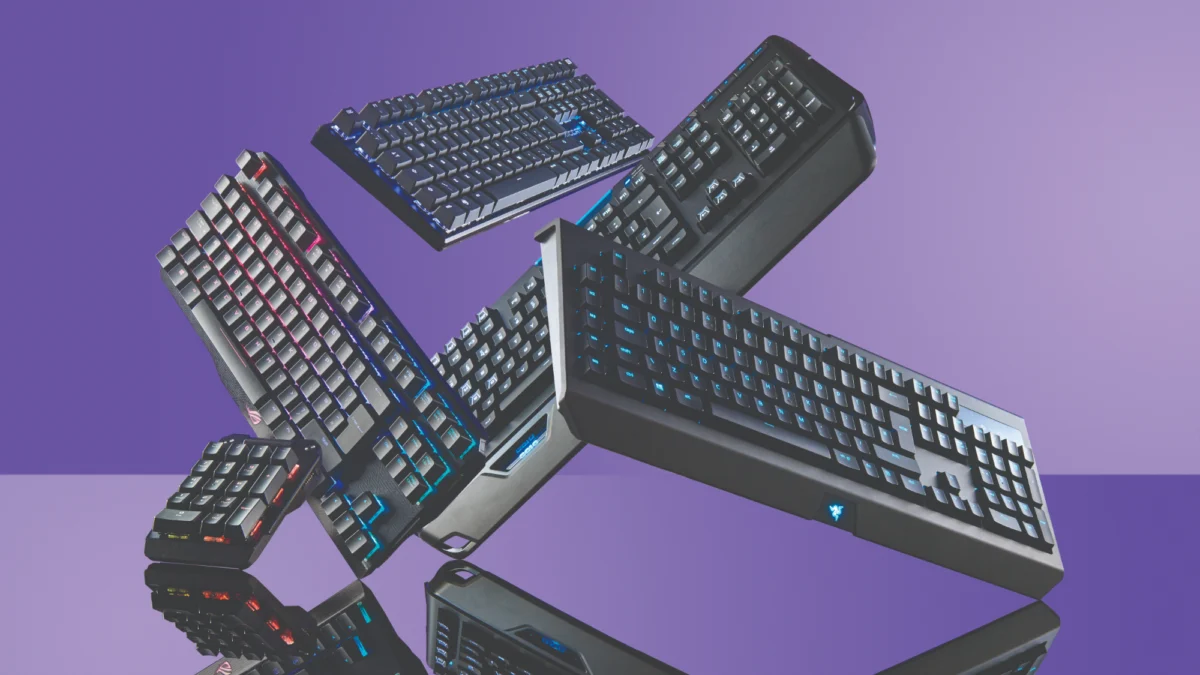
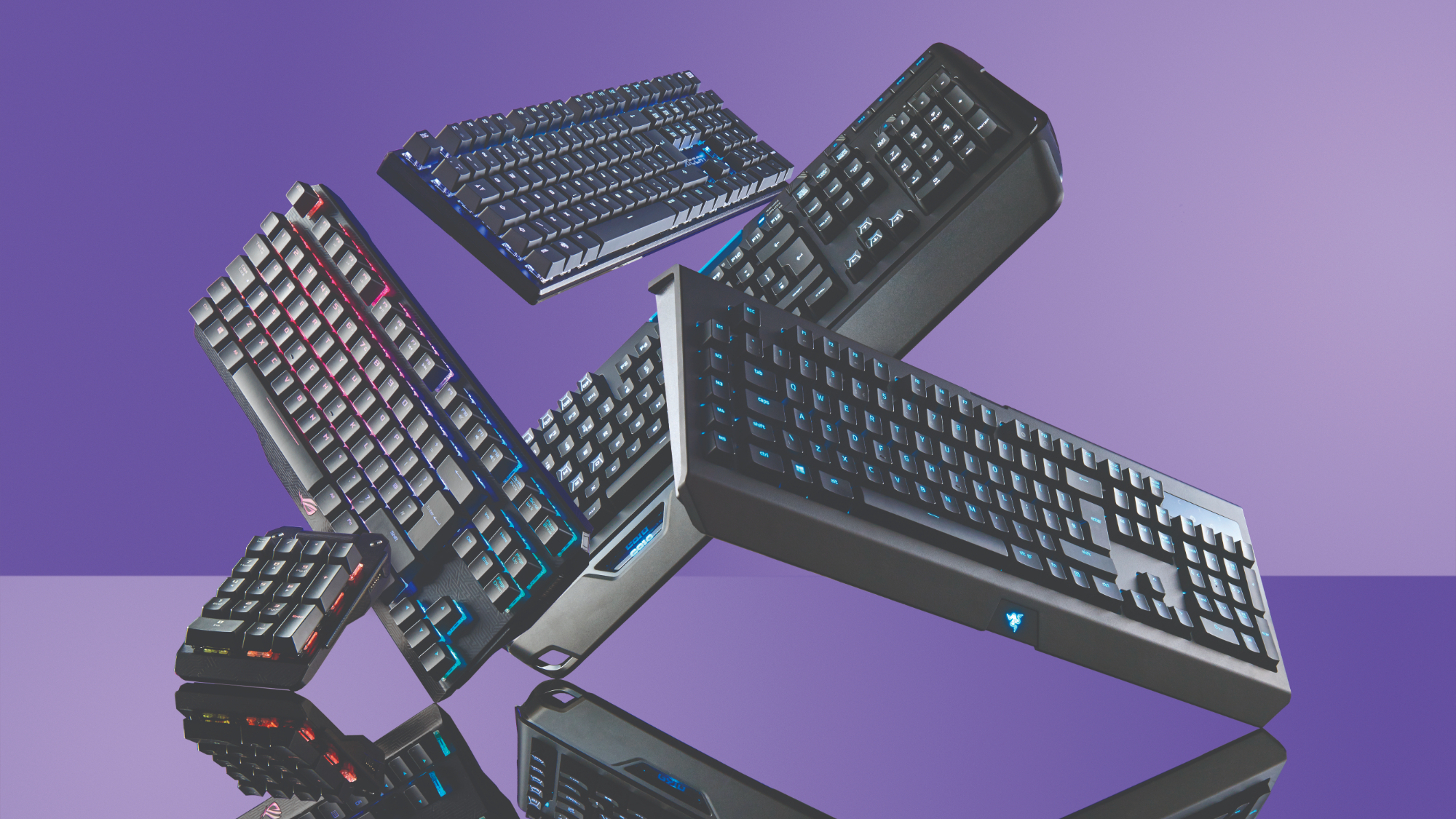
For years, the mechanical keyboard market was synonymous with one name: Cherry GmbH. Their MX switches (Red, Blue, Brown, and Black) were the gold standard. During this period, the choice was simple because it was limited. If you wanted a mechanical board, you bought a gaming-branded peripheral from Razer, Corsair, or SteelSeries, and you chose one of four colors.
The Great Democratization (2014 – 2020)
The expiration of Cherry’s patents on the MX switch design in 2014 changed everything. Manufacturers like Gateron, Kailh, and Outemu entered the fray, producing "clones" that were often cheaper and, eventually, smoother than the originals. This sparked the "Custom Keyboard Revolution." Enthusiasts began building boards from scratch, leading to the rise of group buys and boutique vendors.
The Modern Era: Choice Paralysis (2021 – Present)
Post-pandemic, the hobby exploded. Features once reserved for $500 custom builds—such as gasket mounting, screw-in stabilizers, and sound-dampening foam—began appearing in $70 pre-built boards. At events like Computex 2026, the industry has reached a fever pitch where brands release dozens of iterations of the same layout, leading to the confusion highlighted by tech journalists and consumers alike.
Supporting Data: The Three Pillars of Decision Making
For the consumer attempting to cut through the noise, the decision-making process can be distilled into three quantifiable categories: Layout, Switch Mechanics, and Budgetary Construction.
1. Layout and Ergonomics: The Percentage Game
Keyboards are no longer defined by "standard" or "laptop-style." They are categorized by the percentage of keys they retain compared to a full 104-key layout.
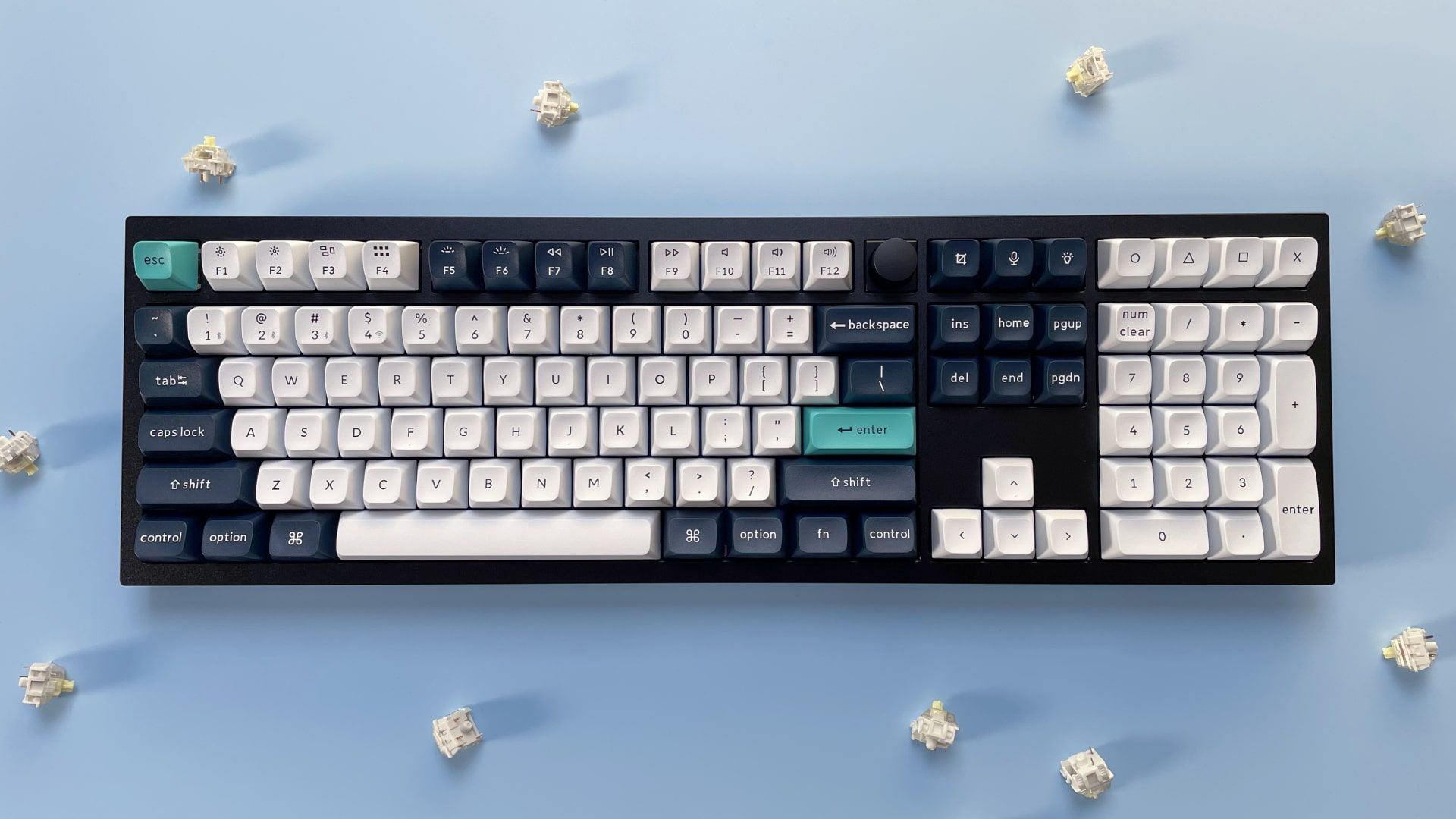
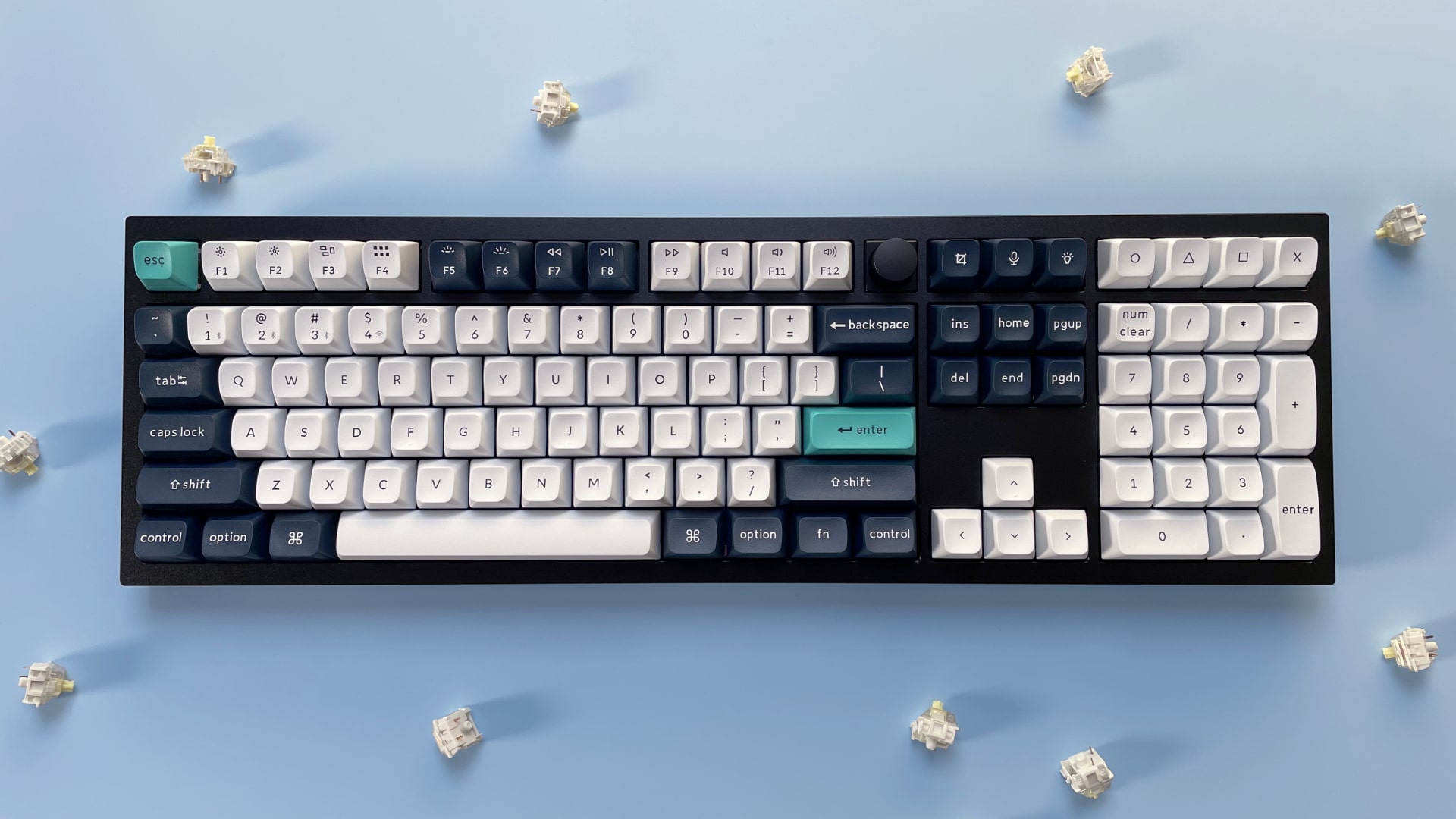
- 60% to 65%: These layouts remove the function row (F1-F12), the navigation cluster, and the Numpad. The 65% variant is often preferred for productivity because it retains dedicated arrow keys. Data suggests these are the fastest-growing segments for gamers, as they maximize desk space for mouse movement.
- 75% and Tenkeyless (TKL): The "sweet spot" for most users. A TKL (80%) removes only the Numpad, while a 75% squishes the function row and arrows into a tighter, more aesthetic frame.
- 96% (1800) and 100%: For those in data entry or finance, the Numpad remains non-negotiable. The 96% layout provides a full numpad but removes the "dead space" between clusters to save roughly two inches of horizontal desk space.
2. Switch Mechanics: Beyond the Color Code
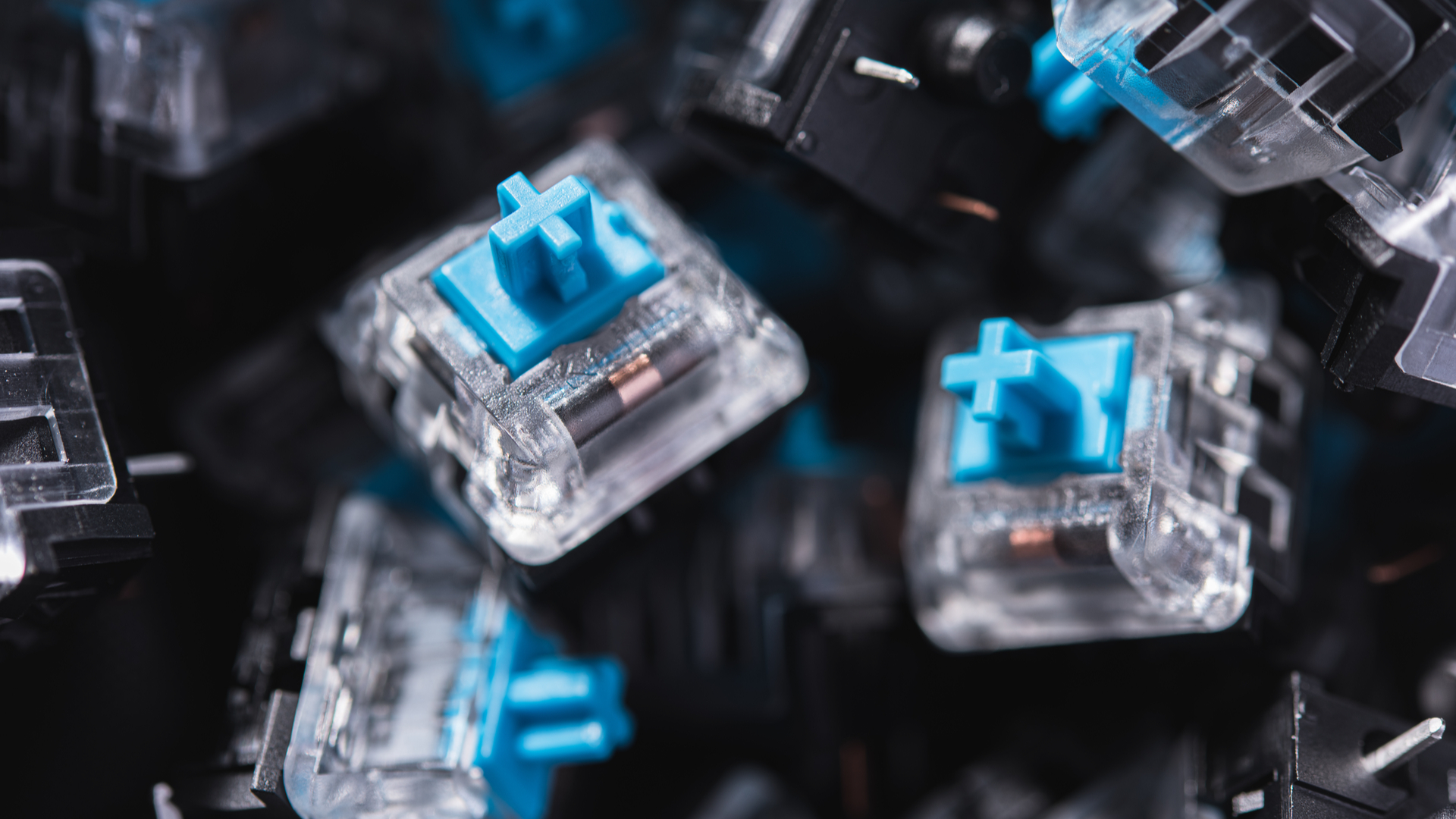
The modern switch market has moved past the simple "Red vs. Blue" paradigm. There are now thousands of "boutique" switches named after planets, animals, and colors. However, they all fall into three mechanical categories:
- Linear: A smooth, consistent stroke from top to bottom. Preferred by gamers for speed.
- Tactile: A physical "bump" at the actuation point. Preferred by typists who want feedback without noise.
- Clicky: A tactile bump accompanied by an audible "click." Historically popular but increasingly polarizing in shared office environments.
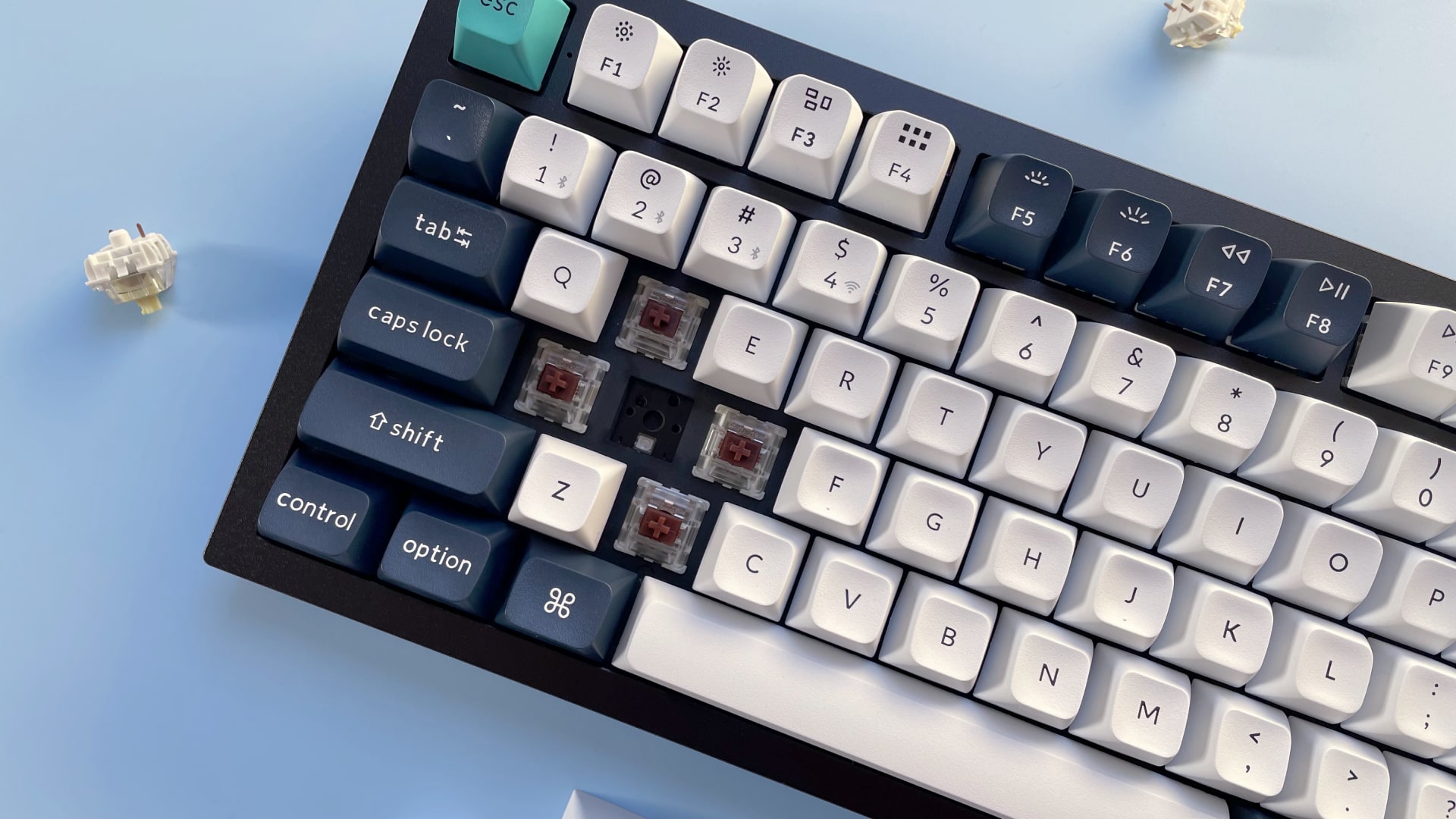
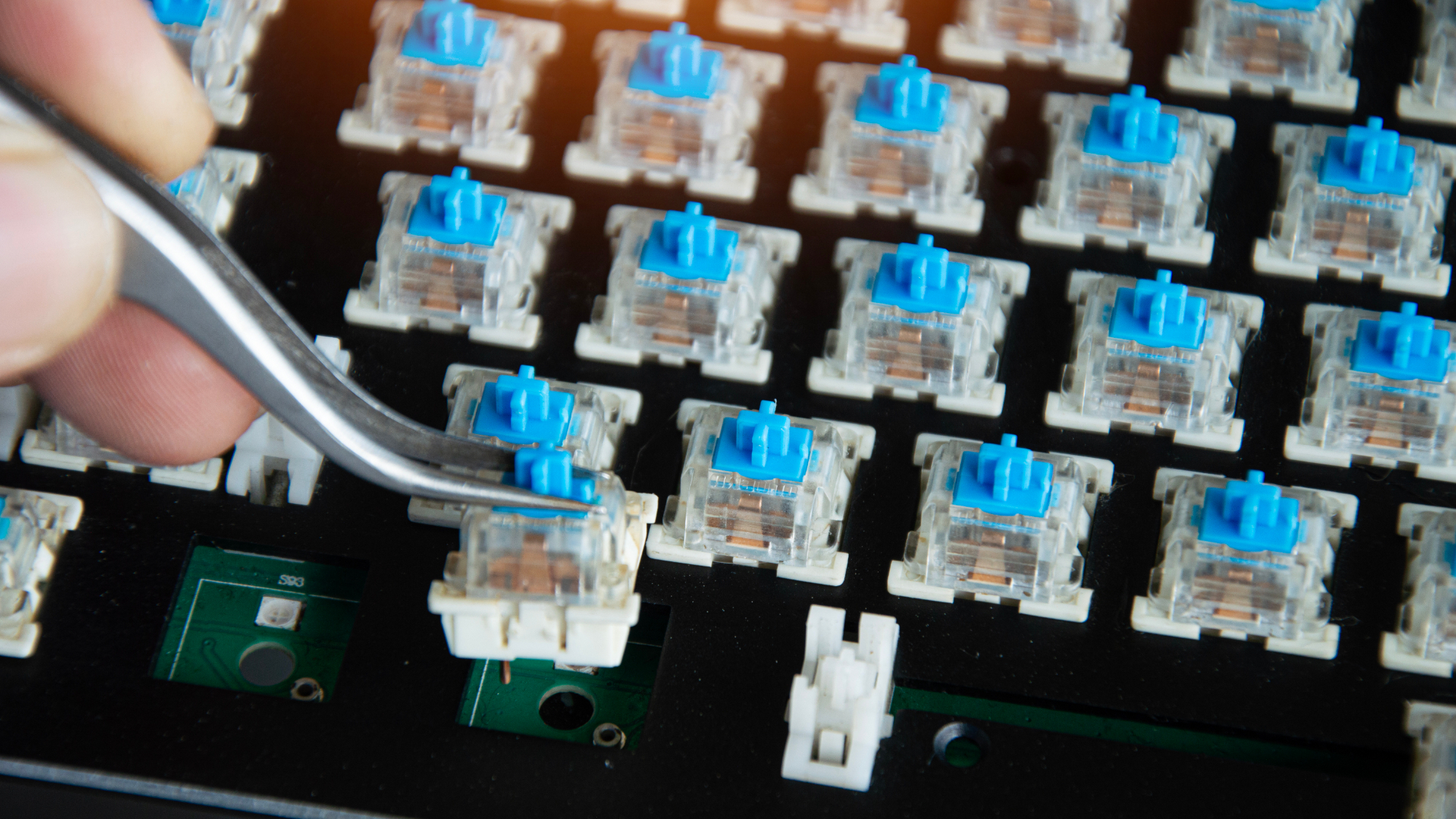
Technical Consideration: The rise of Hot-Swappable PCBs is the most significant data point in modern keyboard longevity. A hot-swap board allows a user to change switches without a soldering iron. This effectively "future-proofs" the hardware, allowing users to experiment with different feels for the cost of a $30 pack of switches rather than a $150 new keyboard.
3. Materials and Build Quality
The "feel" of a keyboard is dictated by its mass and its resonance.
- Plastic (ABS/Polycarbonate): Lightweight and affordable, but prone to "pinging" or hollow sounds.
- Aluminum: Provides a premium, "thocky" sound signature and prevents the board from sliding on the desk.
- Keycaps: PBT (Polybutylene Terephthalate) is the gold standard over ABS, as it resists the "shine" caused by finger oils over time and features a textured finish.
Official Responses: Industry Trends and Market Adaptation
Major manufacturers have begun responding to the "overwhelming" nature of the hobby by simplifying their high-end offerings while adopting enthusiast features.
Keychron, a dominant force in the mid-range market, has pivoted toward providing "ready-to-use" enthusiast boards. Their Q-series and Pro-series come pre-assembled with the same CNC-machined aluminum and screw-in stabilizers that used to require hours of manual labor. Their official stance focuses on "open-source compatibility," utilizing software like QMK and VIA, which allows users to remap any key via a web browser rather than installing bloated proprietary drivers.
Boutique Brands (Gamakay, Epomaker, Wuque Studios) have focused on "all-in-one" value. By including multiple layers of poron foam and factory-lubricated switches, these companies are targeting the consumer who wants the "custom" sound without the "custom" effort.
Market analysts suggest that the next phase of the industry will focus on Magnetic (Hall Effect) switches. Brands like Wooting and SteelSeries are leading this charge, offering switches where the actuation point can be adjusted via software to the millimeter. This represents a shift from mechanical physical limits to software-defined performance.
Implications: The Future of the Human-Computer Interface
The democratization of high-end mechanical keyboards has profound implications for both workplace ergonomics and the sustainability of consumer electronics.
Ergonomic Health and Productivity
As remote work remains a staple of the global economy, the keyboard is the primary tool of the "knowledge worker." The ability to choose a switch weight (measured in grams of force) means users can tailor their hardware to prevent Repetitive Strain Injury (RSI). A user with heavy hands may prefer a 67g tactile switch to prevent bottoming out, while someone with joint pain may opt for a light 35g linear switch.
The End of the "Disposable" Peripheral
The most significant implication of the hot-swap and modular keyboard trend is environmental. Historically, if a single key failed on a membrane keyboard, the entire unit was sent to a landfill. In the modern mechanical era, a dead key can be fixed in 30 seconds by replacing a $0.50 switch. This shift toward repairability is a rare win for "Right to Repair" in the tech industry.
Final Outlook
The "wall of noise" identified by Reece Bithrey and other tech journalists is a byproduct of a maturing market. While the choice paralysis is real, it is a symptom of a positive shift: the power has moved from the manufacturer to the user. By focusing on three simple decisions—size, switch feel, and budget—anyone can navigate the complexity of the modern mechanical keyboard and find a tool that transforms their daily interaction with the digital world from a chore into a tactile pleasure.