Evolution of a Classic: Half-Life 2: VR Mod Achieves Official Steam Frame Verification
In a landmark moment for the virtual reality community and the legacy of one of gaming’s most prestigious franchises, the Source VR Mod Team has officially announced that the Half-Life 2: VR Mod has achieved "Steam Frame Verified" status. This certification marks a significant technical milestone, ensuring that the fan-made conversion of Valve’s 2004 masterpiece meets the rigorous performance and compatibility standards required for Valve’s upcoming "Steam Frame" hardware.
The announcement comes as anticipation for the Steam Frame reaches a fever pitch, with industry analysts and enthusiasts closely watching how legacy content transitions to this new frontier of wearable computing. By securing verification, the Source VR Mod Team has not only revitalized a two-decade-old classic but has also established a blueprint for how community-driven projects can lead the charge in hardware adoption.
Main Facts: A New Benchmark for Community Development
The "Steam Frame Verified" badge is more than a mere cosmetic update; it is a guarantee of a "Great on Frame" experience. For a title to earn this distinction, it must pass a battery of tests related to controller support, display resolution, system functionality, and, most importantly, sustained performance.
The Core Update Components
The latest update to the Half-Life 2: VR Mod introduces several critical enhancements designed specifically for the Steam Frame’s unique architecture:
- Optimization for Steam Frame: Tailored configuration files that automatically adjust the Source Engine’s parameters to match the Frame’s mobile-tethered or standalone capabilities.
- Eye-Tracked Foveated Rendering (ETFR): A cutting-edge technique that utilizes the Steam Frame’s internal sensors to render only the area the player is looking at in full resolution, significantly reducing the GPU workload.
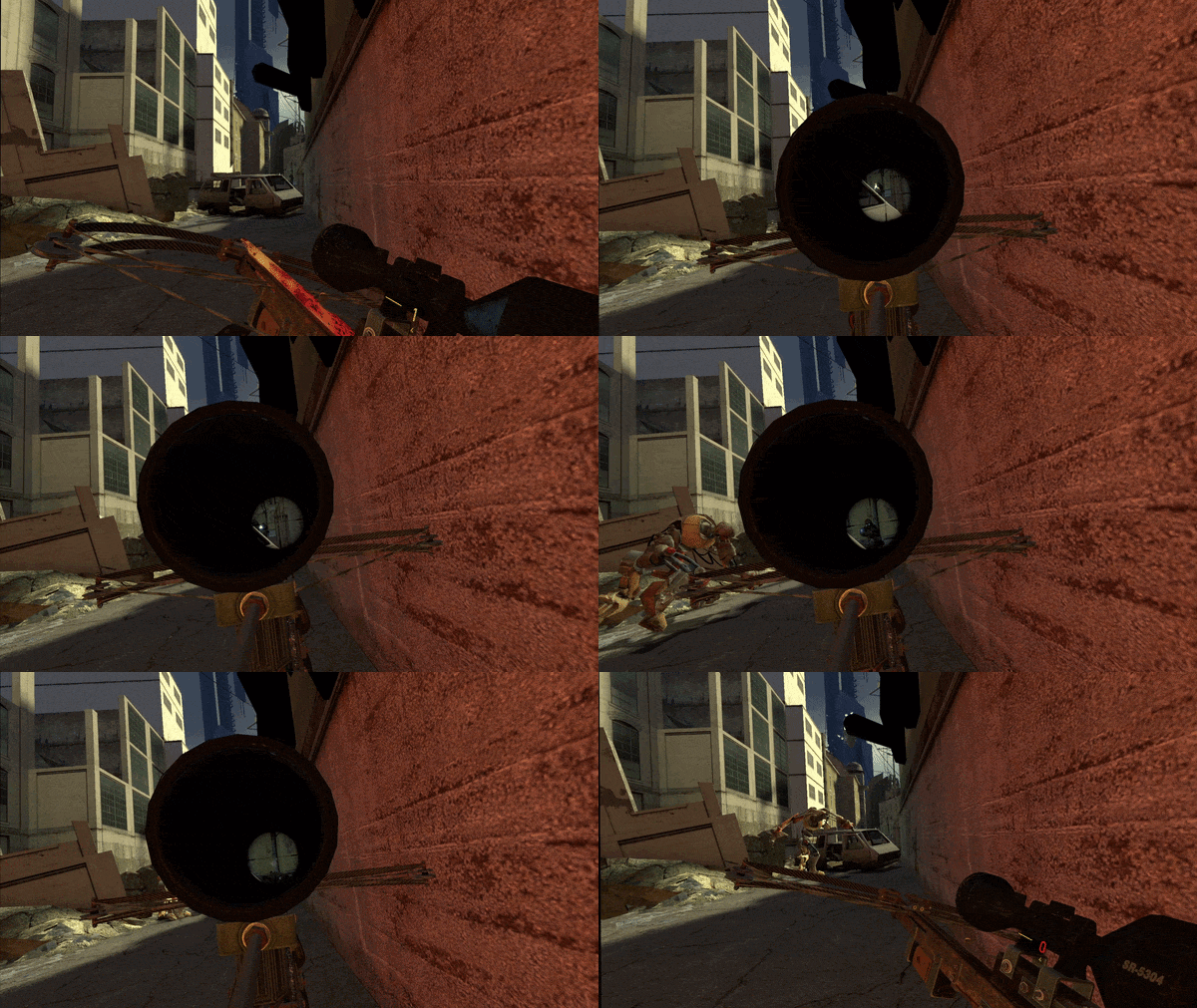
- Revised Sniper Scope Mechanics: A complete overhaul of how long-range weaponry functions in VR, moving away from 2D overlays to a fully immersive, 3D-projected lens system.
- Frame Timing Enhancements: A deep-level refactoring of the engine’s frame-pacing logic to eliminate "judder" and ensure a smooth 90Hz or 120Hz experience.
Accessibility and Requirements
The mod remains a free download for all users. However, in keeping with Valve’s licensing agreements, players must own a copy of the original Half-Life 2 on Steam to access the VR version. This "Flat-to-VR" pipeline has become a cornerstone of the VR ecosystem, providing high-fidelity content to a medium often criticized for lacking "triple-A" length experiences.

Chronology: The Road to Verification
The journey from a "broken build" to a verified title was an arduous one for the Source VR Mod Team. Their development timeline reveals the complexities of adapting a 20-year-old engine to hardware that didn’t exist when the game’s code was first written.
Phase 1: The Initial Barrier
When the development team first received early access to the Steam Frame hardware, the results were discouraging. "When we began our testing on the Frame," the team noted in their official Steam Community post, "it would not start at all." The incompatibility stemmed from the Steam Frame’s specific Linux-based runtime and its unique handling of OpenXR layers.
Phase 2: The Performance Struggle
After resolving the boot issues, the team entered what they described as a "bug-riddled" phase. Performance was well below the threshold for comfortable VR, with frequent frame drops and tracking latency. During this period, the team focused on "frame timing"—the consistency with which the GPU delivers frames to the headset. Even with optimization, the game remained "some way from hitting the required frametimes consistently."
Phase 3: The Breakthrough
The turning point came with two specific interventions: the implementation of Eye-Tracked Foveated Rendering and the "careful selection of suitable performance settings." By leveraging the Steam Frame’s hardware-level eye tracking, the team was able to claw back enough performance overhead to meet the strict "Verified" criteria.
Phase 4: Final Certification
In the summer of 2026 (as per the projected hardware release window), the mod underwent Valve’s official verification process. This involved ensuring that all text is readable at the Frame’s native resolution and that the game’s complex physics interactions do not cause motion sickness or hardware crashes.

Supporting Data: Technical Deep Dive
The achievement of the Source VR Mod Team is best understood through the technical hurdles they overcame. The Source Engine, while revolutionary in 2004, was never intended for the low-latency, high-resolution requirements of modern VR.
Eye-Tracked Foveated Rendering (ETFR)
The inclusion of ETFR is perhaps the most significant technical addition. In a standard VR render, the entire screen is rendered at maximum detail. With ETFR on the Steam Frame, the Half-Life 2: VR Mod can reduce the pixel count in the player’s peripheral vision by up to 60% without a perceived loss in quality. This allows the Steam Frame to maintain a stable 90 FPS even during the game’s most demanding sequences, such as the "Follow Freeman" street battles in City 17.
The "Sniper Scope" Innovation
One of the longest-standing complaints in VR ports of traditional shooters is the handling of scopes. Traditionally, these games either "black out" the peripheral vision or use a 2D texture. The new update introduces a "dual-render" scope. When the player raises the Overwatch Sniper Rifle to their eye, a secondary camera view is rendered within the scope’s lens. This requires significant optimization, as the game is essentially rendering the scene three times (left eye, right eye, and scope view).
Comparative Performance Metrics
Internal testing logs released by the team suggest that the Steam Frame optimization has resulted in:
- 30% Reduction in Latency: Improved motion-to-photon response times.
- Improved Battery Efficiency: The foveated rendering allows the Steam Frame to run at lower power states during indoor sequences.
- Higher Texture Fidelity: Optimized memory management allows for the use of 4K AI-upscaled textures without exceeding the Frame’s VRAM limits.
Official Responses: Voices from the Development Front
The Source VR Mod Team’s reaction to the verification has been one of hard-earned pride. In their address to the community, they highlighted the collaborative nature of the project.
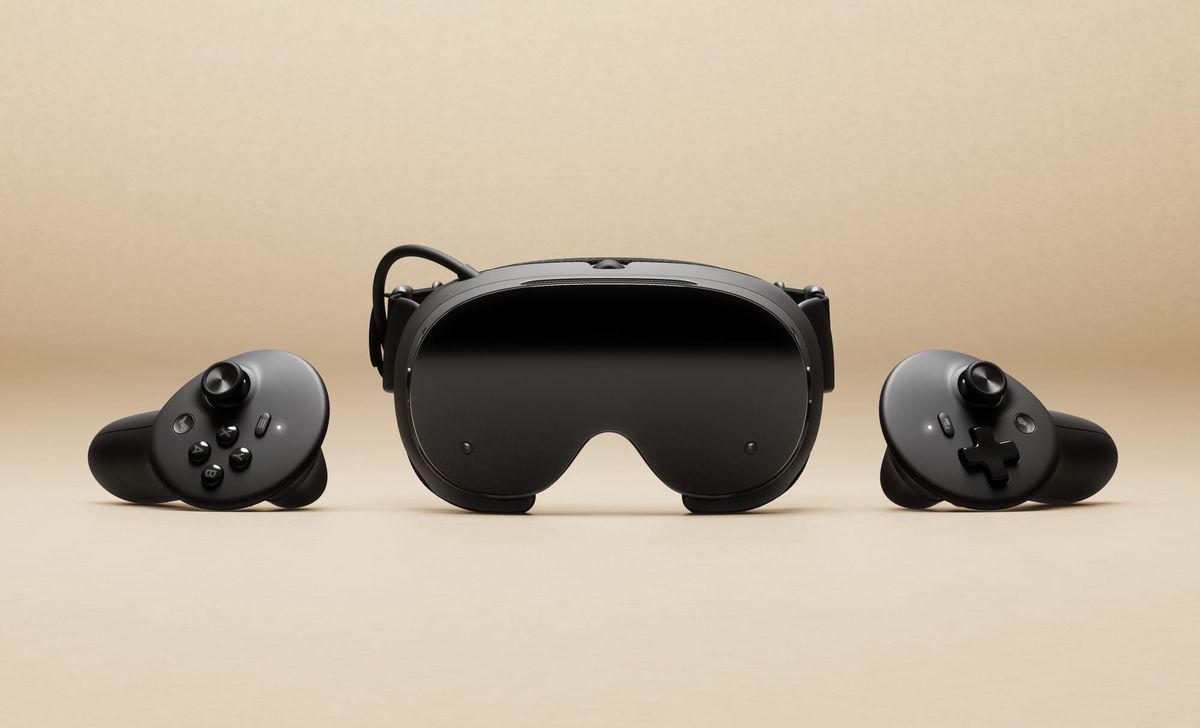
"Getting Half-Life 2 to run on the Steam Frame was a puzzle that required us to rethink how we handle the Source Engine’s rendering pipeline," a representative for the team stated. "The Frame isn’t just another headset; it’s a specific target with specific strengths. We are thrilled that Valve has recognized our work with the Verified status."
Valve, while typically reserved regarding third-party mods, has historically shown immense support for the Source VR Mod Team. By allowing the mod to be hosted directly on the Steam Store and now granting it Verified status, Valve is tacitly acknowledging the mod as the definitive way to experience the Half-Life sequel in virtual reality.
Industry analysts suggest that this verification is a strategic move for Valve. By ensuring that a high-profile, "free" title like Half-Life 2 works perfectly on the Steam Frame, they increase the value proposition of the hardware at launch.
Implications: What This Means for the Future of VR
The verification of the Half-Life 2: VR Mod has broader implications for the gaming industry and the future of the Steam Frame platform.
The Rise of the "Flat-to-VR" Movement
This milestone proves that community-led projects can achieve "pro-tier" status. It sets a precedent for other legendary titles—such as Portal, BioShock, or Skyrim—to seek similar verification. If a small team of volunteers can optimize a 20-year-old game for next-gen hardware, it puts pressure on major publishers to revisit their back catalogs for VR.

Steam Frame as a Legacy Platform
Valve’s "Steam Frame" is clearly being positioned as more than just a peripheral; it is a platform. Much like the Steam Deck before it, the "Verified" program creates a curated ecosystem of games that "just work." The inclusion of Half-Life 2 ensures that the Frame launches with a library that includes one of the highest-rated games of all time, fully optimized for its hardware features.
Technical Standards for Future VR
The requirement for eye-tracked foveated rendering to hit the "Verified" threshold suggests that this technology will be a standard for the Steam Frame. This could force other VR hardware manufacturers to prioritize eye-tracking in their future designs to remain competitive with Steam’s library.
Conclusion
The Half-Life 2: VR Mod achieving Steam Frame Verified status is a poetic full circle. Half-Life 2 was the game that launched Steam in 2004, often to the chagrin of users who weren’t ready for a digital-only future. Now, in 2026, it serves as the vanguard for Valve’s next great leap into spatial computing. For the Source VR Mod Team, it is a validation of years of unpaid, passionate labor. For players, it is an invitation to step back into the HEV suit and see City 17 through fresh, perfectly tracked eyes.
As the Steam Frame begins shipping this summer, the "Verified" badge on Half-Life 2: VR Mod stands as a testament to the enduring power of Valve’s storytelling and the ingenuity of the community that refuses to let it fade into the past. Gordon Freeman may be a man of few words, but in the world of virtual reality, his impact has never been louder.