Meta Expands Horizon+ Ecosystem: August Update Integrates Xbox Cloud Gaming and High-Octane VR Titles
The landscape of virtual reality (VR) gaming is undergoing a significant transformation as Meta continues to refine its subscription-based offerings. The August update for Meta’s Horizon+ service (formerly known as Meta Quest+) represents a pivotal moment in the company’s strategy to solidify the Quest ecosystem as a versatile entertainment hub. By combining traditional VR titles with a strategic partnership with Microsoft, Meta is attempting to bridge the gap between immersive 3D gaming and the massive library of traditional "flatscreen" titles.
This month’s update introduces two highly anticipated monthly games, five additional titles for the revolving Games Catalog, and further integrates the recently announced Xbox Game Pass Starter plan. This comprehensive expansion signals Meta’s intention to move beyond being a hardware manufacturer, positioning itself as a primary service provider in the burgeoning spatial computing market.
I. Main Facts: The August Horizon+ Payload
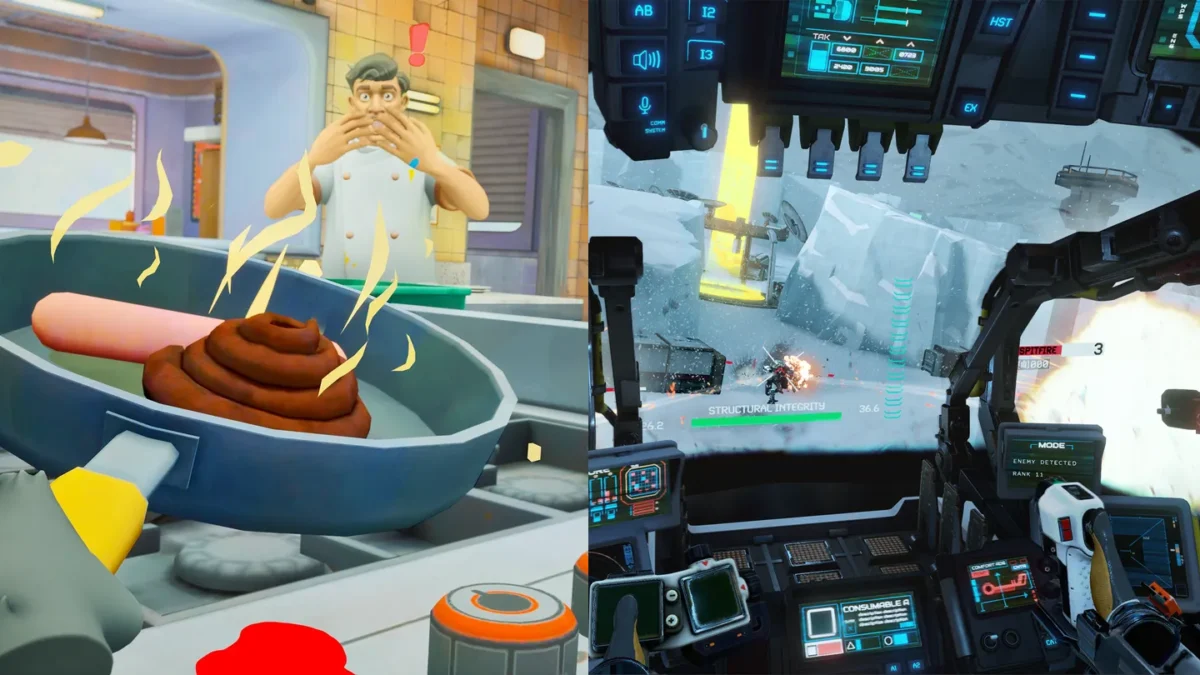
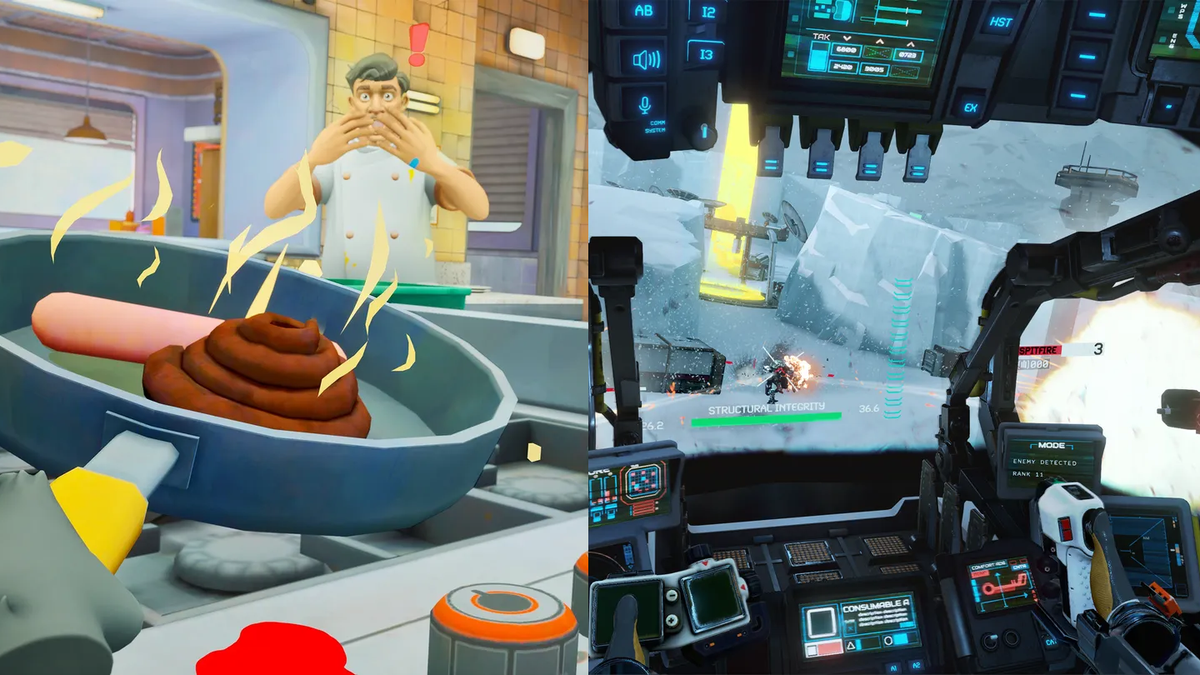
The August update is headlined by two distinct "Monthly Games" that subscribers can claim and keep for as long as their subscription remains active: Wreckin’ Raccoon and Iron Rebellion. These titles represent the two poles of the VR experience—mindless, physics-based sandbox fun and high-stakes, technical simulation.
Beyond the monthly claims, the Horizon+ service is bolstered by several key features this month:
- Monthly Games: Wreckin’ Raccoon (a chaotic sandbox sim) and Iron Rebellion (a tactile mech combat simulator).
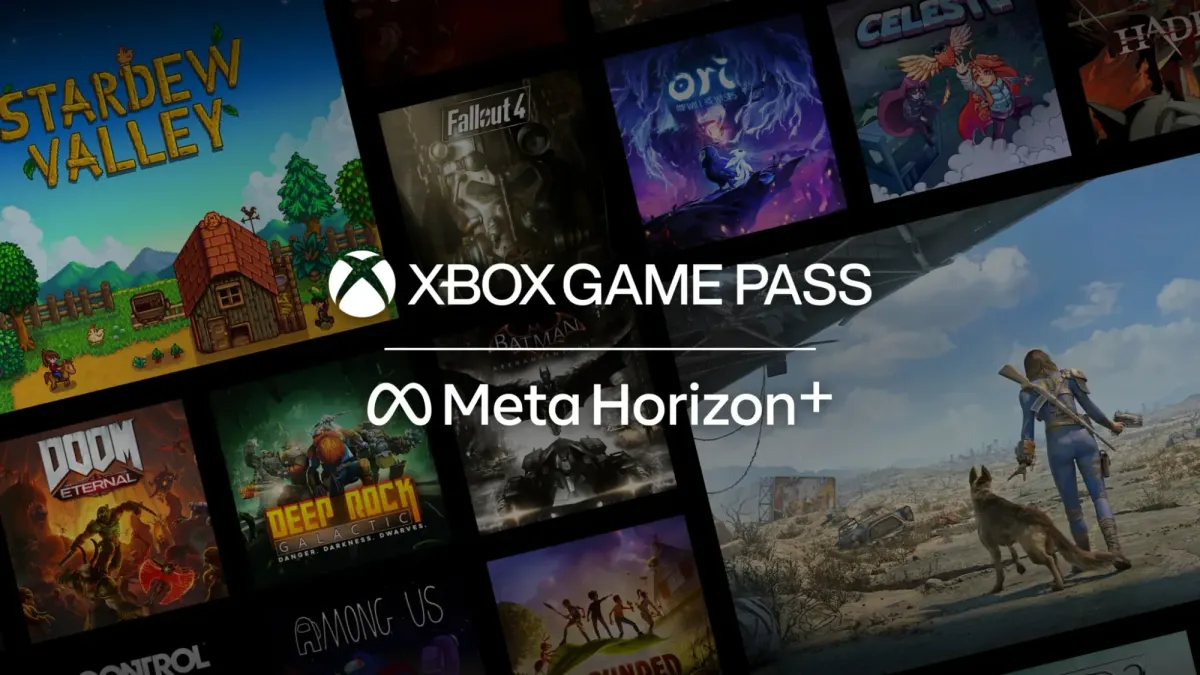
- Xbox Integration: Following the July expansion, subscribers now have access to the Xbox Game Pass Starter plan. This includes up to 10 hours of cloud gaming per month, allowing users to play over 50 Xbox titles on a massive virtual screen within their Quest headset.
- Catalog Growth: Five new titles have been added to the Horizon+ Games Catalog, a rotating library similar to Netflix or Xbox Game Pass, which provides instant access to a curated selection of Quest software.
- Indie Support: Meta continues to populate its "Indie Catalog," a separate tier designed to highlight experimental and smaller-budget titles that showcase the creative breadth of the VR developer community.
- Pricing Structure: The service remains positioned at a competitive $7.99 USD per month or $59.99 USD for an annual commitment, with a one-month free trial available to new users.
II. Chronology: The Evolution of Meta’s Subscription Strategy
To understand the significance of the August update, one must look at the trajectory of Meta’s software services over the last 18 months.
The Launch (2023): Meta initially launched "Meta Quest+" as a direct response to PlayStation Plus. The model was simple: two games a month for a low fee. At the time, the service was seen as a way to help new Quest 2 and Quest 3 owners build a library without the "sticker shock" of $30 individual titles.

The Catalog Pivot (Early 2024): Realizing that a "claim-to-own" model wasn’t enough to compete with the likes of Xbox Game Pass, Meta introduced the Games Catalog. This shifted the service from a mere loyalty program to a robust library of instantly playable games, significantly increasing the value proposition for late adopters of the hardware.
The Microsoft Partnership (Mid-2024): In a landmark move for the industry, Meta and Microsoft collaborated to bring Xbox Cloud Gaming to the Quest. Initially a standalone app, the integration into the Horizon+ subscription in July 2024 marked a shift in Meta’s philosophy. By including 10 hours of Xbox streaming, Meta acknowledged that Quest users often want to consume traditional media and "pancake" games within their headset.
The August 2024 Update: This month represents the first full cycle where the Xbox integration, the rotating catalog, and the monthly claims are all functioning in unison. It marks the maturity of the Horizon+ service as a multi-modal entertainment platform.
III. Supporting Data: A Deep Dive into August’s Featured Content
Wreckin’ Raccoon: The Physics of Chaos
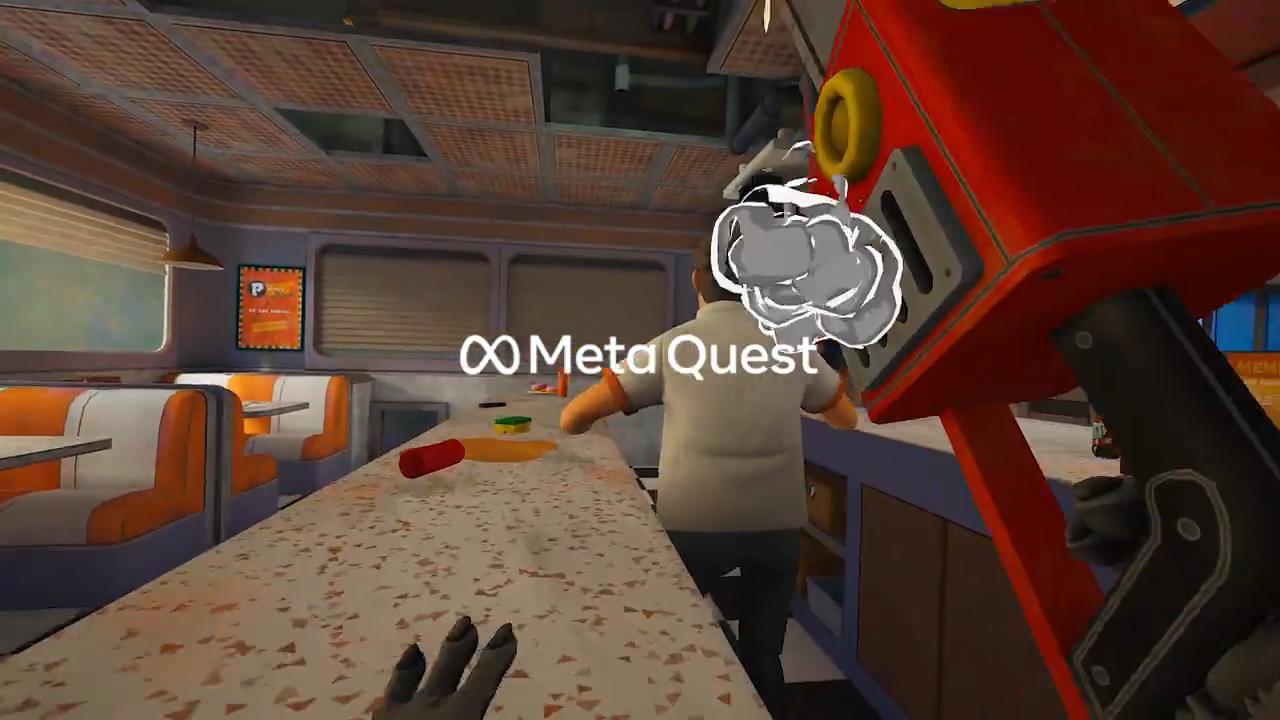
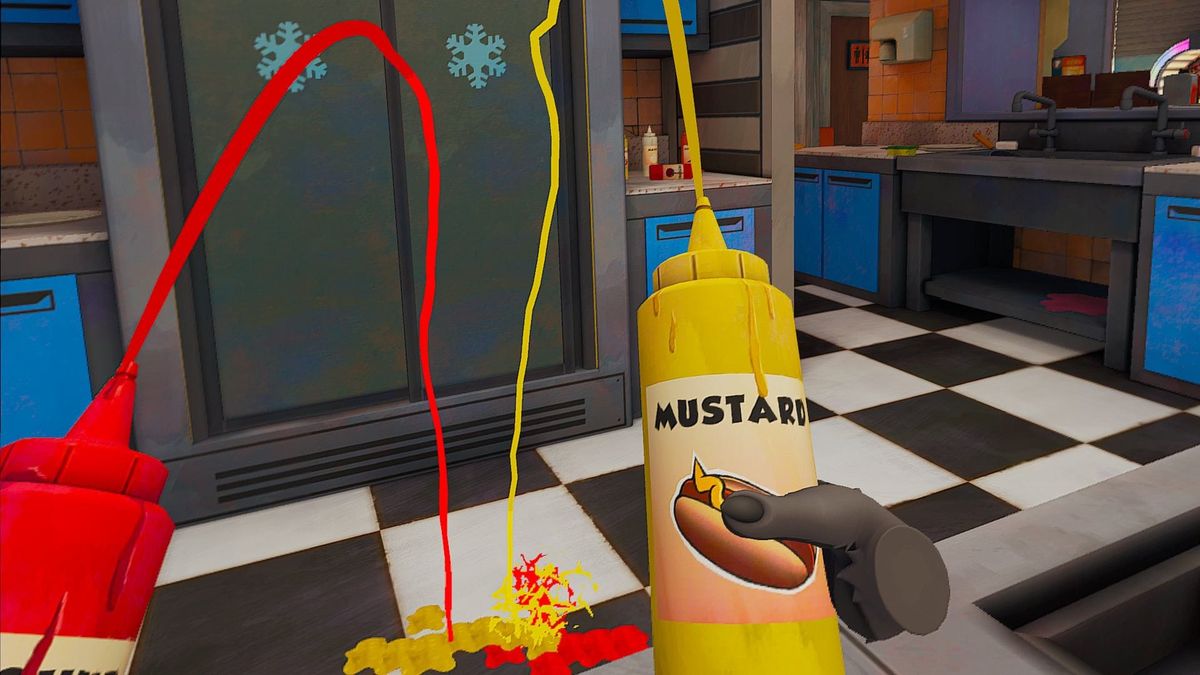
Developed by nDreams Compass, Wreckin’ Raccoon is a testament to the popularity of "chaos simulators" in VR. Following in the footsteps of titles like Goat Simulator and Untitled Goose Game, this title places players in a roadside diner with the express purpose of destruction.
- Gameplay Mechanics: The game utilizes a physics-driven interaction system. Every plate, chair, and food item in the diner is a dynamic object.
- Mission Structure: While it functions as a sandbox, it includes structured missions—such as pranking the chef or evading an exterminator—that provide a sense of progression.
- Strategic Value: For Meta, including a title like this attracts the younger demographic and "casual-core" gamers who prioritize immediate, hilarious feedback over complex narratives.
Iron Rebellion: Tactile Immersion and Mech Warfare
On the opposite end of the spectrum is Iron Rebellion. This title is frequently cited by enthusiasts as the closest the VR medium has come to a MechWarrior experience.
- The Cockpit Experience: Unlike many VR games that rely on button presses, Iron Rebellion requires players to physically reach out and flip switches, pull levers, and manipulate the throttle within a 3D cockpit.
- Multiplayer Depth: The game features 8v8 cross-platform multiplayer, which is crucial for maintaining a healthy player base in the fragmented VR market.
- Customization: With various mech classes and loadouts, it offers the "long-tail" engagement that subscription services need to prevent churn.
The Xbox Game Pass Starter Plan
The inclusion of Xbox Cloud Gaming is perhaps the most data-significant part of the Horizon+ package. By offering 10 hours of streaming, Meta is effectively providing a "trial" of the Xbox ecosystem.
- The "Big Screen" Effect: Users are not playing these games in 3D; rather, they are playing them on a theater-sized virtual screen.
- Technical Requirements: This feature relies heavily on high-speed internet (5GHz or Wi-Fi 6) and a compatible Bluetooth controller, further pushing the Quest toward becoming a "prosumer" device.
IV. Official Responses and Strategic Alignment
While Meta has not issued a formal press release for the August update specifically, the company’s recent earnings calls and developer blogs highlight a clear strategic alignment. Mark Zuckerberg has frequently emphasized that the "Meta Horizon OS" (the rebranded operating system powering Quest) is intended to be an open ecosystem.
Internal sources suggest that the rebranding of the subscription to "Horizon+" is part of a larger effort to unify Meta’s social VR space (Horizon Worlds) with its gaming storefront. By naming the service Horizon+, Meta is signaling that the subscription is an enhancement of the user’s entire digital life within the headset, not just a gaming perk.
Microsoft’s involvement is equally strategic. For Microsoft, providing a "Starter" version of Game Pass on the Quest acts as a funnel for their own Game Pass Ultimate subscription. It allows them to reach millions of Quest users who may not own an Xbox console or a gaming PC.

V. Implications: The Future of the VR Subscription Model
The August Horizon+ update carries several long-term implications for the VR industry and its stakeholders.
For Developers: The "Netflix Effect"
As Meta moves toward a catalog-based model, developers face a double-edged sword. Inclusion in Horizon+ provides an immediate influx of players and a guaranteed payout from Meta. However, it may also cannibalize individual sales. For indie developers in the "Indie Catalog," the exposure is invaluable, but the long-term impact on the "per-unit" value of VR software remains a subject of intense debate within the industry.
For Hardware Competition
With Apple’s Vision Pro focusing on high-end productivity and "spatial memories," Meta is doubling down on gaming and value. By offering a subscription that includes both native VR games and Xbox titles, Meta is making a compelling argument for the Quest 3 as the most cost-effective entertainment device on the market. At $499 for the hardware and $7.99 for the service, the barrier to entry is significantly lower than its competitors.
For the "Metaverse" Vision
The integration of these services into the "Horizon" brand suggests that Meta is moving away from the "isolated app" model. In the future, we can expect Horizon+ benefits to bleed into Horizon Worlds, perhaps offering exclusive avatars, social spaces, or "home" environments based on the monthly games (e.g., a Wreckin’ Raccoon themed virtual apartment).
Conclusion
The August update for Horizon+ is more than just a list of new games; it is a declaration of intent. By curating high-quality native VR content like Iron Rebellion and bridging the gap to traditional gaming through the Xbox partnership, Meta is building a "walled garden" that is increasingly difficult for users to leave. As the service continues to grow, the value proposition of the Quest hardware becomes less about the lenses and processors and more about the vast, affordable library of content accessible at the touch of a button.