Echoes of Trauma: Animated Shorts "Butterfly" and "Gauze" Illuminate the Enduring Scars of Genocide

By Jamie Lang, Cartoon Brew Staff Writer
August 7, 2026
In a poignant intersection of artistic achievement and profound human tragedy, two animated short films, Florence Miailhe’s Oscar-nominated Butterfly and the recent Student Academy Award winner Gauze, are drawing significant attention for their powerful explorations of survival amidst genocide. Released earlier this year, Butterfly captivated audiences and critics alike with its delicate portrayal of Holocaust survivor Alfred Nakache’s life, earning it a coveted Academy Award nomination. This week, Gauze, a striking 2D graduation film from GOBELINS, directed by Noran Fikri Alezabi, Xinyue Ma, and Yulin Yue, secured a Student Academy Award for its unflinching depiction of a Palestinian child’s struggle for survival amidst the ongoing genocide in Gaza.
The proximity of these two honors is not merely coincidental; it highlights a disturbing thematic resonance. Both films, through the distinct yet interconnected lenses of animation, delve into the devastating impact of man-made atrocities on young lives, forcing viewers to confront the lingering echoes of past horrors and the urgent realities of present-day suffering. The availability of both films online presents a unique opportunity for audiences to engage with these vital narratives and to consider the profound role animation plays in preserving memory, fostering empathy, and demanding action.
The Weight of Memory: "Butterfly" and the Holocaust
Florence Miailhe’s Butterfly is a masterclass in visual storytelling, transforming the harrowing true story of Alfred Nakache, a Jewish Olympic swimmer who endured the horrors of Auschwitz, into a deeply personal and emotionally resonant experience. The film’s narrative unfolds as a series of fragmented memories, intricately linked by the pervasive motif of water. For Nakache, swimming was more than a sport; it was a symbol of freedom, a testament to his ambition, a vessel for love, and ultimately, a means of survival amidst unimaginable persecution. The water in Miailhe’s film acts as a fluid bridge, carrying the adult Nakache back and forth between the man he became and the youthful aspirations that were brutally interrupted by the genocide.
Chronology of Resilience and Loss:
The film traces Nakache’s life through pivotal moments: his early passion for swimming, his Olympic aspirations, his love for his wife and daughter, the systematic dehumanization and terror of the concentration camps, and his eventual survival. Each memory, evoked by the gentle or turbulent flow of water, carries the weight of both profound joy and unbearable loss. The visual language of Butterfly eschews explicit depiction of violence, instead opting for a more impressionistic approach that mirrors the psychological impact of trauma. The viewer experiences Nakache’s journey through a dreamlike quality, where the past intrudes upon the present, underscoring the indelible mark left by the Holocaust.
Supporting Data and Artistic Approach:
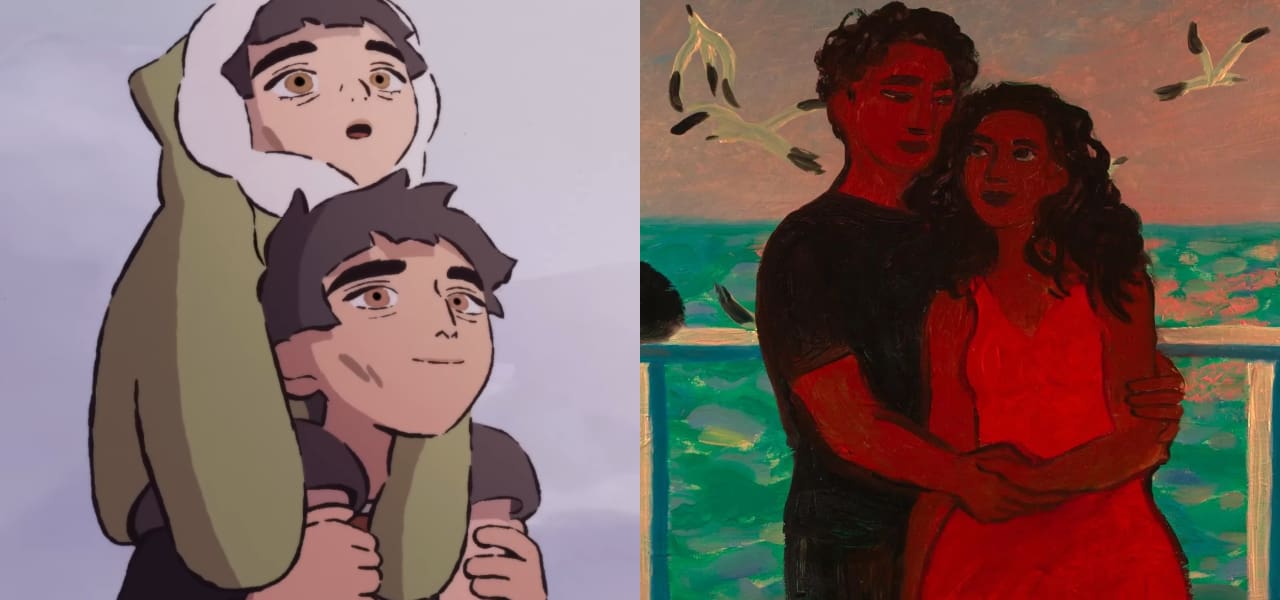
Miailhe’s artistic choices are crucial to the film’s impact. The use of a distinctive, painterly animation style imbues the narrative with a timeless quality, suggesting that the lessons of the Holocaust remain perpetually relevant. The subtle use of color palettes shifts to reflect Nakache’s emotional state, from the vibrant hues of his past happiness to the muted tones of his post-war existence. The film’s runtime, while short, is densely packed with emotional depth, allowing for a profound connection with Nakache’s individual struggle within the larger historical context of the genocide.
Official Recognition and Impact:
The Academy Award nomination for Butterfly signifies a crucial recognition of animated shorts as a powerful medium for tackling sensitive historical subjects. This honor not only elevates Miailhe’s work but also broadens the platform for discussions about the Holocaust and the importance of remembering its victims. The film serves as a vital educational tool, offering a more accessible and emotionally engaging entry point into understanding this dark chapter of history for younger audiences and those less familiar with its details.
The Present Tense of Suffering: "Gauze" and the Gaza Genocide
In stark contrast to the historical distance afforded by Butterfly, Gauze plunges viewers directly into the immediate horrors of the ongoing genocide in Gaza. This 2D Gobelins graduation film, directed by Noran Fikri Alezabi, Xinyue Ma, and Yulin Yue, centers on Zain, a 14-year-old Palestinian swimming champion whose dreams have been brutally extinguished by the omnipresent specter of war and starvation. His reality is no longer defined by competitive aspirations but by the desperate struggle to provide for his six-year-old brother.
A Race Against Time:
The narrative of Gauze is driven by Zain’s perilous journeys to the sea, not for sport or leisure, but to retrieve vital air-dropped humanitarian aid. The water, a symbol of life and hope, is now also a site of immense danger and desperation. Zain is no longer swimming towards a finish line, but towards the precarious possibility of surviving another day. The film draws its profound emotional weight from its inspiration: the real Zain Orouq, a Palestinian teenager tragically killed in 2024 while attempting to secure aid for his community. This direct connection to a contemporary victim amplifies the film’s urgency and underscores the devastating human cost of the conflict.
Visualizing the Unseen:
The animation in Gauze is deliberately stark and visceral, reflecting the harsh realities faced by its protagonist. The filmmakers employ a visual language that conveys the gnawing hunger, the pervasive fear, and the desperate resilience of children caught in conflict. The contrast between the innocence of childhood and the brutality of their environment is starkly depicted, making the film an emotionally charged and deeply unsettling watch. The film’s title, Gauze, itself suggests a thin, fragile layer of protection, hinting at the precariousness of life in Gaza.
.png)
Student Academy Award and the Call for Recognition:
The Student Academy Award bestowed upon Gauze is a significant endorsement of its artistic merit and its critical subject matter. This recognition brings much-needed international attention to the ongoing humanitarian crisis in Gaza and the devastating impact it has on innocent civilians, particularly children. The film serves as a powerful testament to the courage and resilience of those living under siege, while simultaneously issuing a stark indictment of the global indifference that allows such suffering to persist.
Official Responses and International Scrutiny:
While the films themselves are powerful artistic statements, the context of their recognition raises crucial questions about international responses to genocide. The Oscar nomination for Butterfly and the Student Academy Award for Gauze highlight a growing, albeit perhaps insufficient, acknowledgment within the international film community of the importance of bearing witness to atrocity. However, the stark contrast between the commemoration of past genocides and the often-hesitant acknowledgment of ongoing atrocities remains a point of contention. The films implicitly challenge the world to confront the selective nature of remembrance and the urgent need for proactive intervention in the face of present-day human rights violations.
The Enduring Power of Animation: Preserving Memory, Demanding Action
Both Butterfly and Gauze underscore the exceptional capacity of animation to preserve memory and give voice to the silenced. By visualizing trauma and humanizing lives that might otherwise be reduced to statistics, animation offers a potent avenue for empathy and understanding. Butterfly powerfully demonstrates why the work of remembering historical atrocities remains essential, ensuring that future generations learn from the mistakes of the past.
Conversely, Gauze poses a more immediate and urgent question: what is the value of remembering past horrors if those memories do not galvanize us to prevent similar atrocities from unfolding in our own time? The juxtaposition of these two films serves as a potent reminder that the lessons of history are not static pronouncements but living imperatives. As we commemorate the sacrifices of those who perished in the Holocaust, we are simultaneously confronted with the present-day suffering of those caught in the crossfire of ongoing conflicts.
The shared thematic thread of water, transitioning from a symbol of freedom and memory in Butterfly to a conduit for desperate survival in Gauze, powerfully illustrates the cyclical nature of human suffering and the enduring need for vigilance. These animated shorts are not merely artistic achievements; they are urgent dispatches from the front lines of human experience, urging us to confront uncomfortable truths, to extend our empathy beyond historical narratives, and to actively participate in the creation of a future where such profound tragedies are not repeated. The global community, and particularly those in positions of power, would do well to heed the powerful, and often heartbreaking, messages conveyed through these remarkable animated works.