Rebelle 8.3: Escape Motions Continues Its Obsessive Pursuit of Traditional Painting Realism in the Digital Realm
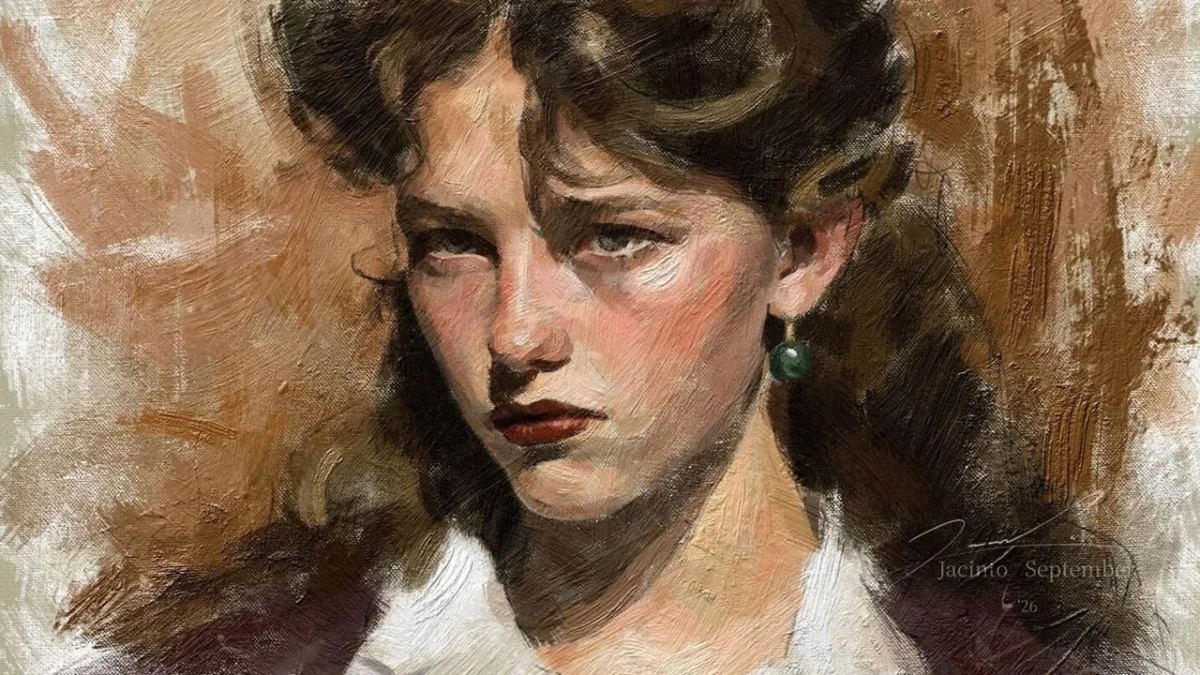
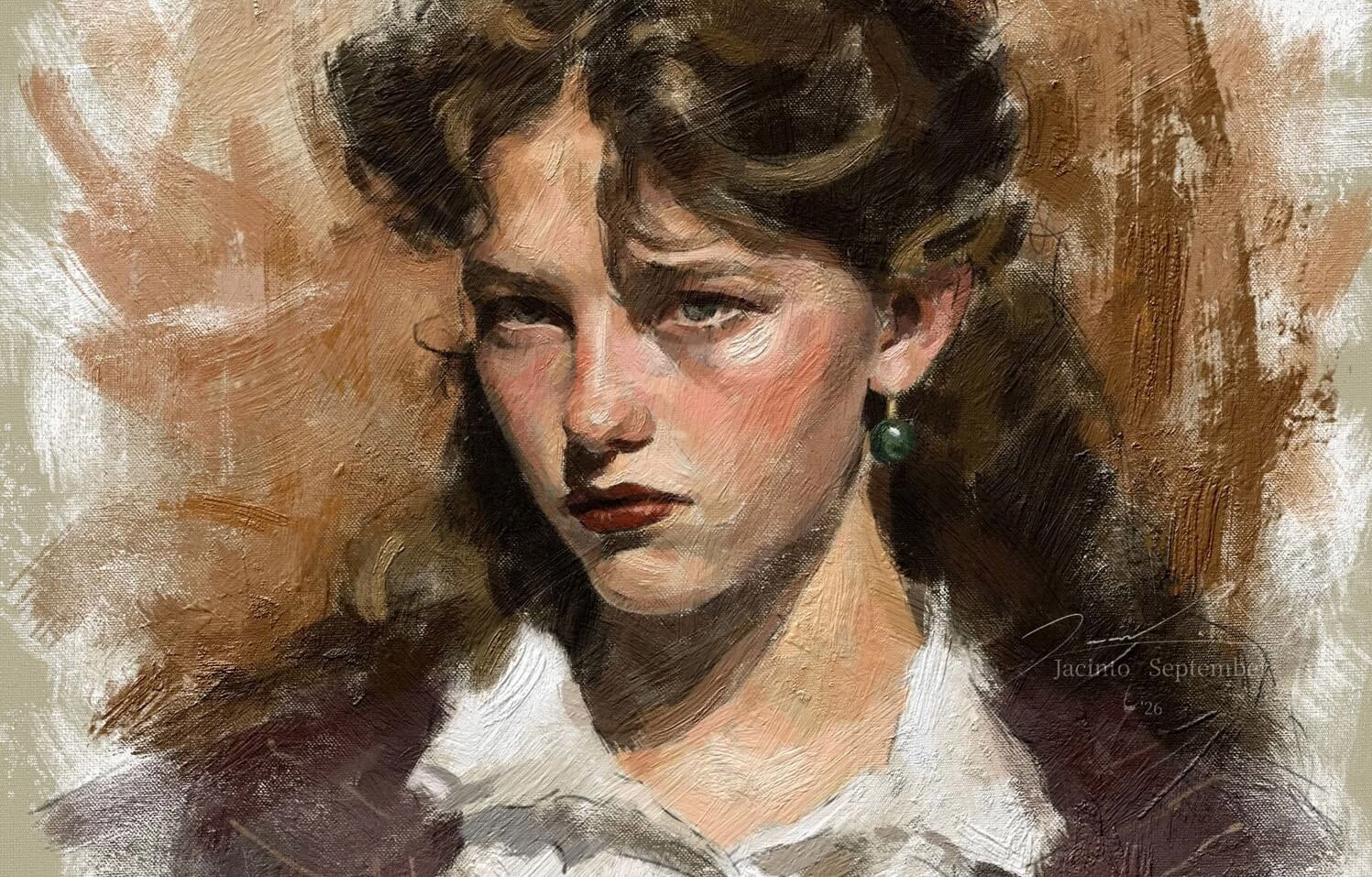
Escape Motions’ latest update to its acclaimed digital painting software, Rebelle 8.3, eschews the siren song of AI-generated art in favor of an even deeper immersion into the tactile, unpredictable, and ultimately human experience of traditional painting. This release focuses on refining brush dynamics, enhancing workflow efficiencies, and introducing professional-grade features that solidify Rebelle’s position as a leader in natural media simulation.
In a digital art landscape increasingly dominated by discussions of artificial intelligence and automated creation, Rebelle 8.3 stands as a refreshing testament to the enduring power of human artistry and the meticulous craft of digital tool development. Escape Motions, the driving force behind Rebelle, has once again demonstrated its unwavering commitment to replicating the nuanced, often serendipitous, behaviors of physical paint and brushes within a digital environment. This latest iteration isn’t about shortcuts; it’s about deepening the artist’s connection to the creative process itself, offering tools that feel intuitive, responsive, and, crucially, alive.
The philosophy behind Rebelle has always been rooted in a profound appreciation for the act of painting. Rather than simply offering digital approximations, the software delves into the mechanics of how paint interacts with a surface, how bristles carry pigment, and how every stroke carries its own unique character. Rebelle 8.3 embodies this ethos, introducing a suite of enhancements designed to elevate the digital painting experience to new heights of realism and control.
What’s New in Rebelle 8.3: A Deeper Dive into the Artistry
Rebelle 8.3 arrives with a carefully curated set of new features, each meticulously designed to enhance the artist’s ability to translate their vision into a digital canvas with unprecedented fidelity. While the broader landscape of digital art software often gravitates towards automation, Escape Motions remains steadfast in its dedication to the authentic painting experience.
Enhanced Bristle Brushes: The Evolution of Natural Variation
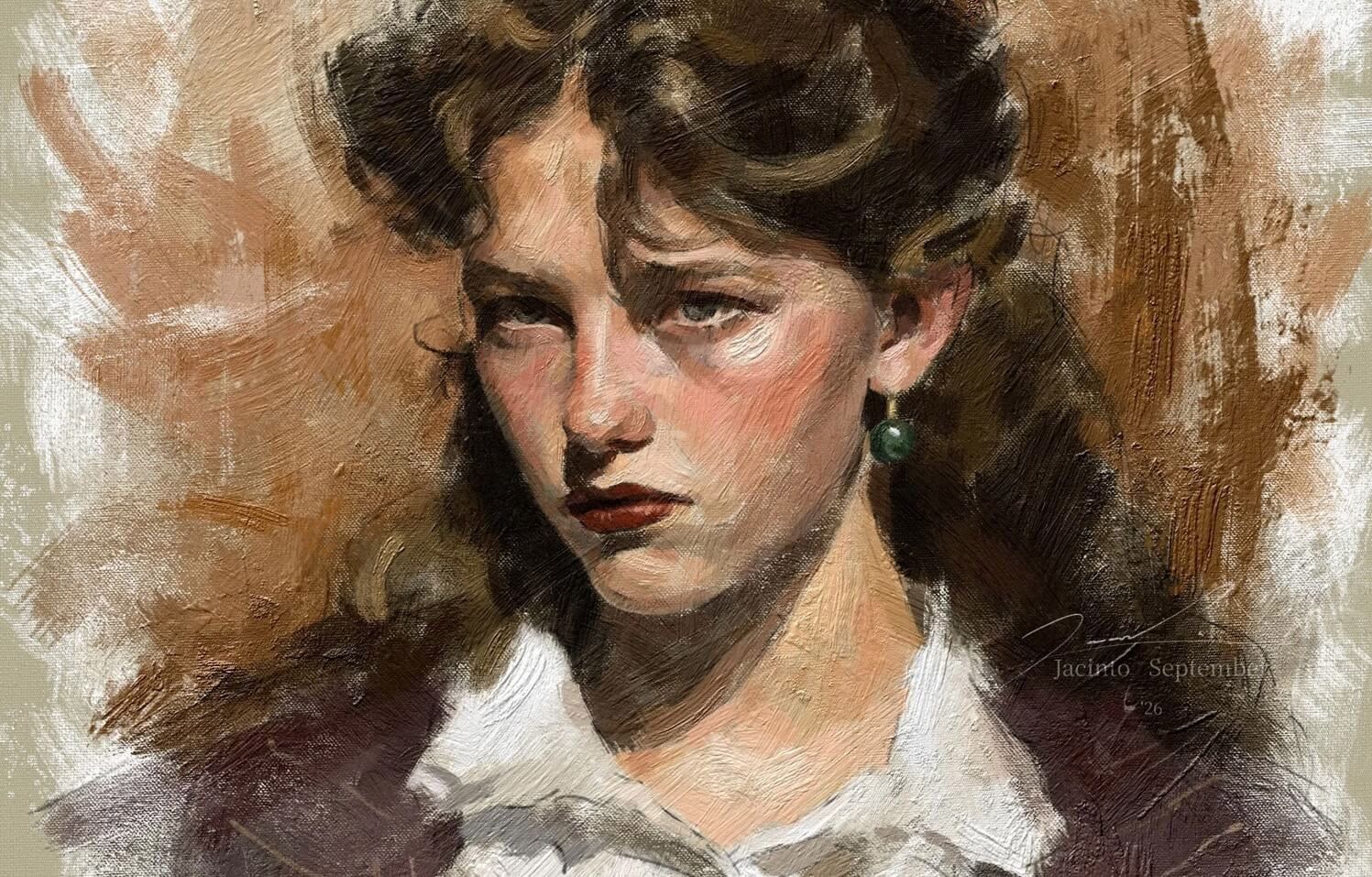
The core of Rebelle’s appeal lies in its sophisticated bristle brush engine, and Rebelle 8.3 takes this technology a significant step further. Building upon the innovations introduced in Rebelle 8, such as Bristle Brushes, RealShader, and SoftShadows, this update refines brush behavior to deliver even more natural variation and painterly texture. The goal is to move beyond mere digital representation and truly capture the unpredictable charm of physical brushwork.
This enhancement means that digital strokes now exhibit a greater degree of nuance. Imagine picking up a brush that still holds residual paint from a previous mix – the resulting mark is rarely uniform. Rebelle 8.3 strives to replicate this organic phenomenon. The software now allows for more natural color bleeding, mixing, and trailing effects, introducing the "happy accidents" that are often the hallmark of traditional masterpieces. This level of detail prevents digital art from feeling overly sterile or repetitive, infusing it with a tangible sense of life and character.
Impasto Heightmap Export: Bridging the Gap Between 2D and 3D
For professional artists working across disciplines, the introduction of Impasto Heightmap Export is a particularly groundbreaking feature. Available in the high-fidelity 16-bit EXR format, this capability allows for the export of depth information generated by Rebelle’s realistic impasto paint effects. This opens up a new world of creative possibilities for artists who seamlessly integrate 2D painting with 3D modeling and compositing workflows. The ability to translate the tangible thickness of digital paint into volumetric data allows for more sophisticated integration into visual effects pipelines, architectural visualizations, and character design, blurring the lines between traditional digital painting and advanced 3D art.
Color Jitter for Texture Brushes: Adding Life to Every Mark
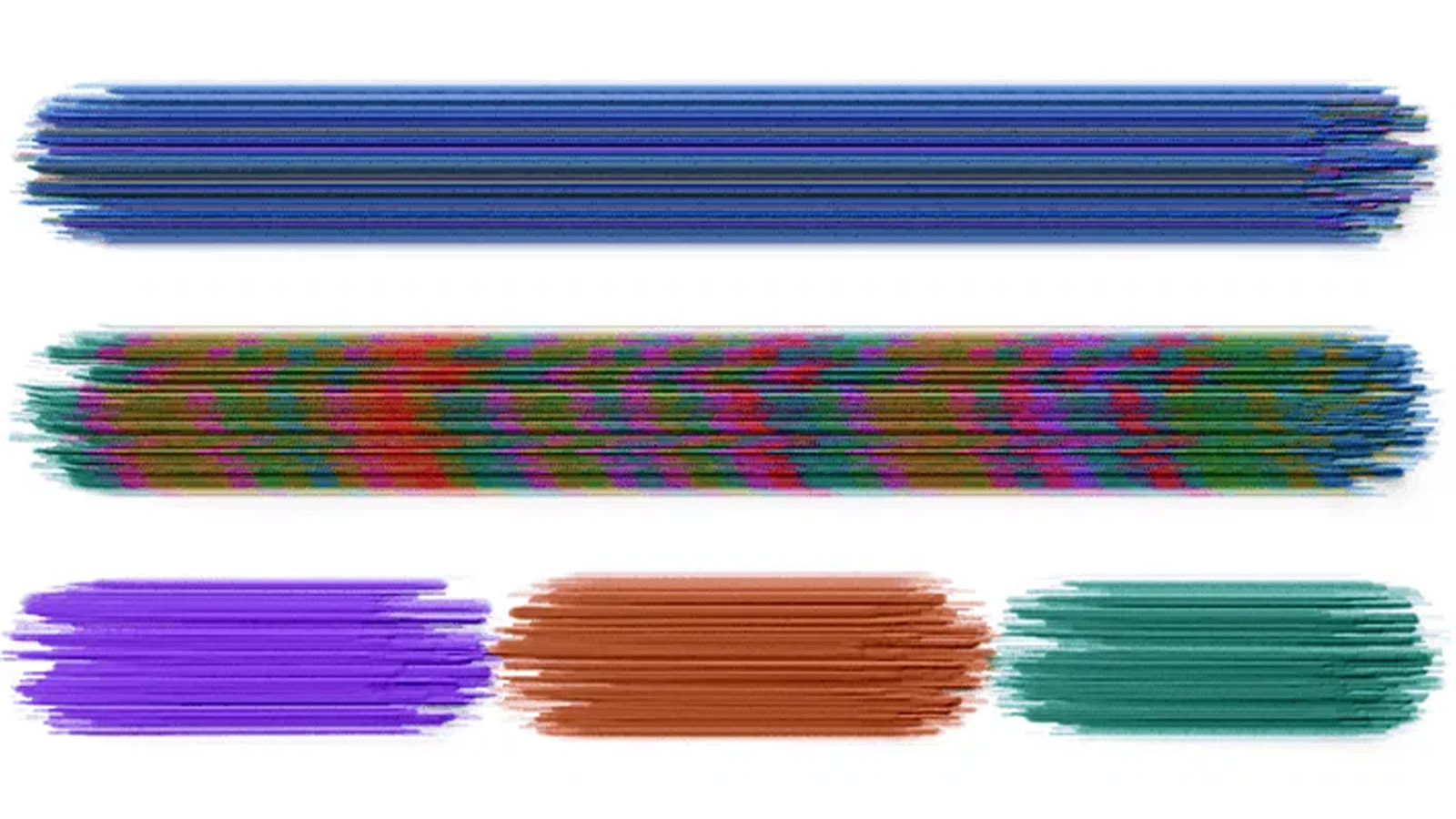
Texture Brushes, already a powerful tool for creating diverse artistic styles, receive a significant boost with the addition of Color Jitter. This feature introduces a granular level of control over color variation, allowing artists to imbue their strokes with organic diversity at multiple levels: per bristle, per stamp, and per stroke. The impact of this seemingly minor addition is profound. It ensures that repeated marks do not appear identical, fostering a more authentic and visually engaging artistic output. This nuanced variation is critical in preventing digital artwork from falling into the trap of uniformity, making each element of the composition feel distinct and handcrafted.
Interactive Selection Tool + Quick Fill: Streamlining the Workflow
Workflow efficiency is paramount for any digital artist, and Rebelle 8.3 introduces significant improvements in this area with its revamped selection tools. The new Interactive Selection Tool, coupled with the integrated Quick Fill functionality, streamlines the process of selecting, filling, feathering, and refining areas of an artwork. Artists can now perform these essential operations without the constant need to switch between different tools, leading to a more fluid and intuitive creative experience. This reduction in friction allows artists to remain immersed in their creative flow, minimizing interruptions and maximizing productivity.
Rough Feather: Softening Digital Edges for Organic Appeal
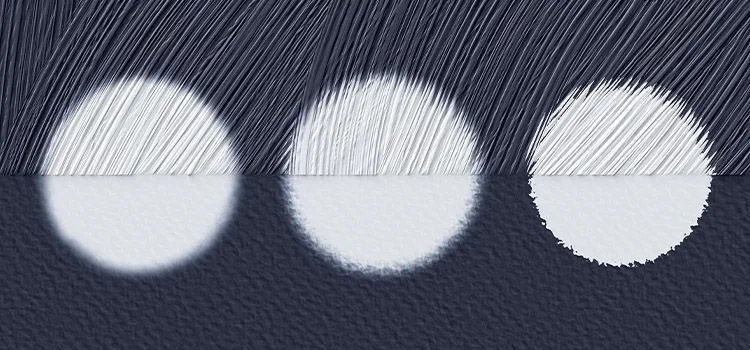
The inclusion of Rough Feather addresses a subtle yet critical aspect of achieving a natural aesthetic in digital art. While traditional painting often features soft, organic transitions, digital selections can sometimes appear too sharp or precise. Rough Feather introduces a more naturalistic softening to selection edges, which is particularly beneficial for illustrators and artists working with textured styles. By allowing for more organic edges, this feature helps to bridge the gap between digital precision and the inherent softness of traditional media, further enhancing the program’s ability to create art that feels less "digital."
The Philosophy of Authenticity: Why Rebelle Continues to Stand Out
The consistent theme across all updates to Rebelle is Escape Motions’ deep-seated fascination with the act of painting itself. This isn’t about the outcome alone, but the intricate journey of creation. The company’s commitment is evident in their relentless pursuit of simulating the physical properties of paint and brushes.
"Every update to Rebelle feels like it starts with the same question: how can this feel more like picking up a real brush?" the article’s author, Ian Dean, notes. This question drives the development of features that aim to replicate the subtle unpredictability of traditional media. The drag of pigment, the way colors blend organically, the faint traces left behind by a brush – these are the elements that imbue traditional artwork with its unique vitality. Rebelle 8.3 endeavors to capture these imperfections, transforming what might be considered digital limitations into artistic strengths.
This focus on authenticity sets Rebelle apart in a market saturated with software that often prioritizes speed and automation. While applications like Photoshop remain industry standards and Procreate dominates the iPad ecosystem for its accessibility, Rebelle carves out a distinct niche for artists who prioritize the tactile sensation and nuanced behavior of physical painting. This is a space where Corel Painter and ArtRage have long operated, but Rebelle is increasingly recognized for its advanced simulation of traditional paint.
A Chronology of Realism: Rebelle’s Evolution
Rebelle’s journey has been one of continuous refinement, steadily moving towards an ever-more authentic representation of traditional painting techniques. The foundational versions of Rebelle laid the groundwork by introducing innovative features like watercolor simulation, wet-on-wet blending, and fluid dynamics.
- Early Versions: Focused on establishing a robust watercolor engine, simulating the way water and pigment interact on a canvas, including phenomena like bleeding and spreading.
- Rebelle 5: Introduced advanced pigment simulation and a more sophisticated brush engine, allowing for greater control over opacity, texture, and mixing.
- Rebelle 7: Marked a significant leap with the introduction of the groundbreaking Bristle Brushes, which simulated individual brush hairs for a more realistic stroke, and the RealShader rendering engine for enhanced light interaction.
- Rebelle 8: Further expanded on the realism with features like SoftShadows, which simulate how paint interacts with the canvas texture, and a more advanced impasto effect.
- Rebelle 8.3: The current iteration, which builds upon the foundation of Rebelle 8 by refining these existing features and introducing the key enhancements discussed above, such as improved bristle behavior, heightmap export, and workflow improvements.
This chronological progression highlights a deliberate and focused strategy: to incrementally enhance the simulation of physical painting, rather than chasing broad, superficial trends. Each update feels like a thoughtful response to the challenges and nuances artists encounter when working with traditional media.
Supporting Data: The Impact of Nuance
The effectiveness of Rebelle’s approach can be observed in the subtle yet significant ways it impacts the final artwork. The author’s personal experience and the visual examples provided illustrate this:
- Bristle Brush Variation: The ability for brushes to hold residual color or mix pigments more naturally leads to strokes that are less uniform and more visually interesting. This translates to skies with richer gradients, landscapes with more varied textures, and portraits with a greater sense of depth and life.
- Color Jitter: By introducing variation at the per-bristle, per-stamp, and per-stroke level, Color Jitter prevents the robotic repetition often seen in digital art. This makes textures appear more organic, whether it’s the rough grain of wood, the subtle variations in fabric, or the nuanced tones of skin.
- Rough Feather: In applications where crisp, digital edges can detract from a painterly feel, Rough Feather provides a solution. It allows for selections that blend more naturally into the artwork, mimicking the soft edges often achieved with physical media, which is particularly valuable for character illustrations and concept art.
- Impasto Heightmap Export: This feature’s potential is vast. For 3D artists, it means that the tactile quality of Rebelle’s paint can be directly incorporated into 3D scenes, adding a unique textural element that would otherwise be difficult or time-consuming to achieve. This could manifest in realistic digital sculpting, textured game assets, or unique visual effects.
The consistent feedback from artists who favor Rebelle often centers on this feeling of "rightness" – the sense that the software is an intuitive extension of their artistic intent, rather than a barrier to it.
Official Responses and Developer Vision
Escape Motions’ commitment to its vision is articulated through its consistent development philosophy and communication with its user base. The company’s focus is not on competing with AI art generators, but on empowering artists with tools that enhance their creative agency.
In a statement or through their blog posts, Escape Motions has often emphasized their dedication to the "art of painting." They acknowledge the rapid advancements in AI but choose a different path, one that respects and elevates the traditional artistic process. This is a deliberate choice to serve a specific segment of the art community – those who cherish the tangible, the expressive, and the deeply human aspects of creation.
"Rebelle 8.3 has just been released, and while it comes with a healthy list of new features, none of them is about typing a prompt and waiting for a machine to make the artwork for you," the article highlights. This direct statement from the source underscores their core philosophy. They are not aiming to automate creativity but to augment the artist’s ability to express themselves through the nuanced language of paint.
Implications for the Digital Art Landscape
The continued evolution of Rebelle 8.3 has several significant implications for the broader digital art landscape:
- A Counterpoint to AI Art: As AI art generators become more prevalent, Rebelle’s approach serves as a vital reminder of the value of human skill, intention, and the physical act of creation. It provides a powerful alternative for artists who seek to maintain a direct connection to their medium.
- Elevating Traditional Media Simulation: Rebelle is pushing the boundaries of what’s possible in simulating traditional art forms digitally. Its success could inspire other software developers to invest more deeply in the nuanced simulation of physical media, rather than solely focusing on speed and automation.
- Bridging 2D and 3D Workflows: The Impasto Heightmap Export feature, in particular, signals a growing trend towards integration between 2D and 3D art creation. This has the potential to streamline workflows for VFX artists, game developers, and animators, allowing for more cohesive and texturally rich projects.
- The Value of Workflow Enhancements: While headline features like advanced brush engines are crucial, Rebelle 8.3 demonstrates that significant value can also be derived from meticulous workflow improvements. The Interactive Selection Tool and Rough Feather, though seemingly minor, can dramatically improve an artist’s efficiency and the final aesthetic.
- A Niche for Dedicated Craftsmanship: Rebelle’s ongoing success suggests a robust and growing market for specialized digital art tools that cater to specific artistic philosophies. Artists seeking a particular type of creative experience can find powerful, dedicated solutions that excel in their chosen domain.
In conclusion, Rebelle 8.3 is more than just an incremental update; it’s a declaration of intent. Escape Motions continues to champion the artist’s hand, the subtle imperfections of real media, and the joy of the creative process itself. By focusing on obsessive detail and a deep understanding of traditional art, Rebelle 8.3 not only refines the digital painting experience but also reinforces the enduring relevance and irreplaceable value of human artistry in an increasingly automated world. The software is a testament to the idea that the most compelling digital art often arises not from shortcuts, but from a profound engagement with the craft.