The End of an Era? The Simpsons’ Longevity Faces Scrutiny Amidst Star’s Bold Prediction and Shifting Cultural Relevance
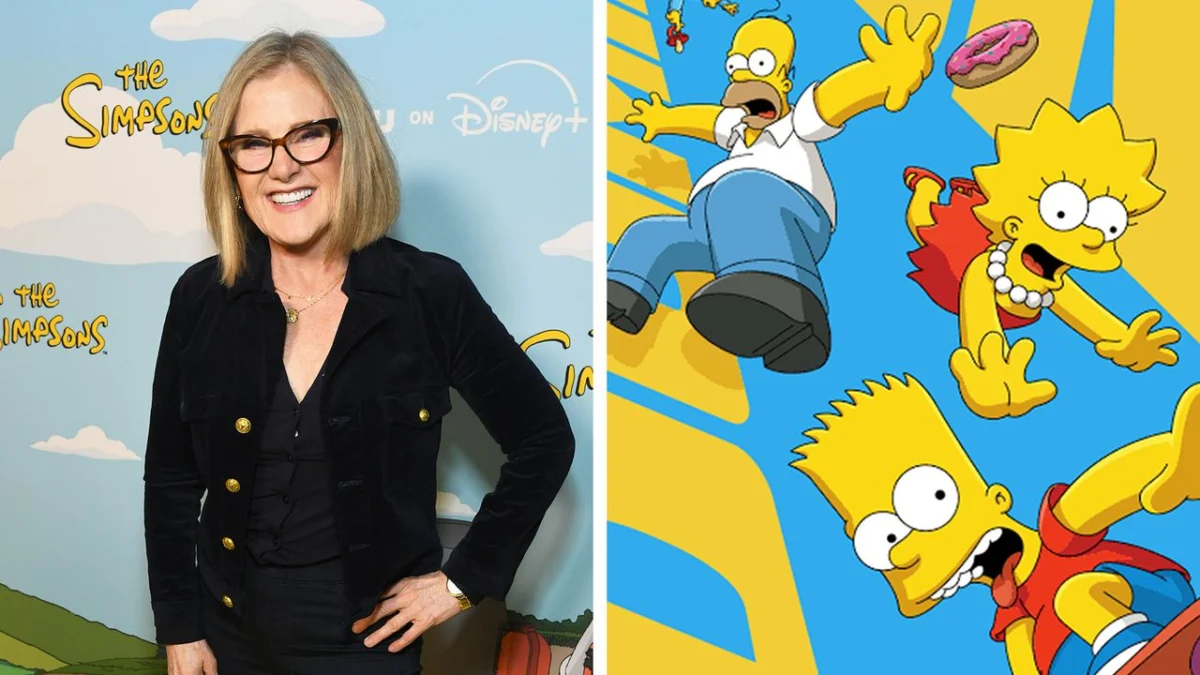
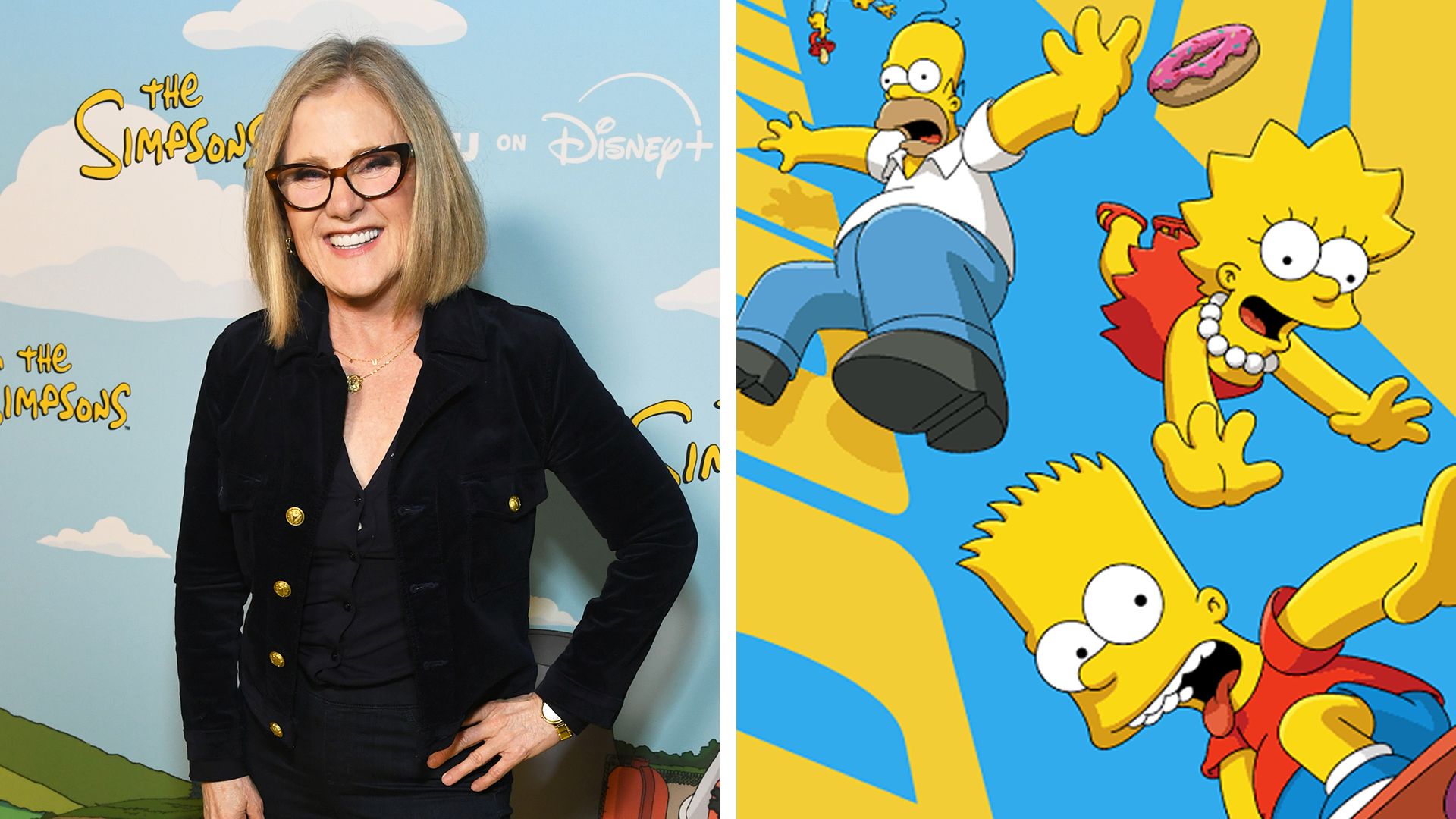
Springfield, USA – For over three decades, the animated antics of the Simpson family have been a television staple, weaving themselves into the fabric of global pop culture. As "The Simpsons" approaches its landmark 38th season and gears up for "The Simpsons Movie 2" in 2027, a surprising voice from within the show’s own iconic cast has cast a shadow of doubt over its future. Nancy Cartwright, the legendary voice behind Bart Simpson, has publicly stated her belief that the long-running sitcom is nearing its conclusion, suggesting a potential end within the next two seasons, around 2029. This bold prediction, coupled with growing online discourse about the show’s evolving relevance, is sparking conversations about the inevitable trajectory of even the most enduring television franchises.
The Unforeseen Oracle: Nancy Cartwright’s Stark Forecast
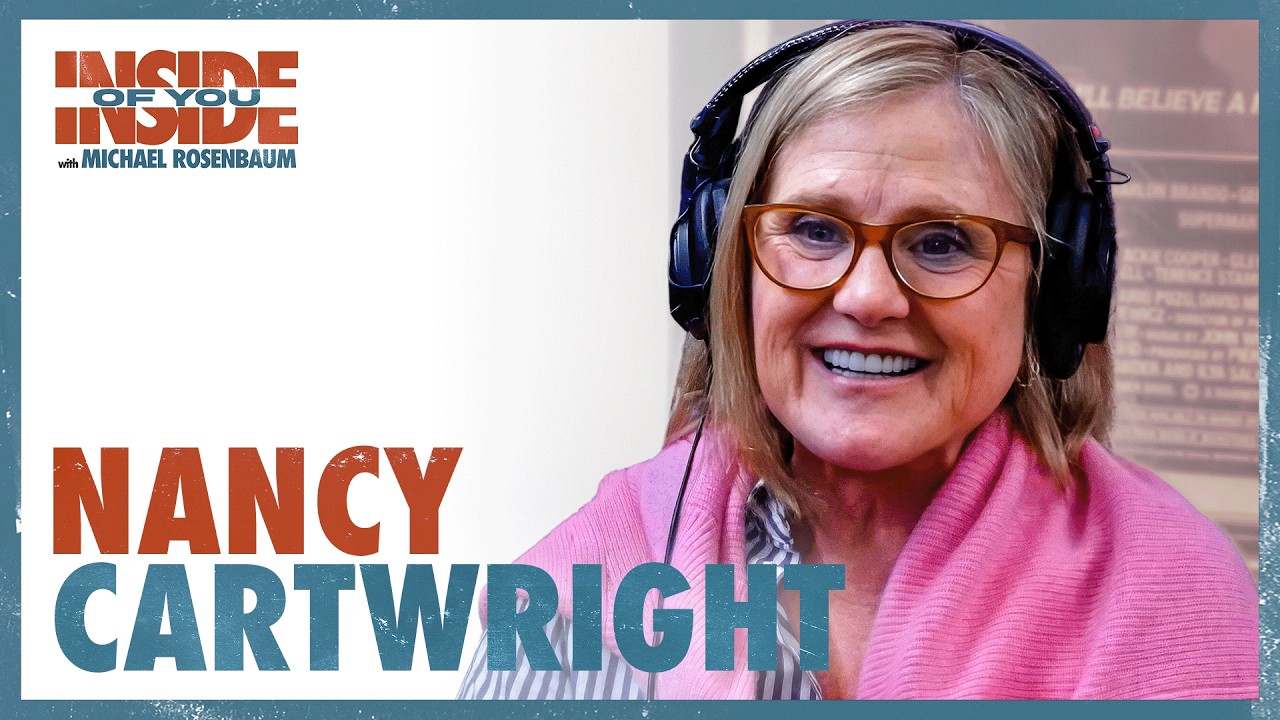
Nancy Cartwright, whose distinctive portrayal of Bart Simpson has defined the character for generations, shared her candid opinion during an interview on Michael Rosenbaum’s "Inside of You" podcast. When directly asked about the show’s potential lifespan, Cartwright offered a definitive answer: "40." This succinct response implies that after the upcoming 38th season, only two more would follow, bringing the series’ run to a close in early 2029.
While Cartwright clarified that this is her personal opinion and she would be "happy to carry on" as long as Disney desired and the core cast remained, her statement carries significant weight. As a voice actor who has been with "The Simpsons" since its inception as shorts on "The Tracey Ullman Show" in 1987, her perspective is informed by an intimate and unparalleled understanding of the show’s history and inner workings. She has witnessed firsthand the "Bartmania" craze, navigated contract disputes, and experienced the seismic shift following Disney’s acquisition of 21st Century Fox.
This prediction also aligns with a pragmatic observation regarding the show’s broadcasting rights. Fox Broadcasting Company recently renewed its agreement to air "The Simpsons" only until the conclusion of its 40th season. This contractual endpoint, coupled with Cartwright’s internal estimation, paints a compelling picture of a potential planned finale rather than an abrupt cancellation.
A Chronicle of Enduring Dominance: The Simpsons’ Unprecedented Run
The Simpsons’ journey began on December 17, 1989, with the episode "Simpsons Roasting on an Open Fire." Since then, it has ascended to unprecedented heights, not only becoming the longest-running American sitcom but also the longest-running American animated series and scripted primetime television series in history. Its cultural footprint is immense, permeating language, humor, and societal commentary for over three decades.
Key Milestones in "The Simpsons" History:
- 1987: Introduction of the Simpson family as animated shorts on "The Tracey Ullman Show."
- 1989: Premiere of "The Simpsons" as a full-length series.
- 1990s: "Bartmania" – Bart Simpson becomes a global phenomenon, leading to widespread merchandising and cultural impact.
- 2007: Release of "The Simpsons Movie," a critical and commercial success.
- 2011: Major contract renegotiations with the main voice cast, securing their continued involvement.
- 2019: Disney’s acquisition of 21st Century Fox, bringing "The Simpsons" under the Disney umbrella.
- 2023: "The Simpsons Movie 2" announced for a 2027 release.
- Present: Approaching Season 38, with discussions about its potential conclusion intensifying.
This extraordinary longevity is a testament to the show’s adaptable writing, its ability to satirize contemporary issues, and the enduring appeal of its dysfunctional yet relatable family. However, as the world around Springfield continues to evolve, questions about the show’s continued relevance are becoming increasingly prominent.
The Shifting Sands of Relevance: Social Media Echoes and Character Anachronisms
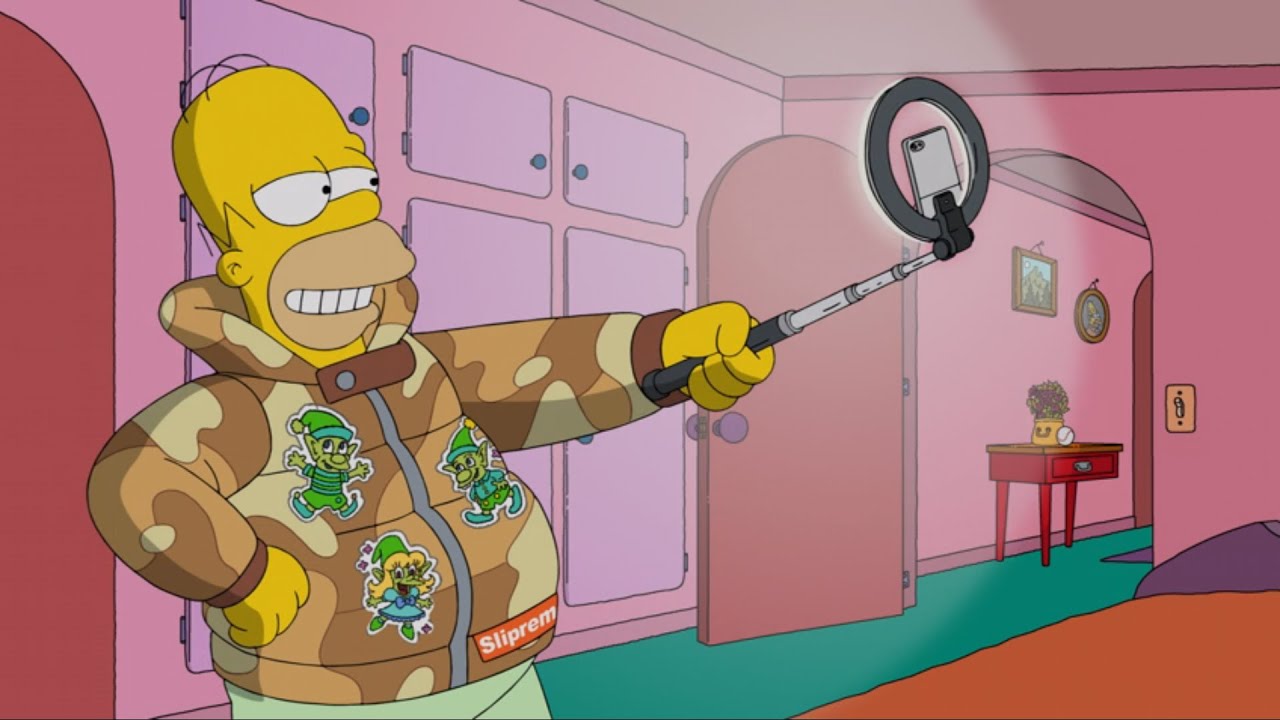
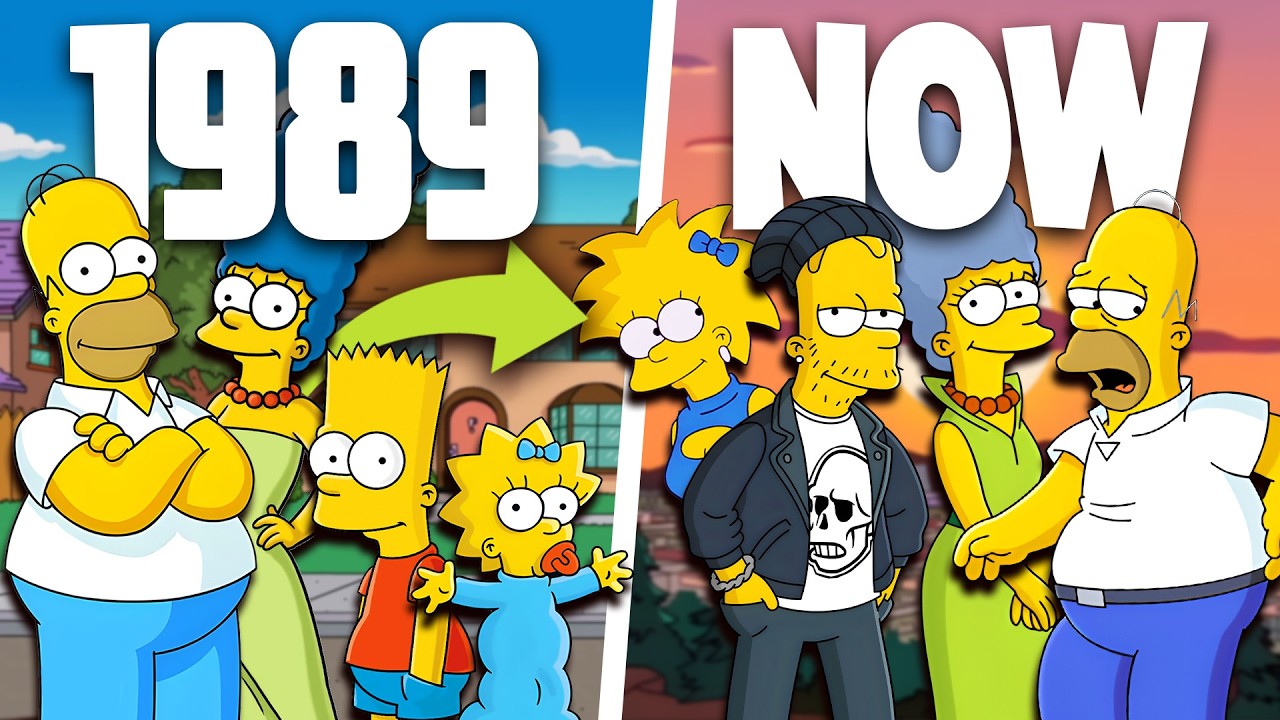
Nancy Cartwright’s prediction is not an isolated sentiment; it resonates with a growing chorus of voices on social media. A recurring theme highlights the peculiar anachronism of the Simpson family in a rapidly changing world. Most notably, observations have emerged suggesting that Homer Simpson, the patriarch of the family, now fits the profile of a "late millennial" rather than the boomer caricature he was originally intended to embody.
"The Simpsons" has always played with a fluid timeline, allowing characters to experience events without aging significantly. Flashbacks have placed young Homer and Marge in various decades, from the 1960s to the 1990s, yet their core socioeconomic reality – a modest suburban home, a stay-at-home wife, and the general semblance of a middle-class existence – has remained remarkably static.
However, in today’s economic climate, this depiction is becoming increasingly difficult to reconcile. As one X (formerly Twitter) user pointed out, "The Simpsons debuted in 1987 and this is the type of house the shows creators thought a single-income family could afford. According to an episode in Season 1, Homer made 25k a year (60k in 2026 dollars). In 1987 that house would cost about 100k (which was the national average)." This sentiment is echoed by another post lamenting, "This is why The Simpson stopped being funny in the early 00s. By no metric could Homer be considered a deadbeat by today’s standards. The caricature is no longer relatable."
The argument posits that the original comedic premise of Homer as a lovable but flawed, underachieving boomer navigating a comfortable post-war American dream is no longer as potent. The contemporary reality for many young adults, even those with steady employment, often involves financial precarity, student loan debt, and a struggle to achieve the traditional markers of middle-class success. The image of Homer with his stable job, stay-at-home wife, homeownership, and the ability to support his father in retirement stands in stark contrast to the lived experiences of many viewers who grew up with the show. "Homer has a job, stay at home wife, three kids, a big house, a car, and supports his father in a retirement home. Look at my bedroom in my mother’s home. I have a gaming laptop," one user wryly observed, highlighting the generational shift in perceived markers of success and stability.
While "The Simpsons" has always been remarkably self-aware, even toying with the concept of its own timelessness through various narrative devices, the growing disconnect between Springfield’s unchanging reality and the modern world poses a significant challenge. The show’s success has historically stemmed from its ability to tap into universal themes and observations about family and society, but if its core satirical targets become less relatable, its comedic impact may inevitably diminish.
Official Responses and the Future of Springfield
While Nancy Cartwright’s personal prediction has ignited widespread speculation, there has been no official confirmation from Disney or the show’s creative team regarding an impending end. The continued production of new seasons and the upcoming movie sequel suggest that the franchise remains a valuable asset.
However, the shifting landscape of media consumption and ownership introduces new dynamics. Disney’s acquisition of 21st Century Fox has placed "The Simpsons" under its expansive corporate umbrella. This means that ultimate decisions regarding the show’s future, including its potential continuation or conclusion, rest with the entertainment giant.
The current broadcasting agreement with Fox ending after Season 40 is a critical juncture. While "The Simpsons" has retained its prime-time slot on Fox due to its cultural prestige and consistent, albeit declining, ratings, Disney could explore alternative avenues for its distribution. The streaming platform Disney+ presents a viable option, allowing the company to house the extensive back catalog and potentially launch new content.
The possibility of moving "The Simpsons" to Disney+ also opens up discussions about the form future iterations might take. Given Disney’s foray into integrating fan-made content and leveraging its intellectual property across various platforms, it’s conceivable that the franchise could evolve beyond traditional episodic television. The mention of Disney potentially bringing "TikTok to Disney+" hints at a broader strategy of embracing digital culture and fan engagement, which could include interactive content, meme compilations, or even user-generated spin-offs.
Implications for Pop Culture and the Legacy of "The Simpsons"
The potential conclusion of "The Simpsons" marks the end of an era, not just for television but for the broader cultural landscape it has so profoundly shaped. The show has been a constant companion for generations, influencing humor, fashion, and even political discourse. Its ability to satirize societal norms and comment on the human condition with sharp wit and endearing characters has cemented its legacy.
However, the very longevity that has defined "The Simpsons" also presents its greatest challenge. As audiences and societal values evolve, the show faces the inherent difficulty of remaining relevant without sacrificing the core elements that made it beloved. The discussion around Homer’s evolving demographic and the perceived disconnect with modern economic realities highlights this tension.
Ultimately, the decision to bring "The Simpsons" to a close will likely be a multifaceted one, influenced by a combination of creative considerations, contractual obligations, and business strategies. While the exact timeline remains uncertain, Nancy Cartwright’s candid assessment serves as a poignant reminder that even the most enduring icons must eventually face the passage of time. The upcoming D23 fan event, where updates on "The Simpsons Movie 2" are expected, may offer further clues into the future of Springfield and its beloved inhabitants. Whether it’s a gradual winding down or a definitive finale, the impact of "The Simpsons" on popular culture is undeniable and will undoubtedly continue to resonate for years to come. The question that remains is not if the show will end, but when, and how its final chapter will be written.