"Freak War" Emerges: A Playful Hybrid Set to Redefine Casual Card Battles
Sheltonshire Games Unveils a Unique Trading Card Game Fusing Pokémon Evolution, Exploding Kittens’ Chaos, and Classic ‘War’ Simplicity
In an increasingly saturated market of complex strategy games and often-derivative party experiences, a fresh contender has burst onto the scene, promising a delightful blend of familiar mechanics with a uniquely whimsical twist. "Freak War," a new party-game trading card game (TCG) from cartoonist Nate Galbraith, known as sketchnate, is poised to capture the imagination of players seeking the thrill of TCG battles without the daunting learning curves or extensive deck-building demands. Described as a playful fusion of Pokémon’s evolving monsters, the fast-paced unpredictability of Exploding Kittens, and the straightforward combat of the classic card game War, "Freak War" offers an accessible yet engaging experience for casual players and seasoned enthusiasts alike.
The game’s recent crowdfunding success on Kickstarter, where it swiftly surpassed its modest $10,000 goal, underscores a clear appetite within the gaming community for innovative, lighthearted, and easy-to-learn card games. Slated for delivery in June of next year, "Freak War" aims to become the go-to game for family gatherings, friendly get-togethers, and anyone looking for a dose of spontaneous, creature-fueled fun.
The Genesis of a Hybrid: A Chronology of Inspiration and Development
The spark for "Freak War" ignited from an observation many parents or educators might recognize: children attempting to engage in complex battles using disparate game components. Creator Nate Galbraith, a cartoonist by trade, recounts witnessing kids trying to stage Pokémon-style battles with simple Uno cards. This charming, if slightly chaotic, improvisation led Galbraith to suggest they instead play the traditional card game War, a game synonymous with immediate, head-to-head card comparisons. The resulting blend of these experiences—the evolutionary appeal of Pokémon, the direct combat of War, and the desire for lighthearted fun—formed the foundational bedrock of "Freak War."
Galbraith, under his artistic moniker sketchnate, then embarked on the creative journey of populating this new game world with a collection of bizarre and endearing creatures. His distinctive cartoon style, previously showcased across various platforms, became the visual language for these "freaks," each imbued with personality and charm. The design philosophy centered on accessibility: how to distill the engaging elements of TCGs—like creature abilities, strategic modifiers, and the excitement of evolving forms—into a format that required minimal setup and allowed for instant play.
Over time, the concept evolved beyond a simple card game, incorporating elements that introduce strategic depth and player interaction akin to popular party games. The "Exploding Kittens" influence, in particular, brought in the crucial element of chaotic effects and unexpected twists that can radically alter the flow of battle, ensuring that no two games are ever quite the same. This iterative design process, marrying the simplicity of War with the strategic layers of modern card games and the visual appeal of a cartoonist’s unique imagination, culminated in the "Freak War" that is now captivating backers on Kickstarter. The journey from a casual observation of children at play to a fully realized, crowdfunded game demonstrates Galbraith’s ingenuity and a keen understanding of what makes a card game truly enjoyable and widely appealing.
Unpacking the Chaos: Gameplay Mechanics and Strategic Nuances
At its heart, "Freak War" is designed for immediacy and dynamic interaction. Unlike many traditional TCGs that require hours of deck-building and rule memorization, "Freak War" prioritizes getting players straight into the action.
A. Core Gameplay Loop
The setup is refreshingly simple: players can merely split a shuffled deck among themselves. This "pick up and play" ethos is a deliberate design choice, removing barriers to entry often associated with the TCG genre. While the option to build custom decks exists for those who enjoy a more tailored experience, it’s never a prerequisite for enjoyment. This flexibility caters to both casual players looking for a quick diversion and those who might wish to delve deeper into strategic customization.
"Freak War" accommodates up to four or more players, fostering a lively group dynamic. The core combat mechanic is straightforward yet exciting: everyone plays a creature card simultaneously. The creature with the highest attack level claims victory in that round. This simultaneous reveal creates moments of suspense and anticipation, as players hold their breath to see whose monster will reign supreme. The winner collects all the cards played in that round, adding them to their "win pile." These collected cards are not immediately removed from the game but are reshuffled into the player’s deck, ensuring a constant rotation of creatures and keeping the game moving. The ultimate objective is classic War-style dominance: the person who manages to claim all the cards from their opponents emerges as the champion.
The elegance of this loop lies in its simplicity, making it incredibly easy for newcomers to grasp within minutes. Yet, beneath this straightforward façade lies a layer of strategic decision-making, particularly concerning when to deploy certain creatures or utilize powerful modifiers.
B. Creature Evolution & Modifiers
The Pokémon influence shines through in the game’s creature evolution mechanics. Certain cards possess the power to "evolve" into larger, more potent forms, reflecting the growth and transformation central to the Pokémon universe. This adds a compelling strategic dimension, as players must decide when to unleash an evolved creature for maximum impact. Will they save a powerful evolution for a crucial moment, or use it to secure an early lead?
Complementing these evolutionary powers are a diverse array of modifier cards. These "take-that" elements introduce an element of delightful chaos, reminiscent of "Exploding Kittens." Modifiers can be equipped to one’s own creatures to boost their strength, or strategically deployed against opponents’ cards to reduce their power, disrupting their plans. From the straightforward "Super Sword" and its even mightier counterpart, the "Super Duper Sword," to more intricate effects like swapping cards with a rival, canceling an opponent’s modifier, or even flipping coins for a chance at a power boost, these cards ensure that battles are never purely about raw attack numbers. They inject a layer of tactical bluffing and unexpected twists, keeping players engaged and on their toes.
A unique aspect of "Freak War" is its handling of draws. If two players happen to play creatures with identical attack levels, the game doesn’t stall. Instead, both players discard a card before facing off again by playing another creature. This "discard and retry" mechanism maintains the fast pace and prevents stalemates, ensuring the game’s momentum is preserved.
C. Modes of Engagement
"Freak War" offers multiple modes of play, allowing groups to tailor the experience to their preferences for chaos versus strategy.
The War mode embraces the game’s namesake, focusing on fast, unpredictable action. In this mode, players might simply flip the top card of their deck, relying on pure chance and the inherent power of their creatures. This is ideal for quick, lighthearted sessions where laughter and surprise are paramount.
Conversely, the Battle mode introduces a more strategic layer. Here, players choose a card from their hand, allowing for deliberate planning and tactical deployment. This mode encourages players to consider the strengths and weaknesses of their hand, anticipate opponents’ moves, and strategically deploy their evolving creatures and modifiers.
Beyond these core modes, "Freak War" can be further modified with King of the Hill and team rules. These variations add even more replayability and allow for different group dynamics, whether players are vying for individual dominance or collaborating towards a shared victory. This modular design ensures that "Freak War" can adapt to a wide range of player preferences and group sizes, enhancing its appeal as a versatile party game.
D. The Art & Lore of Sheltonshire
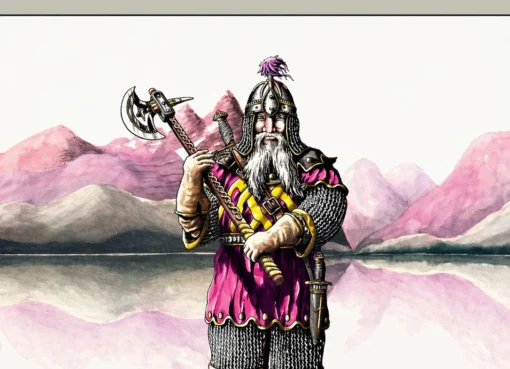
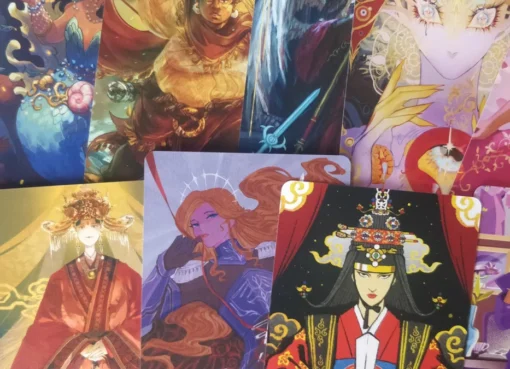
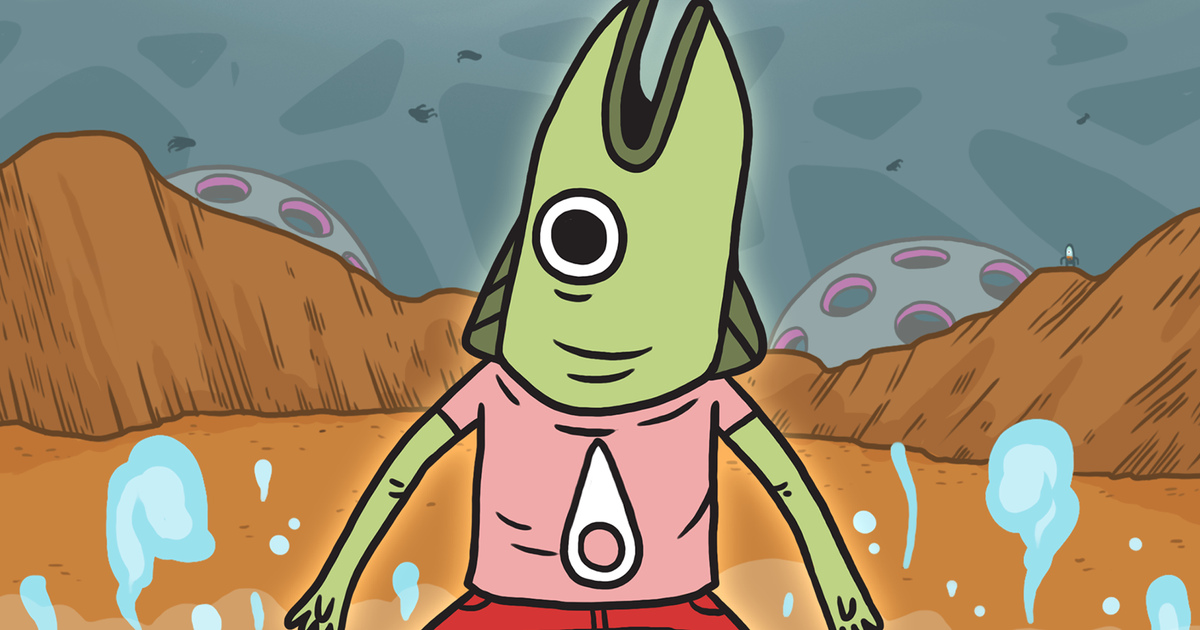
Central to the charm of "Freak War" is the vibrant and often hilarious artwork by Nate Galbraith (sketchnate). The game’s bizarre creatures are not merely random designs; they are steeped in a whimsical lore. The backstory involves the emergence of a "second sun" that has mutated familiar animals, transforming them into extraordinary, often comical, beings. This premise allows for an endless array of creative designs and provides a cohesive, albeit wonderfully weird, universe for the game.
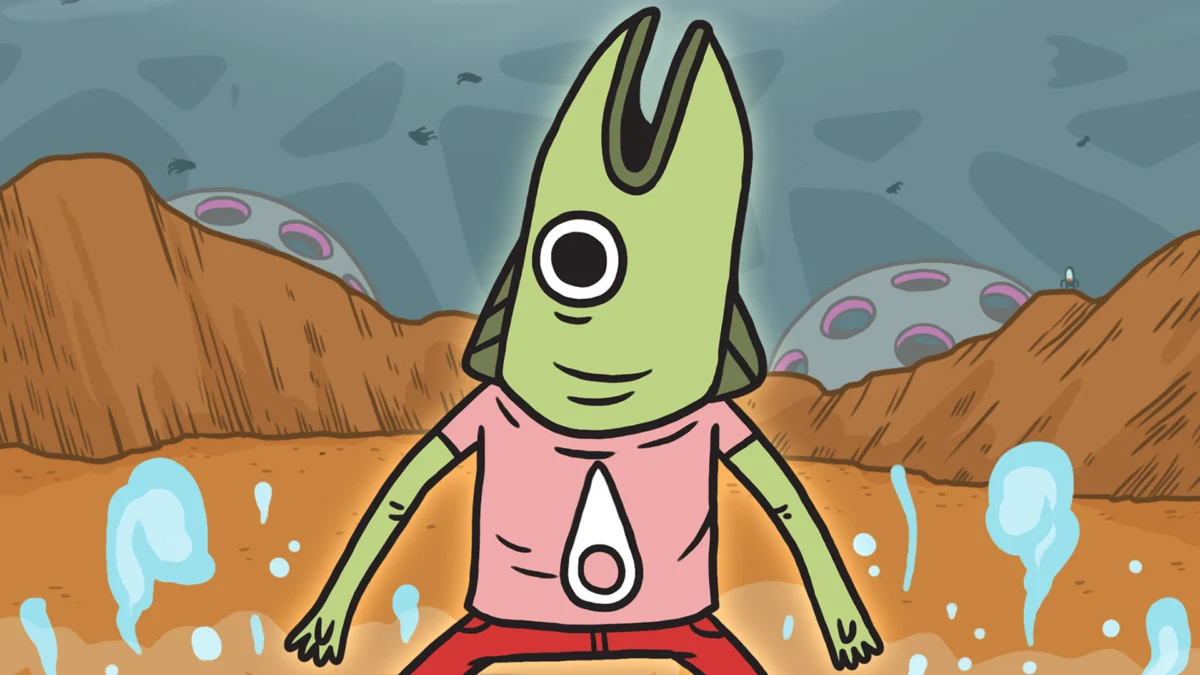
Players will encounter a menagerie of these "freaks": muscly fishpeople, a time-traveling tiger, a perpetually partying platypus, a dog with a goldfish bowl for a head, a melancholic sad bee, and even a "Man Cat" that appears to be little more than a bloke in a feline costume. These characters are not just visually distinctive; their personalities often subtly influence their card effects or the overall playful tone of the game.
Galbraith’s artistic style is a significant draw, contributing immensely to the game’s identity as a lighthearted, family-friendly party game. His clean lines, expressive characters, and vibrant color palettes make each card a mini-artwork. The explicit inspiration from Pokémon card layouts is evident, providing a comfortable familiarity for fans of that iconic franchise, while still maintaining "Freak War’s" unique visual identity.
Furthermore, some creature effects playfully lean into meta-commentary, a hallmark of engaging party games. For instance, the "scrap-loving Fly Guy" gains power if there’s uneaten food near the players, encouraging real-world interaction and adding an extra layer of amusement to the gameplay. This self-aware humor, combined with the imaginative creature designs and the accessible gameplay, solidifies "Freak War" as a game that doesn’t take itself too seriously, prioritizing fun and laughter above all else.
A Creator’s Vision: The Philosophy Behind Freak War
Nate Galbraith’s journey from cartoonist to game designer, and the subsequent creation of "Freak War," is underpinned by a clear vision: to create a card game that is genuinely fun, accessible, and refreshingly original. This philosophy stands in stark contrast to a segment of the party game market often criticized for its reliance on "copy-paste or just downright gross" mechanics, particularly the numerous clones of "Cards Against Humanity." Galbraith’s intent was to offer a distinct alternative, one that prioritizes creativity, humor, and inclusive enjoyment over shock value or repetitive formulas.
The inspiration drawn from children’s uninhibited play highlights Galbraith’s understanding of pure, unadulterated fun. He sought to bottle that essence, translating it into a game that could appeal across generations. By blending elements from universally recognized games like Pokémon and War, he taps into a collective gaming consciousness, lowering the psychological barrier for new players. The familiar archetypes, whether it’s creature evolution or direct card comparison, provide an intuitive framework that allows players to quickly grasp the rules and focus on the exciting interactions rather than tedious explanations.
Sheltonshire Games, the entity behind "Freak War," embodies this commitment to nurturing innovative and engaging game design. Their support for Galbraith’s vision suggests a dedication to originality and a belief in the power of well-crafted, lighthearted experiences. The game’s design choices—from the optional deck-building to the variable game modes—reflect a deep understanding of diverse player preferences. They don’t force players into a single rigid playstyle but offer a spectrum, from chaotic spontaneity to thoughtful strategy.
The success of "Freak War" can also be seen as a testament to the enduring appeal of "knowingly silly" content. In an era where many games strive for realism or intense strategic depth, "Freak War" carves out a niche by embracing its goofiness. This deliberate choice to be light-hearted and charming is a significant part of its appeal, fostering an environment of laughter and camaraderie rather than intense competition. Galbraith’s background as a cartoonist is pivotal here; his artistic voice provides the perfect medium for this blend of humor, imagination, and accessible game design, ensuring that "Freak War" is not just a game, but an experience infused with a unique personality.
Charting the Course: Crowdfunding Success and Market Position
The journey of "Freak War" on Kickstarter provides compelling supporting data for its market viability and the widespread appeal of its unique proposition. The campaign, which sought a relatively modest crowdfunding goal of $10,000, not only met but significantly exceeded this target. This swift and decisive success before its June 13th campaign end date is a strong indicator of community enthusiasm and confidence in the game’s concept.

The crowdfunding platform has become an invaluable launchpad for independent creators like Nate Galbraith, allowing them to bypass traditional publishing gatekeepers and directly connect with their audience. For a project like "Freak War," which offers a fresh take on established genres, Kickstarter provides the perfect ecosystem to demonstrate demand and build a passionate community from the ground up. The success of its campaign speaks volumes about the project’s ability to resonate with a diverse demographic of backers, from casual board game enthusiasts to seasoned TCG players looking for something different.
In the broader market landscape, "Freak War" occupies a fascinating position, bridging the gap between two major categories: party games and trading card games. Many traditional TCGs, such as Magic: The Gathering or Yu-Gi-Oh!, demand significant time investment for deck construction, rules mastery, and keeping up with evolving metas. While incredibly rewarding for dedicated players, this complexity often intimidates newcomers. On the other hand, party games are celebrated for their accessibility and quick setup, but sometimes lack the strategic depth or replayability that more structured card games offer.
"Freak War" skillfully navigates this space. It offers the "fun battles of trading card games" – the thrill of creature combat, evolving powers, and strategic modifiers – without imposing the "effort of learning lots of rules or building a deck." This makes it an ideal entry point for individuals curious about TCGs but daunted by their perceived complexity. For families, it offers an engaging experience that transcends age barriers, allowing younger players to enjoy the whimsical art and simple mechanics while older players appreciate the subtle strategic layers. At an accessible price point of $20 per deck, it also presents a low-risk entry into a new gaming experience, making it an attractive impulse purchase for those seeking novel entertainment.
The promise of "a bunch of different packs filled with dozens more creatures from buff penguins to cute-looking snails" also hints at a robust future for the game. This expandability is crucial for TCGs, ensuring longevity and continuous engagement from its player base. It suggests that Galbraith has a long-term vision for the world of "Freak War," offering new creatures, modifiers, and perhaps even game modes to keep the experience fresh and exciting. This strategic approach to content release is vital for building a sustained community and cementing "Freak War’s" place as a staple in the casual card game market.
The Road Ahead: Implications and Future Prospects
The successful crowdfunding campaign for "Freak War" is more than just a financial milestone; it carries significant implications for the future of casual card gaming and the independent game development scene. Its emergence suggests a growing trend towards simplifying complex genres to make them more inclusive, without sacrificing depth or entertainment value.
One of the most significant implications is "Freak War’s" potential to serve as a gateway game. By offering a taste of TCG mechanics—creature combat, evolution, and strategic modifiers—in a highly accessible package, it could introduce a new generation of players to the broader world of trading card games. This could expand the overall market for card games, nurturing interest that might eventually lead players to explore more complex titles, or simply to enjoy "Freak War" for its own unique merits.
The game’s design, which emphasizes replayability through different modes and optional customisation, bodes well for its longevity. The initial release, expected next June, aligns perfectly with the summer holiday season, positioning it as an ideal travel companion or a go-to game for social gatherings. Beyond the initial release, the modular nature of "Freak War" suggests ample opportunity for expansion packs. New creatures, locations, and modifier cards can be introduced regularly, keeping the meta fresh and providing continuous reasons for players to return. This potential for ongoing content is critical for maintaining community engagement and expanding the game’s universe.
Furthermore, the success of "Freak War" could inspire other independent creators to explore similar hybrid concepts, blending genres and simplifying mechanics to create more approachable gaming experiences. It reinforces the idea that innovation doesn’t always have to come from groundbreaking, never-before-seen mechanics, but can also arise from cleverly recontextualizing and combining existing, beloved elements. Nate Galbraith’s journey as sketchnate, translating his artistic vision into a playable, engaging game, serves as a powerful testament to the creative potential unleashed by platforms like Kickstarter.
Looking further ahead, there’s potential for "Freak War" to explore digital adaptations, allowing for online play and reaching an even wider audience. While its physical card game experience is central to its charm, a well-executed digital version could enhance its global reach and foster a competitive scene, if desired by the community. The "knowingly silly" tone, coupled with engaging gameplay, gives "Freak War" a strong foundation for building a dedicated fanbase, transforming it from a successful Kickstarter project into a beloved staple in the casual gaming landscape. Its future prospects seem bright, poised to deliver ongoing enjoyment and perhaps even carve out a new niche in the ever-evolving world of card games.
Conclusion: A New Breed of Battle
"Freak War" stands out as a vibrant, imaginative, and highly accessible entry into the card game arena. By expertly blending the engaging creature evolution of Pokémon, the unpredictable chaos of Exploding Kittens, and the straightforward combat of the classic card game War, Nate Galbraith’s creation offers a compelling new experience. Its professional yet whimsical artistic style, coupled with a commitment to ease of play, addresses a clear demand for fresh, lighthearted party games that eschew complexity for pure, unadulterated fun.
Having surpassed its crowdfunding goals with considerable enthusiasm, "Freak War" is not just a promising new game; it’s a testament to the power of innovative design and the enduring appeal of approachable gameplay. With its anticipated arrival next June, players can look forward to a new breed of card battle – one that promises laughter, strategic twists, and a collection of truly unforgettable "freaks." "Freak War" is poised to redefine what a casual TCG can be, offering solid, breezy fun for friends and family alike, and firmly establishing itself as a standout in the burgeoning market of hybrid card games.