From Tragedy to Digital Preservation: Tham Luang Rescue Recreated in VR via Cave Crave
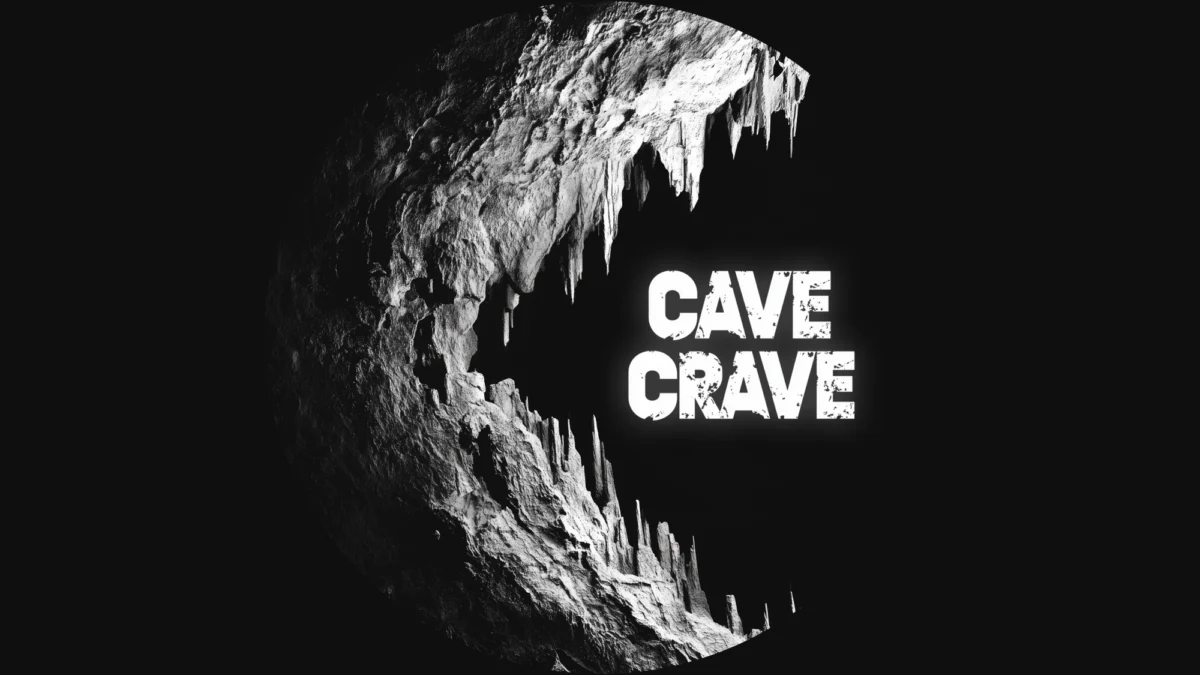
The intersection of immersive technology and historical preservation has reached a new milestone with the release of the Tham Luang DLC for the virtual reality (VR) spelunking title, Cave Crave. Developed by 3R Games, this expansion represents a significant leap in the studio’s "Real Caves in VR" initiative. By leveraging advanced scanning technology and the first-hand expertise of the heroes who participated in the 2018 Thai cave rescue, Cave Crave offers users a chillingly realistic opportunity to navigate the treacherous subterranean passages that once held the world’s attention.
Main Facts: A Digital Monument to Human Resilience
Available as of today on the Meta Quest platform, the Tham Luang DLC is more than a mere gameplay expansion; it is a meticulously crafted digital reconstruction of the Tham Luang Nang Non cave system in Chiang Rai Province, Thailand. The site became a global focal point in June and July of 2018 when twelve members of the "Wild Boars" youth football team and their coach were trapped deep within the mountain by sudden monsoon flooding.
The DLC follows the studio’s previous success with the reconstruction of Utah’s Nutty Putty Cave, a site known for a tragic 2009 incident. However, the Tham Luang project is arguably more ambitious, incorporating new gameplay mechanics—specifically swimming and diving—to account for the flooded nature of the 2018 rescue.
Key features of the release include:
- Expert Collaboration: Direct involvement from world-renowned cave divers and surveyors.
- Hyper-Realistic Geometry: Use of actual survey data to ensure the scale and layout are 1:1 with the physical location.
- Narrative Guidance: Voice-over performances by the actual rescuers who navigated the cave during the crisis.
- Platform Expansion: While currently exclusive to Meta Quest, the content is slated for a "soon" release on PlayStation VR2 and Steam.
Chronology: From Monsoon Rains to Virtual Reality
To understand the weight of this VR release, one must revisit the timeline of the events that inspired it and the subsequent development process that brought it to digital life.
The 2018 Crisis
On June 23, 2018, the Wild Boars football team entered Tham Luang after a practice session. Unexpectedly heavy rainfall flooded the narrow passages, forcing the group nearly four kilometers deep into the cave system. What followed was an eighteen-day international effort involving thousands of volunteers, military personnel, and elite cave divers.
The rescue was deemed "impossible" by many experts due to the zero-visibility water, narrow "squeeze" points, and the sheer distance from the entrance. It wasn’t until July 2 that British divers John Volanthen and Rick Stanton located the group alive on a small rock shelf known as "Pattaya Beach." The subsequent extraction, completed on July 10, required sedating the children to prevent panic during the hours-long underwater journey.
The Media Wave
In the years following the rescue, the story was adapted into several high-profile media projects. National Geographic produced the critically acclaimed documentary The Rescue (2021), while filmmaker Ron Howard directed the feature film Thirteen Lives (2022). Netflix also released a limited series titled Thai Cave Rescue. While these projects offered visual and emotional narratives, they remained passive experiences.
The Development of "Real Caves in VR"
3R Games identified a gap in the market: the ability for the public to "feel" the physical constraints of these locations. Following the release of Cave Crave, the developers launched their initiative to archive real-world caves. The development of the Tham Luang DLC began with a commitment to technical accuracy, moving beyond artistic interpretation to scientific recreation. By mid-2024, the team had integrated the data and voice work necessary to launch the project on the Meta Quest store.
Supporting Data: Technical Fidelity and Expert Integration
The Tham Luang DLC distinguishes itself through its reliance on empirical data and professional consultancy. Rather than designing levels based on photographs alone, 3R Games collaborated with the individuals who know the cave’s every crevice.
The Role of the Experts
The production was guided by three primary figures:
- John Volanthen: The British cave diver who first discovered the boys. Volanthen provided the voice-over for the underwater segments, guiding players through the psychological and physical rigors of diving in confined spaces.
- Vern Unsworth: A veteran caver with intimate knowledge of the Tham Luang system prior to the 2018 event. Unsworth’s expertise was pivotal in recreating the non-submerged sections, ensuring that the "dry" parts of the cave reflected the actual topography and geological formations.
- Richard Walters: A cave-scanning expert who assisted the developers in interpreting complex survey data. This data allowed 3R Games to transfer the real-world geometry, scale, and layout of the cave into the VR engine, ensuring that a "squeeze" in the game is as tight as it is in Chiang Rai.
New Gameplay Mechanics
The introduction of Tham Luang necessitated a total overhaul of the Cave Crave physics engine. Previous iterations focused on climbing and crawling. The new DLC introduces:
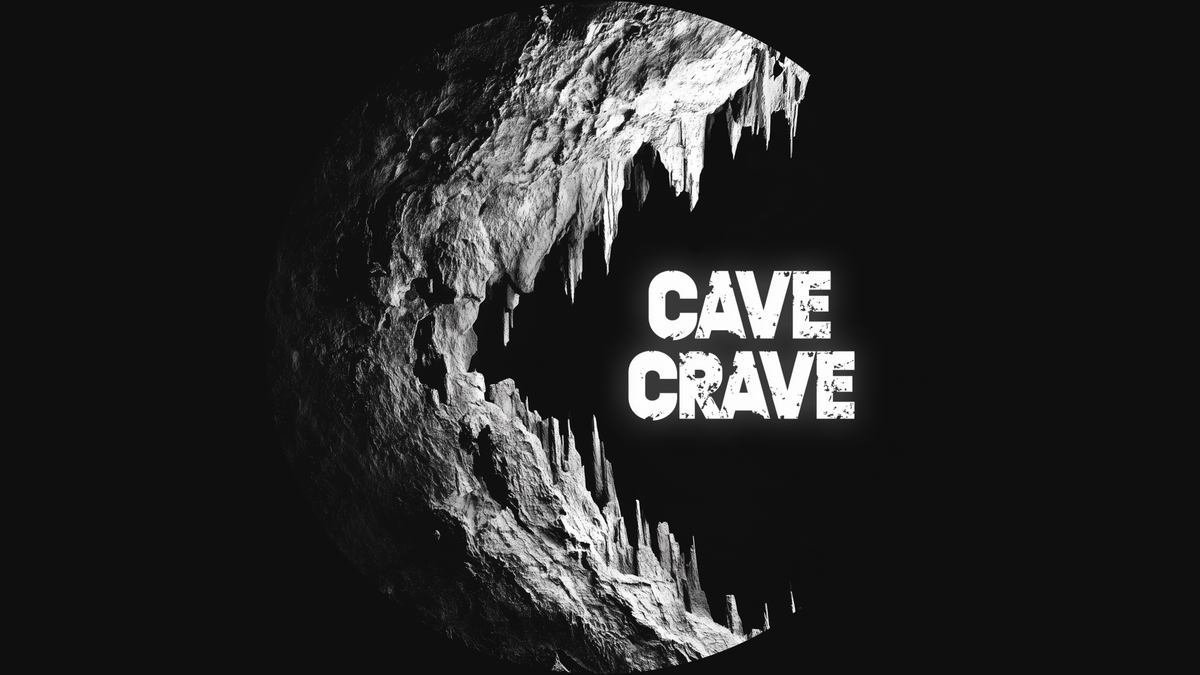
- Submerged Navigation: Players must manage buoyancy and oxygen while navigating through silt-heavy water.
- Variable Visibility: The game simulates the "tea-colored" water conditions of the 2018 flood, where divers often had to navigate by touch or by following a guide line.
- Acoustic Realism: The sound design reflects the muffled, claustrophobic environment of an underwater cave, punctuated by the regulator’s hiss and the scraping of tanks against limestone.
Official Responses: A Vision for Educational Immersion
While 3R Games has positioned the DLC as an "adventure," the involvement of the original rescuers suggests a deeper purpose. In various statements regarding the "Real Caves" initiative, the developers have emphasized the educational and archival value of their work.
"Working with John [Volanthen] and Vern [Unsworth] wasn’t just about getting the facts right; it was about capturing the atmosphere," the development team noted during the production phase. "We wanted to move away from the ‘gamification’ of tragedy and toward a respectful, immersive record of what these men and the Thai Navy SEALs actually faced."
John Volanthen has previously spoken about the importance of preparation and calm in cave diving. His participation in the VR project serves as a pedagogical tool, teaching players the importance of "don’t panic" protocols in high-stress environments. By narrating the experience, Volanthen transforms the game into a living documentary, where the "player" is a student of history and survival.
Critics and VR enthusiasts have largely praised the move, noting that VR is uniquely suited for "Dark Tourism"—the visiting of sites associated with death or tragedy—in a way that is respectful and does not physically degrade the actual site, which remains a sensitive location for the local Thai community.
Implications: The Future of Digital History and VR Spelunking
The release of the Tham Luang DLC carries significant implications for the VR industry, the field of digital preservation, and the ethics of interactive media.
1. VR as a Tool for Digital Preservation
As climate change and human traffic threaten fragile geological sites, VR reconstructions like those in Cave Crave offer a "digital twin" of the world. Tham Luang is often closed to the public during the rainy season for safety. Through this DLC, the cave remains "open" year-round for exploration, providing a way for people to appreciate its majesty without the inherent risks of physical spelunking.
2. The Evolution of "Edutainment"
The success of this project may signal a shift in how historical events are taught. Instead of reading about the 2018 rescue in a textbook or watching a film, students can now experience the physical scale of the "Chamber 3" base camp or the "T-Junction" that proved so difficult for divers. This visceral connection to history fosters a level of empathy and understanding that traditional media cannot replicate.
3. Ethical Considerations in Recreating Tragedies
The "Real Caves in VR" initiative does raise questions about the ethics of "playing" through a life-or-death situation. However, by involving the actual survivors and rescuers, 3R Games has set a standard for "ethical reconstruction." The focus is on the technical challenge and the triumph of the human spirit rather than sensationalism.
4. Technical Benchmarking
For the VR industry, the Tham Luang DLC serves as a benchmark for what is possible on standalone hardware like the Meta Quest. Achieving high-fidelity cave environments—which require complex lighting, shadows, and particle effects for water—is a technical feat. It proves that "serious" simulations are no longer restricted to high-end PC VR setups.
Conclusion
The Tham Luang DLC for Cave Crave is a somber yet fascinating addition to the VR landscape. By bridging the gap between a harrowing historical event and cutting-edge digital recreation, 3R Games has provided a platform for users to honor the bravery of the 2018 rescue team. As players strap on their headsets to descend into the virtual depths of Chiang Rai, they are not just playing a game; they are walking—and swimming—in the footsteps of heroes, guided by the very voices that made the "miracle in the cave" a reality.
Tham Luang is available now on Meta Quest, with PC and PlayStation enthusiasts expected to gain access to this submerged world in the coming months. As VR continues to mature, projects like this suggest that the medium’s greatest strength may not be in escaping reality, but in helping us understand it more deeply.