Candid Perspectives: The 2026 Pure Street Photography Awards Celebrate the Art of the Decisive Moment
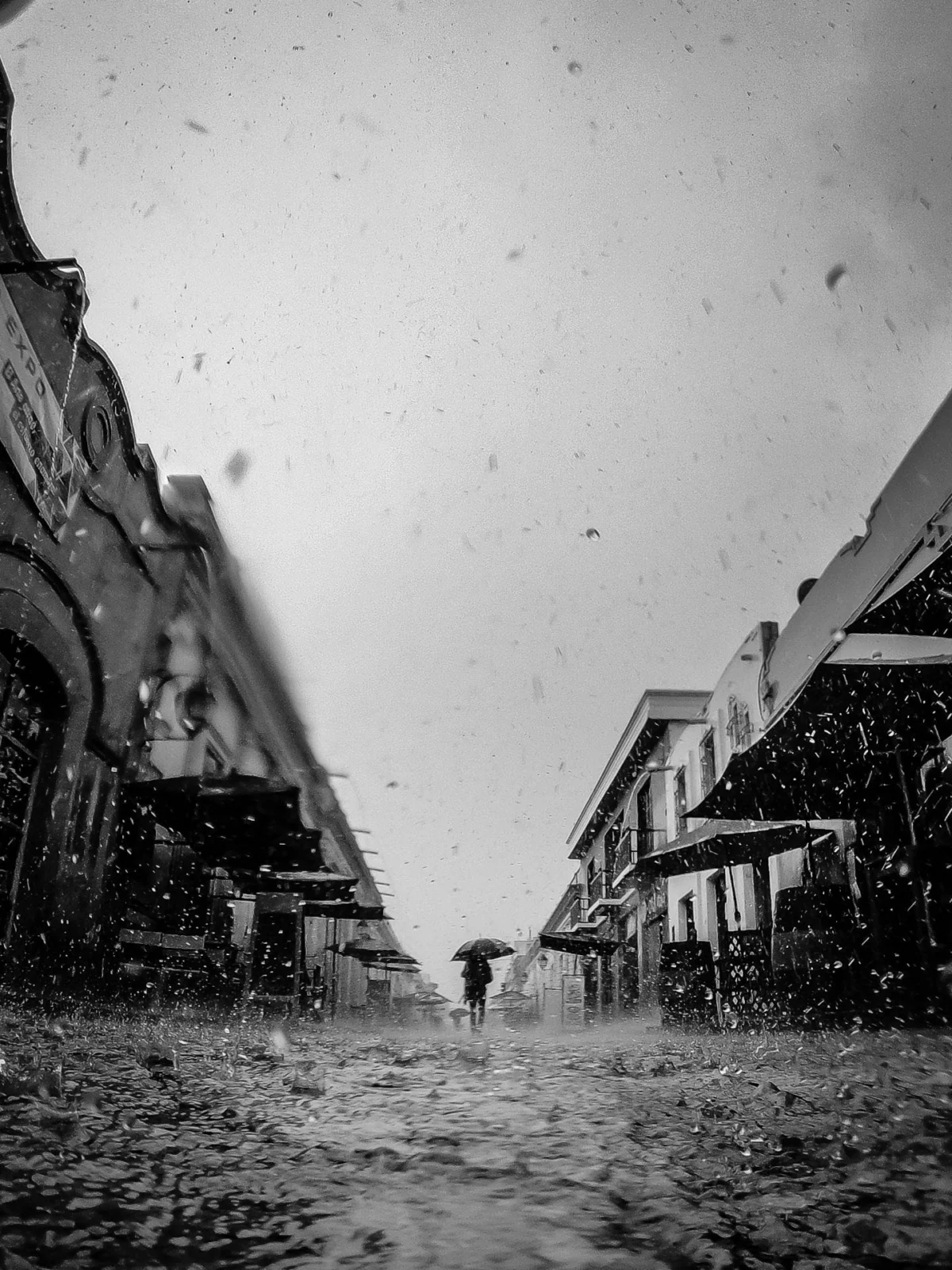
The 2026 Pure Street Photography Awards have once again illuminated the global stage, showcasing a profound collection of images that capture the raw, unscripted essence of human existence. From the bustling avenues of New York City to the quiet, pensive corners of rural communities, this year’s winners represent a masterclass in the "decisive moment." Organized to celebrate the authenticity of the street genre, the competition highlights the extraordinary found within the ordinary, proving that even in an era of digital saturation, the power of a single, candid frame remains unparalleled.
Main Facts: A Global Intersection of Sight and Story
The Pure Street Photography Awards serve as an annual benchmark for photographers who specialize in the spontaneous. The 2026 edition saw a remarkable influx of talent, with nearly 1,600 entries submitted by photographers spanning 50 different countries. This geographic diversity has resulted in a portfolio that transcends cultural boundaries, offering a panoramic view of the global human condition.

The competition is structured into two primary pillars: the Black-and-White Category and the Open Category. While the former focuses on the timeless interplay of light, shadow, and texture, the latter allows for the vibrant use of color and modern digital techniques to convey mood and narrative. This year, the jury selected a total of eight primary winners, but the scope of excellence extended far beyond the top prizes. A curated selection of 158 images—representing the "best of the best" from the pool of finalists—has been chosen for a high-profile physical exhibition.
The centerpiece of the 2026 cycle is the upcoming exhibition at Jawahar Kala Kendra in Jaipur, India. Scheduled to run from November 20 to 22, the show will bring these digital captures into the physical realm, allowing the public to engage with the prints in a space renowned for its architectural and cultural significance.

Key Winners and Notable Highlights
- Grand Prize (Open Category): Daniel Kashi, for his intricate study of urban reflections in a vehicle’s surface.
- Grand Prize (Black-and-White Category): Cesare Simioni, for a piercing portrait of a young boy amidst a dense crowd.
- First Place (Open): Leone Von Dizic, capturing a high-tension scene of people clamoring for bread.
- First Place (Black-and-White): Chris Mozyro, documenting a moment of R&R among military sailors.
Chronology: From the Shutter Click to the Gallery Wall
The journey of the 2026 Pure Street Photography Awards began in late 2025 with the announcement of the global open call. Over the course of several months, the organization utilized its digital platforms, particularly Instagram, to engage with a community of street photographers, ranging from seasoned professionals to talented amateurs.
By the time the submission window closed in early 2026, the internal review process commenced. This involved a multi-tiered judging system where images were evaluated based on composition, timing, emotional impact, and adherence to the "pure" street photography ethos—which generally eschews heavy staging or excessive post-production manipulation.

In the summer of 2026, the finalists were notified, and the winning images were released to the public through the organization’s official website and social media channels. This announcement served as a prelude to the logistical preparations for the Jaipur exhibition. The selection of Jawahar Kala Kendra as the venue was a strategic move, intended to bridge the gap between Western street photography traditions and the burgeoning photographic scene in South Asia.
Currently, as of late 2026, the organization has transitioned into a dual-focus phase: finalizing the installation for the November exhibition in India and simultaneously launching the open call for the 2027 edition. This overlapping cycle ensures that the momentum of the street photography community is maintained year-round.

Supporting Data: Analyzing the 2026 Entry Pool
The statistics behind this year’s competition reveal a healthy and expanding ecosystem for street photography. The 1,600 entries represent a significant engagement rate, especially considering the stringent criteria for the "Pure" designation.
Participation Metrics
- Total Entries: ~1,600
- Countries Represented: 50
- Final Exhibition Selection: 158 images (approx. 10% of total entries)
- Primary Categories: 2 (Black-and-White and Open)
- Winning Tier: 8 distinct awards
The data suggests a strong preference for urban environments, with approximately 65% of entries featuring metropolitan settings such as Tokyo, New York, London, and Mumbai. However, the 2026 awards saw a 15% increase in "rural street photography" compared to the previous year, indicating a shift in interest toward documenting life outside the traditional concrete jungle.

Technically, the "Open Category" saw a surge in the use of high-contrast color palettes and "reflection-play," a trend exemplified by finalist Pierre Hauser’s shot of the Flatiron Building mirrored in a puddle. Meanwhile, the "Black-and-White Category" remained dominated by classic street motifs: geometry, silhouettes, and the "solitary figure in a crowd," as seen in the work of Kazuhiro Ishikawa.
Official Responses and Curatorial Vision
The organizers of the Pure Street Photography Awards have emphasized that their mission is to protect the "candidness" of the medium. In a statement regarding the 2026 selections, the curatorial team noted that the winning images were chosen for their ability to evoke a visceral reaction without the need for supplementary text.

"The 2026 winners represent the gamut of daily scenes," the organization stated. "From happenstance and humor to solemnity and tension, these images emphasize timely moments that center diverse human experiences."
The jury specifically highlighted the work of Cesare Simioni, whose Grand Prize-winning black-and-white image was praised for its "unflinching gaze." The photo features a young boy looking directly into the lens while surrounded by a blur of adults, a composition the judges described as "a profound commentary on individual identity within the collective mass."

Similarly, the selection of Daniel Kashi’s reflection-heavy image for the Open Category Grand Prize reflects a curatorial interest in the "layered reality" of city life. By focusing on reflections in a car window, Kashi successfully compressed multiple perspectives into a single frame, a feat the jury called "a masterclass in urban observation."
Implications: The Role of Street Photography in a Digital Age
The success of the 2026 Pure Street Photography Awards carries several significant implications for the art world and the broader media landscape.

1. The Preservation of Authenticity
In an era where Artificial Intelligence (AI) can generate hyper-realistic images of non-existent street scenes, the "Pure" Street Photography Awards act as a vital bulwark for authenticity. By rewarding photographers who wait hours for the right light or the right person to walk into the frame, the competition reinforces the value of the "witness." The implication is clear: there is a unique moral and aesthetic value in a photograph that records a real event that actually occurred in time and space.
2. The Democratization of the Lens
With entries from 50 countries, the awards demonstrate that street photography is no longer a Western-centric pursuit. The upcoming exhibition in Jaipur is a testament to the global nature of the craft. This shift allows for a more nuanced documentation of global issues—such as the juxtaposition of tradition and technology seen in Shruti Bansal’s finalist image of monks in red robes using smartphones.

3. Street Photography as Social Record
Many of the winning images, such as Leone Von Dizic’s shot of people clamoring for bread, move beyond "art" and into the realm of social documentary. These images provide a historical record of the tensions and triumphs of 2026. They serve as a reminder that the street is the primary stage for political and social reality.
4. The "Instagram Effect" and the Future of the Genre
The organization’s heavy reliance on Instagram for community building and the 2027 call-to-action highlights the evolving relationship between social media and formal art competitions. While social media often favors "flashy" or "viral" content, the Pure Street Photography Awards attempt to use these platforms to curate and elevate high-quality, thoughtful work that might otherwise be lost in the digital noise.

As the 2027 edition opens for entries, the photography world looks toward the next generation of observers. The 2026 awards have set a high bar, proving that as long as there are streets and people walking them, there will be stories worth telling through the click of a shutter. For those attending the exhibition at Jawahar Kala Kendra this November, the 158 images on display will offer a rare opportunity to see the world not as we wish it to be, but exactly as it is.