The Election of 1864: A Referendum on War, Emancipation, and the Fate of the Union
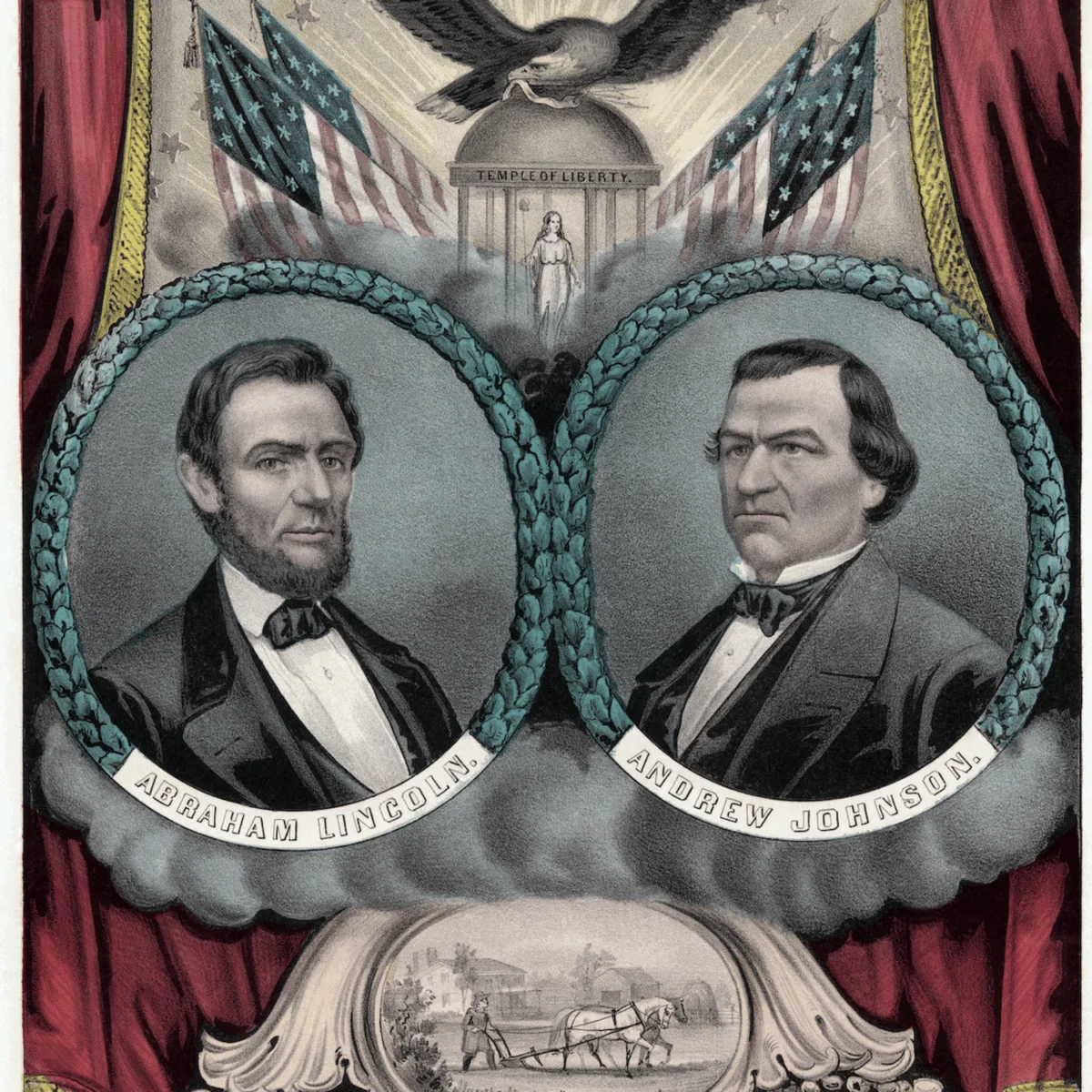
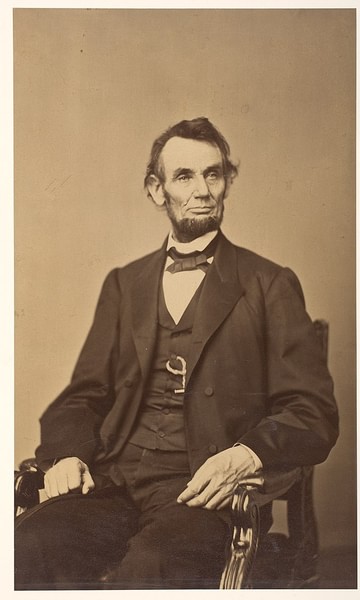
WASHINGTON D.C. – November 8, 1864 marked a pivotal moment in American history, an election held amidst the crucible of the American Civil War that ultimately served as a profound referendum on the nation’s future. Incumbent President Abraham Lincoln, leading the newly formed National Union Party, faced off against his former General, George B. McClellan, the Democratic candidate. The stakes could not have been higher: a vote for Lincoln was a vote for unconditional Union victory and the abolition of slavery, while a vote for McClellan, despite his military past, was seen by many as a step towards a negotiated peace that could potentially legitimize the Confederacy and preserve the "peculiar institution." In a resounding affirmation of his wartime leadership, Lincoln secured a decisive victory, providing the mandate necessary to guide the Union through its final, arduous push towards triumph.
The Nation Divided and the War’s Shifting Sands
The backdrop to the 1864 election was four years of unprecedented bloodshed and national upheaval. The 1860 election, which saw Abraham Lincoln and the anti-slavery Republican Party sweep to power, had triggered a wave of secession, leading to the formation of the Confederate States of America. What began as a conflict to preserve the Union, famously encapsulated by Lincoln’s initial reluctance to address slavery directly, had, by 1863, transformed into a moral crusade against human bondage.
A Crucible of Conflict
The war had raged across the American landscape, etching names like Manassas, Fredericksburg, and Chancellorsville into the national consciousness as sites of immense sacrifice. President Lincoln’s initial call for 75,000 volunteers had been met with fervent enthusiasm, but the reality of prolonged conflict, staggering casualty lists, and the grim specter of death on distant battlefields had begun to weigh heavily on the Northern populace. The dream of a swift victory had evaporated, replaced by the grinding reality of attrition warfare. The sheer human cost – tens of thousands killed, many more maimed – fueled a growing sense of war weariness and dissent across the Union.
Emancipation and Strategic Shifts
By late 1862, Lincoln recognized that the preservation of the Union and the eradication of slavery were inextricably linked. The Emancipation Proclamation, issued in January 1863, declared millions of enslaved people in the rebellious states free, fundamentally altering the war’s moral and strategic landscape. This bold stroke not only infused the Union cause with renewed purpose but also opened the door for Black soldiers to join the fight, adding crucial manpower to the Union ranks. The year 1863 also brought significant Union victories at Gettysburg, which turned the tide in the East, and Vicksburg, which severed the Confederacy in twain, gaining control of the Mississippi River. These successes, however, did not diminish the profound exhaustion gripping the nation as it prepared for the next presidential contest.
The Weight of War Weariness
Despite these strategic gains and the moral clarity offered by emancipation, the sheer scale of suffering continued to plague the Union. Families mourned fallen sons, husbands, and brothers; hospitals overflowed with wounded veterans; and the economic strain of financing a massive war effort was palpable. This pervasive war weariness became a potent political weapon, threatening Lincoln’s chances for re-election. Furthermore, within his own Republican Party, a radical wing felt Lincoln was not aggressive enough in prosecuting the war against slavery, believing his policies too slow and conciliatory. For Lincoln, securing a second term was not merely about political ambition; it was about ensuring that the immense sacrifices made thus far would culminate in a lasting peace founded on a reunited, free nation. A defeat, he feared, could lead to a premature peace, Confederate independence, or even the reinstitution of slavery.
The Republican Fault Lines: Lincoln’s Coalition Under Strain
While Lincoln was generally expected to secure his party’s nomination, the Republican coalition was not without its internal fissures. A vocal and influential faction, known as the Radical Republicans, harbored deep dissatisfaction with what they perceived as Lincoln’s hesitant approach to abolition and the broader war effort.
The Rise of the Radicals
These Radical Republicans, distinct from more moderate elements of the party, championed an immediate and total eradication of slavery, not just in the rebellious states but throughout the entire nation. They vociferously pointed out that the Emancipation Proclamation had legally freed enslaved people only in Confederate territory, leaving the institution intact in loyal border states like Maryland and Kentucky. Beyond abolition, Radicals also advocated for harsher treatment of the rebellious Southern states and, eventually, for federal protection of the rights of newly freed African Americans. Their impatience with Lincoln’s cautious, pragmatic leadership led them to seek an alternative.
Frémont’s Maverick Challenge
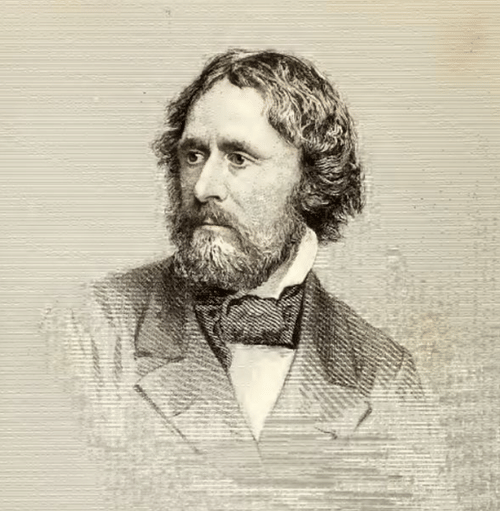
Their chosen champion was John C. Frémont, a figure of considerable renown. Dubbed "the Pathfinder of the West" for his exploits in the Mexican-American War, Frémont had been the Republican Party’s inaugural presidential candidate in 1856. In the early days of the Civil War, as a Union general in charge of the Western Department, Frémont quickly established himself as an ardent abolitionist. On August 30, 1861, without consulting the Lincoln administration, he issued a proclamation placing Missouri under martial law and freeing enslaved people owned by Confederate sympathizers. This preemptive move was a direct challenge to Lincoln’s cautious policy, which aimed to prevent loyal slave states from joining the Confederacy. Lincoln, concerned about alienating these crucial border states and asserting presidential authority, ordered Frémont to rescind the order. Upon Frémont’s refusal, Lincoln swiftly removed him from command and personally revoked the proclamation, lamenting that Frémont "should never have dragged the Negro into the war."
This clash cemented Frémont’s status as a hero among Radical Republicans and abolitionists, who never forgave Lincoln for his perceived obstruction of the anti-slavery cause. Despite accusations of corruption and a haughty demeanor that alienated many moderate politicians, Frémont remained a symbol of uncompromising abolitionism. On May 31, 1864, the Radical Democracy Party, formed by disaffected Republicans, nominated Frémont at a convention in Cleveland, Ohio. While his chances of winning were slim, his candidacy posed a significant threat by potentially siphoning off enough Republican votes to hand the election to the Democrats. Frémont made it clear that his grievance was with Lincoln personally, offering to withdraw if a different Republican candidate were nominated.
The Fractured Opposition: Democrats Grapple with Peace and War
In stark contrast to the ultimately unified Republican front, the Democratic Party was deeply fractured, primarily along the lines of how to prosecute (or end) the war. This internal strife would define their convention and shape their campaign.
Copperheads and the Call for Peace
The central division within the Democratic Party was between War Democrats, who advocated for continuing the fight until the Union was restored, and Peace Democrats, who sought a negotiated settlement with the Confederacy, even if it meant acknowledging Southern independence. The Peace Democrats themselves ranged from moderates desiring an end to the bloodshed through compromise, to radicals who viewed the war as an unmitigated disaster and demanded an immediate cessation of hostilities. These extreme Peace Democrats were derisively nicknamed "Copperheads" by Republicans, likened to venomous snakes for their perceived disloyalty and sympathy for the Confederate cause. For the embattled Confederacy, a Copperhead victory in the election represented their best, perhaps only, hope for achieving independence. Prominent Copperhead figures like Clement Vallandigham, an Ohio Congressman who had been exiled to the Confederacy for his anti-war rhetoric, epitomized this radical stance. Their arguments resonated with segments of the Northern population exhausted by the war’s toll, fearful of federal overreach, or opposed to emancipation.
McClellan: The Reluctant Standard-Bearer
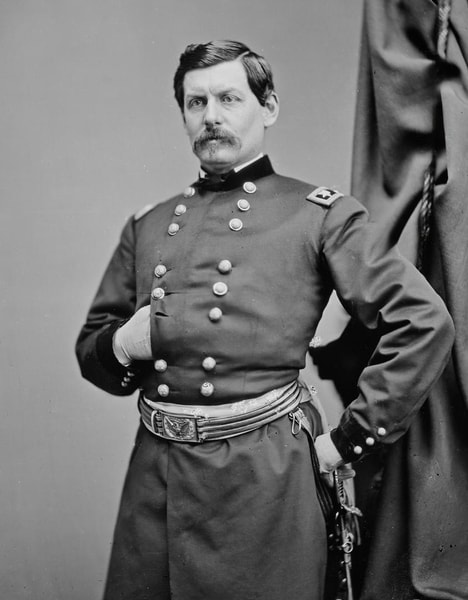
The Democratic National Convention convened in Chicago on August 29, 1864, a hotbed of tension as War and Peace factions clashed. To bridge this chasm, party leaders settled on General George B. McClellan as their presidential nominee. McClellan, a War Democrat, was a popular figure, particularly among soldiers he had once commanded. He had led the Army of the Potomac in the early years of the war, notably stopping Robert E. Lee’s first invasion of the North at Antietam in 1862. However, his excessive caution and frequent disagreements with Lincoln ultimately led to his removal from command, fostering a deep personal animosity towards the president.
Despite McClellan’s own inclination to continue the war, the Democratic Party, heavily influenced by the Copperhead wing, adopted a platform drafted by Clement Vallandigham that explicitly called for an immediate cessation of hostilities and a negotiated peace. This created a paradoxical situation: a celebrated Union general running on an anti-war platform. To further balance the ticket, anti-war Representative George H. Pendleton was nominated as his vice-presidential running mate. The Democratic platform, in essence, transformed the general election into a direct referendum on the war itself, offering voters a stark choice between Lincoln’s "total victory" and McClellan’s "negotiated peace."
Forging the National Union: A Coalition for Victory
Recognizing the dire stakes and the need for a broad base of support, Lincoln and his allies undertook a masterful political maneuver: the formation of the National Union Party. This was a strategic alliance designed to unite Republicans and War Democrats who rejected their party’s peace platform.
A Strategic Renomination
While Lincoln’s renomination was largely a foregone conclusion among the mainstream Republican Party, there had been initial doubts and even brief challenges, notably from Treasury Secretary Salmon P. Chase, who harbored presidential ambitions. However, by the summer of 1864, it became clear that Lincoln commanded the overwhelming support of the party, isolating the Radical Republican dissenters. Leaders like Benjamin Wade, who initially expressed reluctance, ultimately fell in line, often rewarded with political concessions (Chase, for example, would later be appointed Chief Justice). The creation of the National Union Party, however, was about more than just Republican unity; it was about appealing to a wider patriotic sentiment that transcended traditional party lines.
Andrew Johnson: A Bold Choice
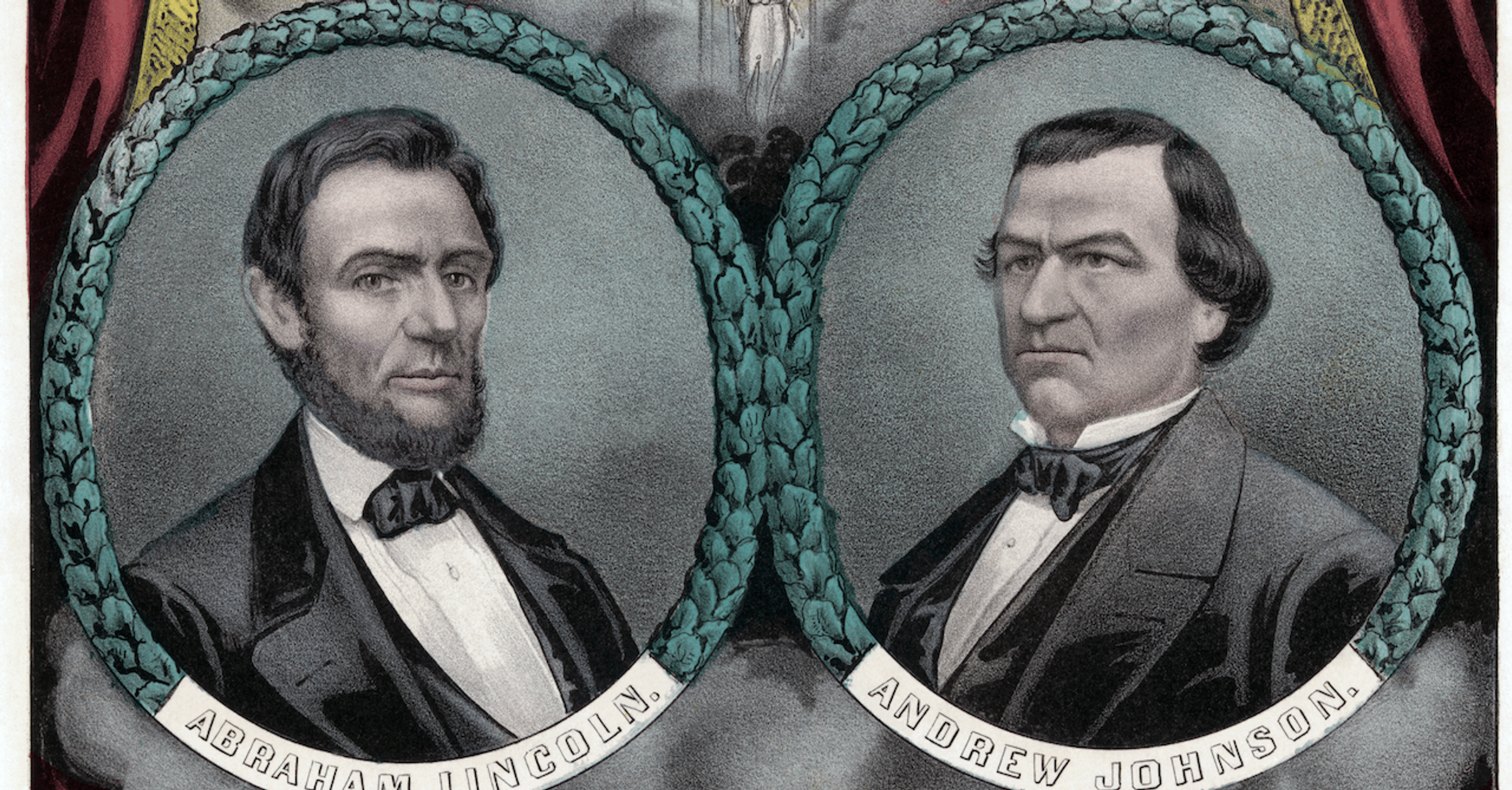
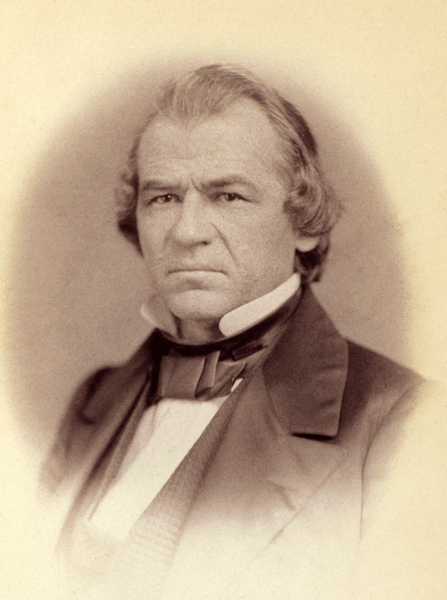
The National Union Party held its convention in Baltimore, Maryland, from June 7-8, 1864. While Lincoln’s nomination for a second term was assured, the choice of a running mate was a critical decision. The incumbent Vice President, Hannibal Hamlin, a stalwart ally of the Radical Republicans, was deemed unsuitable for the new unity ticket. The delegates sought a Democrat to underscore the party’s commitment to national cohesion. Their choice was Andrew Johnson, a folksy, self-made politician from Tennessee. A staunch Unionist and a War Democrat, Johnson had bravely remained loyal to the Union even as his state seceded, serving as its military governor. His presence on the ticket was a deliberate attempt to mollify conservative voters, particularly War Democrats and those in border states, who might view Lincoln as too radical, while also sending a powerful message of reconciliation to the South once the war concluded.
The National Union platform was unambiguous: it demanded the unconditional surrender of the Confederacy, pledged to pursue the war to its absolute conclusion, and explicitly called for a constitutional amendment to abolish slavery nationwide – a significant step beyond the Emancipation Proclamation. It also lauded Lincoln’s prosecution of the war and praised the valor and effectiveness of Black soldiers. This platform cemented the party’s commitment to both national unity and a fundamental reordering of American society free from slavery.
The Campaign Trail and Pivotal Victories: A Nation’s Destiny Hangs in the Balance
The summer of 1864 represented Lincoln’s nadir, a period of profound pessimism regarding his re-election prospects. The grim reality of the war threatened to undo all his efforts.
Lincoln’s Darkest Hour
The early summer campaigns were brutal. General Ulysses S. Grant’s Overland Campaign in Virginia became a horrific "meatgrinder," with staggering casualties reported daily from battles like the Wilderness, Spotsylvania Court House, and Cold Harbor. While Grant’s aggressive tactics slowly pushed Confederate forces back towards Richmond and Petersburg, the sheer butcher’s bill was astronomical, with no immediate end in sight. Lincoln and his strategists genuinely feared that Northern voters, overwhelmed by the mounting death toll and the seemingly endless conflict, would turn against the administration. The Democrats, with their peace platform, seemed poised to capitalize on this profound war weariness, threatening to snatch victory from the jaws of a militarily superior, but politically vulnerable, Union. Lincoln himself penned a memo, sealed until after the election, expressing his belief that he would lose and would cooperate with the incoming president to save the Union before the transfer of power.
The Shifting Tides of War
Lincoln desperately needed a decisive military triumph, a victory that would convince the electorate that the war was nearing its conclusion and that their sacrifices had not been in vain. That lifeline arrived in early September. On September 2, 1864, news reached Washington that Union forces under General William Tecumseh Sherman had captured Atlanta, Georgia. Atlanta was not just a major Confederate industrial and logistical hub; its fall represented a deep penetration into the Confederate heartland, opening the way for Sherman’s subsequent "March to the Sea." This was the dramatic, tangible success Lincoln needed. Shortly thereafter, General Philip Sheridan’s decisive victories in the Shenandoah Valley further bolstered Union morale and severely hampered Confederate supply lines. These military successes transformed the political landscape, shifting public opinion dramatically in favor of continuing the war under Lincoln’s leadership.
Frémont’s Withdrawal and Republican Unity
Even as military fortunes turned, Lincoln had to contend with the internal dissent of the Radical Republicans. Fortunately for him, Frémont himself was disgusted by the Democratic Party’s peace platform, viewing it as a cowardly betrayal of the Union cause. When Lincoln’s supporters approached Frémont, he agreed to withdraw from the race to avoid splitting the pro-war vote, but only on one condition: the removal of his personal antagonist, Postmaster General Montgomery Blair, a prominent conservative Republican. Lincoln, recognizing the immense value of a unified pro-war front, assented. Blair was dismissed on September 24, and Frémont, true to his word, withdrew, eliminating a critical threat to Lincoln’s re-election.
The Soldiers’ Vote: A Democratic Experiment
As Election Day approached, the outcome, though increasingly favoring Lincoln, still hinged on the unprecedented participation of Union soldiers. In 1864, nearly one million American men were serving in the federal army. Nineteen states had enacted provisions allowing soldiers to cast absentee ballots from the field, a remarkable expansion of democratic participation during wartime. While Democratic-controlled legislatures in states like Indiana, Illinois, and New Jersey attempted to block such measures, the fact that citizen-soldiers would be directly choosing their next commander-in-chief was an extraordinary moment in the history of the US republic.
Crucially, the vast majority of these soldiers, despite their admiration for their former commander McClellan, deeply distrusted the Democratic Party’s peace platform. They had sacrificed too much, endured too much, to accept anything less than an honorable, decisive victory. As historian James M. McPherson observed, "Here was a bold experiment in democracy: allowing fighting men to vote in what amounted to a referendum on whether they should continue fighting. But as Grant put it, ‘they are American citizens, [and] they have as much right to [vote] as those citizens who remain at home. Nay, more, for they have sacrificed more for their country.’" Their overwhelming sentiment was captured by Lincoln’s effective campaign slogan: "Don’t change horses in the middle of a stream." They trusted Lincoln to finish the fight they had started.
The Verdict and its Legacy: A Mandate for Total Victory
On November 8, 1864, the nation went to the polls. With most Southern states still in active rebellion, only 24 states participated (Congress later rejected electoral votes from Union-controlled Louisiana and Tennessee). The results were a resounding victory for Abraham Lincoln and the National Union Party.
Election Day and the Electoral Sweep
Lincoln carried 22 of the 24 participating states, securing a massive 212 electoral votes to McClellan’s paltry 21. In the popular vote, Lincoln garnered 55.02% to McClellan’s 44.96%. Critically, Lincoln also received an overwhelming 75% of the soldier vote, a testament to their faith in his leadership and their commitment to the Union cause. McClellan managed to win only three states: Delaware, Kentucky, and New Jersey. The election results were a clear and undeniable mandate from the American people to see the war through to its conclusion, without compromise.
The End of the Confederacy’s Hopes
Lincoln’s re-election sounded the final death knell for the Confederate States of America. Any lingering hope within the South that Northern war weariness might translate into a negotiated peace, allowing for Confederate independence, was utterly extinguished. The Union would fight on, relentlessly, until the Confederacy’s unconditional surrender. A little over a month after Lincoln’s second inauguration on March 4, 1865, the Confederate capital of Richmond fell, and the last major Confederate armies surrendered in April.
A Precedent for Wartime Democracy
The Election of 1864 stands as an extraordinary testament to the resilience of American democracy, demonstrating the nation’s capacity to conduct a free and fair presidential election even in the midst of a devastating civil war. It affirmed the principle that ultimate authority resided with the people, even under the most extreme duress. This precedent underscored the fundamental strength of the Union’s democratic institutions, in stark contrast to the Confederacy’s more authoritarian tendencies. It proved that the Union was fighting not just for its physical integrity, but for the very ideals of self-governance.
Lincoln’s Final Mandate
Though Abraham Lincoln would not live to see the full fruits of his victory, falling to an assassin’s bullet just days after Lee’s surrender, his re-election provided the indispensable mandate for total victory and the subsequent reconstruction of the nation. It solidified the Union’s commitment to a future without slavery, paving the way for the Thirteenth Amendment. The election of 1864 ensured that the sacrifices of four grueling years would not be in vain, guiding the United States through its darkest hour and setting it on an irreversible path towards a "new birth of freedom."