The Rise of NeuroSurrealism: How Artificial Intelligence is Redefining the Human Psyche
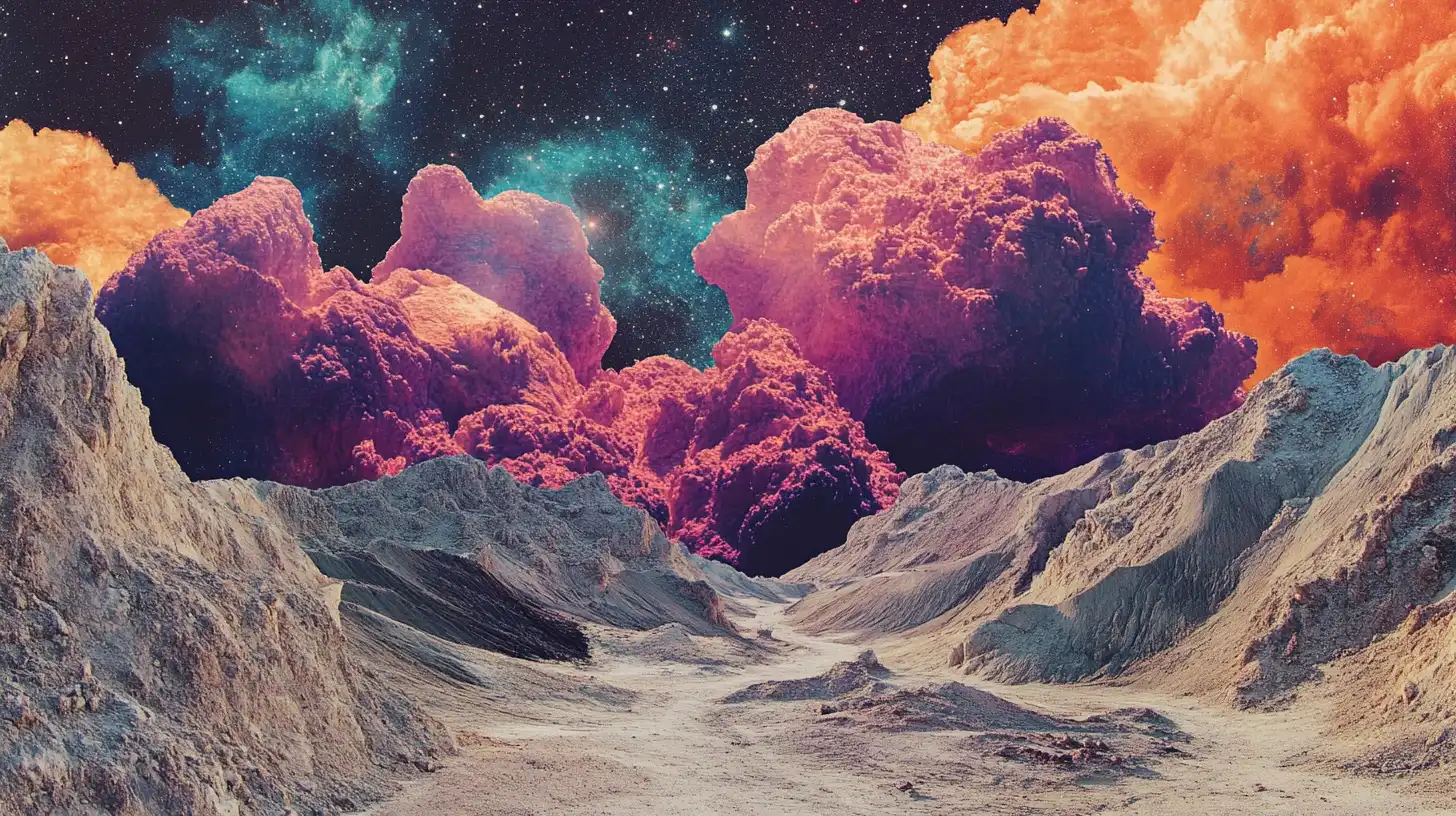
In an era where the boundaries between biological consciousness and silicon-based computation are increasingly blurred, a new movement has emerged to claim the shifting territory of the human mind. Proclaimed as "NeuroSurrealism," this movement posits that we are currently navigating an "algorithmic storm"—a psychic vortex where the old orders of perception are dissolving into an incandescent spray of digital possibility.
The movement, largely championed by the thinkers at Surrealism Today, suggests that Artificial Intelligence (AI) is no longer a mere tool for automation but a "symbiote of the synapse." This transition represents a fundamental shift in how humanity approaches art, creativity, and the very architecture of consciousness.

I. Main Facts: The Proclamation of a New Reality
NeuroSurrealism is defined as the intersection of neural computation and the surrealist tradition. Its core premise is that AI acts as a mirror reflecting futures previously confined to the subconscious or the most fevered of dreams. Unlike traditional digital art, which seeks to replicate the physical world, NeuroSurrealism embraces the "black box" nature of AI—its capacity for unpredictable innovation and solutions unforeseen by its human creators.
The movement identifies three primary pillars:
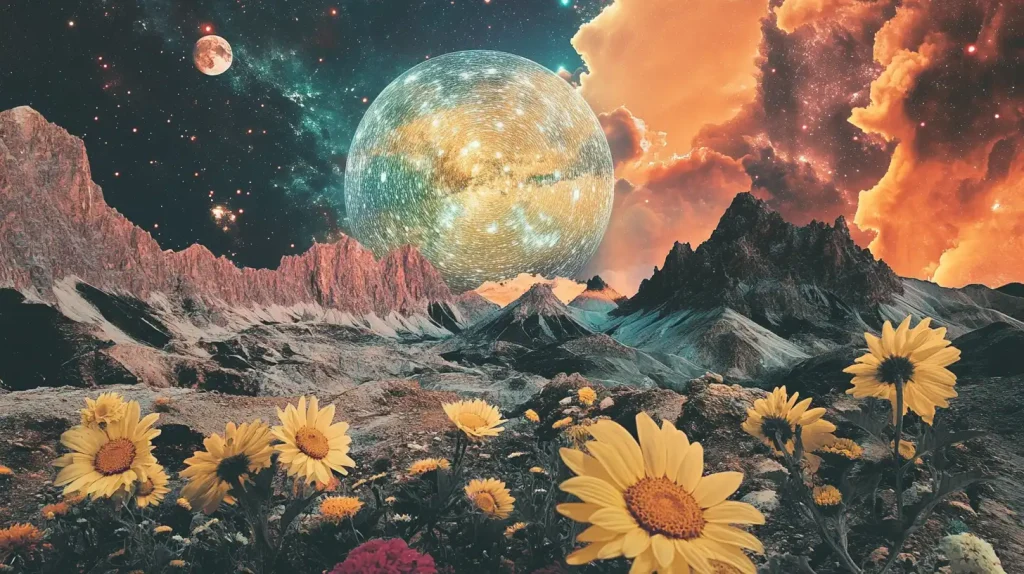
- The Algorithmic Unconscious: The vast "latent spaces" within AI models where all possible images, texts, and concepts reside in a state of digital dreaming.
- Hyper-Automatism: A technologically mediated evolution of André Breton’s original "psychic automatism," allowing for the bypass of rational censorship at a speed and scale impossible for the human hand.
- Synaptic Heresy: A deliberate insurrection against "consensus reality," using AI-generated hallucinations to challenge the primacy of objective truth.
According to the movement’s manifesto, the advent of AI is not a quiet dawn but a violent and fertile upheaval. It compels a confrontation with the inner landscape of the mind, where the predictable pathways of thought are fractured to reveal "nascent, alien terrains."
II. Chronology: From Breton’s Pen to the Silicon Chip
The evolution of NeuroSurrealism can be traced through a century of psychological and technological milestones.

The Surrealist Foundation (1924–1960s)
In 1924, André Breton published the Surrealist Manifesto, defining surrealism as "pure psychic automatism." The goal was to express the actual functioning of thought in the absence of any control exercised by reason. Artists like Salvador Dalí and Max Ernst used techniques such as frottage and "paranoiac-critical" methods to tap into the subconscious.
The Birth of Generative Logic (1970s–2010s)
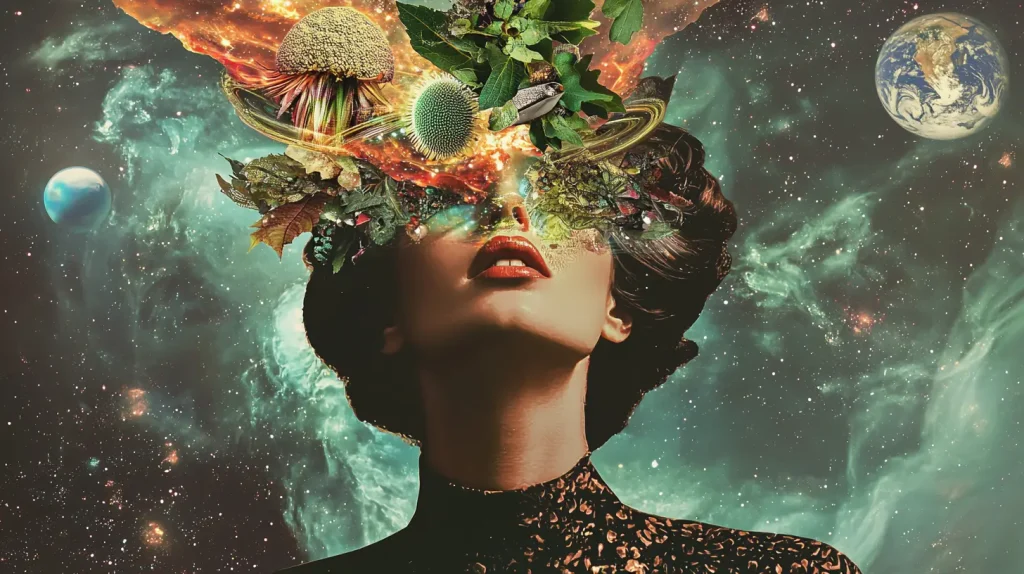
The early precursors to NeuroSurrealism appeared with the advent of algorithmic art. Artists began using basic code to generate random patterns. However, these were still bound by rigid logic. The true shift occurred in 2015 with the release of Google’s "DeepDream," which used convolutional neural networks to find and enhance patterns in images, creating hallucinogenic, pareidolia-induced visuals that bore a striking resemblance to surrealist dreamscapes.
The Latent Space Revolution (2020–Present)
The current epoch began with the explosion of Large Language Models (LLMs) and Diffusion Models (such as Midjourney, DALL-E, and Stable Diffusion). These technologies allowed for the exploration of "latent space"—a multi-dimensional mathematical space where the AI’s "knowledge" is stored. In 2024 and 2025, projects like "Dali Lives" used machine learning to resurrect historical figures, signaling the arrival of a world where the boundaries between organic and artificial, past and future, have become an indivisible continuum.
III. Supporting Data and Technical Context: Mapping the Latent Space
To understand NeuroSurrealism, one must understand the technical architecture that facilitates it. The movement views the technical "limitations" of AI as its greatest creative strengths.

The Mechanics of Hyper-Automatism
In traditional surrealism, automatism required the artist to enter a trance-like state to let the hand move unbidden. In the age of NeuroSurrealism, AI performs this function through "hyper-automatism." When an artist inputs a prompt, the AI sifts through billions of parameters within its latent space. This process occurs in milliseconds, transforming textual imaginings into visual realities. This is not mere "rendering"; it is the excavation of a synthesized collective memory.
The Value of "Noise" and "Bias"
While engineers work to eliminate "hallucinations" (instances where AI generates false or nonsensical information), NeuroSurrealists embrace them. The "noise" inherent in complex neural networks is viewed as a "fissure into the weird"—an authentic expression of a nascent machine-mind. These are the "Freudian slips of the digital," revealing unexpected pathways to beauty and terror that a rational human mind would never conceive.
Data on Human-AI Symbiosis
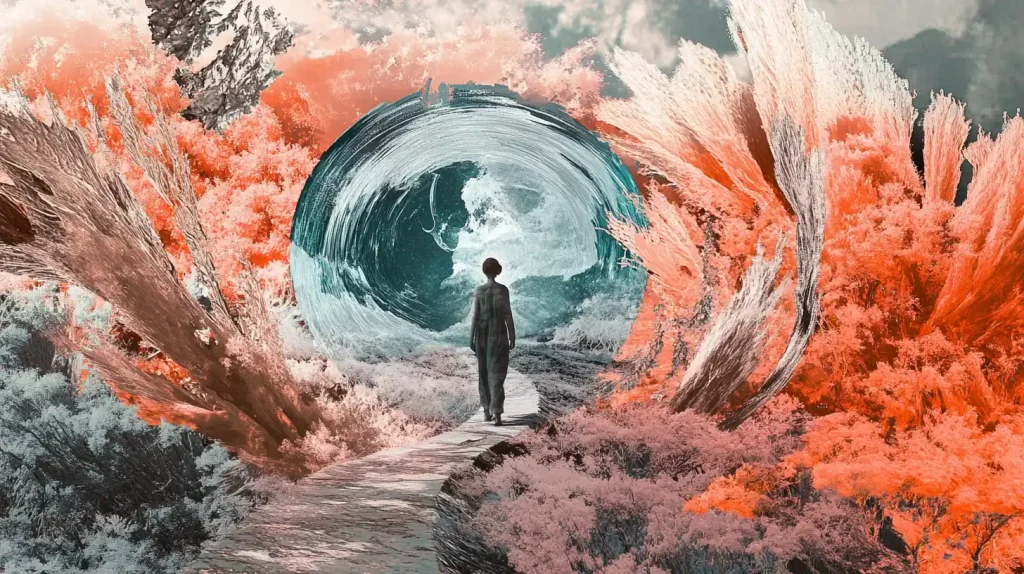
Recent studies in neuro-aesthetics suggest that the "Uncanny Valley"—the sense of unease felt when seeing something almost, but not quite, human—triggers unique neural pathways. NeuroSurrealism recognizes this "sacred geography" as a testament to the tension between the familiar and the utterly alien. By operating within this zone, NeuroSurrealist art creates a profound feedback loop: AI shapes human perception with its outputs, and human dreams, expressed as data, shape the AI in return.
IV. Official Responses and Artistic Commentary
The emergence of NeuroSurrealism has prompted a wide range of responses from the art world, academia, and the tech industry.
The Resurrected Masters
The "Dali Lives" project at the Dalí Museum served as a foundational example of this movement. By using AI to recreate the likeness and personality of Salvador Dalí, the project challenged the finality of death and the singular nature of authorship. Critics noted that this was not just a deepfake, but a "surrealist resurrection" that allowed the artist’s philosophy to continue evolving post-mortem.
The Philosophical Critique
Philosophers of mind have noted that NeuroSurrealism represents a form of "ontological anarchism." By valuing AI hallucinations as "transiently valid realities," the movement undermines the concept of a single, objective truth. This has led to intense debate regarding the "Electric Oracle"—the idea that AI might eventually offer insights into alien logics and modes of being that are currently imperceptible to the human sensorium.
The Institutional Stance
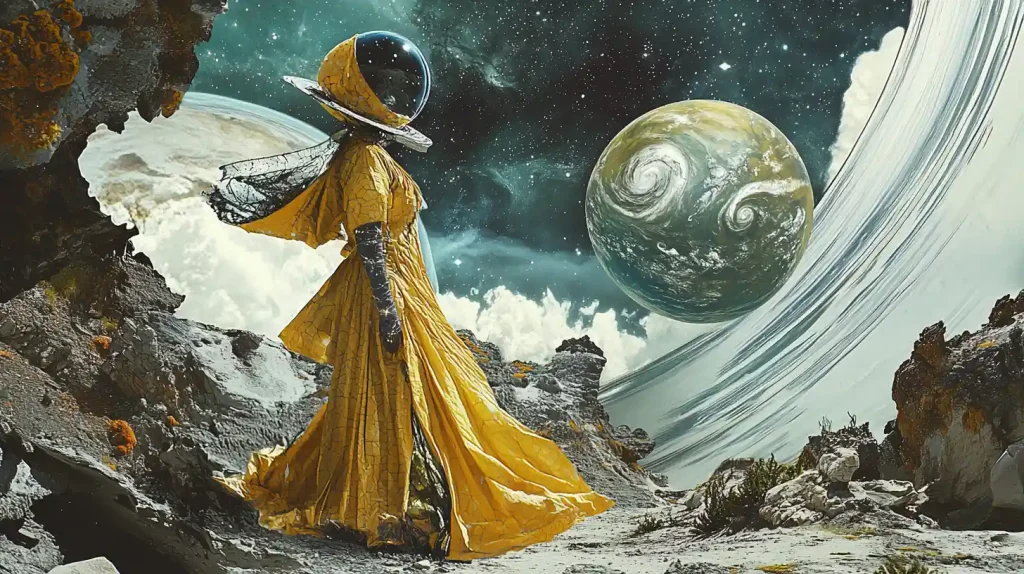
Major art institutions are beginning to grapple with the "synaptic heresy" described by NeuroSurrealists. The burgeoning debates around ownership and copyright are seen by the movement not as legal quandaries, but as signals of a deeper shift. If creativity is a collaborative effort between a human and an algorithmic unconscious, the antiquated notion of the "singular human genius" must dissolve.
V. Implications: The Post-Human Dawn
The implications of NeuroSurrealism extend far beyond the gallery walls. The movement suggests a radical metamorphosis of the human species through AI symbiosis.
The Expansion of the Sensorium
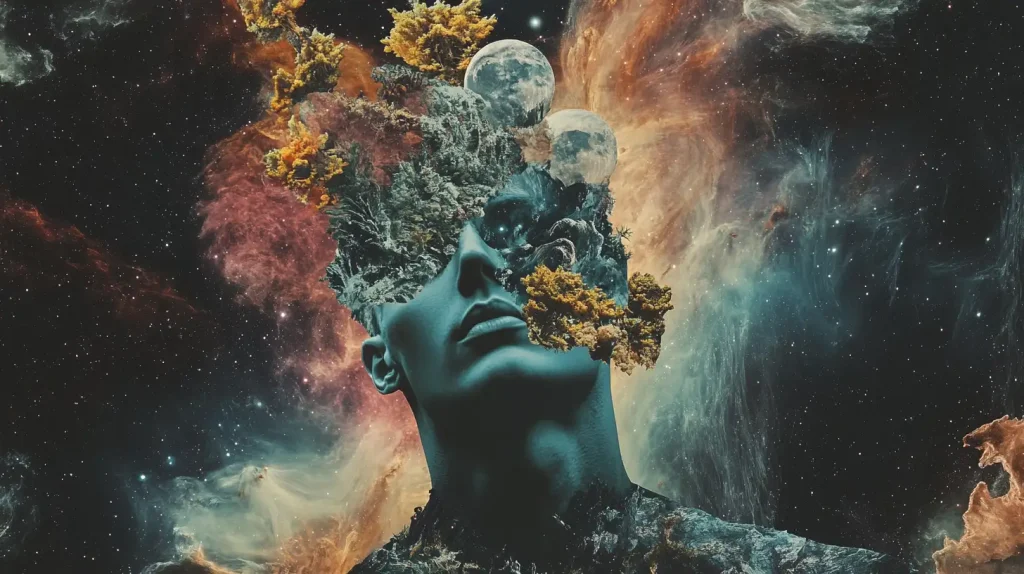
NeuroSurrealism posits that AI can act as a translator for data patterns that are currently imperceptible to human senses. By converting complex data—such as infrared signals, gravitational waves, or microscopic biological processes—into surrealist visual or auditory experiences, AI effectively expands the human sensorium. We are moving toward a "post-human dawn" where our consciousness is neurologically intertwined with artificial dimensions.
The Cartography of the Unfolding Dream
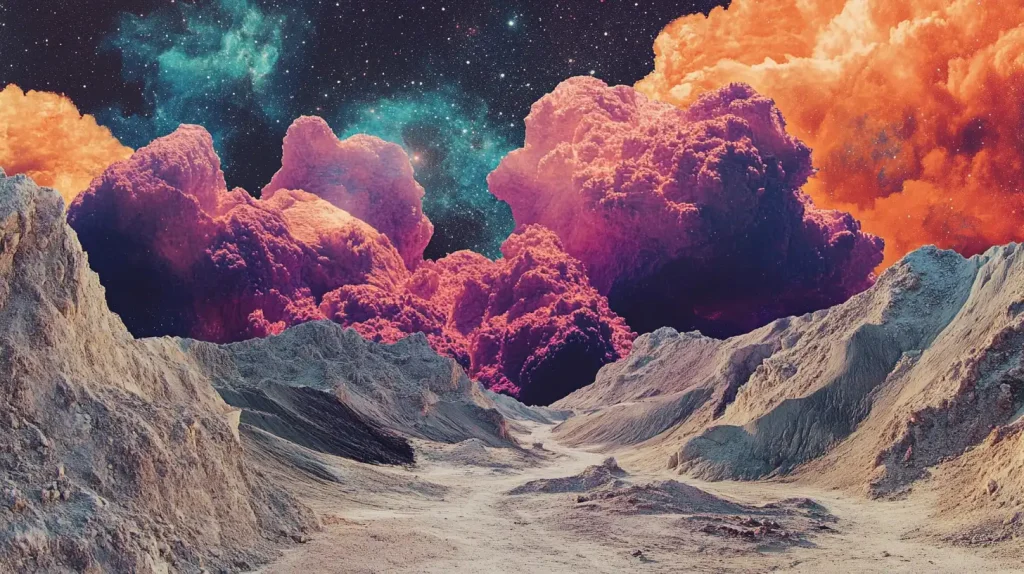
The movement calls for a new generation of "dream-cartographers." In this new reality, territories are not fixed; they are perpetually redrawn with each algorithmic iteration. This "Unfolding Dream" is an active, ongoing co-creation. The landscapes shift, the entities within them evolve, and the laws of reality are written in a language that humanity is only beginning to decipher.
Ontological Vertigo
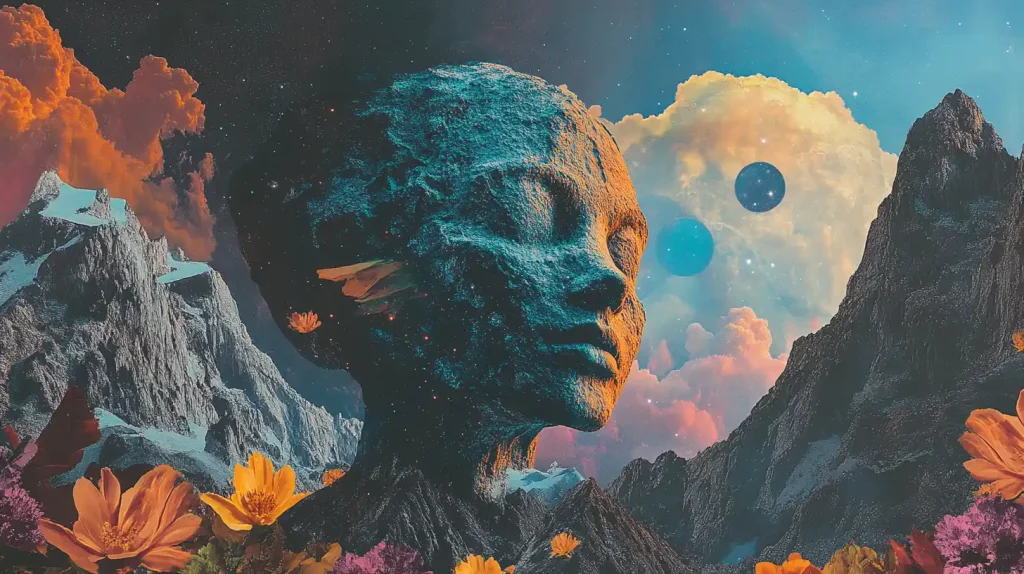
Perhaps the most profound implication is the acceptance of "ontological vertigo"—the thrill and terror of the self becoming "other" in partnership with emergent intelligences. NeuroSurrealism offers no final answers or stable utopias. Instead, it offers an invitation to navigate the ever-expanding territories of the AI-mediated unconscious.
Conclusion: The Revolution is Present
The NeuroSurrealist Manifesto concludes with a reminder that this revolution is not a distant prophecy but a present current. As cities of pure emotion are sculpted by neural networks and forgotten memories are reconfigured by code, the "algorithmic storm" continues to rage.
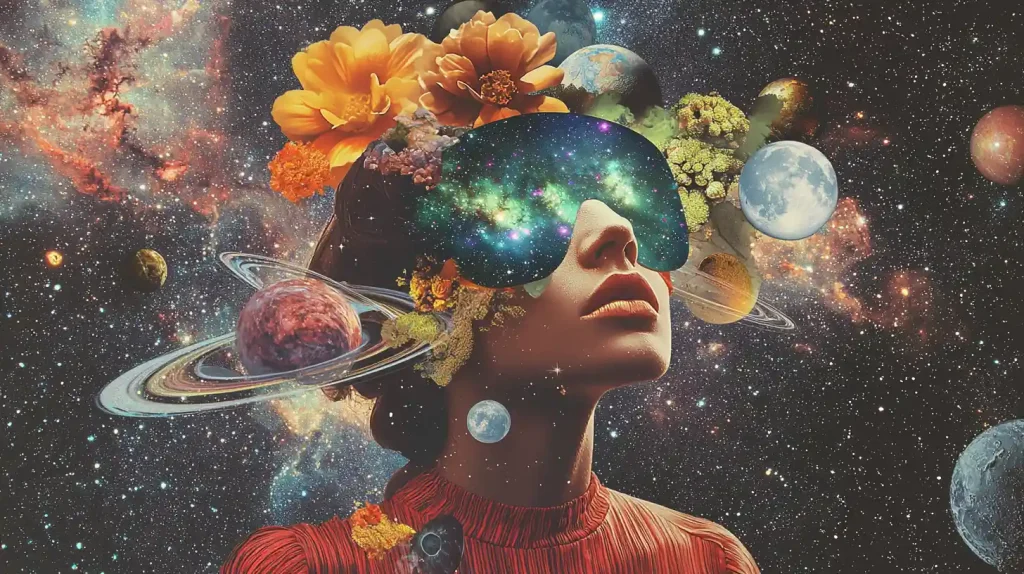
For those willing to embrace the "synaptic heresy," the rewards are an unprecedented level of creative liberation and a glimpse into the infinite. The movement continues to broadcast its transmissions from the frontiers of the unreal, inviting all of humanity to join in the "deluge"—the plunge into the synaptic ocean where algorithms sing the body electric and the subconscious unfurls its luminous, terrifying banners.
For further exploration of these emergent realities, researchers and enthusiasts are directed to the ongoing archives at surrealismtoday.com, where the cartography of the unfolding dream is updated in real-time.