Stewart Brand’s "How Buildings Learn" Series: A Timeless Exploration of Architecture’s Organic Evolution
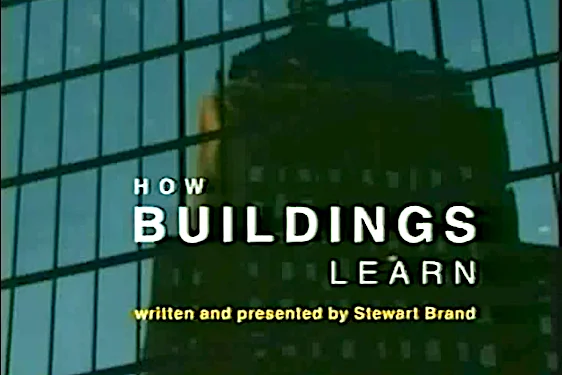
Open Culture, August 12th, 2026 – In a world increasingly defined by rapid technological advancement and ephemeral digital landscapes, a six-part BBC television series from 1997, "How Buildings Learn," offers a profound and enduring perspective on the nature of architecture. Created by the multifaceted visionary Stewart Brand, this series, now readily available on YouTube, delves into the often-overlooked concept of buildings as living, evolving entities, a stark contrast to the static, modernist ideals that have dominated much of architectural discourse. Featuring a captivating soundtrack by ambient music pioneer Brian Eno, the series is a testament to Brand’s lifelong dedication to exploring the interconnectedness of systems, from counter-culture movements to the very fabric of our built environment.
Brand, a figure whose influence has spanned decades and disciplines, first emerged into the cultural consciousness during the seismic shifts of the 1960s. His involvement in Ken Kesey’s legendary Acid Tests and his pivotal role in launching the influential Whole Earth Catalog – a compendium of tools, ideas, and resources that Steve Jobs famously lauded as "Google in paperback form, 35 years before Google came along" – cemented his reputation as a forward-thinking provocateur. Brand also spearheaded a memorable campaign in 1966 to encourage NASA to release the iconic "Whole Earth" photograph, a breathtaking image of our planet from space that ignited humanity’s collective imagination.
His prolific career continued through the 1970s and beyond with the founding of CoEvolution Quarterly, a successor to the Whole Earth Catalog, and the creation of the WELL (Whole Earth ‘Lectronic Link), a groundbreaking online community that fostered intelligent discourse among a global network of participants. Later, he co-founded The Long Now Foundation, an organization dedicated to fostering long-term thinking, a mission that resonates deeply with the themes explored in "How Buildings Learn."
The Genesis of "How Buildings Learn": A Critique of Modernist Orthodoxy
The "How Buildings Learn" series, adapted from Brand’s richly illustrated book of the same title, directly challenges the prevailing modernist architectural dogma. Thinkers and practitioners like Buckminster Fuller, Frank Gehry, and Le Corbusier, while undoubtedly influential, often championed designs that prioritized a singular, often rigid, aesthetic and functional vision. Brand, however, posits a more organic and adaptive approach. He advocates for the "ideal form of building" as something easily changed, expanded, and grown, rooted in the fundamental structure of "four walls." This philosophy embraces the inherent messiness and evolution that characterize how real buildings are used, adapted, and ultimately, how they "learn" over time.
The series, shot and edited entirely in digital format – a notable technological achievement for television production in 1997 – presents a compelling argument for appreciating the patina of age, the scars of use, and the spontaneous modifications that imbue buildings with character and resilience. It moves beyond the sterile perfection often sought by architects and instead celebrates the dynamic interplay between design, occupation, and the passage of time.
A Chronological Journey Through Architectural Evolution
"How Buildings Learn" unfolds as a compelling narrative, exploring various facets of how buildings adapt and evolve. While the series is divided into six distinct parts, a thematic chronology emerges, tracing the life cycle of structures from their inception to their eventual transformations.
Part 1: The Laws of Form and Function
The initial episodes likely set the stage by examining the fundamental principles that govern architectural design. This might involve a look at how different forms arise from specific functional needs, exploring the early vernacular architecture that arose organically from local materials and climatic conditions. The series could contrast these with the more theoretical and prescriptive approaches of modernist architects, highlighting the inherent tensions between intended design and lived reality.
Part 2: The Ecology of Buildings
Brand’s exploration extends to viewing buildings as ecosystems. This segment would likely delve into how buildings interact with their environment, not just in terms of energy efficiency and sustainability, but also in their capacity to support diverse human activities and adapt to changing social and economic landscapes. The concept of "use-driven design," where the occupants’ needs and behaviors shape the evolution of a space, would be a central theme.
Part 3: The Life of Buildings
This part of the series likely focuses on the passage of time and the inevitable wear and tear that buildings endure. Rather than viewing deterioration as a failure, Brand frames it as a natural process, contributing to a building’s unique character and history. This could involve examining how buildings are repurposed, renovated, and integrated into new contexts, demonstrating their resilience and capacity for reinvention.
Part 4: The Workshop of Buildings
Here, the series might explore the often-unseen labor that goes into maintaining and adapting buildings. This could include the work of builders, craftspeople, and even occupants themselves who undertake modifications and repairs. Brand’s emphasis on the "organic" building suggests an appreciation for the hands-on, iterative process of shaping and preserving our built environment.
Part 5: The Styles of Buildings
This segment could offer a critical examination of architectural styles, moving beyond superficial aesthetics to understand the underlying philosophies and societal forces that shape them. Brand’s critique of modernism suggests a preference for styles that allow for flexibility and adaptation, rather than those that impose a rigid, immutable vision.
Part 6: The End of Buildings
The final part of the series would likely address the eventual decommissioning or demolition of buildings. However, even in their decline, Brand might find lessons. This could involve discussions on the sustainable deconstruction of buildings, the recycling of materials, and the legacy that structures leave behind, both physically and culturally.
Supporting Data and Examples: A Rich Tapestry of Case Studies
Throughout "How Buildings Learn," Brand likely draws upon a diverse range of examples to illustrate his points. These would not be limited to grand architectural monuments but would encompass a spectrum of structures, from humble homes and workshops to public spaces and industrial facilities. The series would likely showcase:
- Vernacular Architecture: Examples of traditional building methods and styles that have evolved over centuries in response to local conditions, demonstrating innate adaptability. This could include buildings from various cultures, highlighting common principles of resilience and resourcefulness.
- Adaptive Reuse Projects: Case studies of older buildings that have been successfully transformed for new purposes, showcasing how past structures can be given new life. This might include converted factories, warehouses, or churches.
- Informal Settlements: A potentially controversial but illuminating area of study could be the spontaneous growth and adaptation of informal settlements, demonstrating how communities build and modify their environments in response to immediate needs, often with remarkable ingenuity.
- The "Living" Building Analogy: Brand’s philosophy often draws parallels between biological systems and human-made structures. The series might feature examples where buildings exhibit characteristics akin to living organisms, such as growth, adaptation, and even a form of "self-healing" through continuous modification.
- The Role of Occupants: The series would undoubtedly highlight how the people who inhabit and use buildings play a crucial role in their evolution. Anecdotes and observations of how individuals and communities have adapted spaces to suit their changing needs would be central to the narrative.
Official Responses and Enduring Relevance
The release of "How Buildings Learn" in 1997, and its subsequent availability on platforms like YouTube, has generated significant discussion and appreciation within architectural, academic, and broader cultural circles. While there might not be formal "official responses" in the traditional sense, the enduring popularity of the series and the continued resonance of its themes indicate a profound impact.
Architects and urban planners have increasingly embraced concepts of adaptability, resilience, and user-centered design, aligning with Brand’s core arguments. The series serves as a valuable educational resource, encouraging a more nuanced understanding of the built environment beyond mere aesthetics. It prompts a reevaluation of what constitutes a "successful" building, shifting the focus from static perfection to dynamic longevity.
The fact that the series, produced over two decades ago, remains highly relevant speaks volumes about its prescient insights. In an era grappling with climate change, rapid urbanization, and the need for sustainable development, Brand’s emphasis on the long-term viability and adaptability of buildings is more crucial than ever.
Implications for the Future of Architecture and Urbanism
The implications of Stewart Brand’s "How Buildings Learn" extend far beyond a mere critique of architectural history. The series offers a compelling framework for reimagining how we design, build, and inhabit our world:
- Embracing Imperfection and Evolution: The series encourages a departure from the pursuit of flawless, unchanging structures. Instead, it advocates for designs that are intentionally adaptable, allowing for incremental changes and improvements over time, mirroring the organic growth of natural systems.
- Prioritizing User Experience and Agency: By highlighting the role of occupants in shaping buildings, Brand underscores the importance of designing spaces that empower users to adapt them to their evolving needs. This fosters a deeper connection between people and their built environment.
- Promoting Sustainable Practices: The concept of buildings "learning" implies a longer lifespan and a reduced need for constant demolition and reconstruction. This inherent adaptability contributes to greater resource efficiency and a more sustainable built environment.
- Rethinking Architectural Education: "How Buildings Learn" challenges traditional architectural curricula that often focus on abstract theories and design ideals. It suggests a greater emphasis on understanding the practical realities of building use, maintenance, and adaptation, fostering a more grounded and holistic approach to architectural practice.
- Fostering a Long-Term Perspective: In alignment with the mission of The Long Now Foundation, Brand’s work encourages us to consider the long-term impact of our architectural decisions. By viewing buildings as entities with a life cycle, we are prompted to design for longevity and resilience, creating structures that can serve future generations.
In conclusion, Stewart Brand’s "How Buildings Learn" is not just a documentary series; it is a philosophical treatise on the nature of our built world. Its enduring power lies in its ability to reframe our understanding of architecture, moving from a static art form to a dynamic, living process. As we continue to shape the spaces we inhabit, the lessons embedded within this series offer a vital roadmap for creating buildings that are not only functional and beautiful but also resilient, adaptive, and deeply connected to the human experience.