The Shadow of Dogma: Unpacking the Enduring Legacy of the Inquisition
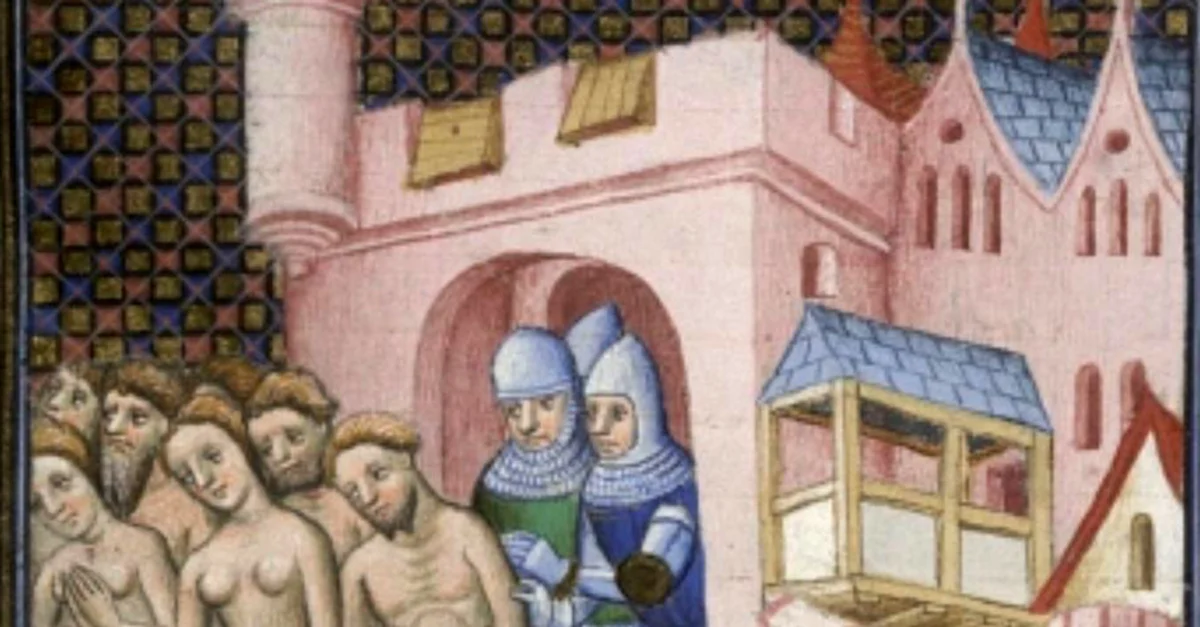
Rome, Italy – For centuries, the term "Inquisition" has evoked images of fear, persecution, and religious fervor, leaving an indelible mark on Western history. Far from a monolithic entity, the Inquisition represents a complex series of ecclesiastical and state-sponsored tribunals established by the medieval Catholic Church. Its primary aim was to investigate and suppress divergent opinions and practices deemed heretical, apostate, or otherwise threatening to the established "systematic Catholic theology." What began as a judicial procedure evolved into a formidable instrument of social and religious control, impacting millions across Europe and its burgeoning colonial empires.
The Inquisition, in its various manifestations, targeted perceived threats ranging from doctrinal heresy and blasphemy to practices like alchemy, witchcraft, and customs considered deviant. Utilizing a rigorous, often brutal, judicial procedure, these tribunals left a legacy of both historical scholarship and profound human suffering, the echoes of which resonate even today.
The Genesis of Orthodoxy: Defining Deviance in Early Christianity
The roots of what would become a formalized system of religious policing can be traced back to the earliest days of Christianity. Emerging in the 1st century CE from the ministry of Jesus of Nazareth, an itinerant preacher in the tradition of Israelite prophets, the new faith rapidly spread throughout the Roman Empire. As communities formed and expanded, often facilitated by figures like Paul the Apostle, the nascent movement faced internal challenges in defining its identity and doctrine.
A pivotal early conflict arose over the integration of Gentile believers. Should they adhere to the Mosaic Law, including circumcision and dietary restrictions, traditionally observed by Jewish adherents? This question led to a crucial meeting in Jerusalem, where James, the brother of Jesus, famously decreed that Gentile converts need not fully convert to Judaism. They were, however, instructed to abstain from practices considered offensive or idolatrous, such as consuming food sacrificed to idols, engaging in sexual immorality, or eating meat from strangled animals. This early decision underscored the importance of unified practice and belief, establishing a precedent for adjudicating internal disputes.
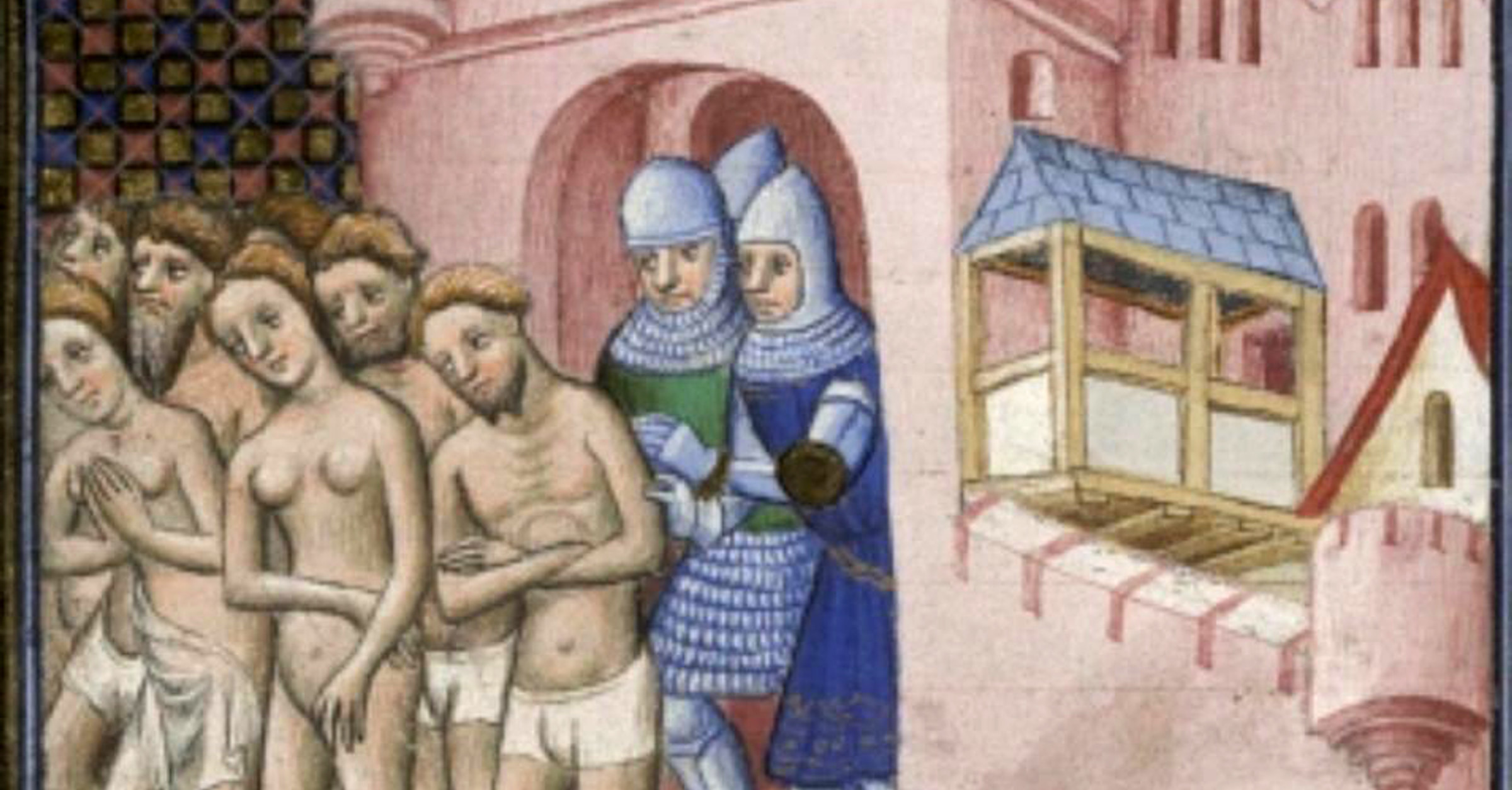
In these early centuries, deviation from accepted teachings was typically met with "excommunication," expulsion from the community, effectively denying access to sacred rituals like communion. Without a centralized authority, however, "heretics" often simply formed their own congregations, leading to a proliferation of diverse Christian communities with varying interpretations of Jesus’s life and teachings.
Institutional Foundations: Bishops, Dogma, and the "Church Fathers"
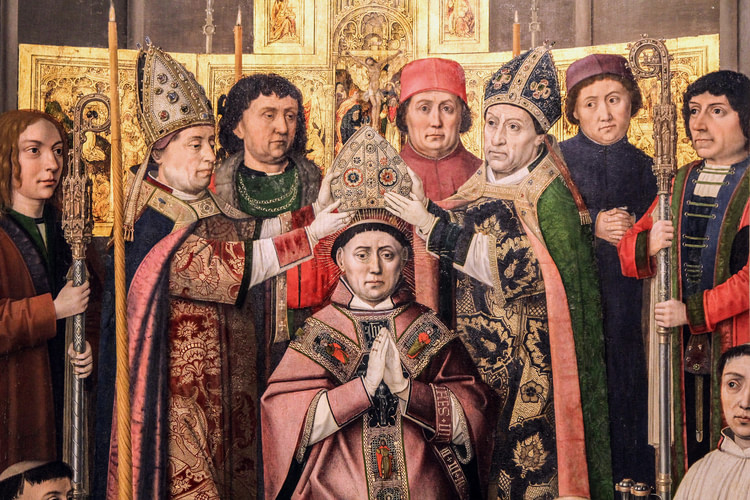
By the 2nd century CE, a more structured ecclesiastical hierarchy began to emerge. Inspired by the administrative models of Roman city-states, bishops assumed roles akin to magistrates, overseeing "dioceses" and maintaining law and order within their spiritual jurisdictions. Deacons assisted in charitable distribution, forming a distinct clergy. To legitimize their authority in a movement that initially championed equality, bishops and deacons were elevated through the requirement of celibacy and chastity. This ascetic ideal positioned them as "holy ones" and "living martyrs," sacrificing familial life for divine service, thereby bolstering their moral authority.
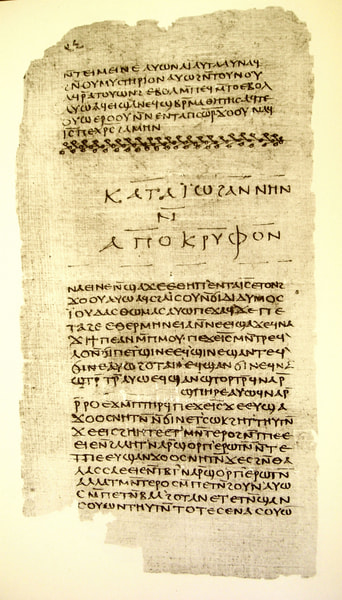
This period also saw the rise of influential theologians, retrospectively known as the "Church Fathers." Figures like Irenaeus, Tertullian, and Origen engaged in fierce intellectual battles to define Christian doctrine and distinguish it from competing belief systems. It was in their polemics against groups like the Gnostics – who claimed "secret knowledge" (gnosis) and offered alternative narratives of Jesus’s divine nature – that the concepts of "orthodoxy" (correct belief) and "heresy" (derived from the Greek haeresis, meaning a school of thought or choice) were formally established. Heresy was no longer just a differing opinion but an "incorrect belief and practice" that threatened the soul and the integrity of the nascent faith.
Imperial Endorsement: Constantine and the Treason of Heresy
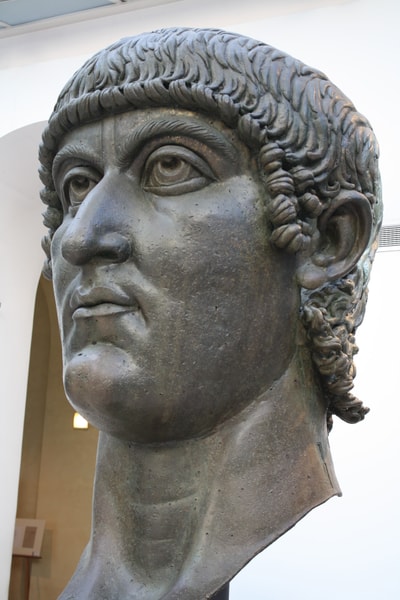
The transformation of heresy from a theological concern to a state crime occurred dramatically with the conversion of Emperor Constantine I in 312 CE. As the head of the vast Roman Empire and now a patron of the burgeoning Christian Church, Constantine sought unity and stability within his domain. This ambition led him to convene the Council of Nicaea in 325 CE, an unprecedented gathering of bishops from across the empire, with all expenses paid by the imperial treasury.
At Nicaea, the complicated doctrine of the Trinity – the unified nature of God as Father, Son, and Holy Spirit – was formulated and enshrined in the Nicene Creed. This creed became the definitive statement of Christian belief, and adherence to it was mandated across the empire. Crucially, any deviation from Constantine’s creed was now interpreted not merely as a theological error but as a direct challenge to imperial authority, akin to treason. Treason, under Roman law, carried the death penalty. Consequently, heretics, once merely excommunicated, could now be considered traitors to the state and face execution, often in public arenas, a stark shift that foreshadowed the brutal methods of later inquisitions.
Further theological justification for coercion came from figures like Augustine (354-439 CE), the influential Bishop of Hippo in North Africa. Initially advocating for peaceful persuasion, Augustine later argued for the use of state power to compel adherence to orthodoxy, famously citing Luke 14:23, "Compel them to come in." While he later expressed reservations about excessive violence, his arguments provided a powerful theological precedent for the use of force against those deemed heretical, setting the stage for centuries of religious persecution.
The Formal Institution: Medieval Inquisitions and the Albigensian Crusade
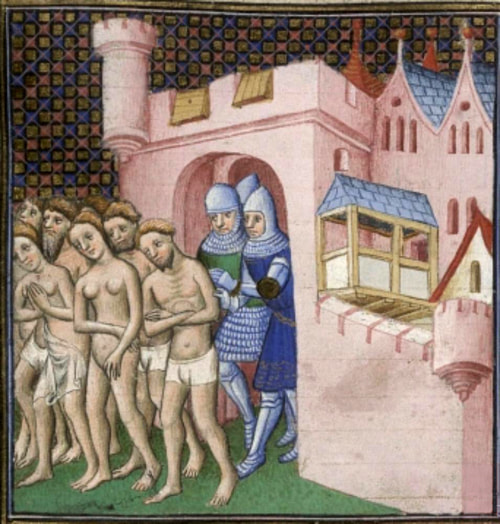
Despite imperial decrees and theological condemnations, the problem of heresy persisted. The 12th century witnessed a resurgence of powerful dissenting movements, particularly in Southern France and the Balkans. Groups like the Albigenses (Cathars) and Waldenses, with their Gnostic-like dualistic doctrines and critiques of clerical corruption, posed a significant challenge to the Church’s authority.
In response, the Second and Third Lateran Councils (1139, 1179) prescribed imprisonment and confiscation of property for heretics and threatened to excommunicate princes who failed to enforce these punishments. The intensity of the Cathar challenge eventually led to the Albigensian Crusade (1209-1229), a brutal military campaign sanctioned by Pope Innocent III, which devastated Southern France and effectively crushed the Cathar movement through widespread violence and massacres.
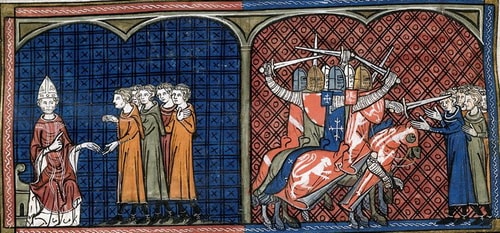
It was in the wake of these persistent heresies and the Albigensian Crusade that the formal Papal Inquisition was established. Pope Gregory IX, in 1231, mandated that heretics be actively sought out, investigated, and tried before specialized church courts. This crucial task was largely entrusted to the newly formed mendicant orders, the Dominicans and Franciscans, known for their theological learning, zeal, and mobility. These "inquisitors" often operated with independent authority, sometimes causing friction with local bishops and clergy.
The Church, according to its own doctrine, "could not stain its hands with blood." Therefore, while the inquisitors conducted interrogations and passed judgment, the actual questioning (often involving torture) and subsequent executions were delegated to secular authorities, who carried out the sentences. This legalistic separation of powers allowed the Church to maintain a veneer of spiritual purity while sanctioning horrific acts.
Inquisitorial procedures were notoriously harsh. Upon arrival in a city, a "period of grace" was declared, allowing heretics to confess and renounce their beliefs voluntarily, often receiving lighter penances. However, denunciations could be made by anyone, including other heretics seeking to reduce their own sentences. The accused faced an interrogation designed to extract a confession. Torture, including burning with live coals, mutilation (cutting off fingers, toes, tongues, testicles, breasts), and the strappado (a vertical rack stretching the victim’s limbs), was employed not as punishment, but as a means to "reveal the truth." A confession, however, inevitably confirmed guilt. The standard execution for unrepentant heretics was burning at the stake, a public spectacle intended to purify the soul through fire and serve as a terrifying deterrent to "witnesses."
Among the most famous victims of the Inquisition were the Knights Templar, dissolved and persecuted on charges of heresy and blasphemy; Joan of Arc, condemned and burned at the stake by an English-backed ecclesiastical court in 1431; and the astronomer Galileo Galilei, forced to recant his heliocentric views under threat of torture in 1633. These cases highlight the Inquisition’s reach across different social strata and its willingness to confront both perceived religious and scientific challenges.
Expanding Horizons of Fear: Alchemy, Witchcraft, and Pagan Remnants
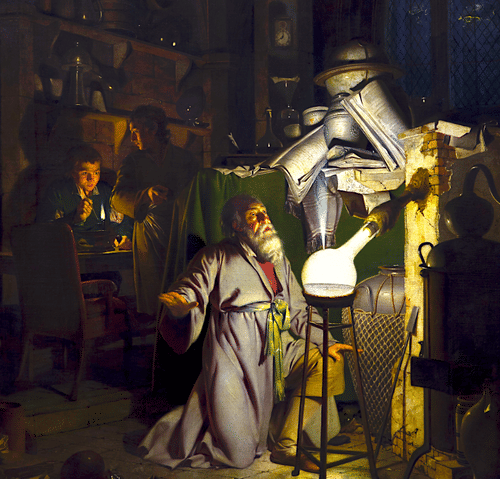
Over time, the Inquisition’s scope expanded beyond purely doctrinal heresy to encompass a broader range of "deviant" practices believed to be inspired by the Devil. Alchemy, the pursuit of transmuting base metals into gold or creating elixirs for eternal life, was condemned as heresy. Such practices were seen as usurping God’s creative power and defying divine dictates on the limits of human life and natural order.
Witchcraft, however, became the most prolific target of later inquisitions, particularly during the European witch hunts from the 15th to the 18th centuries. Rooted in medieval Jewish folklore and adopted into Christian demonology, figures like Lilith, Adam’s supposed first wife, embodied the archetype of the witch. Witches were envisioned as incubi (female demons having sexual intercourse with men) or succubi (female demons stealing men’s semen), believed to gain magical powers from their liaison with the Devil or his agents. They were often depicted as beautiful and voluptuous, visiting men at night, draining their life energy, and causing misfortune.
The publication of The Malleus Maleficarum (The Witches’ Hammer) in 1487 by two Inquisitors, Heinrich Kramer and James Sprenger, proved devastating. This "scientific" manual detailed how to identify, interrogate, and prosecute witches, including examining moles and scars as "Devil’s marks." The Malleus Maleficarum became a foundational text for witch trials, contributing to an exponential increase in executions. Some estimations suggest that over 60,000 alleged witches were burned at the stake, far exceeding the number of doctrinal heretics.
Early methods for discerning guilt in such cases included "trials by ordeal," where divine intervention was sought. "Dunking," for instance, involved throwing an accused witch into a river. If she floated, the water, like baptism, was believed to have rejected her, proving her guilt. If she drowned, she was deemed innocent – but was, of course, already dead. Such barbaric practices were gradually phased out in some regions, notably in England under Henry III, as legal systems evolved towards more rational forms of justice.
The European witch craze eventually spread to the American colonies, culminating in the infamous Salem Witch Trials of 1692-1693 in Massachusetts. Though less extensive than their European counterparts, the Salem trials saw over 200 accusations, 30 convictions, and 19 executions by hanging, serving as a chilling reminder of the enduring power of paranoia and religious extremism.
The Spanish Inquisition: Purity of Blood and Colonial Control
Perhaps the most notorious manifestation of the Inquisition was the Spanish Inquisition, formally established in 1478 by Ferdinand II of Aragon and Isabella I of Castile. Unlike its papal predecessors, the Spanish Inquisition operated largely under the direct control of the crown, becoming a powerful tool for religious and political unification in a newly consolidated Spain. This was particularly pertinent after centuries of Moorish rule, which had fostered a vibrant, albeit complex, multicultural society where Jews, Christians, and Muslims often coexisted and engaged in intellectual discourse.
Following the Reconquista – the Christian reconquest of Spain, culminating in the fall of Granada in 1492 – Ferdinand and Isabella, staunch Catholic conservatives, sought to eliminate religious pluralism. Tomás de Torquemada, the first Grand Inquisitor, became a figure of immense power and dread. He expanded persecution to conversos (Marranos, converts from Judaism, and Moriscos, converts from Islam), who, despite generations of Christian practice, were accused of secretly adhering to their former faiths. This era saw the infamous expulsion of all Jews and Muslims from Spain in 1492, coinciding with Columbus’s first voyage, fundamentally reshaping Spanish society.
Public ceremonies known as auto de fe ("act of faith") became central to the Spanish Inquisition’s display of power. Held in public plazas, these elaborate processions involved church and civil leaders, penitents, and those condemned. It was a final, theatrical opportunity for heretics to recant before being handed over to secular authorities for punishment, often execution.
Torquemada’s theories also laid the groundwork for proto-racial discrimination. He posited that "behavior was in the blood," suggesting that physical, racial impurities were inherited, rendering the "conversion" of Marranos and Moriscos inherently suspect. This concept of limpieza de sangre (purity of blood) intertwined religious orthodoxy with racial lineage, deeply influencing Spanish society and its colonial ventures.
As Europeans embarked on global exploration and colonialism, these racial theories were applied to indigenous populations in the Americas. Christian missions, often backed by inquisitorial methods, were established to convert and "civilize" native tribes. Resistance or rebellion was frequently met with charges of heresy by Inquisition courts, enforcing Christian concepts and social conventions on new populations. Even the fate of individuals like Joan of Arc could be subject to political expediency: initially convicted of heresy by an English court, her verdict was overturned by a French inquisitorial court in 1456, demonstrating how national interests could shape inquisitorial outcomes.
The Decline and Modern Legacy
The power of the Inquisition began to wane in the 18th and 19th centuries, challenged by the Enlightenment, rising secularism, and political upheavals. Napoleon Bonaparte’s conquests dealt a significant blow, leading to the abolition of the Inquisition in Venice (1797), Hispanic Americas (1813-1825), Portugal (1821), and Spain (1825).
In Italy, the Papal States, which had long preserved the Inquisition’s functions, were absorbed into the unified Kingdom of Italy in 1870. While nominally restored at various times, the Vatican’s temporal power and the Inquisition’s direct influence were profoundly diminished. However, its institutional functions were retained. Under the dictatorship of Benito Mussolini, the Lateran Treaty of 1929 recognized Vatican City as an independent state, and in return, the Vatican acknowledged the Kingdom of Italy. This agreement paved the way for the internal reorganization of the Church’s disciplinary bodies.
In 1965, the Holy Office of the Inquisition was formally renamed the Congregation for the Doctrine of the Faith, its mandate shifting from punitive prosecution to promoting and safeguarding Catholic doctrine. While no longer employing torture or capital punishment, it continues to examine and investigate charges of theological deviance, with punishments ranging from "de-frocking" (removal from the priesthood) to "excommunication."
The most significant official reckoning with the Inquisition’s past came during the pontificate of Pope John Paul II. In preparation for the Great Jubilee of 2000, he initiated a serious reflection on the Church’s historical misdeeds. In a landmark ceremony in 2000, John Paul II, on behalf of the entire Catholic Church, offered a profound apology for "examples of thought and action that are in fact a source of anti-witness and scandal." This unprecedented apology specifically acknowledged sins against Jews, the dignity of women, and theological and racial minorities, marking a significant step towards historical reconciliation and an acknowledgment of the profound suffering caused by the Inquisition’s long shadow. The Inquisition remains a stark reminder of the perils of unchecked power, the complexities of religious authority, and the enduring human quest for both faith and freedom.