DC Studios Revamps Initial Slate: "Waller" and "Paradise Lost" Axed Amidst Strategic Realignment
Los Angeles, CA – Just as anticipation for the DC Universe (DCU) reaches a fever pitch with the impending premiere of the Lanterns series, DC Studios has announced a significant recalibration of its initial "Chapter 1: Gods and Monsters" slate. Two high-profile projects, the HBO series Waller and Paradise Lost, are no longer moving forward as originally envisioned, signaling a strategic streamlining of the nascent cinematic universe under co-CEOs James Gunn and Peter Safran.
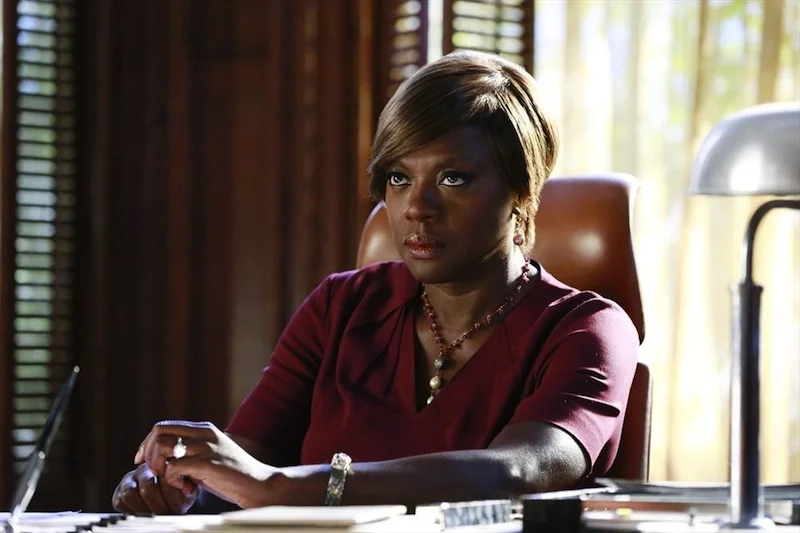
The news, initially reported by The Ankler, reveals that Waller, a series intended to further explore the formidable Amanda Waller, portrayed by Oscar-winner Viola Davis, has been canceled. Davis’s iteration of the character, a fan-favorite from the Suicide Squad films, was a cornerstone of the planned interconnected narrative. Simultaneously, Paradise Lost, a Game of Thrones-esque prequel delving into the Amazonian society of Themyscira before the birth of Wonder Woman, has been indefinitely shelved, though reports suggest a potential future revival. These decisions underscore the dynamic and often unpredictable nature of large-scale franchise development, even under a newly appointed, visionary leadership.
The announcements come at a pivotal moment for DC Studios, mere days before the August 16 premiere of Lanterns, a series touted as a central pillar of the new DCU. This simultaneous push and pull between launching flagship content and pruning earlier commitments highlights the intricate balancing act Gunn and Safran are performing as they endeavor to establish a cohesive and sustainable narrative universe.
Main Facts: A Shifting Foundation
The core revelation is the definitive cancellation of Waller and the indefinite shelving of Paradise Lost. Both projects were prominently featured in the initial ten-project slate unveiled by James Gunn and Peter Safran in January 2023, following their appointment as co-CEOs of DC Studios in November 2022. This slate, titled "Chapter 1: Gods and Monsters," was designed to be the foundational chapter of a revitalized DCU, aiming for a unified storytelling approach across film, television, and animation.
Waller was poised to build upon the popularity of Viola Davis’s portrayal of Amanda Waller, a ruthless government operative who frequently manipulates metahumans for national security objectives. Her return was highly anticipated, promising a deeper dive into her complex motivations and the shadowy world she inhabits. The project’s cancellation is a notable loss, particularly given Davis’s star power and the character’s established resonance with audiences.
Paradise Lost, on the other hand, was conceived as an epic historical drama set on the island of Themyscira, exploring the origins and internal politics of the Amazons. Described as a blend of Game of Thrones‘ political intrigue and mythological grandeur, it aimed to enrich the lore surrounding Wonder Woman before her eventual emergence into the modern world. Its status as "on the back burner" suggests it might not be entirely dead, but its immediate future within the DCU’s active development pipeline is now uncertain.
These cancellations contrast sharply with the forward momentum of other projects from the original slate. Five key initiatives – the animated series Creature Commandos, the second season of Peacemaker, the eagerly awaited Lanterns HBO series, and the feature films Superman and Supergirl – are either in production, nearing release, or have successfully launched. Lanterns, in particular, is positioned as a cornerstone of the new DCU, following the critical and commercial success of James Gunn’s Superman film earlier this year.
Furthermore, three other projects from the original ten are still officially in development, albeit with varying degrees of progress and significant creative adjustments. Booster Gold, a series centered on the time-traveling hero, is reportedly undergoing a creative overhaul after its initial team departed. The Swamp Thing movie, helmed by director James Mangold, is awaiting a script, with Gunn having indicated in a recent podcast that he is patiently anticipating the Logan writer’s submission. Lastly, The Brave and the Bold, intended to introduce the DCU’s primary Batman and Robin, continues to move forward, with Andy and Barbara Muschietti reportedly still attached in a "wait-and-see" capacity and Christina Hodson tasked with writing the screenplay. The extended timelines and creative reconfigurations for these projects underscore the meticulous, albeit sometimes arduous, process of building an interconnected universe from the ground up.
Chronology: The Evolving Narrative of the DCU
The journey of the DCU under Gunn and Safran has been marked by ambitious announcements, strategic pivots, and a clear vision for a unified narrative.
November 2022: James Gunn and Peter Safran are appointed co-CEOs of the newly formed DC Studios, taking over creative control of all DC film, television, and animation projects. Their mandate is to unify the disparate DC properties into a coherent shared universe, drawing inspiration from Marvel Studios’ successful model.
January 2023: Gunn and Safran unveil their ambitious "Chapter 1: Gods and Monsters" slate. This initial ten-project roadmap includes both film and television components, designed to lay the groundwork for a new era of DC storytelling. The announced projects are:
- Film: Superman: Legacy (later simply Superman), The Brave and the Bold, Supergirl: Woman of Tomorrow, Swamp Thing.
- HBO Series: Creature Commandos (animated), Waller, Lanterns, Paradise Lost, Booster Gold.
- Peacemaker Season 2 is also confirmed as a continuation from the previous DCEU, bridging the gap into the new DCU.
This initial announcement is met with cautious optimism from fans, eager for a clear direction after years of inconsistent storytelling and abandoned projects within the previous DCEU. The inclusion of Waller and Paradise Lost is particularly highlighted for their potential to expand the universe’s depth, focusing on established characters and rich mythological backdrops.
Throughout 2023-2024: Development proceeds on various fronts. James Gunn takes on directing duties for Superman, signaling a hands-on approach to the franchise’s cornerstone. Casting announcements for Superman and Supergirl generate significant buzz. Creature Commandos moves through animation production.
Early 2025: The HBO series Penguin, a spinoff from Matt Reeves’s standalone The Batman universe, premieres to critical and commercial acclaim. While not part of the "Gods and Monsters" slate, its success demonstrates the potential for DC content within the broader Warner Bros. Discovery ecosystem.
Mid-2025: James Gunn’s Superman film debuts, marking a triumphant start for the new DCU with widespread positive reception and strong box office performance. Its success immediately greenlights a sequel, Man of Tomorrow, and two HBO spinoff series centered on Jimmy Olsen and Mr. Terrific, further expanding the Superman corner of the universe. Simultaneously, new, previously unannounced projects like Clayface, a horror film from Mike Flanagan, are revealed, indicating a flexible and evolving development strategy beyond the initial slate.
Late 2025: News breaks via The Ankler that Waller has been canceled and Paradise Lost indefinitely shelved. This revelation occurs just days before the highly anticipated August 16 premiere of Lanterns, an HBO series expected to introduce the Green Lantern Corps as a central element of the DCU. This timing creates a stark contrast between the excitement of new content arriving and the disappointment of previously announced projects being cut.
The chronology reveals a pattern: an initial broad declaration of intent, followed by a period of intense development, and ultimately, a strategic refinement as certain projects prove more viable or align better with the evolving central vision. The success of Superman and its subsequent expansions clearly influences the studio’s priorities, potentially leading to a more focused allocation of resources.
Supporting Data: Industry Context and Creative Rationale
The decision to cancel or delay projects, even high-profile ones, is not uncommon in the highly competitive and capital-intensive entertainment industry, particularly for ambitious shared universes. The history of DC adaptations, prior to Gunn and Safran’s tenure, has been notoriously turbulent, marked by shifting creative directions, executive interference, and fan dissatisfaction. The current leadership’s objective is to break this cycle by establishing a meticulously planned, interconnected narrative.
The Volatility of Shared Universes: Building a cinematic universe requires immense coordination, long-term planning, and significant financial investment. Projects often face myriad challenges, including script development hurdles, casting complexities, budgetary constraints, and scheduling conflicts. Even established franchises like the Marvel Cinematic Universe have experienced production delays and creative shifts in recent years. For a nascent universe like the DCU, these challenges are amplified as the foundational elements are still being laid.
Financial Realities of Streaming: Warner Bros. Discovery, the parent company of DC Studios, has undergone significant restructuring and cost-cutting measures in recent years. The streaming landscape has shifted from a "growth at all costs" mentality to a focus on profitability and sustainable content strategies. High-budget series like Waller and Paradise Lost, while creatively appealing, might have faced scrutiny regarding their cost-benefit analysis within this new financial paradigm. HBO (now Max) has also adjusted its content strategy, potentially favoring projects with more direct connections to flagship film properties or those with a clearer path to global audience appeal.
Creative Cohesion vs. Breadth: Gunn and Safran have consistently emphasized the importance of creative cohesion and a unified vision for the DCU. This likely means that every project must not only stand on its own merits but also serve the overarching narrative and character arcs of the universe. It’s plausible that Waller or Paradise Lost, as originally conceived, might have presented unforeseen challenges in integrating seamlessly with the core "Gods and Monsters" story, or perhaps another narrative path emerged that was deemed more impactful. The creative reset for Booster Gold and the extended wait for Swamp Thing and The Brave and the Bold scripts suggest a "quality over speed" approach, where projects must meet a high bar before proceeding.
Star Power and Character Resonance: The cancellation of Waller is particularly noteworthy due to Viola Davis’s involvement. Her portrayal of Amanda Waller has been consistently praised, and her star power would have lent significant prestige to the series. Her departure from the DCU (at least in this specific project) is a blow to the initial roster of talent. Similarly, Paradise Lost offered a unique opportunity to explore the rich Amazonian lore, a component that has been somewhat underdeveloped in previous Wonder Woman adaptations. The decision to cut these projects suggests that even established characters and popular concepts are not immune to strategic re-evaluation if they don’t align perfectly with the evolving master plan.
The success of Superman and its subsequent expansion into multiple spinoffs signals a clear prioritization of the central, marquee characters. This might imply a strategy of building outward from proven successes rather than attempting to launch too many disparate projects simultaneously. The emergence of Clayface, a horror film, also indicates that the studio is open to diverse genres and creative voices, but perhaps within a more controlled and curated environment.
Official Responses: Navigating Expectations and Explaining Strategic Shifts
While no direct official statements from James Gunn or Peter Safran explicitly addressing the cancellation of Waller and Paradise Lost have been provided in the source material, their past communications and the studio’s general strategy offer insight into the likely rationale.
James Gunn, known for his direct engagement with fans on social media, has often spoken about the challenges and necessities of building a complex cinematic universe. He has frequently reiterated the commitment to "quality over quantity" and the importance of a singular, cohesive creative vision. It is highly probable that any official response would frame these cancellations as difficult but necessary decisions made to ensure the overall health and narrative integrity of the DCU. Such decisions are often attributed to a rigorous development process, where not all concepts, even promising ones, ultimately fit the evolving master plan or meet the required creative benchmarks.
From the perspective of Warner Bros. Discovery and Max (formerly HBO Max), the cancellations align with broader industry trends and the company’s financial directives. WBD CEO David Zaslav has consistently emphasized cost efficiency and a focus on content that drives subscriptions and retention. High-budget series that don’t directly serve a core franchise narrative or that face significant production hurdles might be deemed less viable in the current economic climate. A studio spokesperson, if commenting, would likely emphasize a commitment to responsible content investment and strategic allocation of resources to maximize impact.
For the talent involved, particularly Viola Davis, such news can be disappointing. While there has been no public statement from Davis regarding Waller‘s cancellation, it represents a missed opportunity for her to further define a powerful character within a major franchise. In similar situations, studios often express gratitude for the talent’s involvement and hint at potential future collaborations, leaving the door open for their return in other capacities.
The lack of an immediate, comprehensive official statement directly addressing these specific cancellations suggests a preference for allowing the news to disseminate organically, perhaps with a more detailed explanation to follow once Lanterns has premiered and the studio can focus on the next phase of announcements. The emphasis remains on the forward momentum of the core DCU projects and the overall strategic direction rather than dwelling on the projects that have been sidelined.
Implications: Reshaping the DCU’s Future
The cancellation of Waller and the shelving of Paradise Lost carry significant implications for the future trajectory of the DCU, influencing audience perception, creative strategy, and the overall health of the ambitious shared universe.
A Sharper, More Focused Vision: The most immediate implication is a likely narrowing of the initial DCU scope. While Gunn and Safran initially presented a broad tapestry of stories, these cuts suggest a more concentrated focus on core characters and narratives deemed essential for establishing the universe’s foundation. This might mean fewer peripheral projects in the early stages, with resources primarily directed towards the success of Superman, Batman (via The Brave and the Bold), Supergirl, and the Lanterns universe. The expansion of the Superman mythos with Man of Tomorrow and its spinoffs reinforces this strategy: build out from a successful, central pillar.
Audience Perception and Trust: For a fanbase that has weathered years of inconsistent DC adaptations, these cancellations could be a double-edged sword. On one hand, some fans may view it as another sign of instability, perpetuating the "DC curse." On the other hand, a more discerning segment might interpret it as a positive sign that Gunn and Safran are ruthless in their pursuit of quality and narrative cohesion, willing to make tough decisions to prevent creative missteps. The studio’s ability to communicate these decisions transparently and demonstrate consistent quality in the projects that do move forward will be crucial in maintaining fan trust.
The Role of HBO/Max in the DCU: While Lanterns is still proceeding as an HBO series, the cancellation of Waller and the delay of Paradise Lost could indicate a more selective approach to DC content on the platform. The success of Penguin (from The Batman universe) and the greenlighting of Superman spinoffs for Max suggest that the platform remains a vital component, but perhaps with a greater emphasis on direct ties to established film successes or projects personally shepherded by Gunn. Max’s strategy might lean towards fewer, but more impactful, DC series that directly feed into the core cinematic universe.
Creative Control and Gunn’s Influence: These decisions further underscore James Gunn’s significant creative authority within DC Studios. His direct involvement in Superman and Creature Commandos, combined with the reported creative resets for Booster Gold and the patient wait for Swamp Thing‘s script, suggests that projects must align very closely with his and Safran’s overarching vision. This centralized creative control aims to prevent the fragmented storytelling that plagued previous DC cinematic endeavors, but it also means that projects that don’t perfectly fit that vision, however promising they might seem independently, are vulnerable.
Long-Term Flexibility vs. Rigid Planning: While the "Gods and Monsters" slate was presented as a definitive Chapter 1, the emergence of new projects like Clayface and the Superman spinoffs, alongside the pruning of older ones, demonstrates a degree of adaptive flexibility. The DCU is not a static blueprint but an evolving entity, responsive to creative development, market conditions, and the success of its flagship content. This iterative approach, while potentially causing some initial fan disappointment with cancellations, might ultimately lead to a more robust and organically grown universe.
In conclusion, the cancellation of Waller and Paradise Lost marks a significant turning point for the DCU. While it represents a setback for specific projects, it also signals a clear, albeit sometimes painful, commitment from James Gunn and Peter Safran to forge a unified, high-quality cinematic universe. As Lanterns prepares for its debut, the path forward for the DCU appears both more focused and more dynamic, adapting to creative realities and market demands in its ambitious quest for superhero storytelling dominance.