The Bicycle Bell Falls Silent: How Raleigh’s Nostalgia-Fueled Decline Offers a Stark Branding Lesson

The chime of a bicycle bell, once a ubiquitous sound of childhood freedom and British summertime, is fading for one of the nation’s most iconic brands. Raleigh, a name synonymous with adventure and youthful exuberance, has seen its parent company, Accell, file for insolvency, marking a poignant and perhaps inevitable end to an era. For many, the news has evoked a wave of nostalgia, a sentimental journey back to the days of the iconic Chopper, the agile Grifter, and the speedy Burner. However, beneath the surface of these fond memories lies a more complex and cautionary tale of a brand that became a prisoner of its own illustrious past, ultimately failing to navigate the rapidly evolving landscape of modern commerce and consumer desire.
This dramatic turn of events is not merely a story of shifting market trends or the post-pandemic cycling boom’s inevitable cooling. It is a profound case study in the perils of mistaking heritage for strategy, a stark reminder that even the most beloved brands must evolve or risk becoming relics of a bygone age. Raleigh’s journey from a symbol of British innovation and accessibility to the brink of collapse offers invaluable insights for businesses and designers alike, highlighting the critical importance of reinvention in an ever-changing world.
A Childhood Icon: The Enduring Allure of the Raleigh Chopper
For a generation of Britons, the Raleigh Chopper was more than just a bicycle; it was a cultural phenomenon, a tangible symbol of growing up. The author’s vivid recollection of receiving their first Chopper at the age of six in 1976 encapsulates this sentiment perfectly. The sensory details – "the smell of the tyres and the way that long banana seat felt impossibly grown-up to sit on" – speak to the deep emotional connection forged with these machines. In the playground, the Chopper was a coveted status symbol, a metallic declaration of independence and a catalyst for playground rivalries centered on speed, gears, and the prestige of owning a brand-new model.
This deep-seated affection is evident in the outpouring of tributes that followed the news of Accell’s insolvency. Social media platforms were awash with fond recollections of the Chopper, Grifter, and Burner, with many expressing a sense of loss that transcended the mere cessation of a product line. For those who grew up with these bikes, it felt like the closing of a significant chapter in their personal histories and, by extension, in the broader narrative of British popular culture.
The Slow Erosion: When Heritage Becomes a Liability
However, for many astute observers, the news, while sad, was not entirely surprising. The author’s immediate reaction of "resignation" points to a recognition of a long-brewing crisis. Raleigh’s struggle, it is argued, is not primarily about the intricacies of corporate finance or the cyclical nature of the bicycle market. Instead, it is a narrative about a brand that allowed its rich heritage to become a crutch, preventing it from adapting to the evolving needs and desires of consumers.

For decades, Raleigh appeared to coast on the strength of its name and the lingering affection for its iconic models. The familiar Raleigh badge remained a constant, even as the world around it transformed dramatically. Urban landscapes began to prioritize cycling with the development of dedicated cycle lanes, the advent of electric bikes opened up cycling to a broader demographic, and younger consumers increasingly gravitated towards brands that reflected their contemporary lifestyles and values.
Raleigh’s branding, however, remained stubbornly rooted in a nostalgic vision of Britishness, a sensibility that felt increasingly anachronistic, not only to younger generations but even to those who had once been its most ardent fans. The brand seemed to be speaking from a past that no longer resonated with the present, failing to recognize that its iconic status was not a perpetual shield against market forces.
The Myth of Perpetual Goodwill: Heritage Without Reinvention
The branding world often harbors a comforting, yet ultimately flawed, belief that a strong heritage inherently provides a protective buffer against market shifts. The assumption is that decades of goodwill and brand recognition act as an unassailable fortress against the erosion of relevance. Raleigh’s predicament serves as a stark refutation of this notion. It demonstrates that heritage, when divorced from innovation and adaptation, is not an enduring asset but a significant liability.
In contrast, other brands have successfully leveraged their heritage as a springboard for continued success. Barbour, for instance, has masterfully maintained its brand identity by embracing its history while simultaneously evolving. The company has consistently updated its product offerings with contemporary fits, modern color palettes, and strategic collaborations, thereby attracting a new wave of consumers without alienating its loyal customer base.
Similarly, Adidas’ Originals line thrives by treating its extensive archive not as a static museum piece, but as a rich source of inspiration for new designs. The brand skillfully mines its history to create fresh and relevant products that resonate with contemporary tastes, demonstrating a dynamic approach to heritage. Lego, another exemplar, has demonstrated a remarkable capacity for reinvention, consistently modernizing its design language, retail experiences, and storytelling strategies. Crucially, these evolutions have never compromised the fundamental appeal of the plastic brick at the core of its identity.

What unites these successful brands is a willingness to critically examine their own icons and historical narratives. They understand that heritage is not a fixed monument but a living story that is continuously being written and reinterpreted. This proactive approach allows them to remain relevant and desirable across generations.
Key Takeaways: A Call to Action for Designers and Brands
The fall of Raleigh offers a crucial and timely lesson for designers and brand strategists. It compels us to engage in a candid and honest assessment of our client relationships. The critical question to ask is: are we facilitating genuine brand evolution, or are we merely engaged in a repetitive cycle of polishing existing assets? While the latter might appear to be the path of least resistance, it carries the significant risk of contributing to a brand’s eventual obsolescence. The author’s poignant reflection on how one might feel in decades to come, when a brand they worked on succumbs to the same fate as Raleigh, serves as a powerful ethical imperative.
However, it is equally important to acknowledge that the pendulum can swing too far in the other direction. The case of Jaguar, for example, illustrates the perils of abandoning heritage without a clear and compelling vision for the future. The automotive giant has struggled to effectively engage both its traditional customer base and potential new buyers following a radical rebrand. The controversial decision to shed its iconic leaping cat emblem in favor of a bold, abstract new identity has been met with division, leaving its ultimate success uncertain and its appeal to the crucial electric-vehicle market still very much in question.
The core message from Raleigh’s decline is that true reinvention transcends superficial cosmetic changes. It necessitates a profound consideration of whether a brand’s visual identity, product design, and overall customer experience authentically reflect contemporary life. This involves challenging deeply ingrained assumptions and engaging in difficult conversations with clients who may perceive any deviation from their established look as a betrayal of their historical legacy.
The Future of Cycling: Lessons from a Fallen Giant
The story of Raleigh is not just a lament for a beloved bicycle brand; it is a compelling narrative with far-reaching implications for the entire design and branding industry. It underscores the imperative for brands to embrace change not as a threat, but as an opportunity. The cycling industry itself, a sector brimming with potential for innovation and sustainable mobility, must learn from Raleigh’s missteps. As e-bikes, sustainable materials, and connected cycling technologies continue to reshape the market, brands that cling to outdated models and nostalgic marketing will inevitably find themselves left behind.
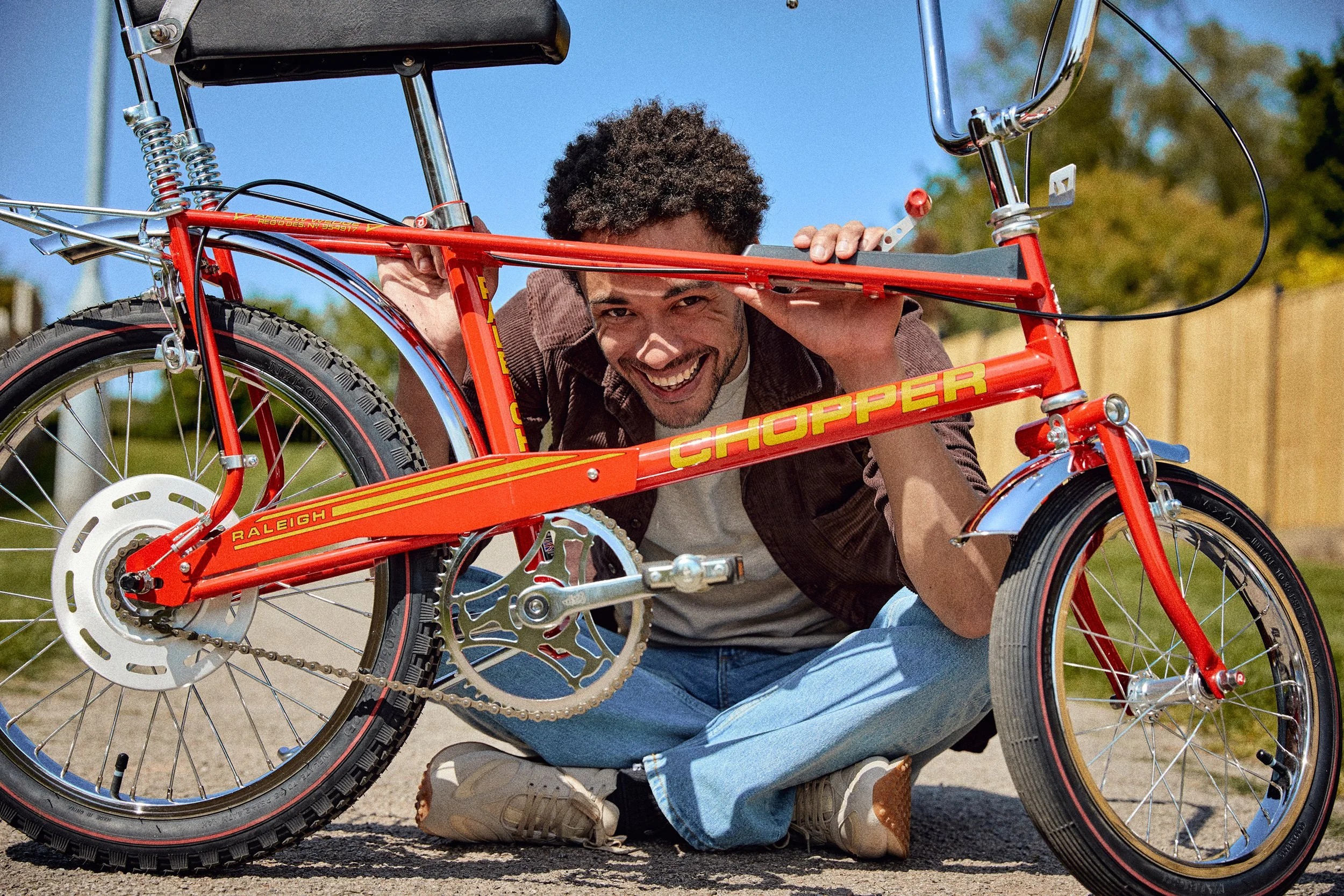
The author’s personal connection to the Raleigh Chopper, a cherished childhood artifact, highlights the emotional resonance that brands can build. However, as the narrative makes clear, this emotional capital, while valuable, cannot sustain a business in isolation. Raleigh failed not because its products were inherently unloved, but because that love, while potent, was insufficient to anchor a modern, thriving enterprise.
As the bicycle bell of Raleigh falls silent, its echoes serve as a potent reminder: in the dynamic arena of branding, the past can be a valuable wellspring of inspiration, but it must never become a substitute for looking resolutely towards the future. The enduring legacy of a brand lies not in its ability to replicate past glories, but in its capacity to evolve, adapt, and continue to resonate with the ever-changing world around it. Rest in peace, Raleigh, and may your legacy serve as a guiding light for brands seeking to navigate the complexities of the 21st century.