Take to the Skies and Restore Paradise: The Launch of Lou’s Lagoon

The landscape of indie gaming has undergone a significant transformation over the last decade, shifting from high-octane action toward what many now categorize as "cozy" or "wholesome" gaming. Into this thriving ecosystem arrives Lou’s Lagoon, a vibrant open-world adventure that blends the technical satisfaction of flight simulation with the heartwarming loops of community building and environmental restoration. Developed by Tiny Roar and recently released on Steam, Lou’s Lagoon offers players a chance to pilot a seaplane across a sprawling tropical archipelago, unraveling a family mystery while mending a world battered by a catastrophic storm.
Main Facts: A New Horizon in Cozy Adventure
At its core, Lou’s Lagoon is an exploration-heavy crafting game that places the player in the cockpit of a customizable seaplane. The premise is as much about personal legacy as it is about mechanical progression. The player arrives at the archipelago to find their Uncle Lou—a legendary local figure and pilot—has mysteriously vanished. In his wake, a massive storm has devastated the islands, leaving the local communities in disarray and the pristine beaches littered with debris.
The game’s primary objective is twofold: solve the mystery of Uncle Lou’s disappearance and lead the effort to rebuild the tropical paradise. Unlike traditional survival games that focus on hunger or combat, Lou’s Lagoon focuses on "restorative gameplay." Players collect resources, clean up environmental hazards, and complete quests for a diverse cast of NPCs to breathe life back into the islands.
The game officially launched on Steam following a successful showcase at Gamescom, where its unique blend of flight mechanics and "solarpunk" aesthetics garnered significant attention from critics and players alike. It stands as a testament to the growing demand for non-violent, exploration-based titles that prioritize atmosphere and community over conflict.
Chronology: From Concept to the Steam Storefront
The journey of Lou’s Lagoon began with a vision to combine the freedom of flight with the intimacy of a life simulator. Tiny Roar, the development team behind the project, sought to create a world that felt both expansive and lived-in.
The Development Phase:
Early in development, the focus was on the "feel" of the seaplane. Developers spent months refining the physics of take-offs and landings on water, ensuring that the transition between the sky and the sea felt fluid. The team wanted the plane to feel like a character in its own right—a reliable companion that players could upgrade and personalize.
The Gamescom Showcase:
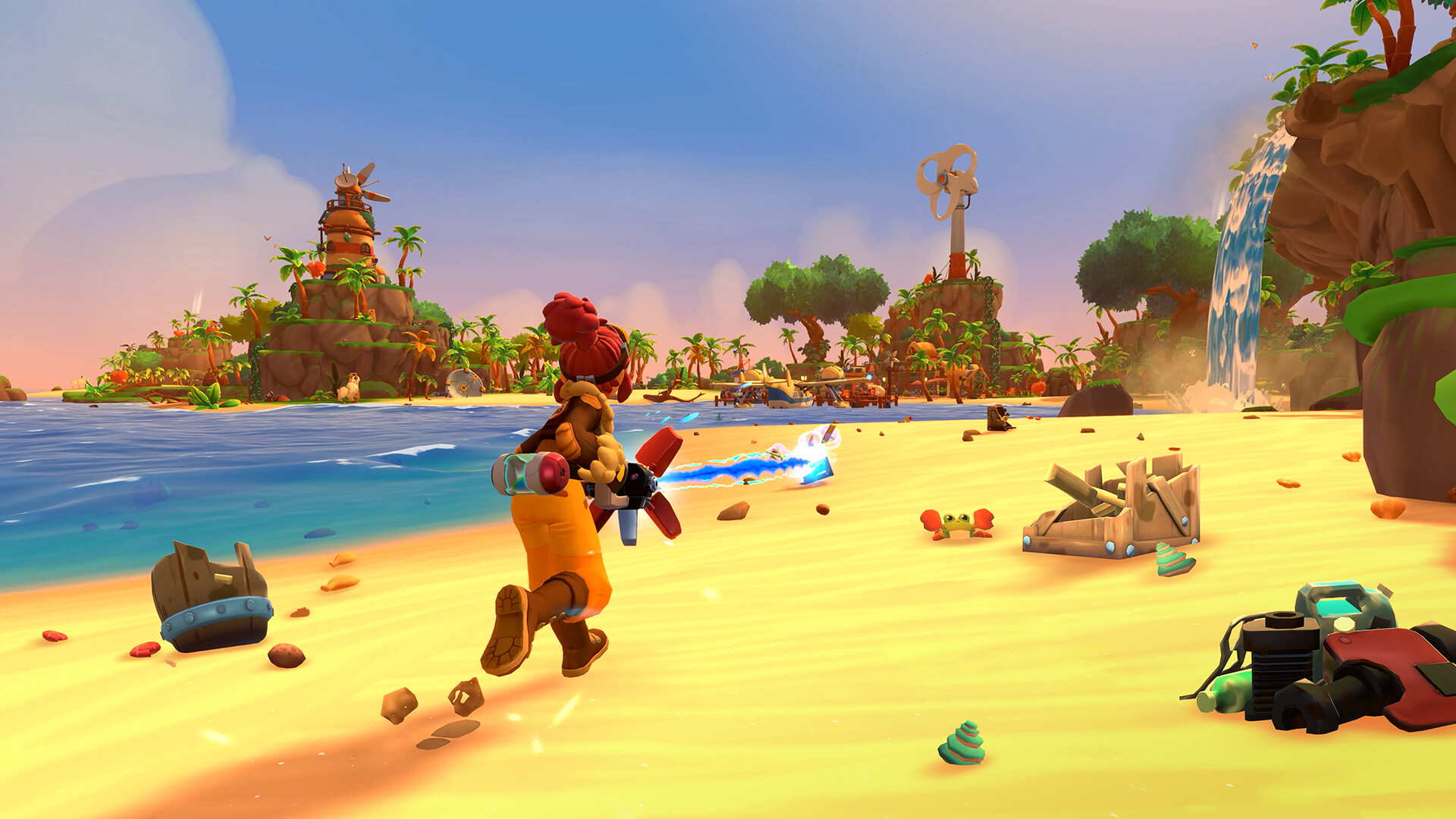
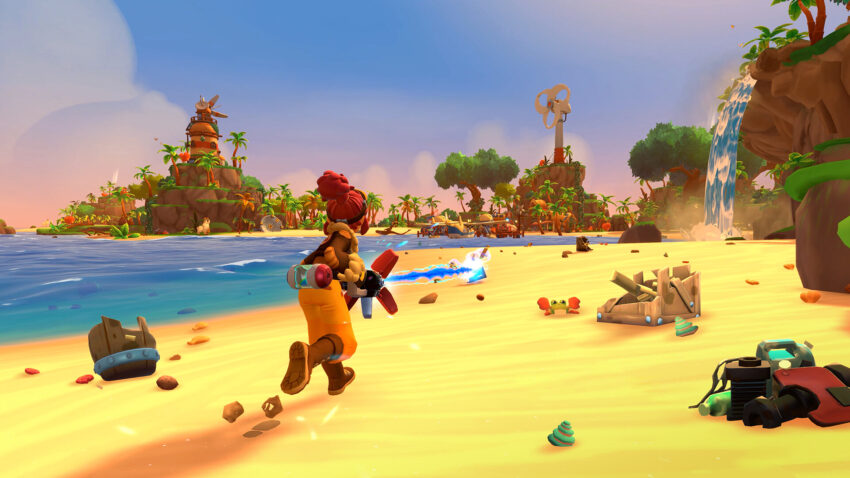
A pivotal moment in the game’s trajectory occurred during its demonstration at Gamescom. Attendees were given access to a limited demo that showcased the first few islands of the lagoon. This demo highlighted the game’s core loop: landing at a storm-damaged port, talking to the locals, and using a specialized "trash-vacuum" tool to clear the beaches. The positive reception at Gamescom solidified the game’s identity as a "must-watch" indie title for fans of the genre.
Official Launch:
Following the feedback from the demo, the developers spent several months polishing the narrative threads concerning Uncle Lou and expanding the crafting recipes available for the player’s home base. The full version of Lou’s Lagoon was released on Steam in late 2024, offering a complete map of diverse biomes, from dense jungles to sandy atolls, all accessible via the player’s wings.
Supporting Data: The Mechanics of Restoration
To understand why Lou’s Lagoon is resonating with players, one must look at the specific data points of its gameplay mechanics. The game is built on three primary pillars: Flight, Restoration, and Customization.
1. Flight and Exploration
The seaplane is the player’s primary tool for interacting with the world. The archipelago is designed with verticality in mind, encouraging players to fly through narrow canyons or soar high above the clouds to spot hidden landmarks.
- Fuel Management: While not punishing, players must keep an eye on their fuel, encouraging them to plan their routes between islands efficiently.
- Aerial Activities: The game includes "little races" and time trials, providing a mechanical challenge for those who want to master the flight physics.
2. The Restoration Loop
The storm did more than just blow over trees; it scattered trash and broke vital infrastructure.
- The Sucking Tool: One of the most satisfying mechanics involves a vacuum-like device left behind by Uncle Lou. Players use this to suck up plastic waste, scrap metal, and organic debris.
- Resource Conversion: Collected trash isn’t just deleted; it is recycled. Scrap metal becomes building components, and organic waste can be used for gardening or island beautification.
- Infrastructure Projects: As players help locals, they unlock the ability to rebuild bridges, marketplaces, and docks, which in turn opens up new quests and trade routes.
3. Personalization and Home Building
A significant portion of the game is dedicated to the player’s "Beach Hut."
- Customization: Players can collect furniture, paint colors, and decorative items throughout the islands. This allows for a high degree of self-expression, turning a simple shack into a tropical retreat.
- Social Interaction: NPCs aren’t just quest-givers; they have schedules and personalities. Helping a child find their lost toys or assisting a chef in finding rare fruits builds "affinity," which unlocks deeper lore about the islands and Uncle Lou.
Official Responses and Design Philosophy
The developers at Tiny Roar have been vocal about their design philosophy during the launch window. In various press releases and developer vlogs, the team emphasized that Lou’s Lagoon was designed as an "antidote to the stress of modern life."
"We wanted to create a game where the player’s impact on the world is purely positive," the lead designer stated in an interview during the Steam launch event. "In many open-world games, you are taking from the land or fighting the inhabitants. In Lou’s Lagoon, you are a guest who becomes a neighbor. You are cleaning up, you are fixing, and you are reuniting families. The mystery of Uncle Lou provides the drive, but the islands themselves provide the soul."
Community managers have also noted that the game’s environmental message was intentional. By making the "cleaning up" mechanic satisfying and rewarding, the game subtly encourages a mindset of stewardship. The response from the Steam community has been overwhelmingly positive, with many players praising the game’s "low-stakes, high-reward" atmosphere.
Implications: The Future of the "Restorative" Genre
The success of Lou’s Lagoon carries several implications for the broader gaming industry and the indie development scene.
The Evolution of the "Cozy" Genre
For a long time, cozy games were synonymous with farming simulators like Stardew Valley. Lou’s Lagoon represents a move toward "Cozy 2.0," where developers incorporate more complex mechanics—like flight simulation—into a peaceful framework. It proves that players are interested in diverse gameplay loops as long as the underlying tone remains supportive and stress-free.
Environmentalism as Gameplay
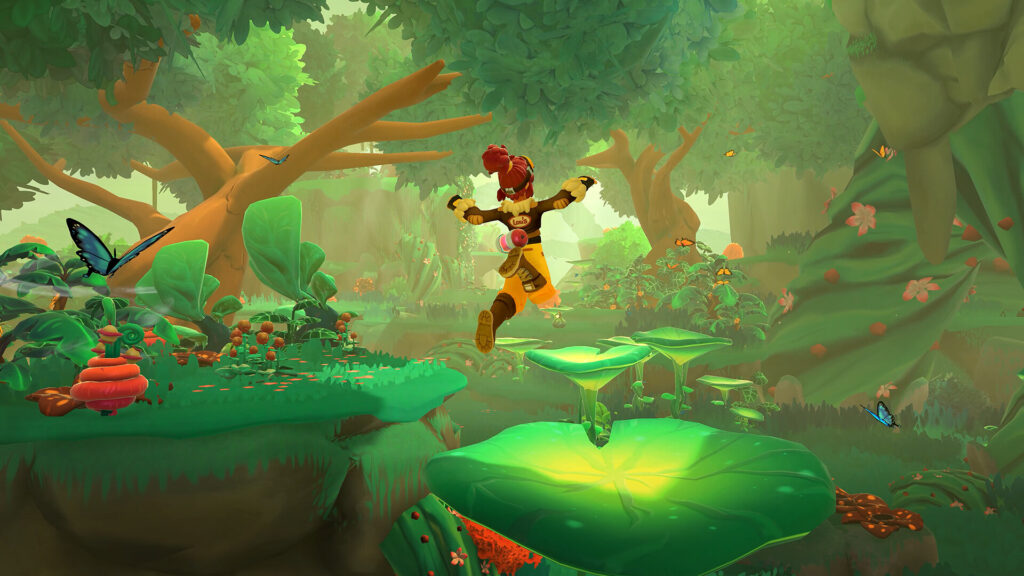
As the global conversation around climate change intensifies, we are seeing a rise in "Eco-Games." Lou’s Lagoon handles this theme without being preachy. By gamifying the act of cleaning a beach and showing the immediate visual rewards of doing so (vibrant corals returning, animals coming back), the game provides a sense of agency that is often missing in real-world environmental discussions.
The Viability of Non-Combat Open Worlds
Traditionally, open-world games rely on combat to fill the space between objectives. Lou’s Lagoon joins a small but prestigious group of games (like Sable or A Short Hike) that prove exploration and social interaction are sufficient to carry a 20+ hour experience. This opens the door for more developers to experiment with peaceful open-world designs.
Conclusion
Lou’s Lagoon is more than just a game about flying a plane; it is a digital sanctuary. By combining the technical joy of flight with the moral satisfaction of restoration, Tiny Roar has created an experience that resonates on multiple levels. Whether you are a fan of flight sims looking for a change of pace, or a cozy gamer looking for a new world to inhabit, Lou’s Lagoon offers a sky full of possibilities. As players continue to download the title on Steam, the legacy of Uncle Lou—and the archipelago he loved—seems to be in very good hands.