Esoterica Engine: A Deep Dive into a C++ Game Development Sandbox for the Technically Ambitious
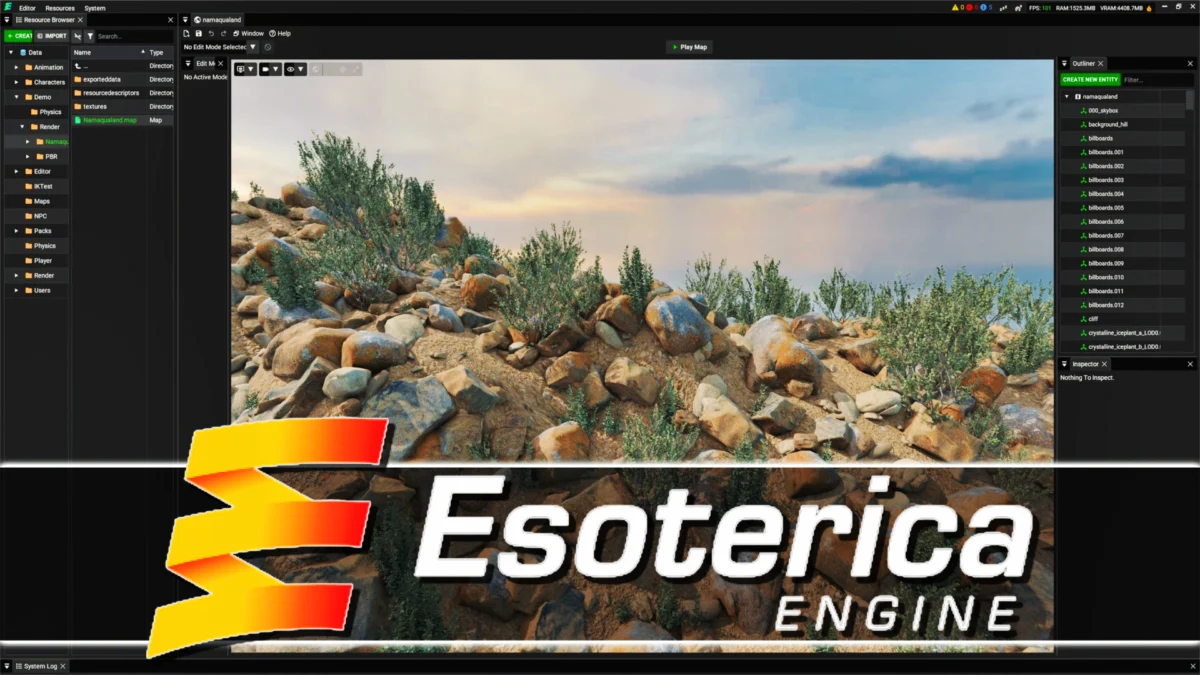
Esoterica Engine, a new C++ game engine developed by seasoned industry professionals, is not designed for the faint of heart or the beginner game developer. Instead, it positions itself as a powerful, open-source sandbox for technical teams and individuals seeking to dissect, extend, and build upon the fundamental architecture of a game engine. This article explores the engine’s core philosophy, its features, and its intended audience, offering a comprehensive overview for those looking to delve into the intricacies of game development.
The Genesis of Esoterica: A Technical Foundation for Exploration
The name itself, "Esoterica," serves as a clear indicator of the engine’s specialized nature. It is not an "off-the-shelf" solution meant for rapid prototyping or immediate production deployment. Instead, Esoterica is meticulously crafted for technical teams with a deep understanding of C++ and a desire to customize and expand its capabilities. This deliberate design choice is explicitly stated in the engine’s GitHub repository: "We need to be clear that Esoterica is NOT an off the shelf game engine that you can just take and work with. It is intended for technical teams that have the ability to extend and build upon it."
This philosophy positions Esoterica as an invaluable resource for several key groups within the game development community. Firstly, it is an exceptional learning tool for aspiring engine programmers. By examining Esoterica’s source code, developers can gain firsthand insight into how a modern game engine functions under the hood, from rendering pipelines to memory management. Secondly, it serves as a robust foundation for studios or independent developers who require a highly tailored engine. Rather than building an entire engine from scratch, they can leverage Esoterica’s existing architecture and extend it to meet their specific project needs. Finally, for researchers and academics, Esoterica offers a platform for experimentation and the development of new game development technologies.
The engine is the brainchild of Bobby Anguelov, a Steam employee with a significant track record in game development, and features a cutting-edge renderer developed by Kirill Bazhenov, another accomplished game developer credited with several shipped titles. This pedigree of experience lends significant weight to Esoterica’s technical prowess and its potential as a serious development tool for those who can harness its power.
A Chronological Perspective: The Evolution of Esoterica
While the provided content doesn’t offer a detailed chronological history of Esoterica’s development, its existence as an open-source project implies a period of iterative design and refinement. The core team’s experience in the industry suggests that the engine’s architecture likely draws upon lessons learned from previous AAA game development cycles. The decision to make it open-source indicates a commitment to transparency and community collaboration, allowing for external contributions and bug reporting to accelerate its evolution.
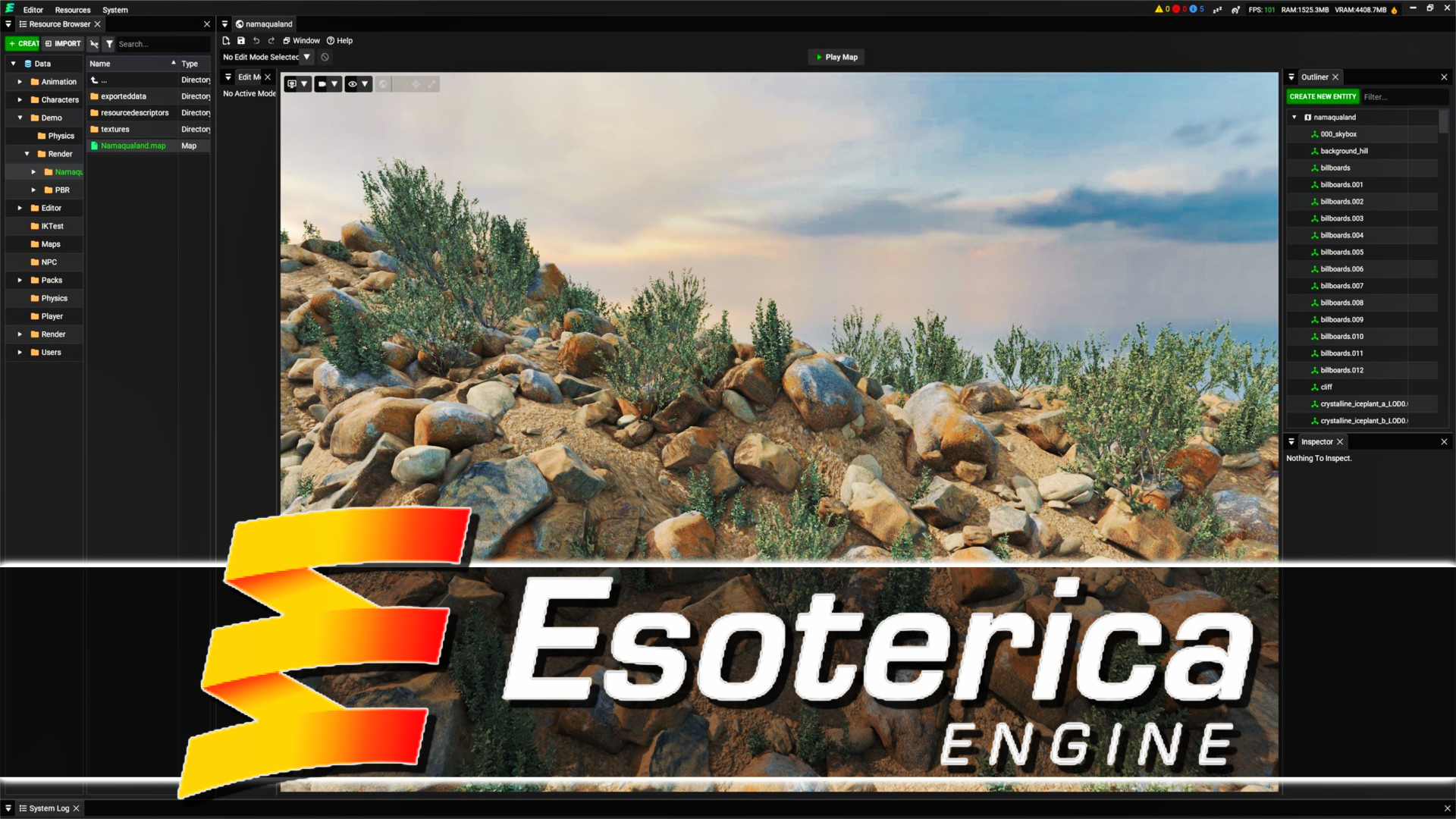
The availability of a homepage (esotericaengine.com) and a dedicated GitHub repository signifies a mature stage of development, where the engine is stable enough to be shared with a wider audience. The inclusion of a video showcasing the editor in action further suggests that the development team is actively engaged in demonstrating the engine’s capabilities and attracting interested users. Future development will likely focus on expanding its feature set, improving documentation, and fostering a community around the project.
Unpacking the Features: What Esoterica Offers
Esoterica Engine is not just a conceptual framework; it is a fully functional C++ game engine with a suite of features designed to facilitate complex game development. While the provided text highlights several key areas, a deeper exploration reveals the engine’s architectural strengths:
Core Architecture and Performance
- C++ Based: Esoterica’s foundation in C++ ensures maximum performance and control, essential for demanding game applications. This allows developers to optimize every aspect of their game, from rendering to physics.
- Modern Rendering Pipeline: The engine boasts a sophisticated renderer developed by Kirill Bazhenov, indicating a focus on high-fidelity visuals and efficient rendering techniques. While specific details are not elaborated, the involvement of an experienced renderer developer suggests support for modern graphics APIs and advanced rendering features.
- Memory Management: A robust memory management system is crucial for performance, especially in large-scale game projects. Esoterica’s C++ nature allows for fine-grained control over memory allocation and deallocation, minimizing overhead and preventing common issues like memory leaks.
- Cross-Platform Potential: While not explicitly stated, C++ engines often possess inherent cross-platform capabilities, allowing for deployment across various operating systems and potentially consoles with appropriate adaptation.
Development Tools and Workflow
- Integrated Editor: The presence of an integrated editor, as hinted at by the promotional video, is a significant advantage. This allows developers to visually design levels, manage assets, and script game logic without needing to switch between multiple applications. The editor’s functionality likely includes scene management, object placement, property editing, and potentially visual scripting tools.
- Asset Pipeline: A well-defined asset pipeline is essential for importing, managing, and optimizing game assets such as 3D models, textures, and audio files. Esoterica’s engine likely includes tools to streamline this process, ensuring efficient integration of art and sound into the game.
- Scripting Capabilities: While the engine is C++ based, it likely offers scripting capabilities to allow for faster iteration on game logic and AI. This could be through an embedded scripting language or a robust C++ API for custom scripting.
- Debugging and Profiling Tools: For a technically oriented engine, integrated debugging and profiling tools are indispensable. These tools enable developers to identify and resolve bugs efficiently, as well as optimize performance bottlenecks.
Advanced Functionality
- Physics Engine Integration: Modern games rely heavily on realistic physics simulations. Esoterica likely integrates a physics engine to handle collision detection, rigid body dynamics, and other physical interactions, contributing to a more immersive gameplay experience.
- Animation System: A capable animation system is crucial for bringing characters and objects to life. Esoterica’s engine would likely support various animation techniques, including skeletal animation, blend shapes, and potentially procedural animation.
- Audio Engine: Immersive sound design is a vital component of game development. The engine would typically include an audio engine for managing sound playback, spatial audio, and audio effects.
- Networking Capabilities: For multiplayer games, robust networking support is paramount. Esoterica may offer features for handling client-server communication, synchronization, and network optimization.
Supporting Data: The Value of Open Source and Technical Depth
The decision to open-source Esoterica Engine provides a wealth of supporting data for its potential users. The GitHub repository serves as a living testament to the engine’s development, showcasing:
- Source Code Accessibility: The entirety of the engine’s source code is available for inspection, allowing developers to understand its inner workings, identify potential optimizations, and even contribute to its development. This transparency is a cornerstone of open-source projects and fosters trust among users.
- Issue Tracking and Discussions: The GitHub platform facilitates bug reporting, feature requests, and community discussions. This provides valuable insights into the engine’s current status, known issues, and the direction of future development.
- Community Contributions: As an open-source project, Esoterica has the potential to benefit from contributions from a global community of developers. This can lead to a more robust and feature-rich engine than what a single development team could achieve alone.
- Demonstrative Media: The promotional video offers a visual glimpse into the engine’s editor and its capabilities. This provides concrete evidence of the engine’s functionality and helps potential users assess its suitability for their needs.
The fact that Bobby Anguelov and Kirill Bazhenov, experienced game developers with shipped titles, are behind this project lends significant credibility. Their practical knowledge of the game development pipeline and the challenges faced by technical teams is likely reflected in the engine’s design and feature set.
Official Responses and Community Engagement
The primary official response regarding Esoterica Engine comes from its developers through the explicit statements on its GitHub repository and the information disseminated via its homepage. The core message is one of clarity and expectation setting: this is not a beginner-friendly tool. This directness is a crucial aspect of responsible open-source development, ensuring that users understand the engine’s intended purpose and their own responsibilities as users.

The existence of a dedicated homepage and the promotional video suggest an active effort to engage with the developer community. While there might not be formal press releases or extensive marketing campaigns, the accessibility of the source code and the clear communication of the engine’s philosophy serve as the primary modes of interaction. Future engagement will likely depend on the engine’s adoption and the growth of its community. Encouraging contributions, providing support through forums or Discord channels, and regularly updating the project are all key aspects of fostering a thriving open-source ecosystem.
Implications for the Game Development Landscape
The emergence of engines like Esoterica has significant implications for the broader game development landscape:
- Democratization of Engine Technology: While Esoterica is not for beginners, its open-source nature makes advanced engine technology accessible to a wider range of technical teams. This can foster innovation and lead to the creation of more diverse and unique gaming experiences.
- Focus on Specialization: As the industry matures, there is a growing need for specialized tools. Esoterica caters to the niche of developers who require deep control and customization, empowering them to build engines that perfectly suit their specific project requirements.
- Educational Value: For universities and vocational training programs, Esoterica can serve as an invaluable educational resource, providing students with hands-on experience with real-world engine architecture.
- Potential for Indie Innovation: While AAA studios often develop their own proprietary engines, independent developers with strong technical teams can leverage Esoterica as a powerful starting point, potentially competing with larger entities by focusing on innovative gameplay and unique technical solutions.
- Contribution to Open Source Ecosystem: The success of Esoterica could inspire further open-source engine development, fostering a collaborative environment where developers can share and build upon each other’s work, ultimately benefiting the entire industry.
In conclusion, Esoterica Engine represents a deliberate and powerful offering for a specific segment of the game development community. Its C++ foundation, focus on technical control, and open-source nature make it a compelling choice for teams and individuals looking to push the boundaries of game engine technology, experiment with novel approaches, or gain a profound understanding of the intricate systems that power modern video games. While it demands a significant technical investment, the potential rewards in terms of control, customization, and learning are substantial.