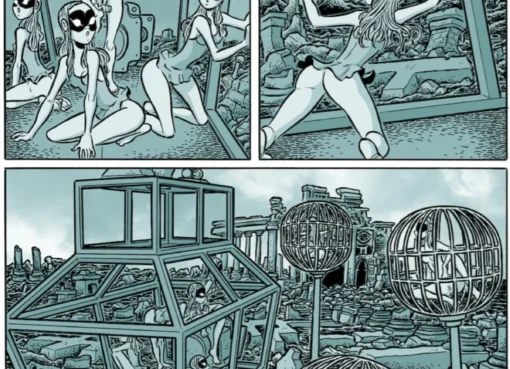
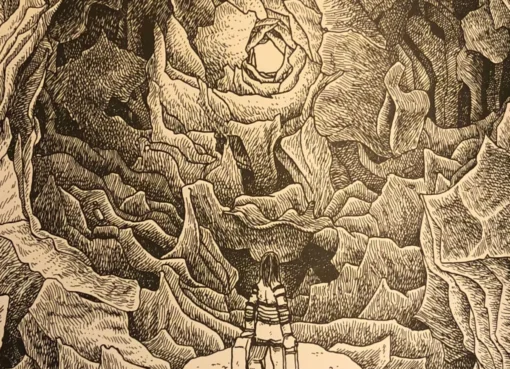
Between Myth and Modernity: Analyzing Ferry Gouw’s ‘Limbo’ and the New Frontier of Graphic Narrative
The landscape of contemporary graphic literature is undergoing a seismic shift, moving away from traditional superhero tropes and toward deeply atmospheric, socio-political explorations of identity and history. At the forefront of this movement is Ferry Gouw, whose latest graphic novel, Limbo, published by the prestigious Breakdown Press, has recently been spotlighted by The Comics Journal. This work represents more than just a new entry into the medium; it is a sophisticated rumination on the lingering shadows of colonialism, the weight of folklore, and the volatile nature of political change.
Main Facts: The Narrative Core of ‘Limbo’
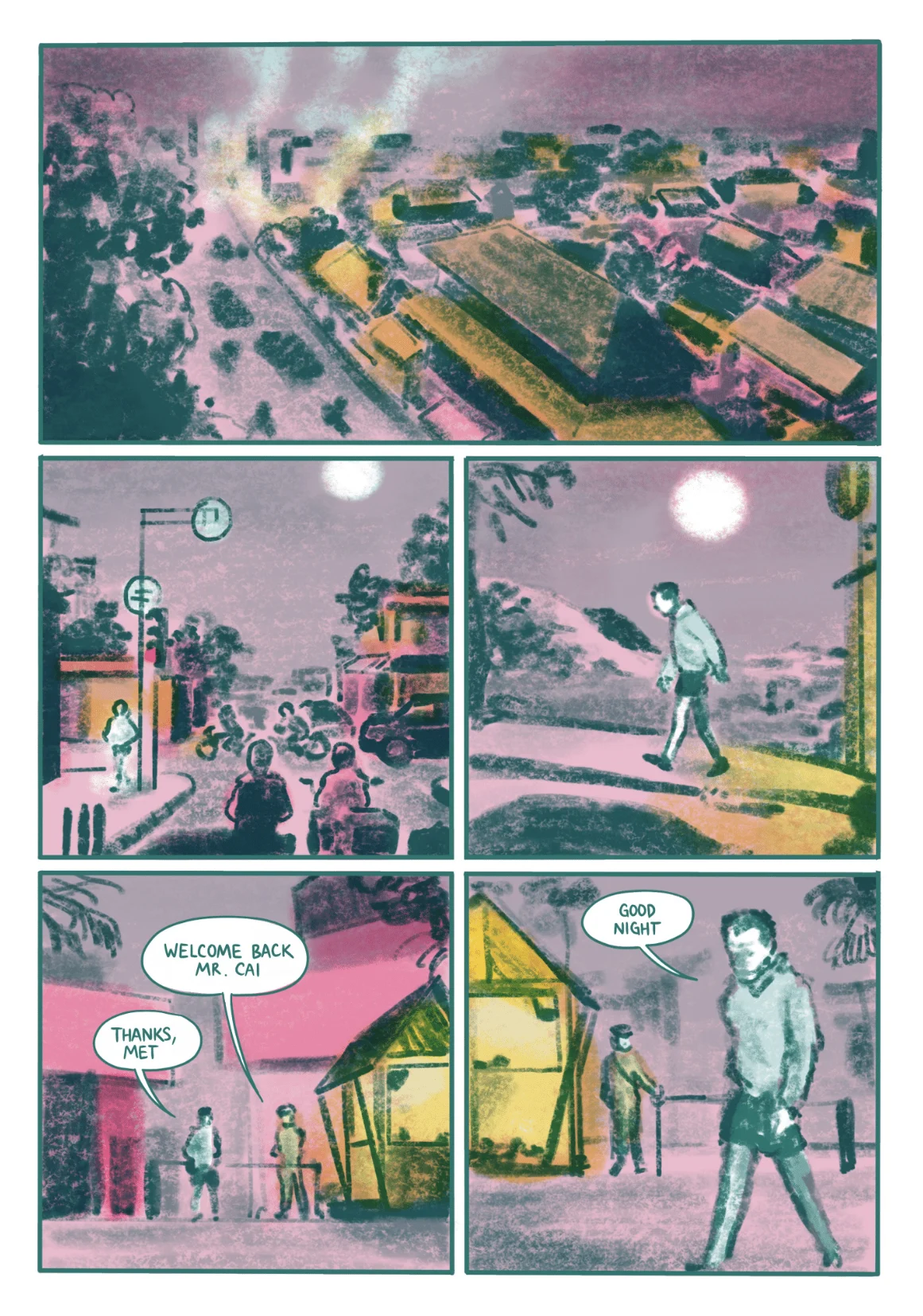
Limbo is set against the backdrop of an unnamed country simmering with the heat of an imminent uprising. The story follows two central figures: Cai, an expatriate sculptor participating in an elite arts residency at an upscale resort, and Lisa, a local woman working as his aide. The plot is set in motion by a seemingly mundane decision—going for a run alone after dark—which serves as the catalyst for a series of events that entwine the characters in the country’s turbulent political and spiritual fabric.
The work is characterized by its striking visual language. Gouw employs a "luminous, glowing color" palette that contrasts earthly oranges and yellows with jarring "electric pinks." This aesthetic choice is not merely decorative; it serves to highlight the friction between the natural world (represented by folklore and traditional tones) and the artificiality of the modern, colonial-influenced state (represented by the neon hues of fireworks and resort life).
Published by Breakdown Press, a London-based house known for its commitment to avant-garde and high-art comics, Limbo arrives at a time when the graphic novel is increasingly recognized as a primary vehicle for complex post-colonial discourse. The book is currently available for "dog lovers everywhere," a playful nod from the editors that hints at the story’s underlying warmth despite its heavy themes.
Chronology: From Conception to Publication
The journey of Limbo to the shelves of bookstores in August 2026 is the culmination of years of artistic evolution for Ferry Gouw. To understand the timeline of this work, one must look at the trajectory of both the author and the publisher.
- The Artistic Genesis (Pre-2024): Ferry Gouw, largely known for his iconic visual work with the musical project Major Lazer, began transitioning his focus toward long-form narrative. His background in illustration and art direction provided the foundation for the unique color theory seen in Limbo.
- The Residency Concept (2024-2025): The narrative of Limbo draws heavily from the concept of the "arts residency"—a space where Western high culture often intersects with local labor and indigenous landscapes. During this period, Gouw developed the characters of Cai and Lisa, exploring the power dynamics inherent in their professional relationship.
- The Breakdown Press Partnership (Early 2026): Breakdown Press, having established itself as a leader in the "British New Wave" of comics, acquired the rights to Limbo. The publisher’s focus on high-quality production values ensured that Gouw’s specific color palette would be reproduced with the necessary vibrancy.
- The Official Release (August 14, 2026): The Comics Journal (TCJ) released an exclusive excerpt, signaling the book’s official entry into the critical spotlight. The release was timed to coincide with a broader industry push for diverse, internationalist perspectives in the graphic medium.
Supporting Data: The Intersection of Folklore and Post-Colonialism
To appreciate the depth of Limbo, it is essential to examine the "supporting data" of its thematic influences. The book operates on three distinct levels of analysis: the sociological, the mythological, and the visual.
The Sociological Layer: The Insidious Coiling of Colonialism
The publisher’s description highlights the "insidious coiling of colonialism." In the context of Limbo, this is represented by the "upscale resort" where the protagonist, Cai, resides. The resort serves as a microcosm of colonial history—a gated community of wealth and "high art" surrounded by a local population on the brink of revolution. The data suggests that Gouw is using the setting to explore how colonial structures do not disappear after independence but rather "coil" into new forms of economic and cultural hegemony.
The Mythological Layer: Folklore as Resistance
A recurring theme in Limbo is the idea that "myth rises in the shadow of politics." Folklore is often treated in modern literature as a relic of the past, but Gouw positions it as a living, breathing force. In countries with colonial histories, folklore often serves as a repository of indigenous identity that survives despite external suppression. By intertwining the "bright lights of festive fireworks" with the "hidden truth of folklore," Gouw suggests that the spiritual world of the unnamed country is just as active and volatile as its political world.
The Visual Data: Chromatic Dissonance
The color palette of Limbo provides quantifiable data regarding the book’s emotional intent. The use of "earthly orange and yellow" evokes a sense of heat, humidity, and the physical land. In contrast, the "electric pink" represents the intrusion of modernity and the "shadow of politics." This chromatic dissonance creates a visual "limbo" for the reader, mirroring the characters’ state of being caught between two worlds.
Official Responses: Publisher and Critical Reception
The reception of Limbo has been marked by a high degree of critical anticipation. Breakdown Press has been vocal about the book’s significance, stating that it is a "compelling rumination on belonging" and a work that "demands to be read." The publisher’s enthusiasm stems from Gouw’s ability to marry "high art" sensibilities with a narrative that is accessible yet intellectually demanding.
The Comics Journal, arguably the most influential critical voice in the industry, has framed the book as a "soft-featured story" that "hovers over shadowed conversations." This description suggests a narrative style that is subtle and atmospheric, prioritizing mood and subtext over traditional action-oriented storytelling.
Early reviews from the comic book community have praised Gouw’s "luminous" art style. Critics have noted that while the book deals with "imminent uprising" and "political disorder," it does so with a "warm palette," creating a unique reading experience where the beauty of the art contrasts with the tension of the plot. This "curving disorder," as TCJ describes it, has become a hallmark of Gouw’s narrative voice.
Implications: The Future of the Graphic Novel
The publication of Limbo has several significant implications for the future of the graphic novel industry and the broader cultural conversation.
1. The Rise of the "Global Graphic Novel"
Limbo contributes to the growing genre of the "global graphic novel"—works that are not tied to a specific Western tradition but instead draw from a variety of international influences. By setting the story in an "unnamed country," Gouw allows the themes of revolution and folklore to resonate across different cultures, from Southeast Asia to South America. This universality makes the work a potent tool for cross-cultural empathy.
2. Redefining the Role of Color in Narrative
Gouw’s use of color in Limbo challenges the traditional role of coloring in comics. Often, color is used to fill in the lines or provide a sense of realism. In Limbo, color is a narrative character in itself. It dictates the rhythm of the story and signals the shift between the mundane and the mythic. This may encourage other creators to experiment more boldly with non-naturalistic color palettes to convey complex emotional states.
3. The Graphic Novel as a Political Tool
As traditional journalism faces challenges in certain political climates, the graphic novel has emerged as a safe yet powerful space for political commentary. Limbo demonstrates how fiction and folklore can be used to discuss the "insidious coiling of colonialism" without the constraints of a purely historical or journalistic text. It allows for a more visceral, emotional understanding of what it feels like to live in a society on the verge of collapse.
4. Supporting Independent Publishing
The success of Limbo further cements Breakdown Press’s reputation as a vital incubator for innovative talent. It highlights the importance of independent publishers who are willing to take risks on works that do not fit into the commercial mainstream. For the industry to thrive, the continued support of such houses is essential, as they provide the "light to stories that remain unseen."
Conclusion: Finding Light in the Shadow
Ferry Gouw’s Limbo is a testament to the power of the graphic medium to explore the deepest corners of the human experience. Through its masterful blend of glowing aesthetics and heavy socio-political themes, it offers a window into a world where the past and future are in constant, vibrant conflict. As Cai and Lisa navigate the "complex series of events" in their unnamed home, readers are invited to reflect on their own sense of belonging and the "hidden truths" that shape their own societies.
In an era of rapid political change and cultural shifting, Limbo serves as a reminder that even in the heat of an uprising, there is a "warm palette" of humanity to be found. It is a work that does not provide easy answers but instead demands that we look closer at the shadows, for it is there that the most important stories are often waiting to be told. Breakdown Press and Ferry Gouw have delivered a definitive work for 2026, one that will undoubtedly influence the trajectory of graphic storytelling for years to come.