Andrew Johnson: The Tailor President Who Divided a Nation in Reconstruction’s Crucible
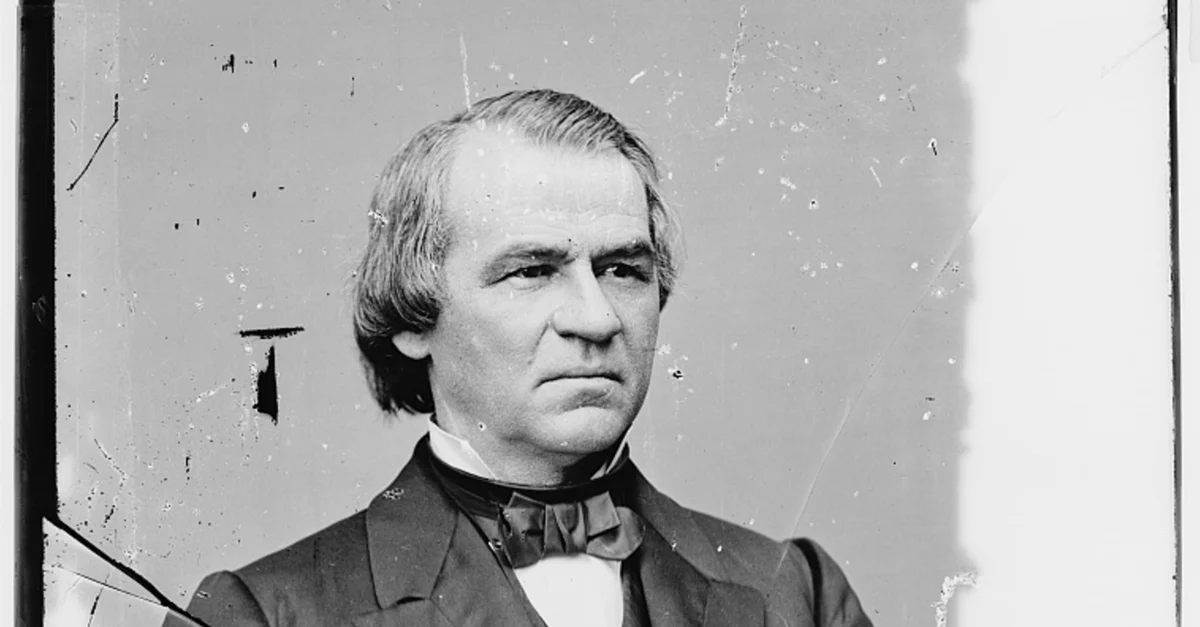
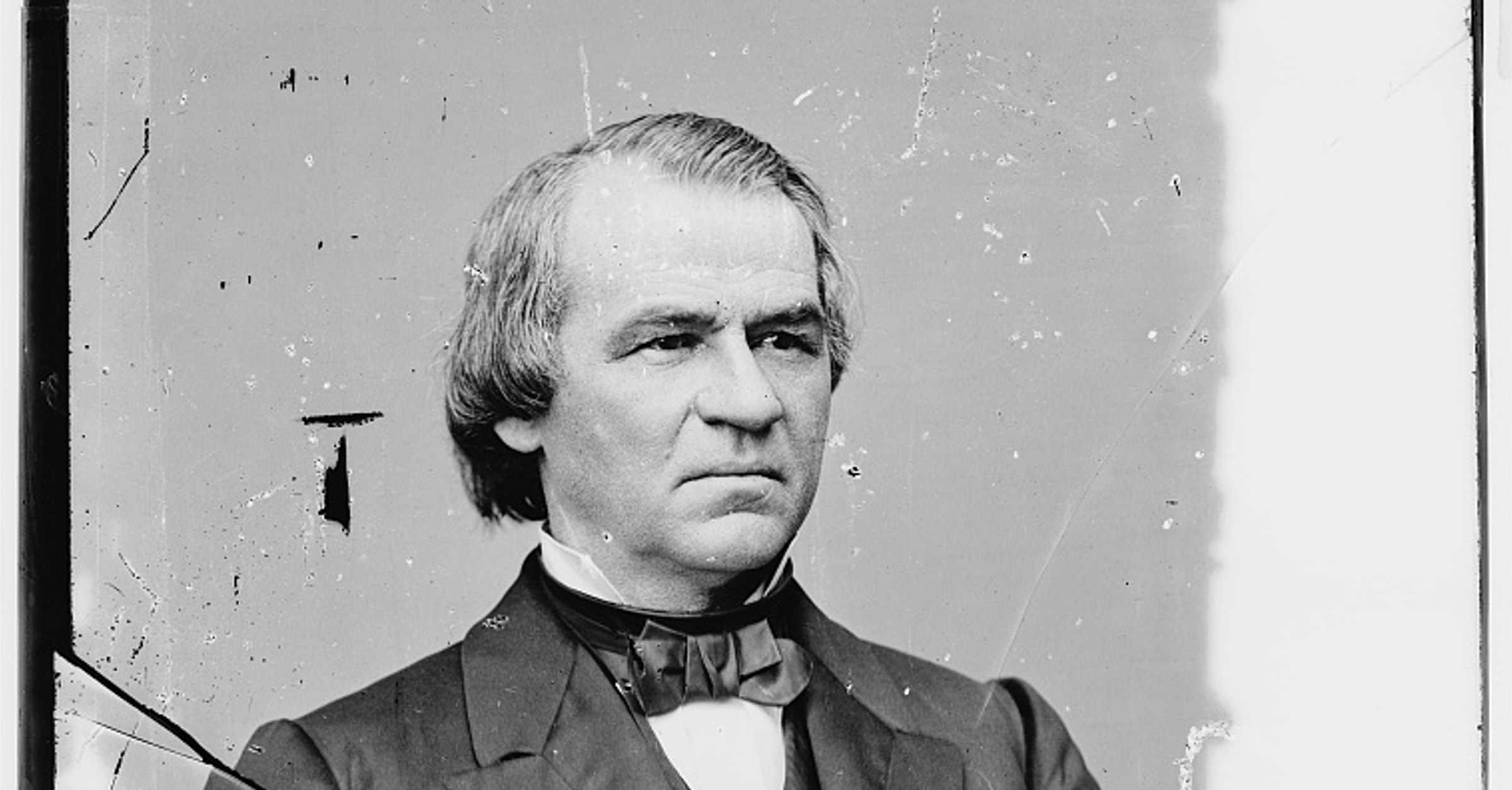
Washington D.C., USA – Andrew Johnson, the 17th President of the United States, holds a singular and often controversial place in American history. Thrust into the nation’s highest office in April 1865 following the shocking assassination of Abraham Lincoln, Johnson inherited a country fractured by civil war and grappling with the monumental task of Reconstruction. His tenure, however, was defined not by national healing but by an unprecedented constitutional crisis that saw him become the first U.S. president to be impeached, a gruff Southern Democrat whose vision for a swift, lenient Reconstruction directly collided with the punitive and egalitarian aims of the Radical Republicans in Congress. Surviving impeachment by a single vote, Johnson’s presidency is widely regarded as a period of profound missteps, leaving a legacy that continues to spark debate about leadership, racial justice, and the balance of power during one of America’s most critical junctures.
I. Main Facts: A Collision Course with History
Andrew Johnson’s ascent to the presidency was an accident of fate, yet his subsequent actions were deliberate, setting the stage for a dramatic confrontation with the legislative branch.
- Who: Andrew Johnson (1808-1875), 17th President of the United States.
- What: Rose from humble beginnings to the vice presidency, then presidency. His primary challenge was overseeing Reconstruction after the Civil War. His approach, known as "Presidential Reconstruction," emphasized leniency towards former Confederate states and resisted federal intervention in Southern society, particularly regarding the rights of newly freed African Americans. This stance put him in direct opposition to the Republican-controlled Congress, leading to a profound constitutional struggle.
- When: Presidency from April 15, 1865, to March 4, 1869. The period of conflict with Congress, known as "Radical Reconstruction," intensified from late 1865 through his impeachment trial in 1868.
- Where: Primarily Washington D.C., though his policies profoundly impacted the former Confederate states.
- Why: Johnson, a Southern Unionist Democrat, believed in states’ rights and a rapid reintegration of the Southern states without significant federal oversight of civil rights for freedpeople. He saw the Radical Republicans’ push for federal protection of Black civil rights and punishment of former Confederates as an overreach of federal power and a betrayal of constitutional principles. This ideological clash, coupled with his confrontational personality, made compromise impossible.
- Key Outcome: His policies emboldened Southern states to enact "Black Codes," severely restricting African American freedoms. The ensuing conflict with Congress culminated in his impeachment by the House of Representatives for violating the Tenure of Office Act. Though acquitted by the Senate, his political effectiveness was shattered, and Congress ultimately seized control of Reconstruction, implementing its own more stringent "Radical Reconstruction" agenda. He is consistently ranked among the least effective U.S. presidents, seen by many historians as ill-suited to guide the nation through the complexities of its post-Civil War transformation.
II. Chronology of a Controversial Career
Johnson’s journey from impoverished tailor to the nation’s highest office is a testament to American social mobility, yet his inability to adapt to the political currents of his time ultimately defined his legacy.
A. Humble Origins and Political Ascent
Born in Raleigh, North Carolina, on December 29, 1808, Andrew Johnson’s early life was a stark illustration of grinding poverty. His father, Jacob Johnson, a poor and illiterate hotel porter, died when Andrew was just three, leaving his widowed mother, Mary ‘Polly’ McDonough, to raise two sons as a washerwoman. This difficult start fueled a lifelong ambition and a deep-seated identification with the "common man." As one acquaintance vividly recalled, Johnson’s life was "one intense, unceasing, desperate upward struggle."
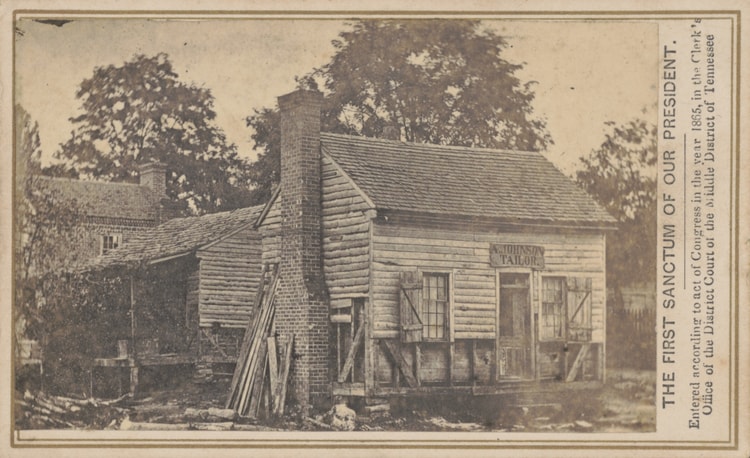
Apprenticed as a tailor at 14, Johnson’s formal education was minimal. However, his intellectual curiosity was ignited by neighbors who would read to the apprentices in the shop. This sparked a "lifetime love of reading and learning," which he diligently pursued. After breaking his indenture and fleeting with his brother, Johnson eventually settled in Greeneville, Tennessee, where he opened his own tailor’s shop. There, he met and married Eliza McCardle, a shoemaker’s daughter, whose literacy proved invaluable. Eliza became his tutor, helping him master reading, writing, and arithmetic, often reading aloud to him as he worked.
Johnson quickly ingratiated himself into the Greeneville community. His rustic charm, folksy oratory, and self-made narrative resonated with the locals. His tailor shop became a hub for political discourse, and by 1829, at just 21, he was elected alderman. A few years later, he became mayor. His political star continued to rise, securing a seat in the Tennessee House of Representatives in 1835. During his eight years in state politics, Johnson cultivated a reputation as a champion of the poor, mechanics, artisans, and rural farmers, aligning himself with the populist tenets of Jacksonian Democracy.
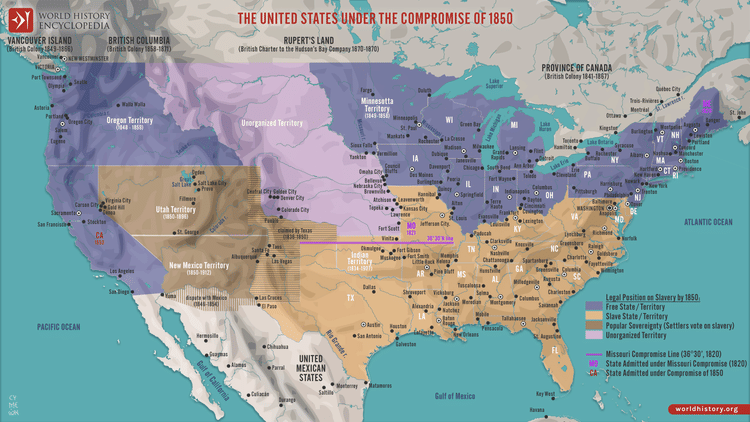
In 1843, Johnson transitioned to national politics, winning election to the U.S. House of Representatives. His wife, Eliza, now battling tuberculosis, remained in Tennessee but continued to be a crucial intellectual partner, aiding in his speechwriting. In Congress, Johnson consistently sided with the Democratic Party, particularly on issues of states’ rights and slavery. As a slaveowner himself – having purchased his first enslaved person, a 14-year-old girl named Dolly, the year he entered Congress – he firmly believed slaves were personal property and that the Constitution prohibited federal interference with slavery. He supported "manifest destiny" and the Mexican-American War, despite his personal disdain for President James K. Polk. While he largely backed the Compromise of 1850, allowing California to enter as a free state, he notably opposed the provision to ban slavery in Washington, D.C. A gerrymandering effort cost him his congressional seat in 1852, but his political career was far from over.
He made a swift comeback, elected governor of Tennessee the following year. Though he found the position largely ceremonial, he used his influence to advocate for public libraries and establish Tennessee’s first public school system. In 1856, he returned to Washington as a U.S. Senator, continuing to uphold Democratic principles, including lower tariffs and opposition to abolitionist measures. As the nation hurtled towards civil war, Johnson, a Southerner and slaveholder, emerged as a staunch Unionist, vehemently opposing secession and blaming Northern abolitionists for the looming crisis in a Senate speech following John Brown’s raid on Harpers Ferry in 1859.
B. Civil War and the Vice Presidency
The election of Abraham Lincoln in 1860 triggered the secession of Southern states. Johnson, horrified by the prospect of disunion, returned to Tennessee in 1861 to campaign against secession. His defiant pro-Union stance in a state that ultimately joined the Confederacy earned him death threats, often forcing him to deliver speeches with a gun on his lectern. Unlike many Southern politicians who sided with their states, Johnson remained loyal to the Union, retaining his seat in the U.S. Senate, a move that solidified his hero status in the North.
His steadfast loyalty led Lincoln to appoint him military governor of Union-occupied Tennessee in March 1862. Johnson worked to suppress Confederate influence, requiring loyalty oaths, shutting down pro-Confederate newspapers, and fortifying Nashville. Despite his Unionism, he was not an abolitionist; he successfully lobbied Lincoln to exempt Tennessee from the Emancipation Proclamation of 1863. However, the realities of war eventually shifted his perspective, and he reluctantly supported the recruitment of former slaves into the Union army, recognizing it as a strategic necessity.
In the pivotal 1864 presidential election, Johnson was selected as Lincoln’s running mate on the "National Union Party" ticket. This strategic choice aimed to broaden Lincoln’s appeal, showcasing national unity by pairing a Republican president with a Southern Unionist Democrat. It was hoped Johnson would assuage moderate Democrats and "Copperheads" who feared Lincoln’s policies were becoming too radical. The Lincoln-Johnson ticket secured a decisive victory, effectively sealing the Confederacy’s fate. Johnson’s inauguration as vice president on March 4, 1865, however, was marred by a public spectacle. Still severely hung over from a celebratory party the night before, he delivered a long, rambling, and incoherent speech that shocked his allies and embarrassed the administration, a foreboding glimpse into his often-unpredictable demeanor.
C. The Storm of Reconstruction
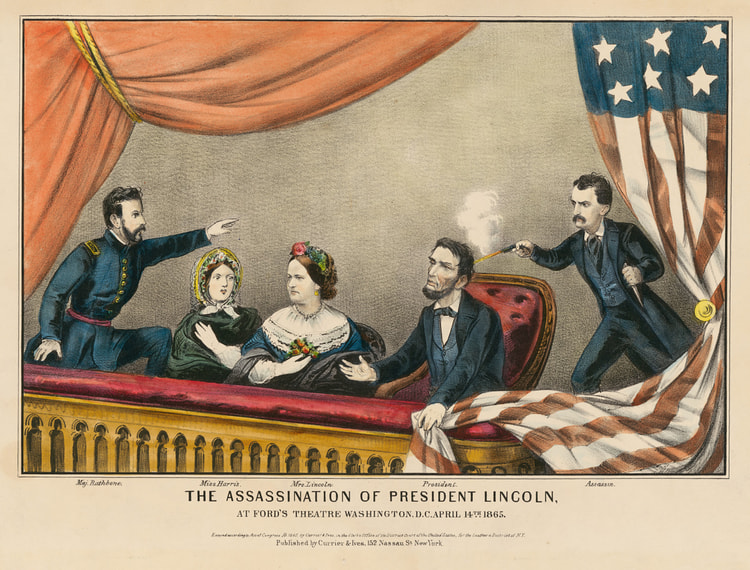
On April 15, 1865, just six weeks after his disastrous inauguration, Johnson was abruptly catapulted into the presidency. Lincoln’s assassination by John Wilkes Booth plunged the nation into mourning and uncertainty. Johnson, who had also been a target in Booth’s conspiracy but escaped unharmed, was sworn in hours after Lincoln’s death. To the surprise of many who had witnessed his inebriated inauguration, Johnson appeared solemn and dignified, initially reassuring his cabinet, which he largely retained from Lincoln’s administration. The Civil War was over, but the monumental task of reuniting and rebuilding the nation now rested squarely on his shoulders.
Initially, many Republicans harbored optimism, believing Johnson, a man who had declared that treason "must be made odious, and traitors must be punished," would carry forth Lincoln’s vision while perhaps being tougher on the South and advocating for freedmen’s rights. However, this optimism quickly dissolved. Johnson’s views on Reconstruction diverged sharply from those of the Radical Republicans in Congress.
Johnson shared Lincoln’s belief that secession was unconstitutional and that Southern states had never truly left the Union. Consequently, he advocated for a rapid, lenient process of reintegration, known as "Presidential Reconstruction." He offered former Confederate states easy paths back into the Union, which notably did not require them to grant suffrage or civil rights to freedpeople. Johnson firmly believed that voting rights were a state matter and that Northern states, many of which still denied Black suffrage, had no moral authority to impose it on the South. He also offered broad amnesty to most ex-Confederates, believing that poor white Southerners had been misled by the wealthy planter aristocracy into rebellion.
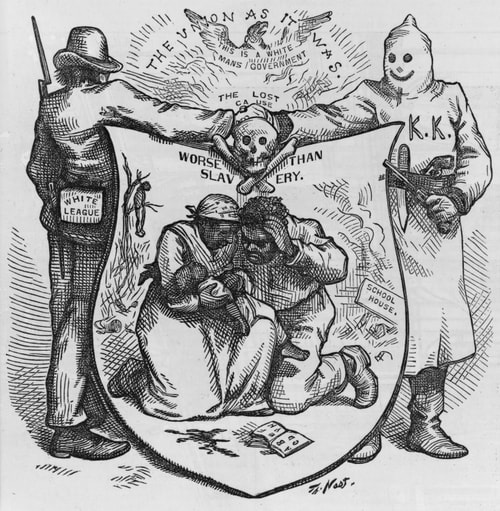
This lenient program deeply angered congressional Republicans, who felt the South needed to be punished and that federal protection was essential for former slaves to transition to freedom. While Congress was out of session until December, Southern states, emboldened by Johnson’s policies, wasted no time. They elected former Confederates to Congress and enacted the notorious "Black Codes" between 1865-1866. These laws, which varied by state, were designed to severely restrict the freedom of movement and economic opportunities for Black Americans, reviving old vagrancy laws to force them into contract labor or face imprisonment – a system many viewed as slavery by another name. During this period, white supremacist terror groups like the Ku Klux Klan also began to emerge, terrorizing Black communities and voters.
When Congress reconvened, Republicans, determined not to squander their Civil War victory, immediately rejected the newly elected Southern congressmen. They established a Joint Committee on Reconstruction and began formulating their own, more stringent plan, later known as "Radical Reconstruction." Johnson, seeing this as an usurpation of presidential authority, retaliated by vetoing two crucial congressional measures aimed at protecting Black liberties: the Civil Rights Act of 1866, which affirmed citizenship for all persons born in the U.S. and guaranteed equal protection under the law, and an extension of the Freedmen’s Bureau Bill, designed to aid former slaves. His vetoes, however, only deepened the partisan chasm, alienating even moderate Republicans. Congress, with overwhelming majorities, overrode both vetoes, making them law. Congress also passed the Fourteenth Amendment to the U.S. Constitution, guaranteeing citizenship and equal protection, which Johnson opposed but could not stop from being ratified.
In response to this congressional defiance, Johnson embarked on a disastrous 18-day speaking tour of the Midwest in the summer of 1866, known as his "swing around the circle." Intending to rally public support against his Radical Republican opponents, Johnson’s folksy style backfired. He delivered self-aggrandizing speeches, at times comparing himself to Jesus, and frequently engaged in undignified arguments with hecklers. The tour was a public relations catastrophe, culminating in a Republican landslide in the 1866 midterm elections, solidifying their control of Congress and signaling a clear public mandate for Radical Reconstruction.
Empowered by their electoral victory, Radical Republicans moved decisively. In January 1867, Thaddeus Stevens introduced legislation to establish martial law in the South, dissolving existing state governments and dividing the region into five military districts. These "Reconstruction Acts," implemented on March 2, 1867, despite Johnson’s pocket veto, marked the formal beginning of Radical Reconstruction, fundamentally altering the course of the post-war era. Ironically, Johnson’s attempts to hasten the end of Reconstruction had only prolonged it and exacerbated the partisan divide.
D. Impeachment and Decline
On the same day they passed the Reconstruction Acts, Congress also passed the Tenure of Office Act. This legislation, explicitly designed to curtail Johnson’s power, restricted the president’s ability to remove certain officeholders without Senate approval. It was a direct response to rumors that Johnson intended to dismiss cabinet members sympathetic to Radical Reconstruction. Feeling his authority eroding, Johnson decided to challenge Congress head-on by firing Secretary of War Edwin M. Stanton, a staunch ally of the Radical Republicans.
This proved to be Johnson’s fatal miscalculation. Rather than calling Congress’s bluff, he walked directly into their trap. The House of Representatives immediately initiated impeachment proceedings, a historic first for the nation. Republicans celebrated the prospect of removing a president they viewed as an obstructionist, while Johnson’s supporters decried it as a congressional power grab threatening the executive branch.
On February 24, 1868, the House voted 128 to 47 to impeach Johnson, alleging he had violated the Tenure of Office Act. The Senate trial commenced on March 5, with Chief Justice Salmon P. Chase presiding. The prosecution argued that Johnson had abused his executive power by firing Stanton and appointing his own replacement without Senate consent. The defense countered that the Tenure of Office Act was unconstitutional, applying only to appointees made by the current administration (Stanton had been appointed by Lincoln), and that a president should be allowed to test the constitutionality of legislation without fear of impeachment. After a tense trial, Johnson was acquitted, surviving conviction by a single vote, falling one short of the two-thirds majority required. Johnson reportedly wept upon hearing the verdict.
Though he retained his office, Johnson’s effectiveness as a leader was irreparably damaged. His reputation was tarnished, and he remained deeply unpopular with the now dominant Radical Republicans in Congress. While still revered by ex-Confederates and poor Southern whites, he failed to secure the Democratic presidential nomination in July 1868.
His remaining months in office were largely spent battling Radical Reconstruction and issuing pardons to former rebels. On Christmas Day 1868, he issued his most sweeping pardon, extending amnesty even to former Confederate President Jefferson Davis. On March 3, 1869, his last day as president, Johnson held a large public reception at the White House, pointedly refusing to attend the inauguration of his successor, Ulysses S. Grant.
After leaving Washington, Johnson returned to Greeneville, Tennessee, where he was initially feted by his community. However, personal tragedy struck with the suicide of his son, Robert, that same year. Restless and seeking to rebuild his tarnished reputation, Johnson plotted a return to national politics. In 1875, he achieved a remarkable comeback, winning election to the U.S. Senate, making him the only former president to serve in the Senate.
By this time, the nation was growing weary of Reconstruction, and public support for military occupation of the South was waning amidst financial scandals and corruption within the Grant administration. The timing seemed ripe for Johnson’s political resurgence. However, fate intervened. On July 31, 1875, just a few months after his return to Washington, Andrew Johnson died of a stroke at the age of 66.
III. Supporting Data: The Fissures of a Fractured Nation
Johnson’s presidency unfolded against a backdrop of deep societal and political fissures. His rise from poverty to power instilled in him a strong anti-aristocratic, pro-common man ethos, which paradoxically led him to defend the rights of white Southerners while neglecting the plight of newly freed African Americans.
The ideological chasm between Johnson and the Radical Republicans was profound. Johnson viewed Reconstruction through a narrow, constitutional lens, emphasizing states’ rights and presidential authority in restoring the Union. He saw the war’s purpose as preserving the Union, not fundamentally transforming Southern society or ensuring racial equality. In contrast, Radical Republicans, galvanized by the moral imperative of emancipation and the sacrifices of the war, believed the federal government had a duty to protect freedmen, reconstruct Southern institutions, and ensure the war’s outcome was not undermined by former Confederates.
The Black Codes, enacted by Southern states under Johnson’s lenient policies, served as stark evidence of this ideological clash. These laws, such as those in Mississippi which required Black residents to have written proof of employment and prohibited them from assembling without white presence, were seen by Republicans as an insidious attempt to re-establish slavery. The rise of the Ku Klux Klan and other white supremacist groups further highlighted the precarious position of freedpeople, illustrating the urgent need for federal protection that Johnson resisted.
The legislative battles were equally intense. Johnson’s vetoes of the Civil Rights Act of 1866 and the Freedmen’s Bureau Bill were significant. The Civil Rights Act, in particular, was revolutionary, establishing the principle of birthright citizenship and federal protection against state-level discrimination – concepts later enshrined in the 14th Amendment. Johnson argued these acts were unconstitutional overreaches, but Congress, with its two-thirds majority, overrode him, demonstrating the executive’s weakened position.
His "swing around the circle" offered a raw look at his political style. Instead of unifying the nation, his confrontational speeches, often delivered while intoxicated, and his undignified exchanges with hecklers, only alienated potential allies and solidified public opinion against him. This tour, intended to be a populist appeal, instead became a symbol of his intemperance and political ineptitude.
IV. Official Responses: A Constitutional Crisis Unfolds
The official responses to Johnson’s policies and actions illustrate the unprecedented constitutional crisis that defined his presidency.
Johnson consistently used his executive powers to shape Reconstruction according to his vision. His "Proclamation of Amnesty and Reconstruction" in May 1865 offered pardons to most former Confederates, requiring only an oath of allegiance, and set minimal requirements for readmission to the Union. He issued numerous executive orders throughout his term, often directly countermanding military commanders in the South who were implementing aspects of congressional Reconstruction. His most direct challenges to Congress came in the form of his vetoes. He vetoed 29 bills during his presidency, more than any president before him, including those vital to Radical Reconstruction. His consistent reasoning was that these acts were unconstitutional infringements on states’ rights and presidential authority.
Congress, however, was resolute. Empowered by its overwhelming Republican majorities, it systematically countered Johnson’s executive actions. They refused to seat Southern delegates elected under Johnson’s plan, established the Joint Committee on Reconstruction, and then passed landmark legislation like the Civil Rights Act of 1866, the Freedmen’s Bureau Bill, and the Reconstruction Acts of 1867 – all over Johnson’s vetoes. These overrides were powerful statements of congressional intent and legislative supremacy in the face of executive obstruction. The passage of the 14th Amendment, explicitly designed to secure the rights of freedmen and limit the power of former Confederates, was another direct rebuke to Johnson’s lenient approach.
The impeachment trial itself was a highly formalized and charged process. The House of Representatives drafted 11 articles of impeachment, primarily centered on Johnson’s alleged violation of the Tenure of Office Act and his attacks on Congress. In the Senate trial, Chief Justice Salmon P. Chase presided with a delicate balance, maintaining decorum while the prosecution, led by prominent Radical Republicans, argued that Johnson’s actions constituted "high crimes and misdemeanors" and demonstrated an abuse of power. The defense argued that Johnson was merely testing the constitutionality of a dubious law and that his removal would set a dangerous precedent, undermining the independence of the executive branch. The single vote separating conviction from acquittal underscored the profound division within the nation and the high stakes of the constitutional battle.
Within Johnson’s own cabinet, there were deep divisions. Secretary of War Edwin M. Stanton, a Lincoln appointee and a Radical Republican, became a symbol of congressional resistance within the executive branch. His defiance of Johnson’s authority and Johnson’s subsequent attempt to remove him were the direct catalysts for the impeachment proceedings, turning an internal cabinet dispute into a national constitutional crisis.
V. Implications: A Legacy of Missed Opportunities and Enduring Debate
Andrew Johnson’s presidency left an indelible mark on American history, with far-reaching implications for presidential power, the course of Reconstruction, and the struggle for civil rights.
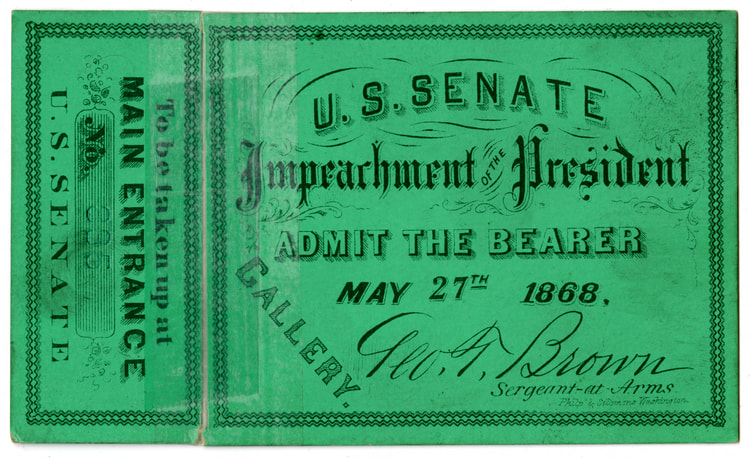
The impeachment trial, though resulting in acquittal, profoundly reshaped the balance of power between the executive and legislative branches. While Johnson remained in office, his authority was severely diminished, making him a lame-duck president for the remainder of his term. The trial set a crucial precedent: while presidents could be impeached for high crimes and misdemeanors, the bar for removal from office was exceptionally high, requiring a broad consensus that transcended purely political differences. It affirmed the principle that impeachment should be reserved for grave abuses of power, rather than mere policy disagreements.
Johnson’s conflict with Congress undeniably hindered the effectiveness of Reconstruction. His lenient policies allowed Southern states to quickly re-establish white supremacist control through the Black Codes and the rise of terror groups. This early obstruction meant that when Radical Reconstruction finally gained momentum, it faced deeply entrenched resistance, making its goals of racial equality and democratic reform far more challenging to achieve. Historians often argue that Johnson squandered a crucial opportunity to firmly establish civil rights for African Americans in the immediate aftermath of the war, leading to a long and painful struggle for equality that would stretch for another century.
His legacy concerning civil rights is particularly damning. His consistent opposition to federal intervention to protect freedpeople, his dismissive attitude towards Black suffrage, and his ultimate pardoning of Confederate leaders are seen as direct impediments to justice and reconciliation. The "unfulfilled promise of Reconstruction" is often linked to Johnson’s early actions, which allowed the South to reconstruct itself on a foundation that perpetuated racial hierarchy, albeit without chattel slavery.
Andrew Johnson is consistently ranked by historians as one of the worst U.S. presidents. This judgment is not merely based on his impeachment but on his perceived failure of leadership during a critical period of national transformation. He is often criticized for his lack of political acumen, his confrontational style, his inability to compromise, and his stubborn adherence to principles that were out of step with the prevailing sentiment for justice and reform after the Civil War. His personal character, including his temper and occasional public intoxication, further diminished his standing.
Yet, some historians offer a more nuanced view, acknowledging the immense pressure he faced and arguing that he genuinely believed his actions were constitutional and aimed at national healing. They point to his unwavering Unionism during the war as a testament to his patriotism. Nevertheless, the overwhelming consensus remains that his inflexibility and racist views profoundly damaged the prospects for a more equitable and successful Reconstruction, leaving a legacy of division and missed opportunities that continue to resonate in discussions about race, power, and national identity in America.