Marvel Tokon: Fighting Souls – A Surprising Entry into the Superhero Fighting Arena
For many, the allure of a fighting game lies in its intricate mechanics, demanding precision, and the thrill of mastering complex combos. However, for those less initiated into the genre, these games can often feel like an impenetrable fortress of specialized knowledge. This review delves into Marvel Tokon: Fighting Souls, a title that, despite its initial intimidating facade, manages to forge a surprisingly accessible and engaging experience, even for a seasoned reviewer who admits to being a relative newcomer to the fighting game scene.
The Unlikely Fighter: A Reviewer’s Perspective
Approaching a fighting game review is, admittedly, a venture outside my usual comfort zone. While I possess a deep appreciation for the genre’s strategic depth and its undeniable appeal as a spectator sport, my personal experience playing these titles has often been met with a steep learning curve. The command lists, a veritable Rosetta Stone of special moves, can feel arcane and daunting, demanding a level of dedication and technical execution that often feels at odds with my more general action game sensibilities. It’s akin to learning a new language, where years of experience in one dialect offer little advantage when confronted with an entirely different grammatical structure and vocabulary.
My admiration for the genre, however, does not equate to mastery. While I find myself genuinely enjoying Street Fighter 6, it remains an exception, a beacon of accessibility that hasn’t necessarily spurred a desire to explore the broader fighting game landscape. It is with this personal context – a profound respect for fighting games from a distance, a limited personal track record, and a genuine fondness for the Marvel universe – that I approached Marvel Tokon: Fighting Souls.
A 4v4 Tag-Team Tussle with a Twist
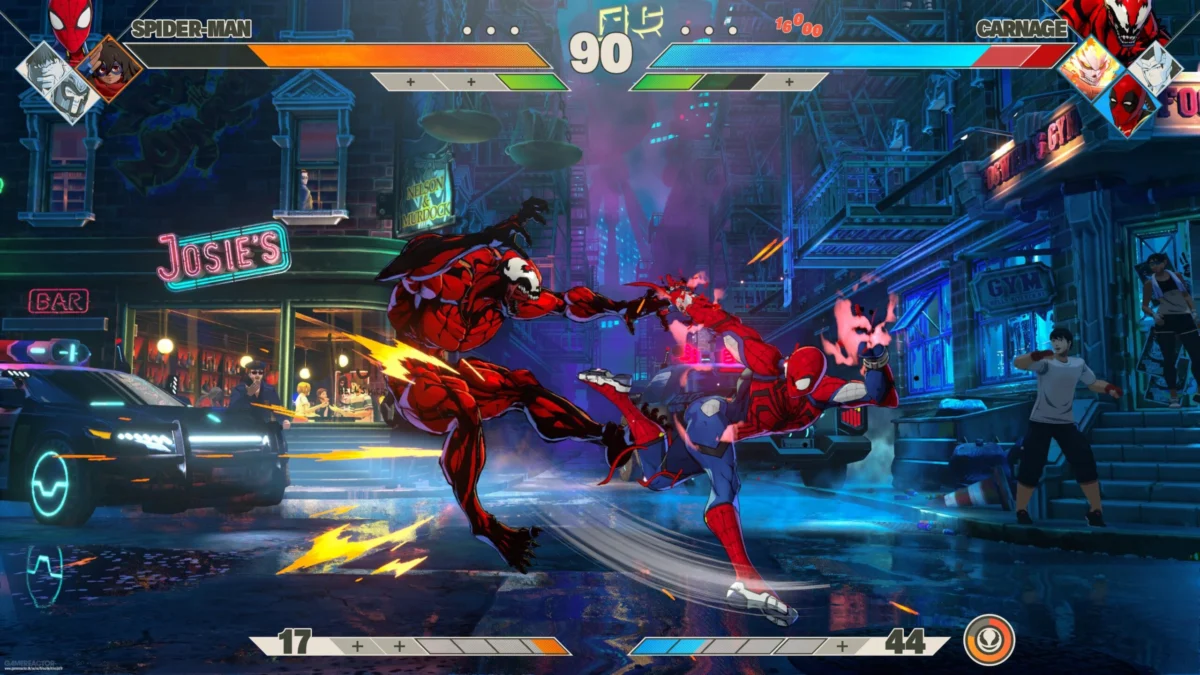
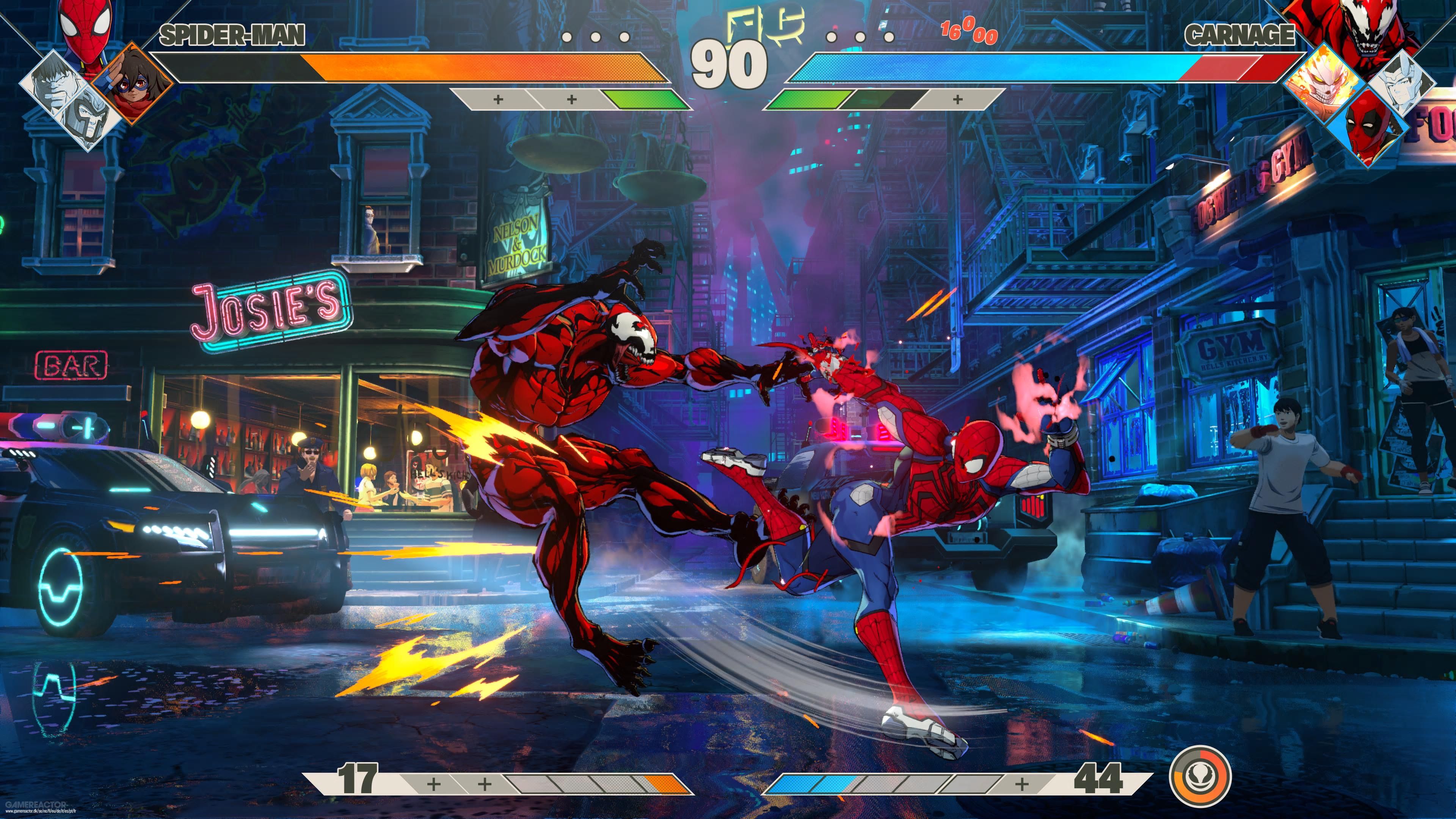
At its core, Marvel Tokon: Fighting Souls distinguishes itself as a 4v4 tag fighter. This setup immediately sets it apart from the traditional one-on-one duels. Players select a team of four iconic Marvel heroes, each bringing their unique abilities and fighting styles to the fray. However, the game introduces a pivotal mechanic that significantly impacts its strategic flow: all four fighters on a team share a single, unified health bar. This means that the conventional tactic of swapping out a low-health character for a fresh one is rendered obsolete. The shared health pool forces a more holistic approach to team management, where the survival of the entire unit hinges on a collective defensive strategy.
This shared health bar, while initially presenting a formidable challenge, also offers a surprising boon for newcomers. It alleviates the immediate pressure to master the intricacies of every character in your chosen roster. For a player like myself, finding solace in sticking with a familiar face like Spider-Man was a welcome relief. While long-term success undoubtedly necessitates branching out and understanding the strengths of each team member, the initial ability to perform competently by focusing on a single character significantly lowers the barrier to entry. This design choice, while potentially a point of contention for seasoned fighting game veterans, proved to be a crucial factor in making Marvel Tokon: Fighting Souls an approachable experience for those who might otherwise be intimidated.
Navigating the Learning Curve: A Double-Edged Sword
The question of whether Marvel Tokon: Fighting Souls is an ideal entry point for fighting game novices is a nuanced one, presenting a compelling dichotomy. On one hand, the ubiquitous Marvel brand provides an immediate and widespread appeal, naturally drawing in a larger audience than some of the more niche titles developed by Arc System Works. Furthermore, the game incorporates a simplified input system that allows for the execution of decent-looking combos through relatively straightforward button mashing. This accessibility is undeniably a significant advantage for those looking to jump in and see some flashy action without immediately needing to memorize complex directional inputs.
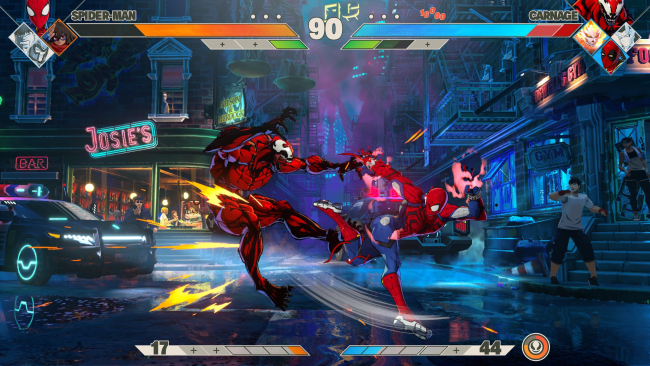
However, the game falters in its pedagogical approach to its own complex systems. While the Marvel branding opens doors, the internal mechanics can be a source of confusion for new players. The game presents a variety of distinct resources and abilities, but the distinction between a "unique ability" and a "skill," or the precise conditions required to unleash a devastating "super ability," are not always clearly elucidated. This lack of transparent explanation can leave beginners feeling adrift in a sea of mechanics that remain frustratingly opaque. The reliance on the player to decipher these intricate systems through trial and error, while a hallmark of some fighting games, might prove too steep a hurdle for those seeking a more guided introduction.
Visual Spectacle: A Comic Book Brought to Life
Where Marvel Tokon: Fighting Souls truly shines, and perhaps its most significant highlight, is in its breathtaking visual presentation. The phrase "a comic book brought to life", while verging on cliché, is remarkably apt. Arc System Works, renowned for its distinctive art style, has masterfully infused the game with a vibrant anime aesthetic without ever sacrificing the core Marvel identity. The result is a visual feast that is both familiar and refreshingly new.
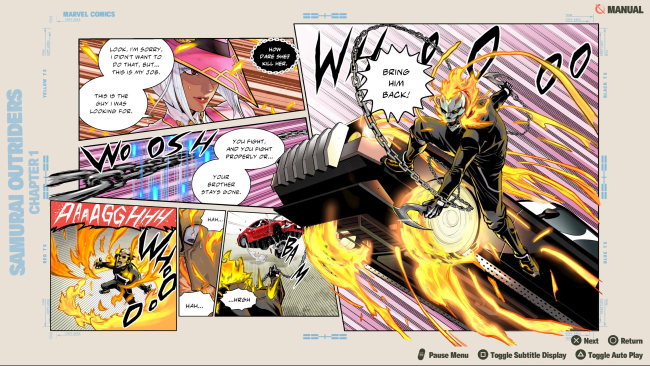
The animated comic-book panels, which primarily serve to narrate the game’s story, are a particular triumph. These sequences are imbued with an infectious charm, a palpable personality, and an artistic caliber that evokes the very essence of classic comic book storytelling. They possess an undeniable allure, drawing the player deeper into the narrative and making the often-lengthy story segments a genuine pleasure to experience. Given that these comic-style panels constitute a significant portion of the game’s story mode – approximately 75%, by rough estimation – their high quality is crucial to maintaining player engagement.
The Narrative Framework: A Cosmic Challenge
The narrative impetus behind Marvel Tokon: Fighting Souls is rooted in a cosmic conflict orchestrated by a formidable blue entity known only as "the Champion." This powerful being, also recognized in Marvel lore as the Fallen One or Tryco Slatterus, arrives on Earth with a singular demand: the planet’s most potent and dangerous combatants must face him in a grand battle. Failure to comply will result in Earth’s subjugation and an uncertain, likely dire, future.
To facilitate this ultimate showdown, Earth’s heroes are strategically divided into five distinct teams of four. These formidable alliances include:
- The Fighting Avengers: Led by the unwavering Captain America, this team comprises the technologically advanced Iron Man, the regal Black Panther, and the mighty Hulk.
- The Unbreakable X-Men: Under the command of the tempestuous Storm, this formidable unit features the swift Magik, the ferocious Wolverine, and the adaptable Danger.
- The Amazing Guardians: A ragtag but powerful ensemble consisting of the agile Spider-Man, the resilient Ms. Marvel, the adventurous Star-Lord, and the innovative Peni Parker.
- The Samurai Outriders: This aggressive unit is comprised of the supernatural Ghost Rider, the vampire hunter Blade, the wisecracking Deadpool, and the enigmatic Loki.
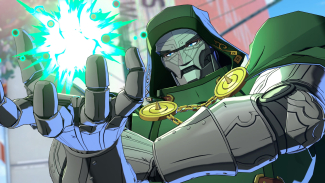
- The Knights of Doom: The cerebral and menacing force led by the iconic Dr. Doom, bolstered by the magnetic powers of Magneto, the chaotic Green Goblin, and the symbiote-infused Carnage.
The reviewer’s personal favorite among these formidable teams is the "Samurai Outriders," a choice justified by their sheer "metal" aesthetic. Each team embarks on its own truncated campaign, all commencing with the Champion’s disruptive arrival on Earth and culminating in his decisive defeat. Along the way, these disparate factions inevitably clash, creating thrilling encounters for any devoted Marvel aficionado.
Storytelling Nuances: Beyond the Punching
While the narrative premise of Marvel Tokon: Fighting Souls provides a compelling framework for the battles, the story itself, while functional, does not delve into profound thematic territory. It is a relatively straightforward plot, and a degree of repetition is evident, with certain cutscenes appearing across multiple team campaigns. The game’s true strength in its storytelling lies not in its overarching plot but in the smaller, character-driven moments and the stylish presentation of its events.
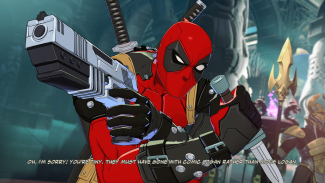
The voice acting is a mixed bag, exhibiting a range of quality. While no performance is outright detrimental, some actors undoubtedly deliver more impactful portrayals than others. Josh Keaton, for instance, delivers a commendable performance as both Iron Man and Spider-Man, while Giancarlo Sabogal brings a convincing gravitas to Ghost Rider. However, the standout performance, and arguably the game’s most magnetic presence, belongs to Nolan North as Deadpool. The character’s signature wit, fourth-wall-breaking antics, and irreverent commentary elevate every scene he appears in, solidifying his position as a major draw for the game.
Roster Depth and Characterization: A Well-Curated Cast
While it’s an almost impossible feat to include every single beloved character from the vast Marvel pantheon in a single game, Arc System Works has, on the whole, achieved a remarkable feat in curating the roster and ensuring accurate characterization. The selection largely features the most prominent heroes, with a judicious inclusion of some deeper cuts, adding a layer of fan service for dedicated comic readers. Naturally, the absence of certain fan-favorite characters like Thor, Daredevil, or Doctor Strange might be noted by some. However, the developers have strategically left the door open for future expansions, a prospect that promises to further enrich the game’s already compelling roster and keep players engaged.
The Verdict: A Surprising Victory for Accessibility
Marvel Tokon: Fighting Souls has, against my initial expectations, managed to win me over. The question lingers: could Street Fighter 6 no longer be the sole guardian of my fighting game affections? While a complete paradigm shift in my gaming habits is unlikely, my initial objective for this review was to provide a thorough and informed assessment of the game’s merits. However, as I sit here, poised to deliver my final verdict, I find myself with a genuine desire to continue playing, to refine my skills, and to engage in more online matches against human opponents. This lingering enthusiasm, I believe, is a strong indicator of a game’s success. Arc System Works has, in my estimation, delivered a truly commendable title that transcends its genre’s often-intimidating reputation.