Reclaiming the Sacred Space: How Solitude Transforms Modern Loneliness into Profound Self-Discovery

"We each have our journey to our true self, and each of us must make it alone." – Lionel Fisher. This profound observation by Lionel Fisher serves as a potent reminder of a fundamental truth often overlooked, or even actively resisted, in contemporary society: the intrinsic connection between solitude and self-discovery. In an era defined by hyperconnectivity and incessant external stimulation, our relationship with being alone has become increasingly complex, often fraught with misunderstanding and societal stigma.
For many, the mere thought of spending time by oneself evokes discomfort, even dread. Solitude is frequently viewed as an undesirable state, inferior to the perceived ideal of robust social circles or a bustling family life. The prevailing cultural narrative often labels those who choose or find themselves in solitary moments as "weird, uncool, or just plain sad." Yet, what if this widespread perception fundamentally misconstrues one of humanity’s most powerful tools for personal growth and spiritual illumination? What if solitude, far from being a void to be filled, is in fact a gateway to the soul, the clearest mirror we possess for honest self-reflection, and the most potent pathway to healing, direction, and purpose? This article delves into the transformative power of solitude, distinguishing it from loneliness, tracing its historical significance, and exploring its crucial role in fostering inner richness in our increasingly disconnected world.
The Misunderstood Mirror: Challenging Solitude’s Stigma
The societal aversion to solitude is deeply ingrained, shaping how individuals perceive their own need for space and quiet. This aversion is not merely a personal preference but a reflection of broader cultural values that prioritize outward engagement and social validation.
A Societal Bias Against Self-Reflection
In modern society, the emphasis is heavily placed on communal activity, networking, and constant communication. From childhood, individuals are often encouraged to be outgoing, to participate in group activities, and to maintain extensive social connections. While these aspects are vital for human development and well-being, their overemphasis can inadvertently foster a bias against introspection and self-contained experiences. The fear of missing out (FOMO) is a pervasive anxiety, driven by social media, that compels individuals to remain constantly connected, often at the expense of their inner lives. Consequently, choosing to spend time alone can be met with suspicion, pity, or even concern, reinforcing the notion that it is an undesirable state rather than a deliberate, enriching choice. This cultural conditioning contributes significantly to the perception that solitude is "weird, uncool, or just plain sad," effectively deterring many from exploring its profound benefits.

The Fundamental Truth of Aloneness
Beneath the layers of social conditioning lies a fundamental, existential truth: each individual is born alone and will ultimately die alone. This reality, while perhaps daunting, does not inherently signify isolation or lack. Instead, it underscores the unique and personal nature of one’s journey through life. Embracing this aloneness, rather than running from it, can paradoxically lead to a sense of "all-oneness" – a deeper connection to the universal fabric of existence. This perspective reframes aloneness not as a deficiency, but as a foundational state that, when consciously engaged with, can unlock profound insights and a sense of interconnectedness far beyond superficial social ties. It challenges us to confront the uncomfortable truth that avoiding self-engagement might be the "weird, uncool, or sad" thing, preventing us from accessing our authentic selves.
A Historical Perspective: Solitude Through the Ages
The current societal apprehension towards solitude stands in stark contrast to its historical reverence across various cultures and spiritual traditions. Understanding this evolution helps contextualize its importance.
Ancient Wisdom and Contemplative Traditions
Throughout history, solitude has been a cornerstone of spiritual development, philosophical inquiry, and creative genius. Ancient Greek philosophers like Plato and Aristotle often emphasized periods of contemplation and withdrawal for intellectual pursuits. Stoics valued self-reflection and inner tranquility, which often required deliberate disengagement from external distractions. In Eastern traditions, figures like the Buddha achieved enlightenment through prolonged periods of solitary meditation. Hermits, monks, and mystics across diverse religions – from early Christian desert fathers to Sufi ascetics – sought solitude as a direct path to divine connection and profound wisdom. Transcendentalists like Henry David Thoreau famously retreated to nature to live deliberately, asserting that "I never found the companion that was so companionable as solitude." These historical examples consistently highlight solitude not as an absence, but as a presence—a fertile ground for insight, creativity, and spiritual awakening. It was understood as a necessary condition for deep thought, moral clarity, and forging an unshakeable inner compass.
The Modern Retreat from Inner Space
The trajectory of human civilization, particularly since the Industrial Revolution, has seen a gradual yet significant shift away from the veneration of solitude. Industrialization fostered urbanization and the clustering of populations, leading to increased social interaction and less personal space. The rise of mass media—radio, television, and eventually the internet—introduced an unprecedented level of constant external stimulation, effectively colonizing any quiet moments. In the digital age, this trend has accelerated exponentially. Smartphones and social media platforms create an illusion of perpetual connection, making it increasingly difficult for individuals to disconnect and find moments of quiet introspection. The constant bombardment of information, notifications, and social pressures leaves little room for the sustained silence, stillness, and solitude that were once integral to human experience. This relentless external focus has arguably diminished our collective capacity for deep inner work, contributing to a pervasive sense of superficiality and restlessness.

Solitude as a Healing Balm to Modern Loneliness
The distinction between solitude and loneliness is paramount. While both involve being alone, their internal experiences and outcomes are vastly different, particularly in addressing the widespread issue of modern loneliness.
Distinguishing Solitude from Loneliness: A Crucial Divide
Poet and novelist May Sarton eloquently captured this distinction: "Loneliness is the poverty of self: solitude is the richness of self." This aphorism beautifully encapsulates the core difference. Loneliness is an unchosen, often painful, state characterized by a perceived lack of meaningful social connection, leading to feelings of emptiness, isolation, and inner impoverishment. It feels like being cut off from everyone and everything, a deep yearning for connection that remains unfulfilled. Solitude, conversely, is a chosen state of being alone, embraced for its capacity to foster self-awareness, creativity, and spiritual growth. It feels like a quiet presence, a profound connection to All-That-Is, an internal richness that nourishes the soul. Author Kent Nerburn further illuminates this: "Solitude is a condition of peace that stands in direct opposition to loneliness. Loneliness is like sitting in an empty room and being aware of the space around you. It is a condition of separateness. Solitude is becoming one with the space around you. It is a condition of union." When one is lonely, there is an internal sense of homelessness, a loss of soul, an alienation from oneself, others, and life itself. Solitude, however, offers a sanctuary, a space for reunion with the deepest parts of oneself.
The Personal Journey: A Parent’s Quest for Stillness
The author’s personal experience as a new parent vividly illustrates the acute need for solitude in a world of incessant demands. The transition to parenthood, while deeply fulfilling, often brings with it an overwhelming increase in noise, activity, and an endless stream of responsibilities. The "endless to-do lists, noise, work, and activities" can create a profound void that only silence, stillness, and solitude can adequately fill. The unexpected loneliness of parenthood, stemming from "incessant demands, the lack of a ‘village’ to help raise your child, the reduced time, space, and privacy for yourself," is a poignant example of how loneliness can manifest even amidst constant presence. This experience resonates with countless others facing different forms of loneliness: leaving a job, breaking away from a toxic family, escaping a controlling religion, getting a divorce, aging, dealing with a chronic illness, neurodivergence, or navigating an existential crisis. In these diverse situations, while human company can offer temporary comfort, the enduring truth remains that one is ultimately with oneself 24/7. Solitude, then, becomes a powerful spiritual path of healing, a necessary reckoning with our aloneness, transforming it from a source of fear into a basic truth of the human condition to be embraced.
The Global Crisis of Disconnection
The widespread aversion to solitude has exacerbated a global crisis of loneliness and mental health. The World Health Organization (WHO) has highlighted loneliness as a significant public health concern, with statistics indicating its alarming prevalence across age groups and cultures. This surge in loneliness occurs paradoxically in an age of hyperconnectivity. A simple observation on any street reveals a majority engrossed in their digital devices, physically present but mentally distant, engaging with virtual realities rather than the immediate world. This constant digital tethering, while offering superficial connections, often prevents the deeper, authentic interactions that truly nourish the soul. As individuals become increasingly disconnected from themselves due due to the relentless pace of modern life and the constant barrage of information, the need for a deliberate counter-measure becomes critical. Solitude steps into this void, offering a way to slow down, tune in, and reconnect with one’s inner landscape. It provides a vital antidote to the pervasive sense of fragmentation and isolation, opening a door to peace, profound insight, and authentic connection – first with oneself, and then, from that place of wholeness, with the world.
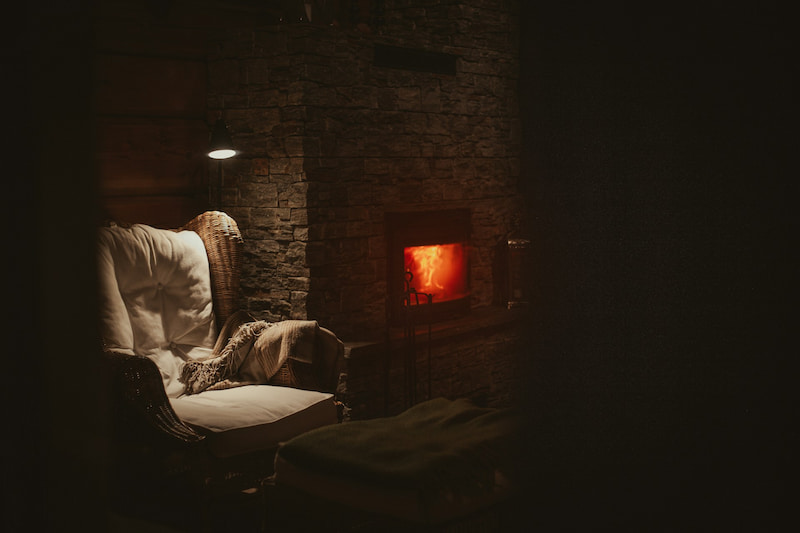
Beyond Gurus: The Innate Wisdom of Silence, Stillness, and Solitude
In the quest for self-improvement and spiritual growth, many turn to external sources—gurus, self-help books, online courses. While these can offer guidance, the most profound answers often lie within, accessible through the cultivation of inner quiet.
The Internal Compass: Why External Guidance Falls Short
Irish poet John O’Donohue, in a profound observation, suggested that for the mystical journey, one doesn’t need external gurus or extensive readings. Instead, "You just need to build into your days a rhythm of silence, stillness, and solitude." This insight is liberating, shifting the locus of wisdom from external authorities to one’s internal landscape. While spiritual and self-help mentors can provide valuable advice and frameworks, they cannot fill the inherent void within an individual. In many instances, an over-reliance on external figures can inadvertently disempower individuals, positioning the guru as the sole possessor of answers, thereby hindering the development of one’s own inner wisdom. Outsourcing personal healing and growth to others, no matter how well-intentioned, is ultimately a flawed strategy. True, sustainable transformation arises from an intimate, direct engagement with one’s own psyche, a process that flourishes in the quietude of solitude.
Psychological and Neurological Benefits
Contemporary psychology and neuroscience increasingly support the benefits of solitude. Research indicates that deliberate periods of alone time can significantly enhance creativity, as the mind is freed from social pressures and external distractions, allowing for divergent thinking and novel idea generation. Solitude also fosters improved problem-solving skills, as individuals can focus more intensely and approach challenges with greater clarity. Emotionally, it provides an opportunity for regulation, allowing individuals to process feelings without external influence or the need to perform. Furthermore, neuroscience highlights the importance of the brain’s "default mode network" (DMN), which is highly active during states of rest and self-reflection. Engaging the DMN through solitude is crucial for self-referential thought, memory consolidation, and understanding one’s sense of self. Regular solitary moments can reduce stress and anxiety by offering a respite from the constant demands of social interaction and external stimuli, leading to greater mental clarity and emotional resilience.
Societal Recognition of Inner Work
In response to the growing awareness of mental health challenges and the pervasive sense of disconnection, there’s a burgeoning societal recognition of the importance of inner work. The proliferation of mindfulness practices, meditation apps, and wellness retreats speaks to a collective yearning for quiet and introspection. These resources, while sometimes commercialized, represent a societal "official response" to the need for individuals to cultivate inner space. Corporate wellness programs now frequently incorporate elements of mindfulness and quiet reflection, acknowledging their benefits for employee well-being and productivity. Educational institutions are exploring curricula that teach emotional intelligence and self-awareness, often integrating practices that encourage periods of solitary reflection. This growing trend signals a broader cultural shift towards valuing introspection as a critical component of holistic health and personal effectiveness, moving beyond the sole pursuit of external achievements.
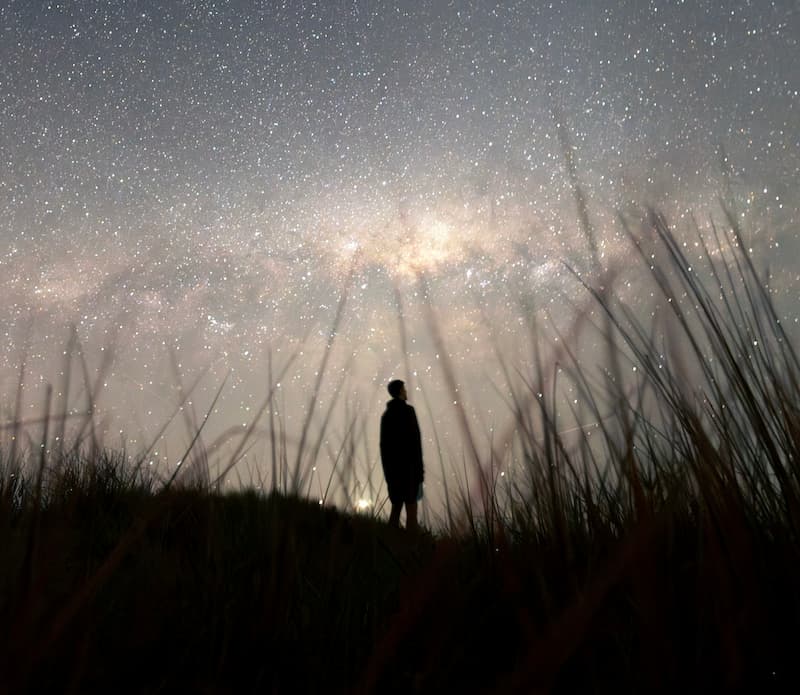
Cultivating the Art of Solitude: Where the Soul Speaks
Solitude, then, is not merely the absence of others; it is an active, cultivated state of being that demands intentionality and practice.
Solitude as a Daily Practice and Soul Recovery
As Stephen Batchelor wisely articulated, "True solitude is a way of being that needs to be cultivated. You cannot switch it on or off at will. Solitude is an art. Mental training is needed to refine and stabilize it. When you practice solitude, you dedicate yourself to the care of the soul." This emphasizes that solitude is a skill, a modern art form that requires deliberate effort to prioritize silence and stillness over noise and activity. It is a conscious shift from "doing" to "being," a fundamental reorientation of one’s approach to life. In a world that constantly encourages external engagement, choosing to simply "be" in quiet introspection becomes an act of radical self-care and a profound form of "soul recovery." This practice allows individuals to shed the accumulated layers of external expectations and reconnect with their authentic inner voice.
The Four S’s: A Practical Framework
For those seeking to integrate solitude into their lives, a simple yet powerful framework can be adopted: the four S’s – Silence, Stillness, Solitude, and Simplicity.
- Silence: Actively seek out moments free from auditory distractions. This could be turning off the radio during a commute, dedicating time for silent contemplation, or finding a quiet corner in nature.
- Stillness: Engage in practices that encourage physical and mental quietude. Meditation, deep breathing exercises, or simply sitting quietly without agenda can foster this.
- Solitude: Intentionally carve out time to be alone, free from the demands or expectations of others. This could be a solitary walk, an hour dedicated to journaling, or simply enjoying a cup of tea in quiet contemplation.
- Simplicity: Reduce external complexities and distractions. Decluttering one’s environment, limiting screen time, or simplifying daily routines can create more space for inner reflection.
Practices such as journaling, meditation, brief walks in nature, yoga, or gentle healing modalities like Reiki can serve as conduits to this internal space. The key is to find simple, sustainable practices that resonate personally and can be consistently integrated into daily life.
The Path of the Lone Wolf: Implications for Personal Growth
Embracing solitude as a spiritual path carries profound implications for personal growth and societal well-being. For the individual, it means an opportunity to truly find oneself, to listen to the deeper callings of one’s soul, and to reclaim a vibrant inner light that may have been dimmed by external pressures. It fosters resilience, equipping individuals with an internal anchor that remains steadfast amidst life’s storms. It leads to authentic life direction, as decisions are made from a place of clarity and alignment with one’s core values, rather than external validation. This "path of the lone wolf" is not about isolation, but about forging an unshakeable inner foundation from which genuine connection and purpose can flourish. For those ready to embark on this journey, resources like the "Soul Work Compass Course" or "Inner Work Journal Bundle" can provide structured guidance, transforming soul loss into soul clarity and empowering individuals to heal at the root.
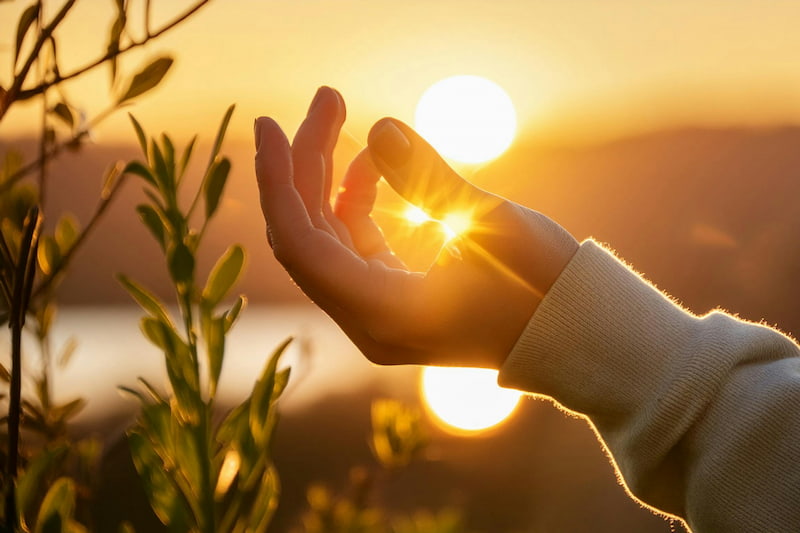
In conclusion, solitude, often maligned and misunderstood, is far from being a sign of inadequacy or sadness. It is, in fact, a vital spiritual path, an intentional act of self-care, and a powerful antidote to the pervasive loneliness and disconnection of the modern age. By consciously cultivating silence, stillness, and moments of genuine solitude, we unlock an inner richness that allows the soul to speak, guiding us towards healing, purpose, and a profound sense of "all-oneness." Embracing this fundamental truth about ourselves is not just an option; it is an imperative for authentic living and profound well-being in our increasingly complex world.
What is one thing about solitude that people often misunderstand or get wrong? Share your insights and join the conversation on this essential aspect of human experience.