
Unveiling the Silent Scars: The Enduring Impact of the Mother Wound on Adult Well-being

London, UK – The quiet battles fought within the human psyche often trace their origins to the earliest connections formed in life. For many adults grappling with persistent feelings of loneliness, emptiness, anxiety, or an insatiable craving for unconditional love, the root cause frequently lies in the unhealed wounds of childhood, specifically what psychologists and spiritual guides refer to as the "mother wound." This profound affliction, stemming from early experiences of neglect, abandonment, or various forms of abuse, can cast a long shadow over an individual’s adult life, impacting relationships, self-perception, and overall mental health.
The Core of Adult Suffering: A Wounded Inner Child
A fundamental truth emerging from contemporary psychological and spiritual healing paths is that a significant portion of adult suffering is intricately linked to the "wounded child within." This concept posits that early developmental experiences, particularly those involving the primary caregiver, shape our core beliefs about ourselves and the world. When these foundational experiences are marked by a lack of consistent emotional attunement, safety, or unconditional acceptance from the mother figure, an enduring wound can form.
While the concept might extend to a "father wound," this article focuses exclusively on the "mother wound." The mother, often considered our first home and primary connection to the world, plays an unparalleled role in establishing a child’s sense of security, worth, and capacity for connection. Disruption or trauma in this initial bond can have far-reaching implications.
Beyond Blame: Seeking Understanding and Healing
Critics of this perspective sometimes argue that attributing adult struggles to parental actions is merely "blaming one’s parents." However, this understanding is not about accusation or shaming. Instead, it’s a compassionate, truth-seeking endeavor aimed at comprehending the genesis of our internal struggles. The objective is not to indict past caregivers, but to acknowledge the historical reality of what transpired, thereby empowering individuals to proactively engage in healing, growth, and ultimately, thriving. Denial, in this context, serves only to perpetuate cycles of suffering and keep individuals trapped in old, self-sabotaging patterns.
For those who recognize the debilitating impact of a mother wound on their adulthood, there is a profound sense of validation and hope in shedding light on this often-unseen darkness. The journey toward healing is not undertaken from the position of a passive recipient, but as an active participant, a "fellow traveler" on the path of soul reclamation. Re-mothering oneself emerges as a potent pathway to achieving a state of wholeness, a fundamental right for all individuals, regardless of gender identity. As articulated by the Adult Children of Alcoholics/Dysfunctional Families World Service Organization in their "Loving Parent Guidebook," "Becoming our own loving parent is at the core of healing from a dysfunctional childhood and the gateway to the gifts of the child within."
Tracing the Origins: The Archetype of the "Death Mother"
To fully grasp the insidious nature of the mother wound, it is crucial to delve into the psychological concept of the "Death Mother" or "Devouring Mother." This potent archetype, first explored by the renowned Swiss psychiatrist Carl Jung, was later extensively developed and brought into clinical focus by Jungian analyst Marion Woodman.
Carl Jung and Marion Woodman: Pioneers of the Concept
Carl Jung, in his exploration of universal patterns of human experience, identified archetypes as primordial images and ideas residing in the collective unconscious. The Great Mother archetype embodies nurturing, fertility, and unconditional love. However, Jung also acknowledged its shadow aspect, the destructive or "Terrible Mother," representing all that is dark, devouring, and life-negating.
Marion Woodman, building on Jung’s framework, delved deeper into the "Death Mother" as an internalized psychic structure. She illuminated how this archetype manifests not only through external maternal figures but also as an internal complex that can stifle an individual’s vitality, creativity, and authentic self. Woodman’s work highlighted the profound impact of a mother’s inability to see, acknowledge, and nurture her child’s unique essence.

Manifestations of the "Death Mother" in Childhood
The "Death Mother" is not necessarily a physically abusive mother, but one who, due to her own unhealed wounds or psychological limitations, fails to provide the essential emotional sustenance a child needs for healthy development. This archetypal energy can manifest in numerous ways, both overtly and subtly, creating a deep mother wound:
- Emotional Neglect: The absence of emotional responsiveness, validation, and attunement. The child’s feelings are ignored, dismissed, or shamed.
- Controlling and Overbearing Behavior: An inability to allow the child autonomy, individuality, or self-expression, often stemming from the mother’s own anxieties or unmet needs. This can feel stifling and "devouring."
- Criticism and Judgment: Constant disapproval, belittling, or an inability to celebrate the child’s achievements without caveats. This erodes self-esteem and fosters a sense of inadequacy.
- Manipulation and Guilt-Tripping: Using emotional leverage to control the child’s actions or choices, fostering a sense of obligation and fear of abandonment.
- Narcissistic Tendencies: The mother views the child as an extension of herself, valuing the child only for how they reflect on her, rather than as an independent being.
- Coldness and Aloofness: A lack of warmth, affection, and physical touch, leaving the child feeling unloved and disconnected.
- Inability to Protect: Failing to shield the child from harm, whether from others or from the mother’s own dysfunctional patterns.
- Enmeshment: A blurring of boundaries where the child’s identity is intertwined with the mother’s, preventing the development of a distinct self.
- Projection of Unmet Needs: The mother projects her own unfulfilled desires, fears, or traumas onto the child, burdening the child with an emotional load not their own.
These manifestations are frequently portrayed in fiction, resonating deeply with audiences who recognize these dynamics. Examples include the chilling possessiveness of "Other Mother" in Coraline (2009), the suffocating control exerted by the mother in Hereditary (2018), Margaret White’s religious fanaticism in Carrie (1976), Miss Havisham’s manipulative bitterness in Great Expectations, and Mrs. Lisbon’s detached surveillance in The Virgin Suicides. Each character, in their own way, embodies the "ice queen" or "Medusa monster" archetype—a figure whose gaze freezes, rather than nurtures, the developing self.
The Cumulative Toll: Psychological Consequences of Early Abandonment
When individuals are raised under the pervasive influence of this "Death Mother" energy, whether from a toxic, narcissistic, dysfunctional, or emotionally immature mother, the abandonment and abuse unfold in myriad, often cumulative, ways over time. The impacts are profound and can lead to a spectrum of complex psychological issues in adulthood:
- Complex Post-Traumatic Stress Disorder (CPTSD): Unlike single-incident trauma, CPTSD results from prolonged, repeated trauma, often in childhood. Symptoms include emotional dysregulation, distorted self-perception, relationship difficulties, and a pervasive sense of hopelessness.
- Attachment Disorders: Insecure attachment styles (anxious, avoidant, disorganized) develop when primary caregivers are inconsistent, rejecting, or frightening. These patterns profoundly affect adult relationships, leading to struggles with intimacy, trust, and healthy boundaries.
- Addictive Patterns: Seeking external substances or behaviors (food, drugs, alcohol, work, relationships) to numb the pain of the internal wound and regulate dysregulated emotions.
- Mental Health Struggles: Increased vulnerability to depression, anxiety disorders, eating disorders, and chronic low self-esteem.
- Perfectionism and People-Pleasing: A desperate attempt to earn love and acceptance that was withheld, leading to burnout and a loss of authentic self.
- Difficulty with Self-Regulation: Struggling to manage emotions, impulses, and stress due to a lack of early modeling or co-regulation.
The Internalized Echo: When We Become Our Own Worst Enemy
The external experience of the "Death Mother" often gives rise to an insidious internal landscape. As Marion Woodman astutely observed in a 2009 interview for the Journal of Archetype and Culture, "If we face Death Mother while growing up, we will inevitably internalize her, and if we have internalized her, then we will either project Death Mother onto others – seeing her in our boss, our lover, or our children, or we will act her out by directing her energy onto others, and/or onto ourselves. Until we begin to examine what we are carrying within our own psyches, we risk being possessed by the Death Mother archetype."
The Mechanism of Internalization: Woodman’s Insights
Internalization, or introjection, is a psychological process where we unconsciously adopt the attitudes, beliefs, and behaviors of significant figures from our past, particularly parents. When the primary maternal figure embodies the "Death Mother" archetype, the child, in an attempt to make sense of their world and gain some semblance of control, internalizes these very qualities. This means the critical, neglecting, or devouring voice of the external mother becomes an internal critic, a self-sabotaging force within. This dynamic affects individuals across all gender identities.
Recognising the Inner Critic: Signs of an Internalized "Death Mother"
If this archetype has been introjected, its presence can manifest through a range of internal experiences and behaviors, often leading to a sense of being one’s own worst enemy:
- Harsh Inner Critic: A relentless, self-deprecating voice that constantly points out flaws, mistakes, and inadequacies.
- Self-Sabotage: Unconsciously undermining one’s own success, happiness, or relationships.
- Perfectionism and Fear of Failure: An overwhelming need to be flawless, often leading to paralysis or burnout.
- Chronic Self-Doubt: A persistent feeling of uncertainty about one’s abilities, worth, or decisions.
- Difficulty Receiving Love or Praise: Inability to internalize positive feedback, often dismissing it as undeserved or insincere.
- Emotional Numbness or Dissociation: A disconnection from one’s own feelings as a protective mechanism against pain.
- People-Pleasing and Lack of Boundaries: Prioritizing others’ needs over one’s own, fearing rejection or disapproval.
- Low Self-Esteem and Self-Worth: A pervasive sense of being inherently flawed or unlovable.
- Resistance to Nurturing or Self-Care: Feeling undeserving of comfort, rest, or kindness.
- Impatience with Self: An inability to tolerate one’s own struggles or vulnerabilities.
- Fear of Intimacy and Vulnerability: Guarding oneself against deep connection to avoid potential hurt or abandonment.
- Chronic Exhaustion: Resulting from the constant internal battle and lack of self-compassion.
Breaking the Cycle: The Imperative of Self-Reparenting
The profound solution to this internalized "Death Mother" energy lies in the process of reparenting, and more specifically, self-mothering. As Woodman eloquently states, "Children who are not loved in their very beingness do not know how to love themselves. As adults, they have to learn to nourish, to mother their own lost child." This highlights the critical need for individuals to cultivate the nurturing, affirming qualities they may have lacked in their formative years, directing them inward towards their own wounded inner child.
The Path to Reclamation: Embracing Self-Mothering
The journey of self-mothering is a courageous act of reclaiming one’s innate right to live from a place of wholeness and self-sovereignty. It is a conscious commitment to provide oneself with the unconditional love, acceptance, and guidance that may have been absent during childhood.

A Vow to Self: Ending the Cycle of Abandonment
Poet and teacher Jeff Foster beautifully encapsulates this commitment:
If abandonment is the core wound
the disconnection from mother
the loss of wholeness
then the most potent medicine
is this ancient commitment
to never abandon
Yourself
to discover wholeness in the whole-mess
to be a loving mother
to your insides
to hold the broken bits
in warm open awareness
and to illuminate the sore places
with the light
of love
Learning to mother oneself begins with a three-pronged approach: (1) cultivating awareness of the wound and its manifestations, (2) acknowledging the truth of what happened without judgment, and (3) making a steadfast vow to stop abandoning oneself. This vow is a radical act of self-love, a decision to actively participate in one’s own healing.
Foundational Pillars of Inner Work: A Holistic Approach
Inner work provides a structured path to navigate this complex healing process. It typically involves several key stages, often referred to as "pillars":
- Getting Embodied: Reconnecting with the physical body as a source of wisdom and sensation, moving away from dissociation.
- Practicing Self-Compassion: Cultivating kindness, understanding, and acceptance towards oneself, especially during moments of struggle.
- Healing the Inner Child: Directly addressing the unmet needs and emotional wounds of one’s younger self.
- Befriending the Shadow Self: Integrating disowned or repressed aspects of the personality, transforming them into sources of strength.
These pillars, when systematically addressed, create a robust foundation for profound and lasting healing. Resources like detailed inner work guides can provide comprehensive frameworks for engaging with each of these steps.
Therapeutic Frameworks: Validating the Healing Journey
The concept of the mother wound and the practice of self-mothering are increasingly recognized and validated within established therapeutic frameworks. Modern psychology offers various approaches that align with and support this healing journey:
- Internal Family Systems (IFS) Therapy: This model views the psyche as comprised of various "parts," including a "wounded inner child" (often called an "Exile") and protective parts. IFS therapy helps individuals differentiate from these parts and, from a "Self-led" place, offer compassion and healing to their wounded inner child.
- Attachment Theory: This theory, pioneered by John Bowlby and Mary Ainsworth, explains how early interactions with primary caregivers shape our attachment styles. Understanding one’s insecure attachment pattern (anxious, avoidant, disorganized) is a crucial step in self-mothering, as it allows for conscious efforts to cultivate secure attachment within oneself and in relationships.
- Trauma-Informed Care: This approach recognizes the widespread impact of trauma and emphasizes physical, psychological, and emotional safety for both clients and providers. It promotes healing by avoiding re-traumatization and empowering individuals to rebuild a sense of control and self-worth.
- Psychodynamic Therapy: Explores how past experiences, particularly childhood relationships, influence present behavior and emotional patterns, offering insights into the origins of the mother wound.
- Humanistic Therapies (e.g., Person-Centered Therapy): Emphasize self-acceptance, self-actualization, and the inherent capacity for growth, providing a supportive environment for individuals to nurture their authentic selves.
These professional approaches underscore that self-mothering is not merely a spiritual concept but a deeply psychological and therapeutic process, providing robust support for individuals on their healing path. Specialized resources, such as guided journals focusing on the mother wound, can serve as practical commitments to initiate this transformative work.
Practical Steps for Nurturing Your Inner Child
Donald Kalsched, in his work "Trauma and the Soul," reminds us that "In every adult there lurks a child—an eternal child, something that is becoming, is never completed, and calls for unceasing care, attention and education. That is the part of the human personality which wants to develop and become whole." This "eternal child," or divine child, yearns for love, joy, and wholeness within all of us, irrespective of gender. The capacity for self-kindness and nurturance is universal; it merely requires learning new skills and unlearning old, detrimental patterns.
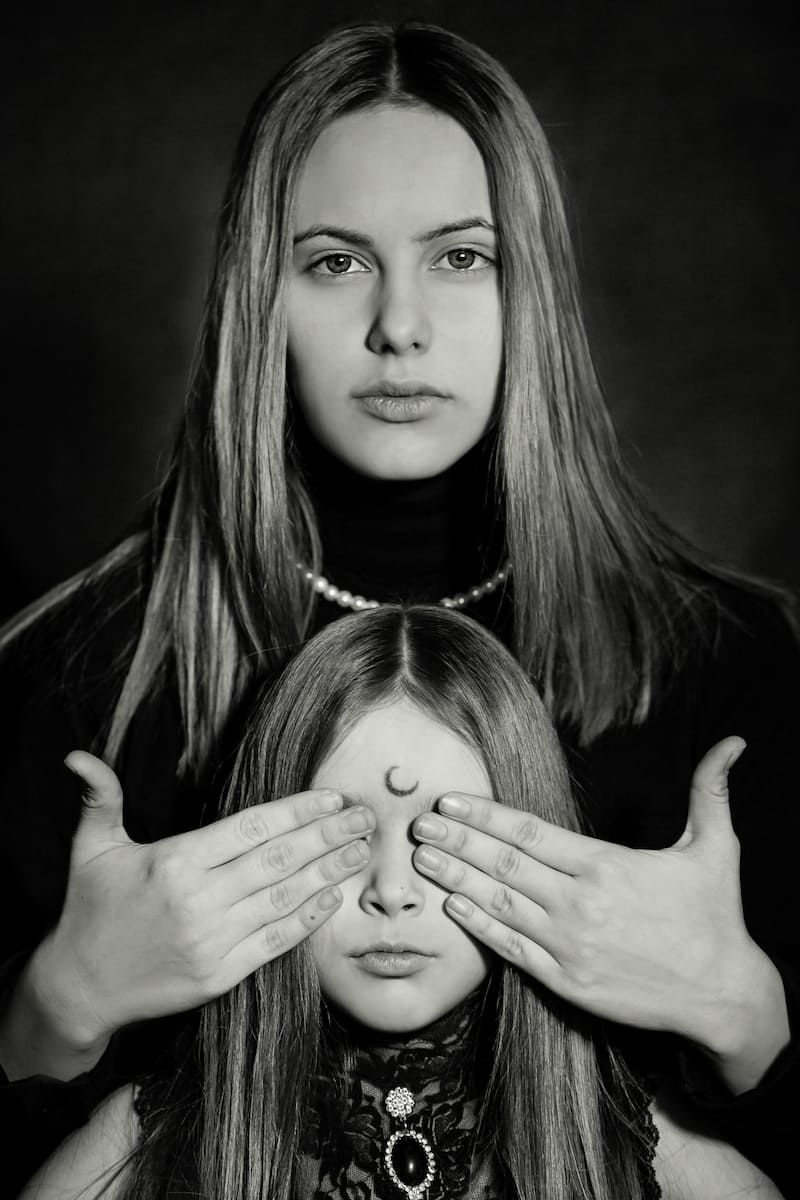
The practice of self-mothering has been a profoundly healing experience for many, transforming self-hatred into self-compassion, self-abandonment into self-care, and self-sabotage into self-sovereignty. It’s a daily practice that can be woven into one’s life through various mindful techniques.
Here are three foundational self-healing practices to begin the journey of self-mothering:
1. Anchoring in the Present: Body-Based Regulation and Nervous System Health
Dr. Eugene Gendlin, the pioneer of "Focusing," a somatic healing practice, emphasizes the crucial role of the body: "You must learn to be with your negative feelings as you would be with a hurting child." He further asserts that "Real learning can occur only in dialogue with one’s body."
Befriending your body is the initial and indispensable step in inner work. Without this connection, individuals often exist in states of frozen dissociation or hyperactive fight-or-flight. Self-mothering fundamentally involves caring for your physical vessel, cultivating groundedness, and restoring physiological peace. This encompasses seemingly basic, yet profoundly impactful, practices:
- Nourishing Nutrition: Prioritizing healthy, wholesome foods that support physical and mental well-being.
- Hydration: Ensuring adequate water intake, essential for all bodily functions.
- Consistent Movement: Engaging in regular physical activity that feels good to the body, such as walking, yoga, or stretching.
- Sufficient Sleep: Establishing a consistent sleep routine to allow for physical and mental restoration.
- Mindful Breathing: Practicing deep, diaphragmatic breathing to calm the nervous system.
- Grounding Exercises: Techniques like walking barefoot on grass, focusing on the sensations of the feet on the ground, or mindfully observing one’s surroundings to bring awareness into the present moment.
These foundational practices are not superficial but are the bedrock of psychospiritual healing. A healthy, regulated, and resilient nervous system is paramount for thriving physically, emotionally, mentally, and spiritually. Resources dedicated to nervous system regulation can provide further guidance on these techniques.
2. The Sacred Space of the Journal: Cultivating Self-Awareness and Compassion
Journaling is a powerful, multi-sensory practice that engages sight, sound (internal voice), and kinesthetic experience (writing). It serves as a profound doorway into self-seeing and creating a safe space for one’s thoughts, fears, desires, and dreams.
- Therapeutic Venting: Journaling offers a confidential outlet to express raw emotions, frustrations, and grievances without judgment.
- Soul Access: Beyond venting, it can become a portal to accessing deeper insights, intuition, and the authentic voice of one’s Soul.
- Structured Prompts: Utilizing guided journals, such as a "Healing the Mother Wound Journal," can provide specific prompts to facilitate exploration of past experiences, current emotional patterns, and desired healing outcomes. These prompts can lovingly guide individuals through the process of self-mothering.
- Free-Flowing Exploration: Dedicating a consistent time (e.g., 5-10 minutes daily) to free-writing on themes like the mother wound, or simple questions such as "How did I mother myself today?" or "What did my inner child need today?" can cultivate a consistent habit of self-reflection. Scheduling this time in a calendar reinforces accountability and commitment.
3. Differentiating from the Past: Techniques for Inner Child Healing
In Internal Family Systems (IFS) therapy, the concept of being "blended" or enmeshed with certain parts of oneself is central. The wounded inner child is often one such part. It is common for adults to unconsciously operate from the emotional and psychological state of their younger, wounded self, effectively living as "5-year-olds-in-adult-bodies" rather than mature adults. This unconscious blending often manifests as chronic anxiety, being easily triggered by others’ moods or behaviors, hypersensitivity to rejection, or feeling overwhelmed and unable to cope with daily life.
The key to healing lies in disentangling oneself from this wounded inner child, creating a healthy distance while offering compassion. This can be achieved through various practices:

- Mindful Meditation: Learning to observe thoughts and emotions without judgment, recognizing them as arising from a part of oneself rather than defining one’s entire being.
- Mirror Work: Standing before a mirror and speaking directly to one’s inner child, acknowledging their pain, offering comfort, and affirming their worth. This externalization helps create distance and allows the adult self to nurture the younger self.
- Guided Inner Child Meditations: Engaging with meditations specifically designed to connect with and heal the inner child, often involving visualization of comforting and reparenting scenarios.
- Grounding Techniques: Consciously bringing attention to the body and breath to anchor oneself in the present moment, reminding the inner child that they are safe in the adult’s care.
- Self-Kindness Practices: Deliberately choosing acts of kindness, comfort, and compassion for oneself, counteracting the internalized harshness of the "Death Mother." This could involve comforting self-talk, gentle touch, or allowing oneself rest.
A guided inner child healing meditation can be a powerful starting point for this disentanglement process, offering a safe and structured way to connect with and nurture the younger self.
A Journey of Unconditional Love and Sovereignty
Pete Walker eloquently states, "The most essential task of self-mothering is building a deeply felt sense that we are lovable and deserve to be loved. Self-mothering is the practice of loving and accepting the inner child in all phases of his mental, emotional, and physical experience."
The path of self-mothering is a profound and often challenging journey, directly addressing some of our deepest core wounds. Therefore, it is paramount to approach this work with gentleness, patience, and consistency. Rushing the process can be counterproductive; instead, small, regular doses of engagement are often the most effective. Establishing a dedicated time each day, even a brief one, and adding it to one’s calendar can help maintain accountability and embed these practices into daily life.
Beyond the initial steps, further exploration can involve deeper dives into self-love and inner child work through dedicated resources and journals. This continuous journey of self-discovery and self-nurturing is not merely about surviving but about reclaiming one’s inherent capacity for joy, connection, and a life lived in authentic sovereignty.
The Broader Impact: Healing Ourselves, Healing the World
The implications of widespread healing of the mother wound extend beyond individual well-being. When individuals heal their deep-seated childhood traumas, they are less likely to perpetuate cycles of harm in their own families and communities. Emotionally regulated, self-compassionate adults are better equipped to foster secure relationships, raise emotionally healthy children, and contribute to a more compassionate and understanding society. Healing the mother wound is, in essence, an act of collective healing, paving the way for a future built on genuine connection and unconditional love.




Leave a Comment