The Visual Architects of Modern Mythology: Concept Art World and the Preservation of Creative Integrity
In an era where digital entertainment dominates global culture, the unseen foundations of our favorite cinematic and gaming universes are increasingly coming to the forefront of public appreciation. Concept Art World (CAW), a premier digital platform and archival resource, has recently highlighted a diverse range of artistic talent and historical projects that underscore the vital role of visual development in the entertainment industry. From the whimsical, high-energy designs of Angela Sung to the atmospheric depth of Joseph McLamb, and from the post-apocalyptic grit of The Art of Fallout 4 to the retro-futuristic ambitions of Dark Void, the platform serves as a critical bridge between the technical demands of production and the raw creativity of the human imagination.
As the industry grapples with the disruptive emergence of generative artificial intelligence, Concept Art World has also taken a definitive stand, implementing strict prohibitions against the use of its curated content for AI training. This move highlights a growing rift in the creative sector: the tension between technological efficiency and the protection of intellectual property and human craftsmanship.
Main Facts: The Pillars of Visual Development
At its core, Concept Art World functions as more than a simple gallery; it is a repository of the "Blueprints of Imagination." The recent features on the platform highlight two distinct but equally vital aspects of the industry: the individual visionary and the collaborative franchise.
The Featured Visionaries: Angela Sung and Joseph McLamb
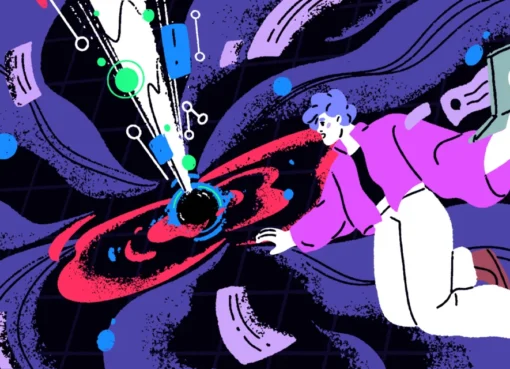
The inclusion of Angela Sung and Joseph McLamb in CAW’s recent spotlight underscores the breadth of the medium. Angela Sung, renowned for her vibrant color palettes and dynamic compositions, represents the vanguard of animation and visual development. Her work, which often bridges the gap between traditional painting sensibilities and modern digital tools, has been instrumental in shaping the aesthetic of major animated projects.
In contrast, Joseph McLamb’s work often leans into the evocative and the atmospheric. His ability to render vast, storytelling environments through light and texture provides the "mood" that directors and game designers rely on to establish the emotional stakes of a narrative. Together, these artists represent the dual nature of concept art: the need for character-driven energy and the necessity of immersive world-building.
The Archival Legacy: Fallout 4 and Dark Void
The platform’s focus on The Art of Fallout 4 and the 2010 title Dark Void provides a chronological look at how concept art evolves from initial sketches into cultural touchstones. Fallout 4, developed by Bethesda Game Studios, is often cited as a masterclass in "Raygun Gothic" and post-nuclear aestheticism. The concept art for this title didn’t just design a game; it defined a genre.
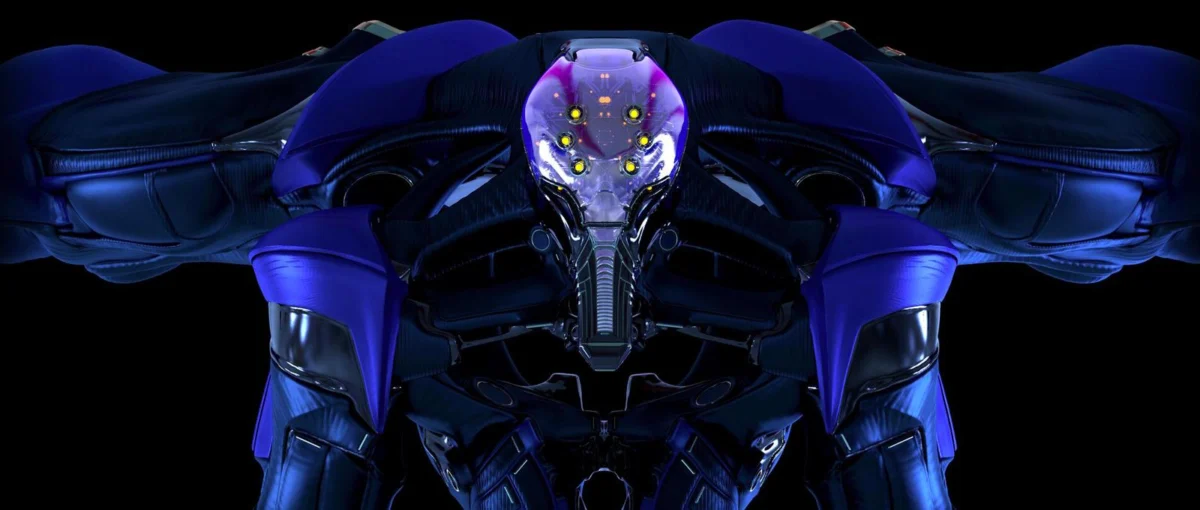
Conversely, the retrospective on Dark Void—a title that blended vertical combat with a jetpack-centric "Void" world—serves as a reminder of the experimental risks taken during the late 2000s. Though the game saw mixed commercial success, its concept art remains a high point of the era, showcasing how visual development can push the boundaries of technology even when the final product faces hardware limitations.
Chronology: From Sketchbooks to Digital Fortresses
The evolution of concept art as a recognized professional discipline has followed a specific trajectory over the last three decades, a timeline that Concept Art World has meticulously documented.
The Golden Age of Pre-Production (1990s–2005)
In the early days of digital gaming and the CGI revolution in film, concept art was largely an internal, "behind-the-scenes" process. Artists like Ralph McQuarrie (Star Wars) had set the stage, but the digital transition allowed for faster iteration. During this period, the role of the concept artist moved from being a "painter" to a "visual problem solver."
The Rise of the Digital Hub (2005–2015)
As high-speed internet became ubiquitous, communities began to form around digital art. Platforms like Concept Art World emerged to give these artists a public face. This era saw the release of Dark Void (2010), a period when concept art was increasingly used in marketing to build hype for upcoming titles. The "Art Of" book became a staple of the collector’s market, culminating in massive releases like The Art of Fallout 4 in 2015, which remains one of the best-selling art books in the industry.
The Defensive Era (2020–Present)
Today, the industry is in a defensive posture. The rise of Large Language Models (LLMs) and image generators has shifted the focus from "showcasing" to "protecting." Concept Art World’s recent updates include explicit copyright notices and anti-AI training clauses, marking a new chapter where the preservation of the artist’s "hand" is the primary mission.
Supporting Data: The Economic and Cultural Impact
The importance of the work showcased on Concept Art World is backed by significant industry data. The global animation, VFX, and video game markets were valued at approximately $390 billion in 2023, with a projected growth rate of 10% annually through 2030.
- Visual Development ROI: According to industry analysts, high-quality visual development in the pre-production phase can reduce actual production costs by up to 20% by identifying design flaws before 3D assets are built.
- The "Art Of" Market: The publishing industry has seen a 15% year-over-year increase in the sale of "Art Of" books for games and films, indicating that fans view the conceptual stage as a standalone art form.
- Social Reach: Platforms like Concept Art World maintain a massive footprint across Instagram, Pinterest, and YouTube, with combined followers in the millions. This digital ecosystem provides a pipeline for studios to find new talent, making CAW a de facto recruitment hub.
Official Responses: A Stand for Human Creativity
The mission statement of Concept Art World is clear: it is a resource dedicated to the "best in concept art, illustration, and visual development." However, their recent official stance on AI training has sent ripples through the creative community.
In an official statement embedded within their latest updates, CAW representatives noted:
"All images are © by the artist(s) or their respective copyright holders. Any training of AI systems using this content is strictly prohibited."
This response is part of a broader movement within the professional art community. Organizations such as the Concept Art Association (CAA) have been lobbying for legislative protections against unauthorized data scraping. By including this language, CAW is not just hosting art; it is acting as a legal and ethical shield for its contributors.
Industry veterans, including those featured like Angela Sung, have frequently spoken about the "soul" of the work. The consensus among these professionals is that while AI can replicate a style, it cannot replicate the "intent"—the specific reasoning behind why a character wears a certain color or why a building in Fallout is crumbled in a specific way to tell a story.
Implications: The Future of the Creative Industry
The developments at Concept Art World suggest several critical implications for the future of the entertainment industry.
1. The "Human-Made" Premium
As AI-generated imagery becomes more common, "human-made" concept art is likely to become a premium brand. Studios that prioritize original visual development by artists like Joseph McLamb will likely use that fact as a marketing tool to signify quality and authenticity.
2. Intellectual Property as the New Currency
The rigorous protection of copyright on platforms like CAW signals a shift in how IP is managed. We are moving toward a future where the "training rights" of an artist’s portfolio may be as valuable as the art itself. This will require new legal frameworks and perhaps a "certification of origin" for digital works.
3. The Archival Necessity
The features on Dark Void and Fallout 4 highlight the necessity of digital archives. As games become "live services" and digital-only releases, the conceptual art remains the only permanent record of the original creative vision. Concept Art World’s role as a digital museum ensures that the evolution of these visual languages is not lost to software obsolescence.
4. Educational Evolution
For aspiring artists, the tutorials and spotlights provided by CAW are essential. However, the curriculum is changing. Future artists must now learn not only how to paint but how to navigate the ethical and legal landscape of a post-AI world. The emphasis is shifting toward "Creative Direction"—the ability to lead a visual narrative that a machine cannot conceptualize.
Conclusion
Concept Art World remains a vital pulse-check for the entertainment industry. By highlighting the works of Angela Sung and Joseph McLamb alongside legacy projects like Fallout 4, the platform celebrates the past and present of visual storytelling. More importantly, by taking a firm stance against the unauthorized exploitation of digital art, it is helping to secure the future for the next generation of visual architects.
The "world" in Concept Art World is an apt name; it is a sprawling, interconnected ecosystem of talent, history, and advocacy. As the industry continues to evolve, the preservation of the human creative spark—the ability to look at a blank canvas and see a universe—remains the most important mission of all. Through its curated galleries and defiant protection of copyright, CAW ensures that while the tools of the trade may change, the value of the artist remains immutable.