The Vanguard of Visual Development: Analyzing the Evolution of Concept Art Through the Lens of Industry Leaders
In the rapidly evolving landscape of digital entertainment, concept art serves as the foundational blueprint for every cinematic world, immersive video game, and graphic novel. Recently, the prestigious platform Concept Art World (CAW) highlighted a series of pivotal works that span over a decade of creative excellence—ranging from the haunting corridors of the original Dead Space to the ethereal, Western-inspired landscapes of Destiny 2: Forsaken.
This retrospective and contemporary showcase not only celebrates individual brilliance but also underscores a critical moment in the creative industries: the preservation of human-led design in an era of encroaching automation. By examining the works of artists like Ryan Gitter and Henrik Sahlström, and the collective genius behind projects like Nuthin’ But Mech, we gain a clearer picture of how visual development continues to define modern mythology.
Main Facts: A Diverse Spectrum of Visual Storytelling
The recent features from Concept Art World spotlight four distinct pillars of the industry, each representing a unique facet of visual development:
- The Sci-Fi Renaissance of Destiny 2: Forsaken: Ryan Gitter, a Senior Concept Artist at Bungie, has released a comprehensive look at the environmental and character designs for the Forsaken expansion. His work is credited with helping pivot the Destiny franchise toward a "Space Western" aesthetic, introducing the gritty Tangled Shore and the crystalline elegance of the Dreaming City.
- The Industrial Horror of Dead Space (2008): In a look back at the roots of the survival horror genre, CAW revisited the original concept art that birthed the USG Ishimura. The 2008 title remains a masterclass in "lumberpunk"—a term coined to describe its heavy, industrial, and utilitarian aesthetic that felt grounded and terrifyingly real.
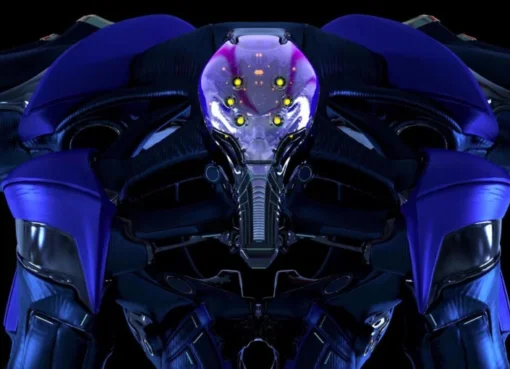
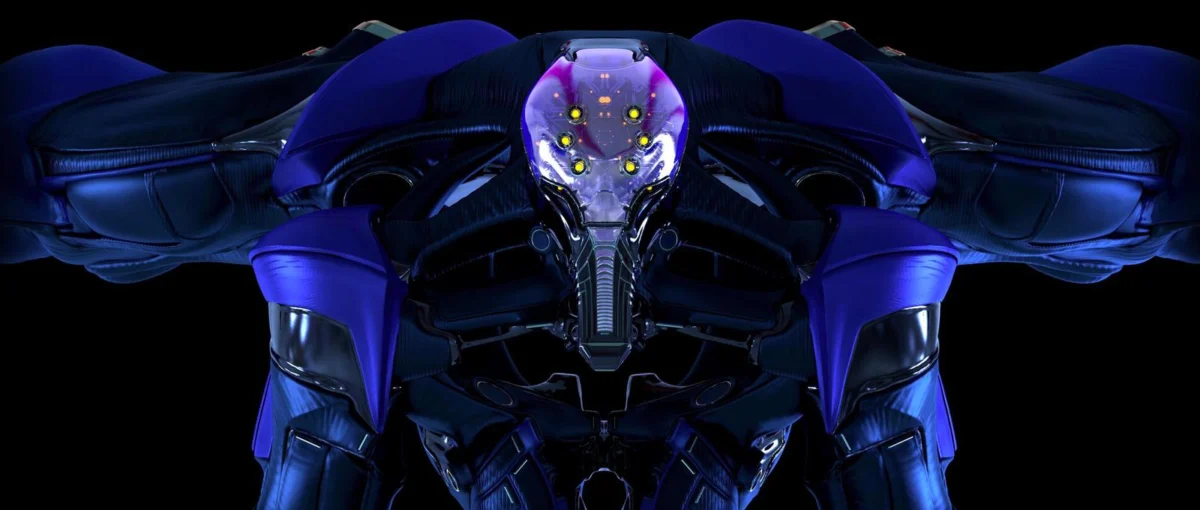
- The Mechanical Mastery of Nuthin’ But Mech: This collaborative book series, published by Design Studio Press, serves as a high-water mark for mechanical design. It features a "who’s who" of the industry, showcasing robots, vehicles, and exoskeletons that prioritize functional realism over mere decoration.
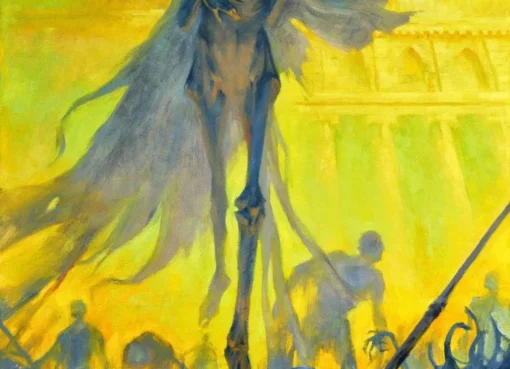
- The Iconic Realism of The Phantom: Henrik Sahlström’s cover art for The Phantom (Fantomen) demonstrates the enduring power of traditional comic icons when filtered through a modern, cinematic lens. Sahlström’s ability to bring a sense of weight and history to a character created in 1936 highlights the evolution of character design.
Chronology: From Industrial Decay to Celestial Grandeur
To understand the current state of concept art, one must trace the chronological shifts in style and technology over the past fifteen years.
2008–2012: The Era of Gritty Realism
The showcase of the 2008 Dead Space art serves as a reminder of a period where "lived-in" sci-fi dominated. During this time, artists focused on texture, weathering, and the psychological impact of environments. Concept art wasn’t just about cool characters; it was about environmental storytelling—using bloodstains, flickering lights, and rusted bulkheads to tell a story without dialogue.
2013–2018: The Rise of World-Building and Color Theory
With the release of Destiny and its subsequent expansions like Forsaken (2018), the industry moved toward a more vibrant, diverse palette. Ryan Gitter’s work illustrates this shift. While Dead Space was claustrophobic, Forsaken was expansive. Artists began blending genres—mixing high fantasy elements with traditional sci-fi—to create "mythic science fiction." This era saw concept art becoming more painterly and atmospheric, focusing on lighting and "mood pieces" to guide the technical art teams.
2019–Present: The Community and Collective Era
The emergence of projects like Nuthin’ But Mech signifies a shift toward artist-led collectives. No longer confined to the NDAs of major studios, artists began collaborating on independent publications. This period is defined by a "back to basics" approach where the craftsmanship of mechanical drawing and anatomical precision is celebrated as an end in itself, rather than just a step in a production pipeline.
Supporting Data: The Impact of Visual Development on Commercial Success
Concept art is often viewed as a "pre-production" phase, but data suggests it is the primary driver of a project’s brand identity and commercial longevity.
- Franchise Longevity: Destiny 2 has maintained a consistent player base for nearly a decade, a feat largely attributed to its unique visual identity. According to industry analysts, "visual fidelity and art direction" are cited by 65% of players as a primary reason for staying engaged with live-service games. Ryan Gitter’s designs for the Scorn—a faction introduced in Forsaken—provided a fresh antagonistic force that revitalized the game’s narrative stakes.
- The Horror Benchmark: The original Dead Space sold over 2 million copies within its first year, a success that led to a 2023 remake. The enduring popularity of the 2008 designs is evident in the "Art of Dead Space" books, which continue to be top-sellers in the educational art category, proving that strong concept work has a decades-long shelf life.
- The Educational Boom: Nuthin’ But Mech and similar publications contribute to a global concept art education market that was valued at approximately $1.2 billion in 2023. These books serve as the primary textbooks for a new generation of artists entering the film and game industries.
Official Responses: A Stand Against Generative AI
A significant portion of the recent update from Concept Art World includes a firm "Official Response" to the current technological climate. As a leading resource for creative professionals, CAW has issued a definitive stance on the use of their hosted content.
The Anti-AI Training Mandate:
The organization stated: "All images are © by the artist(s) or their respective copyright holders. Any training of AI systems using this content is strictly prohibited."
This statement is more than a legal disclaimer; it is a defense of the "human element" in art. Professional artists, including Ryan Gitter and Henrik Sahlström, have expressed concerns that AI models trained on their copyrighted works threaten the economic viability of the profession. By explicitly banning AI training, Concept Art World is aligning itself with the "Human Art" movement, which argues that the soul of concept art lies in the intentionality and lived experience of the creator—something an algorithm cannot replicate.
Industry veterans have lauded this move. The consensus among the featured artists is that while AI can generate "images," it cannot perform "design." Design requires solving specific narrative and functional problems, such as how a Dead Space plasma cutter would realistically hinge or how a Destiny cape would flow in low gravity.
Implications: The Future of Human-Led Design
The convergence of these four features—Destiny, Dead Space, Nuthin’ But Mech, and The Phantom—suggests several key implications for the future of the entertainment industry.
1. The Value of "Legacy IP" Visuals
As seen with The Phantom, there is a growing trend of applying high-end concept art techniques to classic properties. This "prestige treatment" of legacy characters allows older franchises to compete with modern blockbusters. We can expect more classic comic and literary icons to undergo visual "revamps" led by artists like Sahlström.
2. The Shift Toward Specialized Collectives
The success of Nuthin’ But Mech indicates that the future of the industry may not lie solely within giant studios. Independent art books and crowdfunded projects allow artists to retain their intellectual property and explore niche aesthetics (like hard-surface mechanical design) that might be deemed too "risky" for a $200 million game budget.
3. The "Authenticity Premium"
As AI-generated imagery becomes more ubiquitous, there will likely be an "authenticity premium" placed on human-created concept art. Studios that can prove their worlds were hand-designed by visionaries like Gitter may find a more loyal following among audiences who value artistic integrity. The concept art "process"—sketches, iterations, and failed designs—will become as valuable as the finished product, serving as proof of human craftsmanship.
4. Environmental Storytelling as a Primary Narrative Tool
The retrospective on Dead Space reinforces the idea that the environment is a character. Future titles will likely invest more heavily in "narrative architecture," where every room and every prop tells a story. This requires a level of detail and thematic consistency that necessitates highly skilled concept artists who understand both psychology and structural engineering.
Conclusion: The Blueprint of the Future
The recent showcases by Concept Art World serve as a powerful reminder that behind every iconic moment in digital media is a human being with a stylus and a vision. Whether it is the terrifying industrial hallways of the USG Ishimura or the majestic, purple-hued horizons of the Dreaming City, these visuals are the result of years of study, cultural observation, and technical mastery.
As the industry grapples with the challenges of new technology, the work of Ryan Gitter, Henrik Sahlström, and the contributors to Nuthin’ But Mech stands as a testament to the irreplaceable nature of human creativity. Concept art is not merely "content" to be consumed or data to be scraped; it is the visual language of our collective imagination, and its preservation is essential for the future of storytelling.