
All Aboard the Logic Express: A Comprehensive Look at the Strategic Depth of ‘Train Jumble’
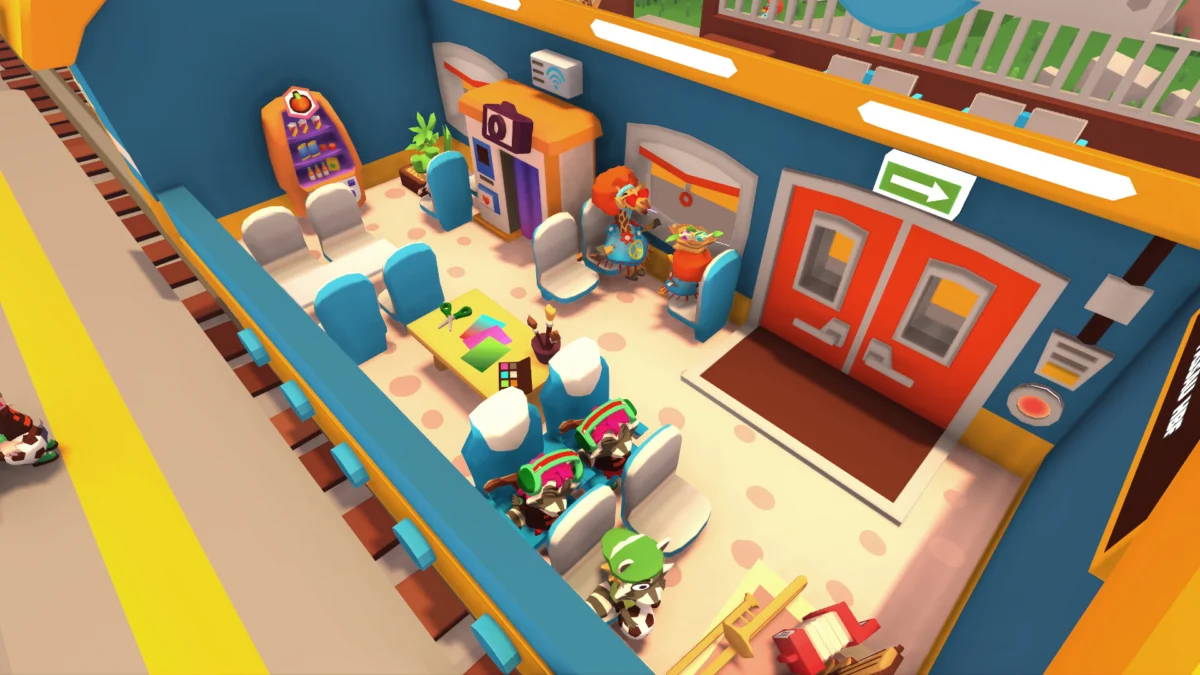
The indie gaming landscape has long been a breeding ground for titles that take mundane concepts and transform them into addictive, high-stakes puzzles. From the organizational satisfaction of Unpacking to the frantic logistical demands of Overcooked, the "cozy-but-stressful" genre has found a massive audience. The latest contender to board this trend is Train Jumble, a vibrant, anthropomorphic puzzle-management hybrid that tasks players with the unenviable job of keeping a trainload of diverse passengers happy while navigating the railways of Europe.
Following its recent showcase at the Indie Fan Fest 2026, Train Jumble has piqued the interest of strategy enthusiasts and casual gamers alike. With its unique blend of spatial reasoning, social engineering, and economic management, the game promises a travel experience that is as mentally taxing as it is visually charming.
Main Facts: The Anatomy of a Locomotive Puzzle
At its core, Train Jumble is a game about optimization under pressure. Players take on the role of a conductor-meets-interior-designer, responsible for the layout and social harmony of a multi-car locomotive. Unlike traditional train simulators that focus on the mechanics of the engine or the scheduling of the tracks, Train Jumble focuses entirely on the "experience" within the carriages.
The Passenger Dynamic
The game features a colorful cast of humanoid animal characters, each arriving with a specific set of needs and personality traits. Upon reaching a station, potential passengers wait on the platform with icons floating above their heads—visual shorthand for their requirements. These needs range from the simple (a window seat) to the complex (a desire to sit near specific types of people or away from noise).
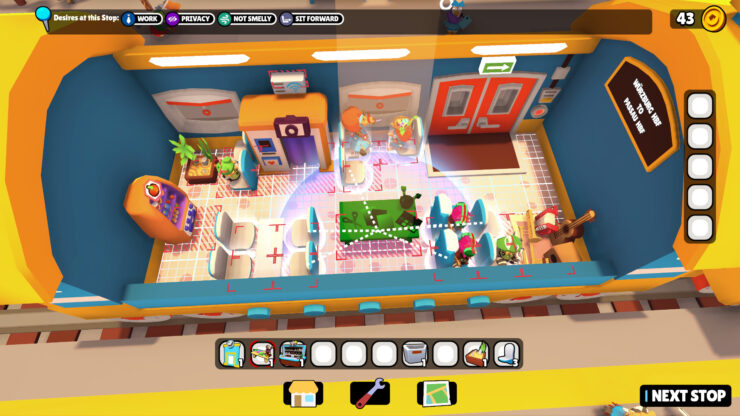
Once these passengers board, the "Jumble" begins. Players must physically move passengers between seats to satisfy their ever-changing moods. The game utilizes a clever color-coded feedback system: when a player picks up a character, the surrounding seats glow in various hues to indicate the character’s potential satisfaction level in that spot. A green glow suggests a perfect match, while red indicates a social or physical conflict that will lead to a loss of tips—or worse, a miserable journey.
Spatial Management and Interior Design
The puzzle isn’t just about where people sit, but what is available to them. Before a journey begins, players enter a "Preparation Phase" where they visit a shop to purchase equipment. This equipment includes standard seating, luggage racks, and more idiosyncratic additions like crafting tables—which, in the world of Train Jumble, are a staple of European rail travel.
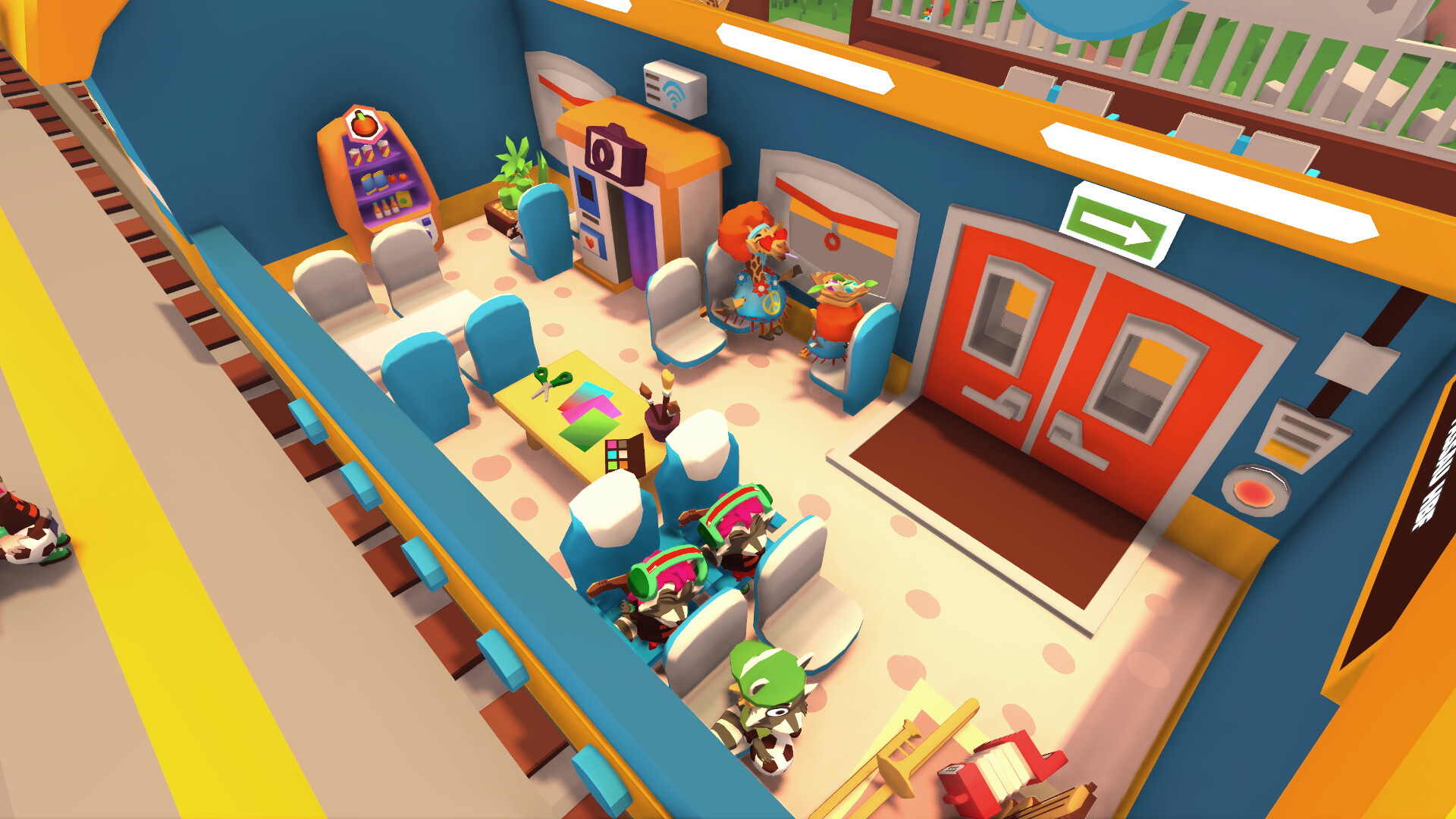
However, the train car is a finite space. Every crafting table placed is a seat lost; every premium lounge chair takes up the space of two standard benches. This creates a "Tetris-like" layer of strategy where the player must gamble on what the upcoming demographic of passengers will need.
Chronology: From the Shop to the Final Station
The gameplay loop of Train Jumble is divided into distinct chronological phases, each requiring a different mindset and strategy. Understanding this flow is essential for players looking to maximize their earnings and unlock more challenging routes.
Phase 1: The Pre-Departure Investment
Every level begins in the shop. Here, players spend their hard-earned capital on upgrades and furniture. It is important to note that purchases made in the shop are often specific to that "run" or level. Because the game features branching paths across a map of Europe, players must look ahead at their chosen route. A route with many stops in high-density urban areas might require more seats, while a long-haul scenic route might demand more luxury amenities and crafting stations.
Phase 2: The Boarding Process
As the train pulls into the first station, the "predictive" element of the game kicks in. Players observe the queue of passengers. If the platform is full of "crafting-focused" characters (indicated by their icons), the player must quickly ensure their interior layout can accommodate them. This phase is about rapid assessment; once the passengers board, the interior becomes crowded, and moving furniture is no longer an option—only the passengers can be shuffled.
Phase 3: The Journey and the Mid-Trip Shuffle
As the train moves through the European countryside, the "active" puzzle gameplay takes over. Passengers don’t stay happy forever. Their needs can shift, or the arrival of new passengers at mid-way stops can throw a perfectly balanced carriage into chaos.
For example, a passenger who was perfectly happy in a window seat might suddenly become distressed if a "noisy" character sits behind them. The player must then find a way to swap seats without upsetting the rest of the carriage. This creates a domino effect of movement where one change necessitates five others to maintain the "happiness equilibrium."
Phase 4: Arrival and Financial Reconciliation
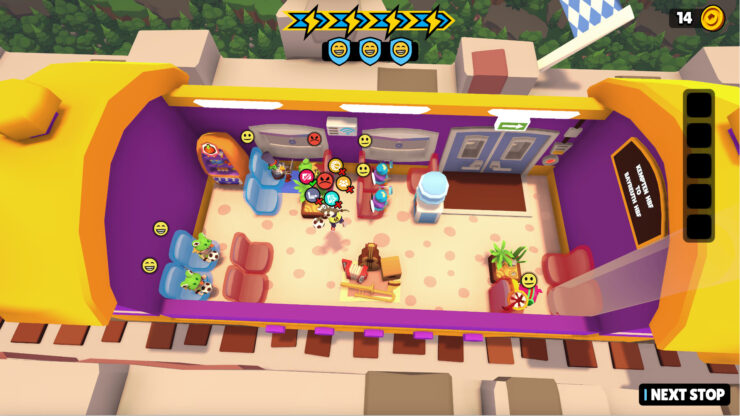
Upon reaching the final destination, the game calculates the player’s performance. Happy passengers leave tips, which are the primary source of profit. However, running a locomotive isn’t free. Players must pay transit fees, fuel costs, and maintenance at the end of every leg. If the tips don’t outweigh the fees, the player will find themselves unable to afford the equipment needed for the next, more difficult stretch of the journey.
Supporting Data: The Mechanics of Happiness and Profit
To understand the depth of Train Jumble, one must look at the underlying data that drives the puzzle difficulty. The game operates on a series of "Synergy Modifiers" that dictate how much money a passenger will yield.
- Proximity Bonuses: Placing a passenger who "likes cats" next to a feline character provides a multiplier to their tip.
- Environmental Satisfaction: Certain characters require proximity to objects. The "Crafting Table," mentioned in the official overview, acts as a "hub" object. Characters within a two-tile radius of the table gain a "Productivity" buff, increasing their happiness meter over time.
- The Space-to-Revenue Ratio: A standard seat occupies 1×1 tiles and generates base revenue. A "Luxury Sleeper" occupies 2×2 tiles but generates 3x the revenue if the occupant’s specific needs are met. Players must constantly calculate whether the loss of three potential passengers is worth the high-yield of one "VIP" passenger.
- Route Difficulty: The game features a dynamic map of Europe. Routes are rated by "Chaos Level." Higher chaos levels mean more frequent stops and a higher turnover of passengers, requiring the player to re-solve the "seating puzzle" more often within a single level.
Official Context: Developer Vision and Industry Reception
While the developers at the helm of Train Jumble have kept some of the late-game features under wraps, the "Official Overview Trailer" released during the Indie Fan Fest 2026 provided significant insight into the game’s design philosophy.
The development team has stated that the goal of Train Jumble was to create a "socially-driven logistics game." Unlike other simulators where the "cargo" is static, the cargo in Train Jumble has opinions. The inclusion of humanoid animals was a conscious choice to make the passengers more relatable and to allow for distinct visual cues regarding their species-specific needs (e.g., a giraffe requiring more vertical clearance or a penguin needing to be near a cooling unit).
Initial reception from the Steam demo has been largely positive, though some players have noted the "strange" nature of the train activities. The presence of crafting tables and elaborate social requirements on a moving train leans into a "magical realism" version of Europe, which the developers claim is intentional. "We wanted the train to feel like a living community, not just a tube of metal moving from A to B," the lead designer noted in a recent community update.
Implications: The Rise of "Cozy Logistics"
The emergence of Train Jumble signals a broader shift in the indie gaming market. We are seeing a move away from traditional "Tycoon" games—which often focus on spreadsheets and macro-management—toward "Micro-Management Puzzles."
The Empathy Factor
By forcing players to care about the individual happiness of their "units" (the passengers), Train Jumble adds an emotional layer to the logistics. It isn’t just about fitting the most shapes into a box; it’s about ensuring the "shapes" have a good time. This "empathy-based puzzling" is a growing sub-genre that appeals to players who enjoy organization but want a narrative or character-driven reason to do so.
Educational and Cognitive Benefits
Games like Train Jumble serve as excellent tools for developing spatial awareness and predictive thinking. The requirement to buy equipment for a problem that hasn’t happened yet (the "Shop Phase") teaches players about resource allocation and risk assessment. As the indie scene continues to evolve, Train Jumble stands as a testament to the idea that even the most claustrophobic spaces—like a crowded train car—can provide infinite room for creative problem-solving.
Conclusion: A Journey Worth Taking
Train Jumble is currently in active development, with a demo available for those eager to test their organizational mettle. While the full release date remains on the horizon, the game already shows the polish and mechanical depth of a seasoned indie hit.
Whether you are drawn in by the colorful aesthetic of its animal cast or the cutthroat challenge of balancing a budget against a carriage full of demanding travelers, Train Jumble is shaping up to be a mandatory departure for fans of the puzzle genre. In the chaotic world of the European rails, only the most organized conductors will thrive.
For those looking to stay ahead of the curve, adding the game to a Steam wishlist is the first step toward mastering the "Jumble." As the trailer suggests, the journey is just as important as the destination—provided you can find a place for everyone to sit.

Leave a Comment