Meta’s Project Phoenix: The Comprehensive Guide to the Next Frontier of Mixed Reality
The landscape of spatial computing is undergoing a seismic shift. For years, the industry has prioritized raw power and expansive feature sets, often at the cost of ergonomics and prolonged comfort. However, recent leaks and internal reports indicate that Meta is pivoting toward a "comfort-first" philosophy. The centerpiece of this strategy is a project codenamed Phoenix—an ultralight, premium Mixed Reality (MR) headset designed to redefine the form factor of wearable technology.

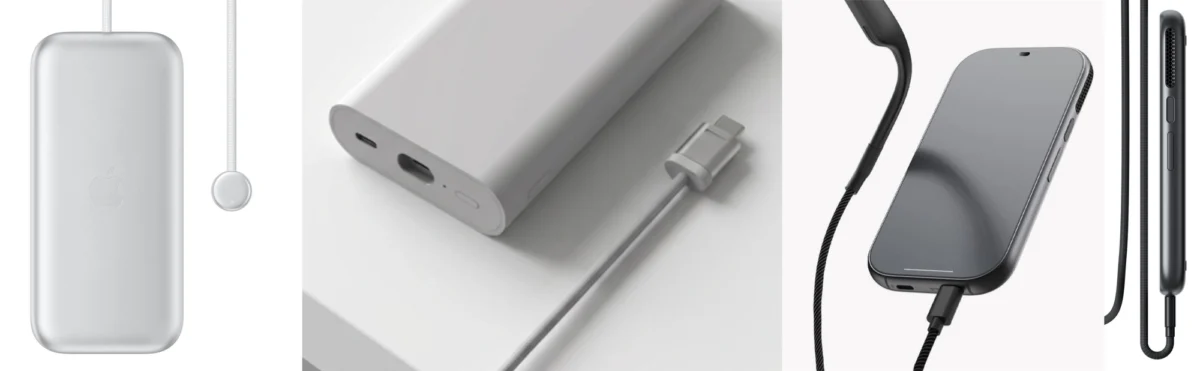
Positioned as a spiritual successor to the Meta Quest Pro rather than a direct iteration of the gaming-focused Quest line, Phoenix represents Meta’s most ambitious attempt to bring high-end spatial computing to the mainstream. By offloading its processing and power to a tethered "compute puck," Meta aims to deliver a device that feels more like a pair of glasses than a bulky visor.

Main Facts: A New Category of Wearable
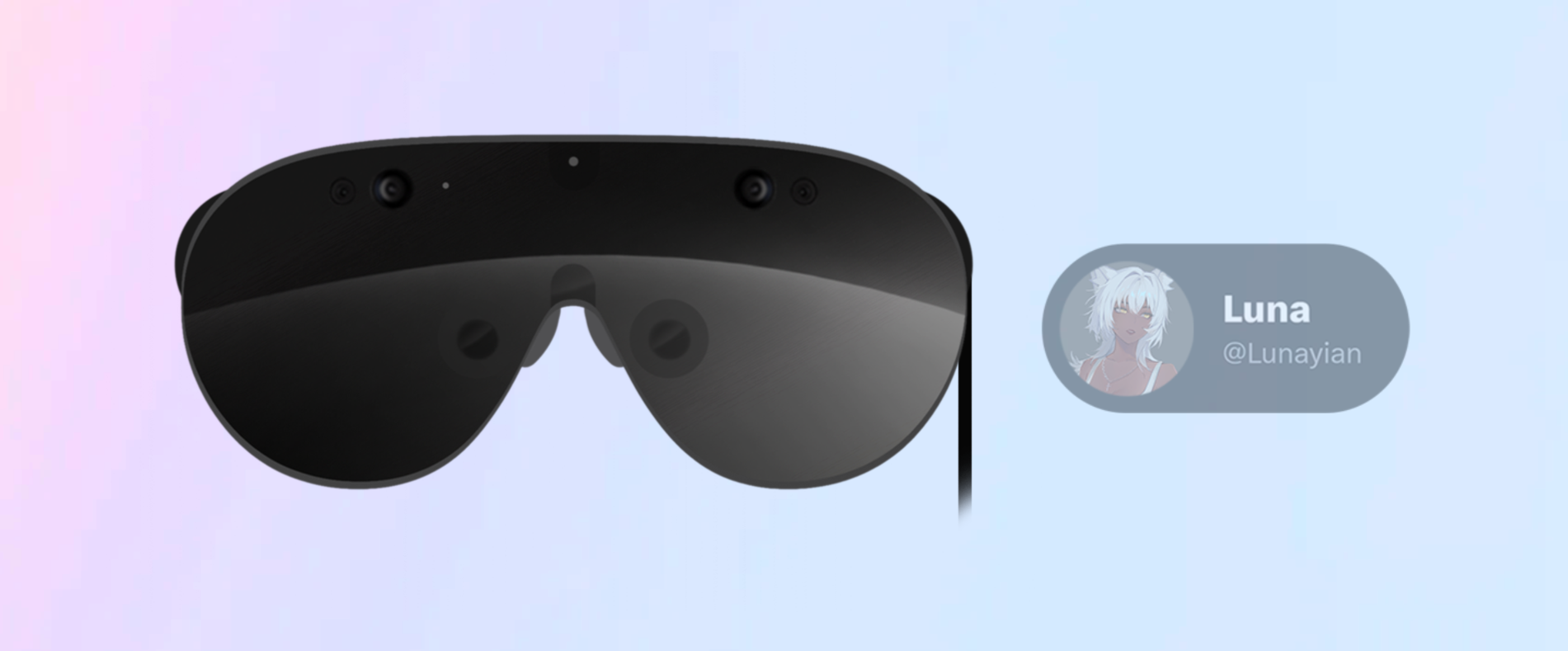
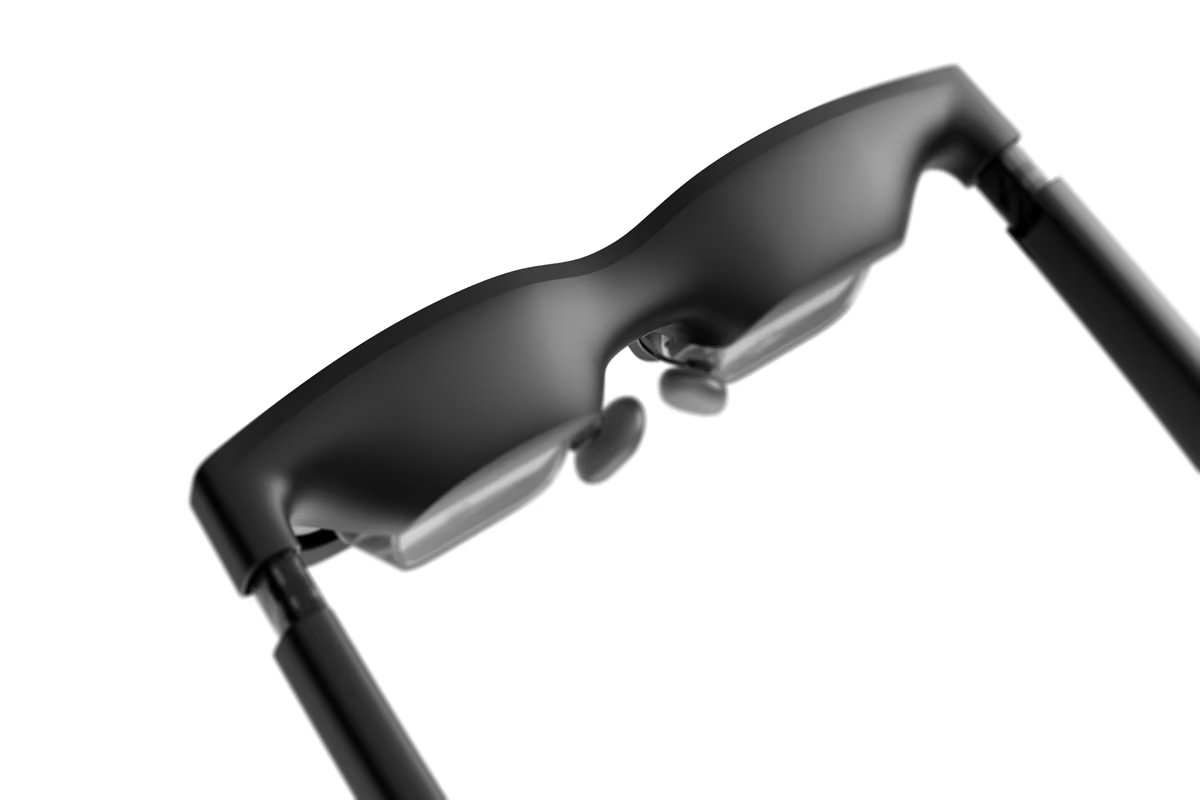
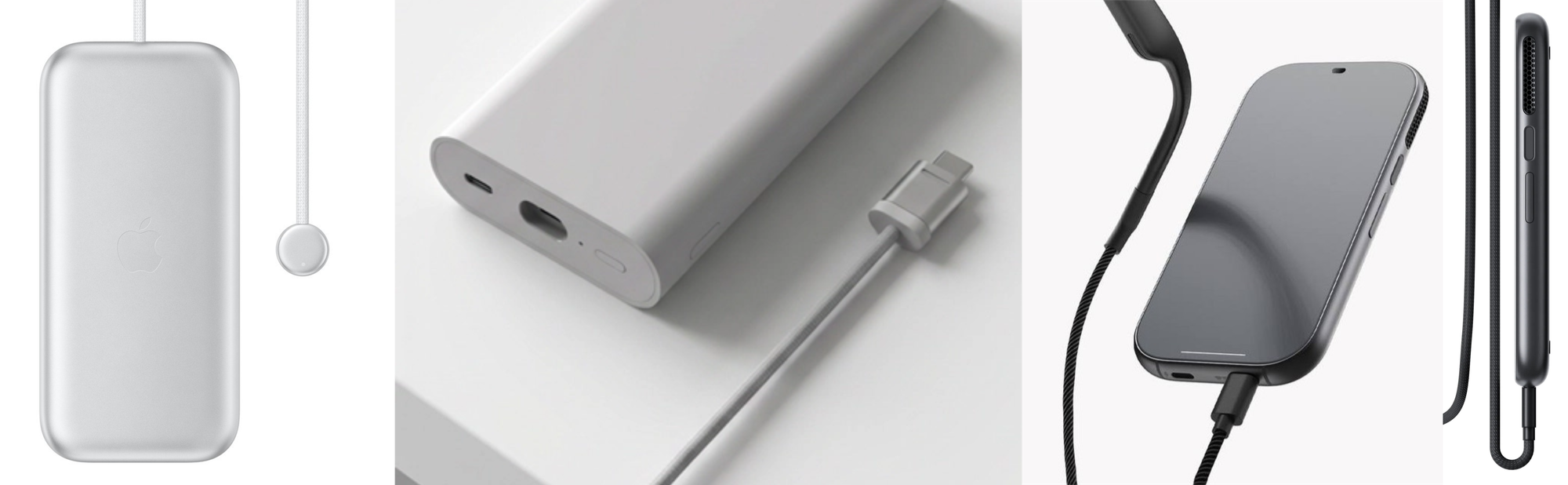
Project Phoenix is not a traditional VR headset. Based on reputable reports and firmware analysis, the device is an opaque Passthrough VR (Mixed Reality) headset with a glasses-like form factor. Unlike the Meta Quest 3, which houses its battery and processor behind the display, Phoenix utilizes a "tethered compute puck" architecture.

Key Specifications and Features:
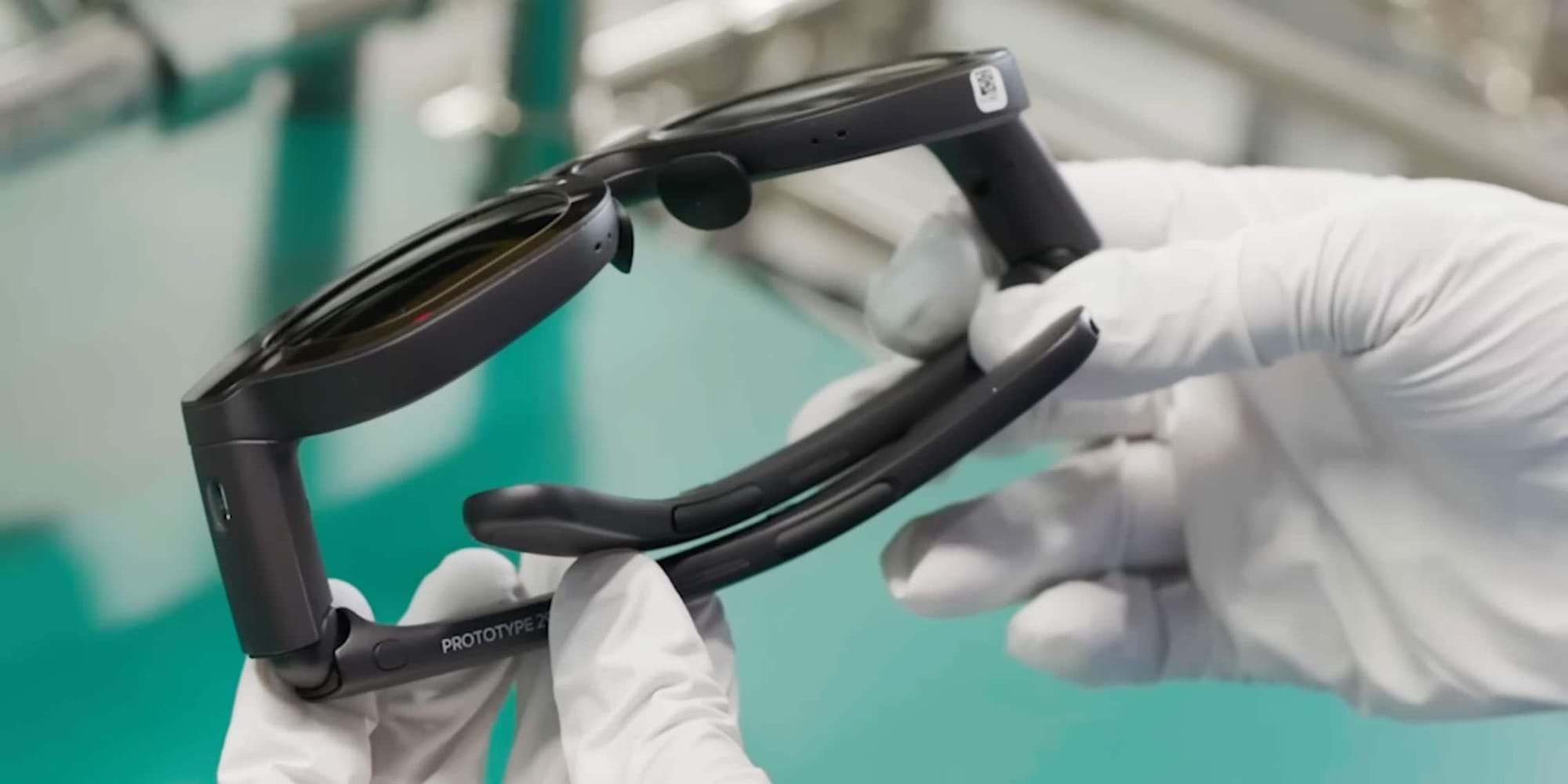
- Ultralight Design: Early prototypes, known as "Puffin," reportedly weighed less than 110 grams—less than a quarter of the weight of a Meta Quest 3.
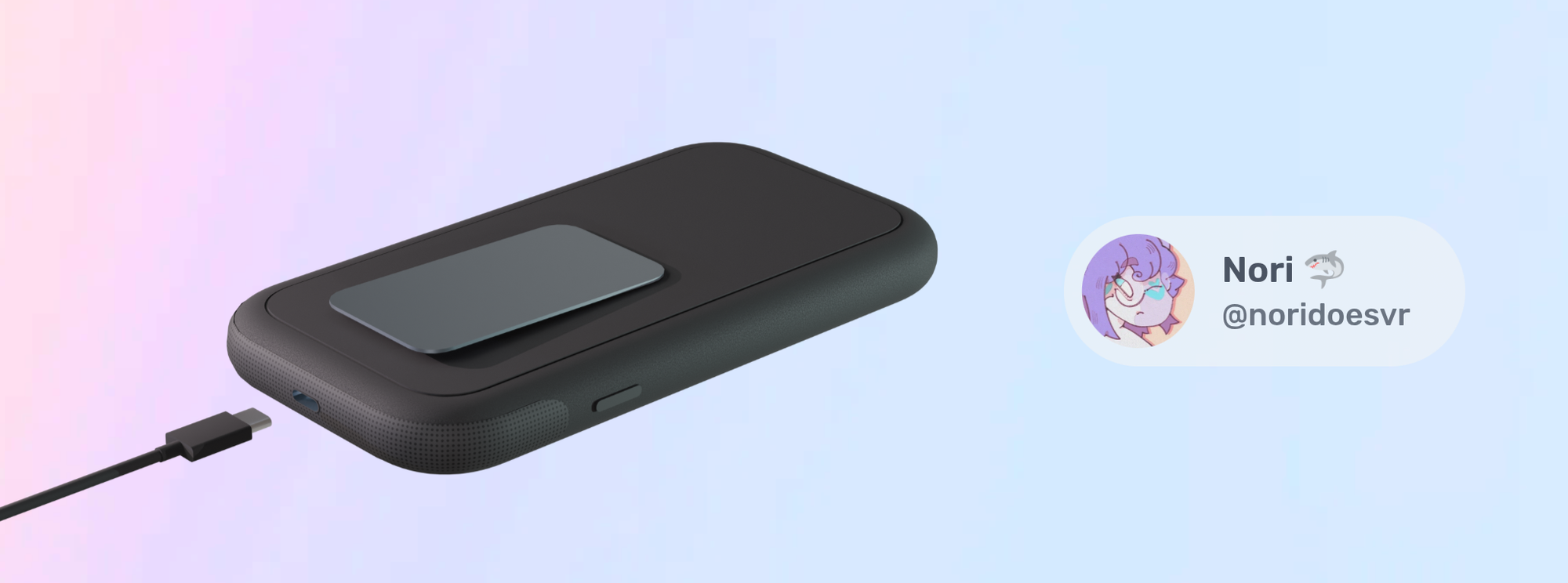
- Tethered Architecture: The battery and the primary system-on-a-chip (SoC) are located in a pocketable puck, connected to the frames via a thin cable.
- Advanced Optics: The device features pancake lenses and is rumored to utilize 2.5K micro-OLED displays from SeeYA Technology, offering deep contrast and high pixel density.
- Gaze-and-Pinch Input: Following the precedent set by Apple Vision Pro, Phoenix moves away from tracked controllers as the primary input, instead relying on high-precision eye and hand tracking.
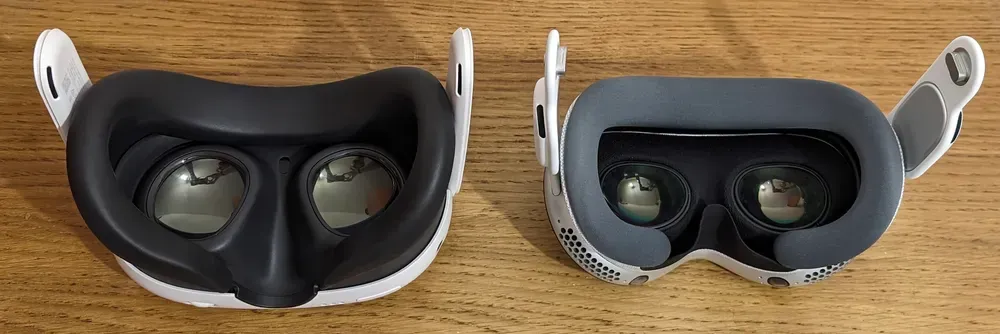
- Open-Periphery Form Factor: The default design lacks a traditional facial interface, allowing users to maintain a connection with their physical environment through their peripheral vision, similar to the Quest Pro.
Chronology: From "Puffin" to "Pegasus"
The journey of Project Phoenix reveals a company willing to cancel established roadmaps in favor of a more radical vision for the future.

2024: The Strategic Pivot
The project first surfaced under the codename Puffin. Reports from The Information described it as a "bulky pair of glasses" that achieved its light weight by offloading hardware. This development coincided with the cancellation of "La Jolla," a more traditional Quest Pro successor that was scrapped due to the high cost of micro-OLED components. Meta CTO Andrew Bosworth later confirmed that the company chose to prioritize "lightness and smallness" over adding more features to a heavy chassis.

2025: Prioritizing the Premium Experience
By mid-2025, internal priorities shifted further. Meta reportedly delayed the development of a traditional Quest 4 to focus on the ultralight headset. During this period, the project’s focus on entertainment and productivity became clear. Meta entered into a multi-year partnership with director James Cameron and his company, Lightstorm Vision, to bring high-end 3D cinema to the platform.
2026: Firmware Leaks and Technical Clarity
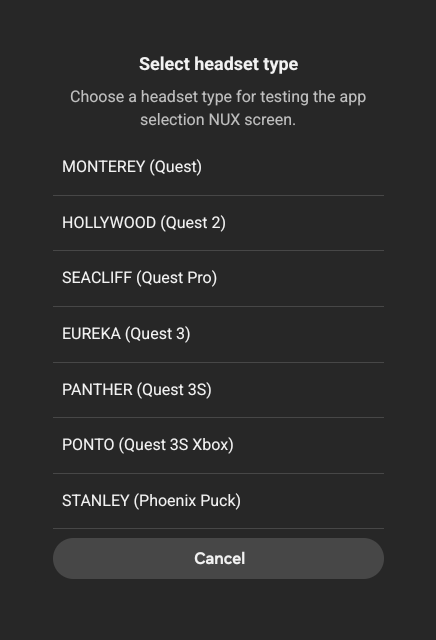
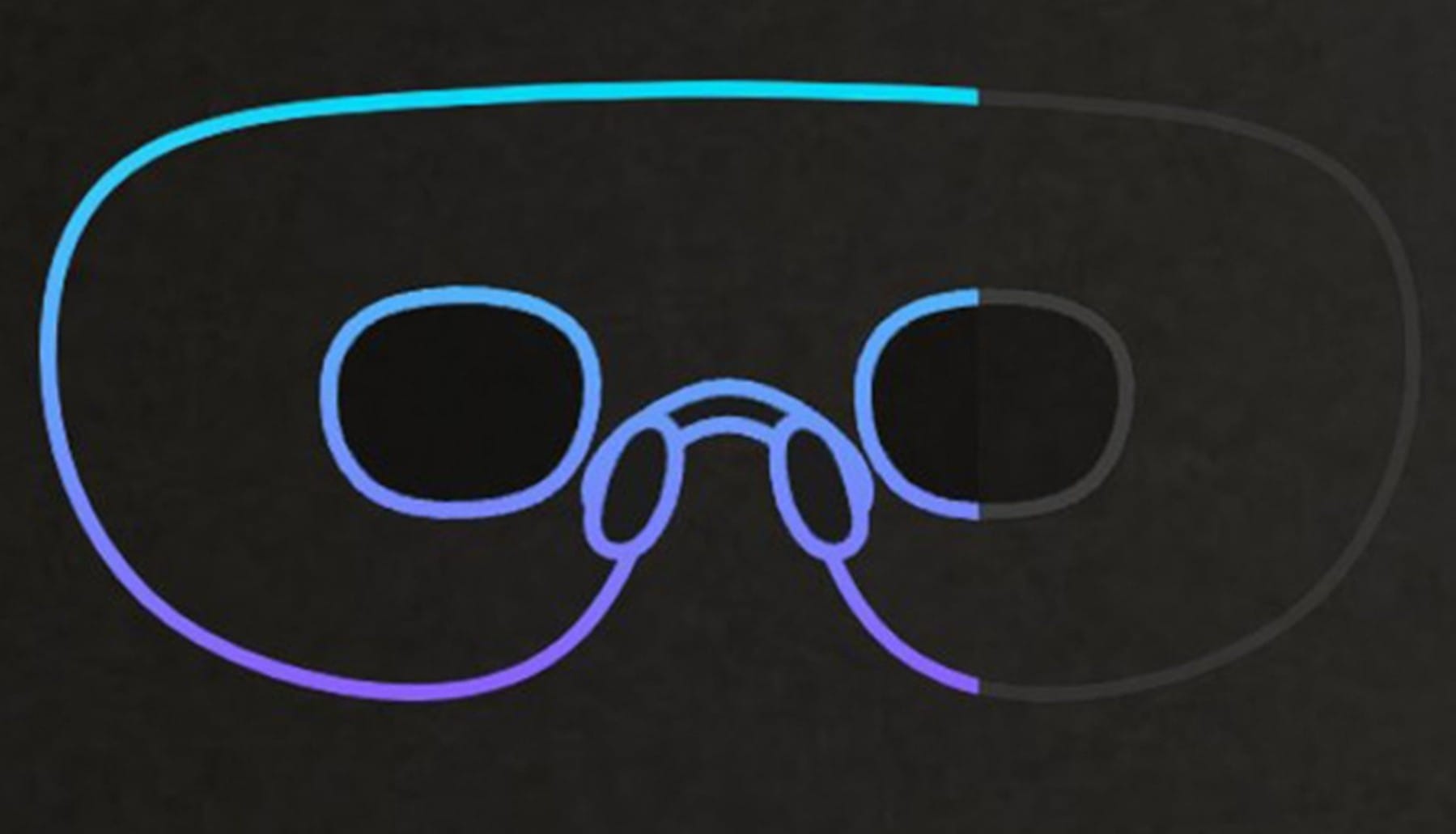
The year 2026 saw a flood of technical data. Dataminers discovered "Eye Tracking NUX" (New User Experience) packages within Horizon OS, revealing the device’s silhouette and setup process. The codename Loma appeared as the hardware candidate, while Stanley was identified as the mainboard platform. By August 2026, retail-facing web pages hosted by Meta’s partners began referring to the device as Pegasus, suggesting a final product name.
2027: The Launch Horizon
Current projections suggest a target ship date in the first half of 2027. This timeline places the device as a vanguard for Meta’s next generation of hardware, likely preceding a gaming-centric Quest 4.
Supporting Data: The Technical Foundation
The shift to an ultralight form factor requires a complete overhaul of the internal architecture. Supporting data from firmware and hardware benchmarks provide a clear picture of how Meta plans to achieve this.
The Snapdragon Reality Elite (Niobe)
Phoenix is expected to be powered by Qualcomm’s Snapdragon Reality Elite chipset. Announced in June 2026, this SoC is explicitly designed for "split-processing" architectures where the chipset resides in a tethered puck. Benchmarks for a reference board codenamed Niobe (linked to Meta’s "Stanley" platform) show significant GPU performance gains over the XR2 Gen 2, essential for driving high-resolution micro-OLED displays with low latency.
Display Evo and Window Management
The software experience of Phoenix will be driven by Display Evo, a total overhaul of the Horizon OS windowing system. Leaked footage shows a move away from the rigid "three-app" layout. In Display Evo, 2D windows can:
- Open freely in 3D space.
- "Snap" together into groups.
- Be organized into a "Stack" that users can flip through.
- Utilize "Dynamic Ambience," a feature that casts a cinematic glow around windows during media playback.
"Hologram" and Codec Avatars
One of Meta’s most significant research projects, Codec Avatars, appears ready for its consumer debut on Phoenix. Firmware references to "Hologram Calling" suggest that the device’s inward-facing sensors will be used to create photorealistic digital twins for telepresence. This system uses the headset’s eye and face tracking sensors to replicate the user’s expressions with high fidelity, aiming to solve the "uncanny valley" problem of current cartoonish avatars.
Official Responses: The Philosophy of Lightness
Meta’s leadership has been vocal about the trade-offs required to make spatial computing a daily habit.
Andrew Bosworth on the "Worthy Trade-off"
In a November 2025 "Ask Me Anything" session, Meta CTO Andrew Bosworth defended the decision to offload hardware to a puck. "I think lightness is premium on the headset," Bosworth stated. "I think it’s more important than a lot of other features. You can take those wins [from each generation] and pour it into lightness and smallness, and that’s probably the right call."
Chris Pruett on Mainstream Adoption
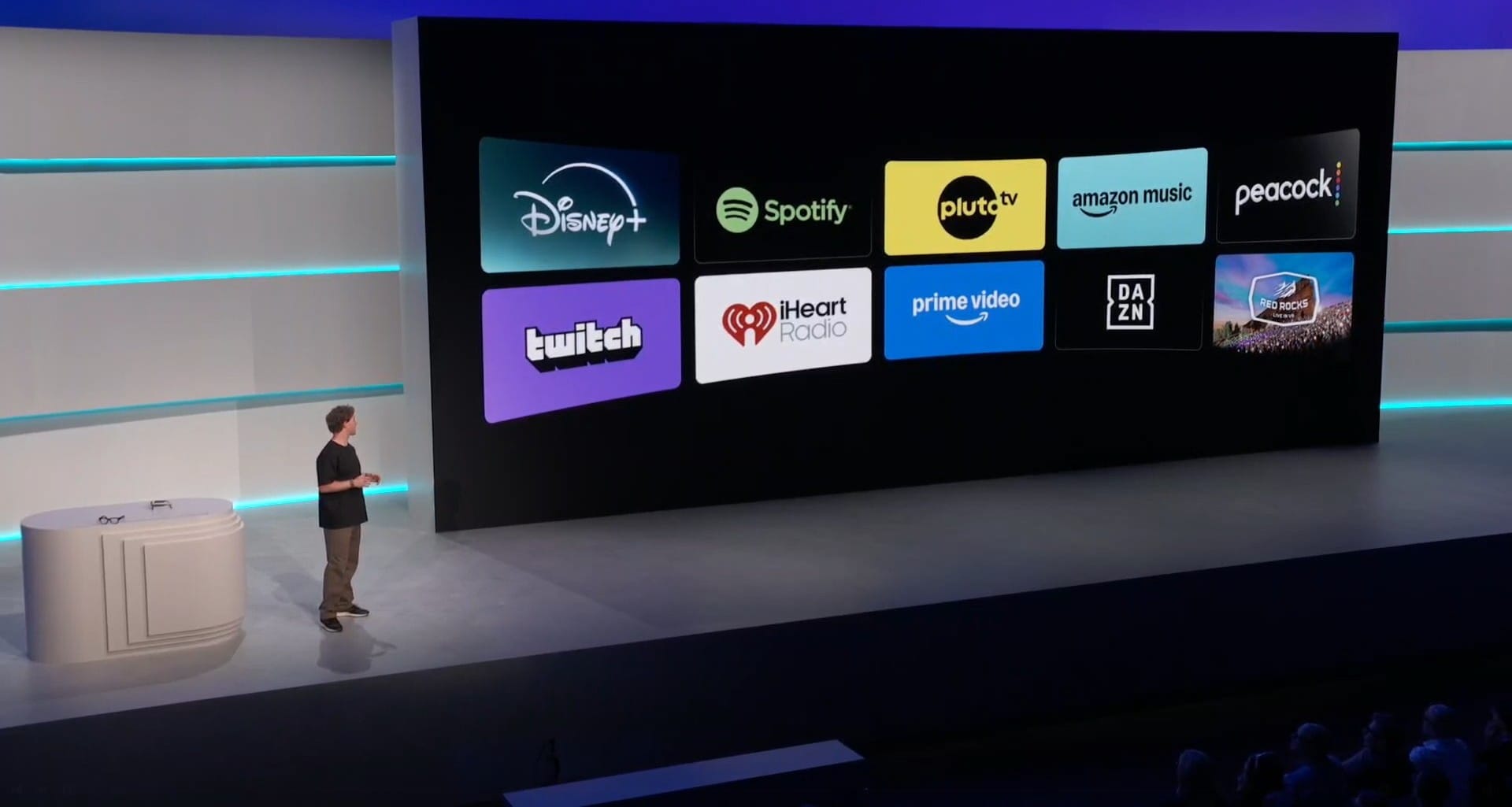
Meta’s Director of Games, Chris Pruett, highlighted a shift in the target audience during GDC 2026. He noted that Meta expects "Mainstream Adults" to enter the ecosystem through media consumption first. "They purchase VR as a TV replacement first, then discover that it can also play video games," Pruett explained. This justifies the Phoenix’s focus on seated, controller-free experiences like 3D cinema and virtual productivity.

James Cameron on the "Imminent" Future
In various interviews, director James Cameron has championed the form factor of Phoenix. He argued that the weight and form factor issues that have plagued VR are being "conquered." Cameron’s involvement suggests that Meta is positioning the device as the ultimate "portal for all media," specifically targeting the 3D cinema market that has struggled in traditional theaters.

Implications: Redefining the Market
The arrival of Project Phoenix (Pegasus) carries profound implications for the VR/AR industry and Meta’s competitive standing.

A Direct Challenge to Apple and Samsung
With a rumored price point under $1,000, Phoenix is a strategic move to undercut the Apple Vision Pro while offering a similar "eye and hand" interaction model. By using a tethered puck for both battery and compute—whereas Apple only offloads the battery—Meta can achieve a lighter head-borne weight, potentially solving the comfort issues that have hindered the Vision Pro’s adoption.

The "TV Replacement" Strategy
By branding the device as a premium media viewer, Meta is moving away from the "gaming-only" stigma of VR. If Phoenix can successfully act as a high-fidelity virtual cinema and a multi-monitor workstation, it expands Meta’s addressable market to include professionals and film enthusiasts who have previously ignored the Quest line.

The Future of Input
The emphasis on gaze-and-pinch interaction suggests that Meta is preparing for a future where controllers are optional accessories. While Phoenix will likely remain backward compatible with Quest Touch Plus controllers, the core OS is being rebuilt for a more natural, "invisible" interface. This transition is crucial for making spatial computing feel like a seamless extension of the human body rather than a peripheral for a computer.
Conclusion
Project Phoenix represents a "rebirth" of Meta’s high-end hardware ambitions. By sacrificing the all-in-one simplicity of the Quest for the ergonomic elegance of a tethered system, Meta is betting that comfort is the ultimate "killer app." If the 2027 launch meets the expectations set by these leaks, the device could finally bridge the gap between niche enthusiast hardware and the ubiquitous "spatial glasses" the industry has promised for decades.