Steam Next Fest June Edition: A Critical Gateway for the Future of PC VR
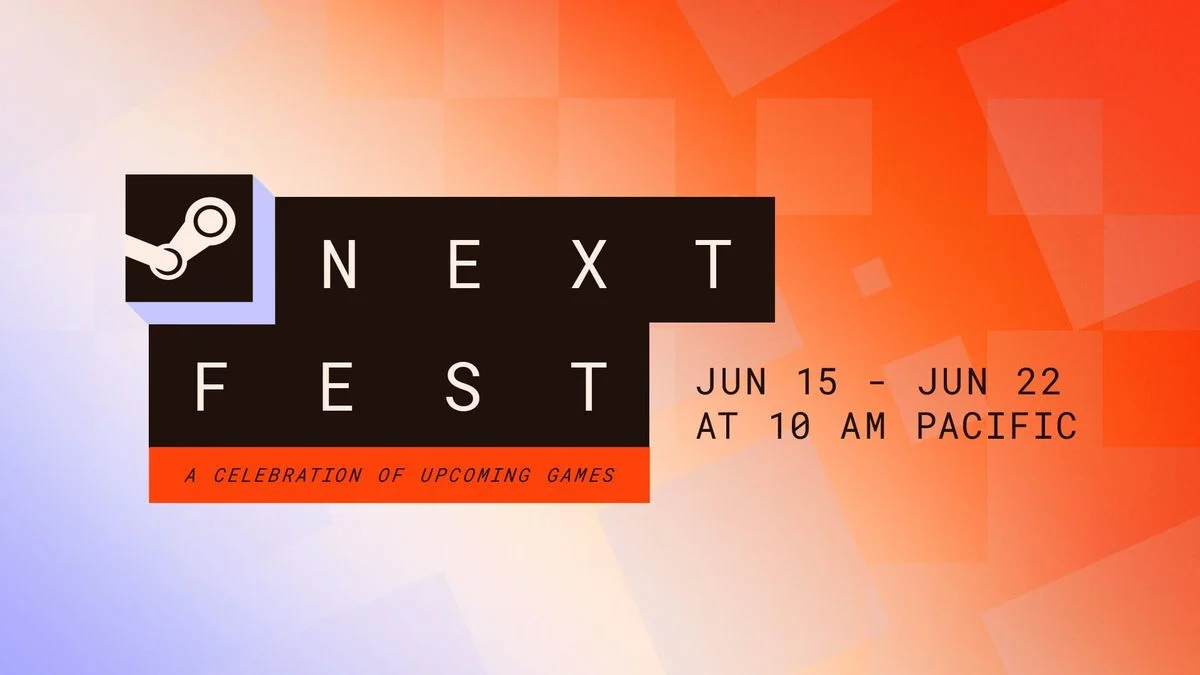
The digital landscape of PC gaming is currently centered on a single, high-stakes event: Steam Next Fest. Running from today through June 22, this week-long celebration of upcoming titles has become a cornerstone of the industry’s marketing calendar. For the Virtual Reality (VR) sector, however, the stakes are arguably higher. As the VR industry navigates a complex transition between high-end tethered experiences and mobile standalone dominance, Steam Next Fest serves as a vital proving ground for developers seeking to capture the attention of the PC VR enthusiast.
Main Facts: The Scope and Scale of the June Festival
Steam Next Fest is a multi-day event hosted by Valve Corporation, designed to give players early access to hundreds of game demos while providing developers with crucial data and visibility. This June edition features a significant subset of titles dedicated to Virtual Reality, offering a rare window for users to test hardware compatibility and comfort levels before a game’s official launch.
The event officially concludes on June 22 at 1:00 PM ET. During this window, users have access to a curated yet fluid list of titles. Key highlights of this year’s VR selection include Loop One Done, a fast-paced action title; Fixer Undercover, a narrative-driven escape room puzzler; and Peak Rhythm, a fitness-focused rhythm game.
Crucially, the festival is not merely a promotional tool but a technical gauntlet. Valve’s internal lists, provided to media outlets weeks in advance, are subject to rapid changes. Developers often register and subsequently withdraw due to technical hurdles, or release "hybrid" titles where the demo version lacks the VR support promised for the final release. This volatility underscores the experimental nature of the VR medium and the logistical challenges of maintaining a digital trade show of this scale.
Chronology: The Evolution of the Digital Demo
To understand the importance of this June’s Steam Next Fest, one must look at the trajectory of game distribution over the last decade.
The Post-E3 Vacuum (2019–2021)
Originally conceived as the "Steam Game Festival" in late 2019, the event was a collaboration between Valve and The Game Awards’ Geoff Keighley. It was designed to fill the void left by the declining physical presence of trade shows like E3. As the COVID-19 pandemic moved the industry entirely online in 2020, Valve rebranded and expanded the concept into Steam Next Fest.
The VR Integration Phase (2022–2023)
As VR hardware like the Valve Index and the Meta Quest (via Oculus Link) proliferated, Valve began refining the "VR" tag within the festival. Previous years saw a "Wild West" of tagging, where non-VR games would appear in VR searches. By 2023, Valve improved its filtering systems, though as noted in current reports, erroneous tagging remains a persistent issue that requires manual curation by the community and media.
The Current Window (June 2024)
The lead-up to the current festival began roughly two weeks ago when Valve distributed a preliminary list of participants to industry partners. Since that time, several developers have adjusted their participation. The week-long duration is a strict "limited-time" window; once June 22 passes, many of these demos will be delisted from the Steam Store, making this a high-pressure week for both "wishlisting" and performance testing.
Supporting Data: The Impact of Demos on VR Success
The inclusion of VR in Steam Next Fest is supported by data suggesting that "try-before-you-buy" is more critical for VR than for traditional flat-screen gaming.
The "Wishlist" Metric
According to Valve’s internal developer documentation, games featured in Steam Next Fest see an average increase in "daily active wishlists" by over 400% during the event. For VR developers—who operate in a smaller, more niche market—this visibility is often the difference between a successful launch and obscurity. Titles like Fixer Undercover rely on these demos to prove that their "escape room" mechanics translate well to various VR controllers, a technical hurdle that doesn’t exist in traditional gaming.
The Hybrid Title Challenge
A significant trend in this year’s data is the rise of the "Hybrid Title"—games that offer both standard and VR modes. However, data from early participants suggests a disconnect: approximately 15-20% of hybrid titles in the festival provide a demo that is restricted to the 2D version. This creates a friction point for VR enthusiasts who use the festival specifically to test "VR comfort scores" and performance optimization on their specific rigs.
Hardware Diversification
Steam’s most recent Hardware Survey shows that while the Meta Quest 2 and 3 dominate VR usage on Steam (via Link/AirLink), there is a dedicated 15% of the market using high-end headsets like the Valve Index, Bigscreen Beyond, and Pimax. The June Next Fest demos serve as a benchmark for these users to see how well new titles utilize high-refresh rates and finger-tracking technologies.
Official Responses and Developer Perspectives
Valve’s official stance on the event remains focused on the democratization of game discovery. In statements regarding the festival’s structure, Valve emphasizes that Next Fest is "a multi-day celebration of upcoming games" where "fans can try out demos, watch developer livestreams, and chat with the teams about their games in progress."
However, developers have expressed a more nuanced view of the event’s rigorous demands.
The Technical Hurdle
Developers of Peak Rhythm noted in early access discussions that maintaining a stable demo for a wide array of VR headsets—ranging from the aging HTC Vive to the latest Quest 3—is a resource-intensive task. "The festival is a double-edged sword," one developer noted (speaking generally on the process). "You get the traffic, but if your demo crashes on a specific headset during Next Fest, it can hurt your long-term reputation before the game even launches."
Valve’s Curation Policy
Valve has acknowledged the issues regarding "erroneous tagging." While the Steam algorithm is powerful, it relies heavily on developer-inputted tags. Valve’s response to these discrepancies has been to allow users to "report" incorrect tags, but during a fast-moving event like Next Fest, manual oversight from editorial outlets becomes the primary filter for the consumer.
Implications: What This Means for the VR Ecosystem
The outcomes of this week’s Steam Next Fest will have long-term implications for the VR industry throughout the remainder of the year.
1. The Validation of PC VR
With Meta focusing heavily on its standalone ecosystem, Steam Next Fest remains the most important venue for proving that PC VR is still a viable market for high-fidelity experiences. If titles like Loop One Done see high engagement, it signals to investors and publishers that there is still a "hardcore" audience willing to play tethered or high-bitrate wireless games.
2. The "Demo-First" Consumer Culture
Because VR carries the unique risk of "motion sickness," the festival is helping to establish a consumer culture where a demo is seen as a prerequisite for a VR purchase. This could lead to a permanent shift where VR titles without a trial period are viewed with skepticism by the community.
3. Algorithmic Momentum
The "wishlist" spikes generated this week will dictate the visibility of these games upon their full release. Steam’s "Popular Upcoming" and "New and Trending" sections are heavily influenced by the velocity of wishlists. Therefore, the performance of Fixer Undercover or Peak Rhythm this week will directly impact their organic reach six months down the line.
4. Technical Standardization
The feedback gathered from thousands of users testing these demos on varied hardware will likely lead to a "patch wave" in July. Developers will use the crash reports and performance data from Next Fest to optimize their titles, effectively using the festival as a massive, public beta test.
Conclusion
Steam Next Fest is more than a simple collection of demos; it is a pulse check for the state of PC VR. As users navigate the offerings through June 22, they are not just playing games—they are participating in a massive data-gathering exercise that will shape the releases of 2024 and beyond. For enthusiasts, the message is clear: the window is short, the titles are experimental, and the impact is permanent. Whether you are looking for the rhythmic intensity of Peak Rhythm or the cerebral puzzles of Fixer Undercover, this week represents the most significant opportunity of the year to glimpse the future of immersive entertainment.