The Valve Steam Frame: Detailed Analysis of the Impending Launch and Hardware Strategy
The landscape of high-end virtual reality is on the precipice of a significant shift. After months of calculated silence and sporadic technical leaks, Valve Corporation appears to be moving into the final stages of preparation for its next major hardware release: the Steam Frame. While the Bellevue-based company has yet to issue a formal press release or a definitive launch date, recent activity within the Steam backend suggests that the "Summer 2026" window originally promised by the company is about to be realized.
Evidence gathered from database trackers and hardware analysts indicates that Valve is following a launch protocol remarkably similar to that of the Steam Machine. With reservation systems appearing in the backend and review units already in the hands of select testers, the industry is bracing for an official announcement that could arrive as early as the second week of September.
Main Facts: The Backend Awakening
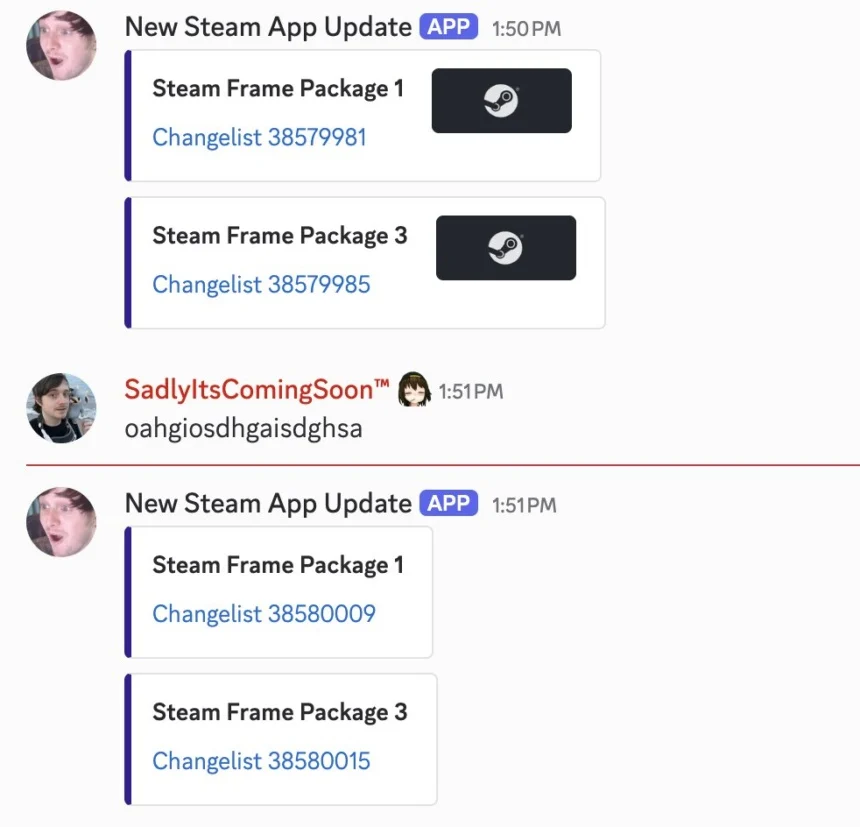
The most concrete evidence of an imminent launch comes from the meticulous monitoring of Steam’s internal package system. On September 3, 2026, Valve updated two specific Steam Frame packages for the first time in approximately four months. According to renowned VR dataminer Brad Lynch, these updates coincide with the activation of a reservation system for two distinct Stock Keeping Units (SKUs) within the Steam backend.
The two SKUs are widely believed to represent the two storage tiers Valve previously announced: a 256GB entry model and a premium 1TB version. While the reservation interface is not yet accessible to the general public, its presence indicates that the logistical infrastructure for processing orders is live. Lynch’s findings suggest a total of seven packages related to the Steam Frame are currently registered in the database. These likely account for regional variations—such as different power adapters for North American, European, and Asian markets—as well as potential "Founder’s Edition" bundles or accessory kits.
Crucially, the backend data suggests that the reservation system is a "hard" implementation, meaning the code is ready to be toggled to public view at a moment’s notice. However, as Lynch warned his followers, there is currently no exploit available to bypass the "coming soon" gates to secure a spot ahead of the official opening.
Chronology: A Pattern of Launch Behavior
To understand when the Steam Frame will actually be available for purchase, analysts are looking back at Valve’s historical hardware rollouts, specifically that of the Steam Machine. The parallels are striking:
- The Preparation Phase (May – August 2026): Throughout the summer, Valve focused on "soft" preparations. This included the arrival of physical inventory at global distribution centers and the inclusion of "Steam Frame Compatible" ratings for various titles in the Steam store.
- The Media Phase (August 2026): Reports surfaced that review units had reached testers. This was corroborated by the accidental leak of onboarding videos within an ARM-based version of the Steam client.
- The Final Backend Push (September 3, 2026): The update of the two primary SKUs and the activation of the reservation code.
- The Comparison Window: When Valve prepared the Steam Machine for launch, backend packages were updated on June 16, with public reservations opening exactly six days later on June 22.
Applying this six-day logic to the current Steam Frame timeline, industry observers are circling the week of September 7 as the most likely window for the reservation portal to go live. This aligns with whispers from supply chain sources pointing toward September 14 as the date for the first wave of retail shipments. With the "Summer 2026" deadline technically ending on September 22 (the autumnal equinox), Valve is cutting it close, but remains on track to fulfill its seasonal promise.

Supporting Data: Hardware and Software Readiness
The Steam Frame is not merely a rumor; it is a hardware ecosystem that has been leaking in fragments for nearly a year. The most telling data points come from the software meant to support the device.
The ARM Client Leak
One of the most significant technical reveals occurred when Valve accidentally included Steam Frame onboarding videos in a public update of the Steam client. These videos provided a comprehensive look at the user experience, covering:
- Unboxing and Physical Setup: Detailed instructions on headset adjustment and the fastening of controller straps.
- The Dedicated Wireless Adapter: Confirmation of a proprietary wireless solution designed to minimize latency—a perennial hurdle for high-end PCVR.
- Onboarding Tutorials: A "Welcome Tour" designed to introduce users to the Steam Frame’s unique interface.
Storage and Performance
The existence of 256GB and 1TB models suggests that the Steam Frame may function as a hybrid device. Much like the Steam Deck, the internal storage indicates the ability to run some software natively, while the "Dedicated Wireless Adapter" points toward a high-fidelity connection to a host PC.
The "Alyx" Incentive
Software is the lifeblood of any hardware launch, and Valve appears to be leveraging its greatest VR asset. Code discovered in recent Steam updates suggests that the Steam Frame may come bundled with a free copy of Half-Life: Alyx. As the gold standard for VR gaming, its inclusion serves as a powerful incentive for the $1,000+ investment the hardware is expected to require.
Official Responses: The Sound of Silence
In keeping with its corporate culture, Valve has remained officially silent regarding the September leaks. The company has a long-standing "no comment" policy regarding datamined information or speculation based on backend changes.
However, the lack of a denial is often seen as a confirmation in the tech world. When Valve’s "Summer 2026" window was first announced, it was met with skepticism given the complexity of VR hardware. By allowing the summer to nearly expire before making these backend moves, Valve is demonstrating a "just-in-time" delivery strategy, likely to ensure that software stability matches the hardware’s build quality.
The only official metric currently available is the Steam Machine’s pricing as a reference point. With the Steam Machine launching at $1,049, and Brad Lynch’s sources suggesting a similar premium tier for the Steam Frame, it is clear that Valve is targeting the enthusiast market rather than the budget-conscious consumer.
Implications: What the Steam Frame Means for the Industry
The launch of the Steam Frame is more than just the release of a new gadget; it is a strategic maneuver in the ongoing battle for the future of the "spatial computing" and VR markets.

1. A Challenge to the High-End Market
By pricing the Steam Frame in the $1,000+ range, Valve is positioning itself against the Apple Vision Pro and the Meta Quest Pro, rather than the consumer-grade Quest 3. This suggests that the Steam Frame will prioritize visual fidelity, tracking precision, and comfort over mass-market affordability.
2. The Evolution of the Steam Ecosystem
The Steam Frame represents the next step in Valve’s "SteamOS" philosophy. By creating a dedicated headset that integrates seamlessly with the Steam library, Valve is further insulating its ecosystem from the influence of Windows or other third-party operating systems. The inclusion of an ARM-based client suggests that Valve is looking toward a future where high-end gaming is untethered from the traditional x86 PC architecture.
3. The Wireless Standard
If Valve has truly cracked the code on a low-latency, high-bandwidth wireless adapter, it could set a new industry standard. Current "Air Link" or "Virtual Desktop" solutions are often hampered by household Wi-Fi congestion. A dedicated, proprietary dongle or adapter could provide the "tethered feel" without the physical cable, solving one of VR’s most persistent ergonomic complaints.
4. The Hardware-Software Synergy
Valve’s ability to control both the hardware (Steam Frame) and the storefront (Steam) allows for a level of optimization that third-party manufacturers like HTC or HP cannot match. This synergy is what made the Steam Deck a success, and Valve is clearly hoping to replicate that formula in the VR space.
Conclusion: The Final Countdown
As of early September 2026, all indicators point to a launch that is imminent. The inventory is in the warehouses, the software is localized and ready, and the reservation "buy buttons" are waiting to be clicked.
For the VR community, the Steam Frame represents the culmination of years of waiting for a true successor to the Valve Index. If the patterns hold, the gaming world should expect an official reveal within days, followed by a reservation window that will likely see the 1TB models sell out in minutes. Valve may have kept us waiting, but the sheer volume of backend activity suggests that when the Steam Frame finally arrives, it will do so with the weight of a company that has spent years perfecting its vision for the future of play.