Sumerian Pictures Secures North American Rights to Definitive Butthole Surfers Documentary
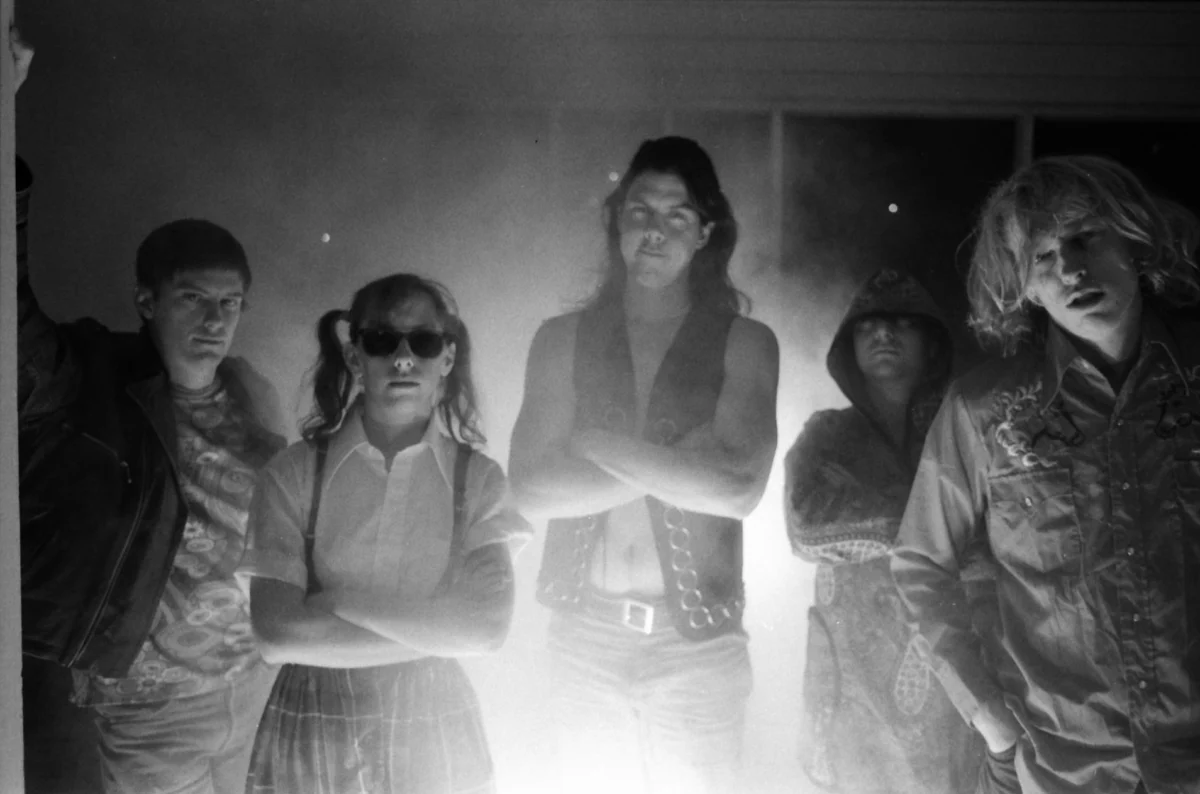
In a move that underscores the growing synergy between the independent film circuit and the legacy of underground rock, Sumerian Pictures has officially acquired the North American distribution rights for Butthole Surfers: The Hole Truth and Nothing Butt. The documentary, directed by Tom Stern, serves as a comprehensive and visually experimental tribute to one of the most polarizing and influential bands to emerge from the American punk scene.
The acquisition marks another significant milestone for Sumerian Pictures, a relatively new distribution arm that has rapidly asserted itself as a formidable player in the indie landscape. By securing a film that has already garnered critical acclaim and multiple festival awards, Sumerian continues to build a portfolio defined by bold, unconventional storytelling and high-profile creative collaborations.
Main Facts: A Psychedelic Deep Dive into Chaos
Butthole Surfers: The Hole Truth and Nothing Butt is not a standard talking-head documentary. Directed by Tom Stern—a filmmaker known for his work on Freaked and various cult projects—the film mirrors the band’s own chaotic and surrealist aesthetic. It employs a multi-disciplinary approach to storytelling, blending rare archival footage from the band’s notoriously volatile live shows with animation, puppetry, and scripted reenactments featuring the band members themselves.
The documentary features an impressive roster of interviewees who provide context for the band’s radical influence on modern music and culture. These include Academy Award-nominated director Richard Linklater, Flea (Red Hot Chili Peppers), Dave Grohl (Nirvana, Foo Fighters), John Paul Jones (Led Zeppelin), Henry Rollins (Black Flag), and Ice-T. Their testimonials trace the band’s trajectory from the fringes of the Texas underground to the heights of alternative rock stardom in the 1990s.
The deal for the North American rights was negotiated by Rob Williams, President of Sumerian Pictures, alongside Dan Braun and Matt Burke of Submarine, who represented the filmmakers. The film is set for a rollout that begins with exclusive event engagements at Alamo Drafthouse Cinema locations, followed by a wide-scale all-media release.
Chronology: From Underground Pariahs to Mainstream Icons
To understand the significance of this acquisition, one must look at the four-decade history of the Butthole Surfers and the recent rapid ascent of Sumerian Pictures.
The Band’s Evolution (1981–1996)
Formed in San Antonio, Texas, in 1981 by Gibby Haynes and Paul Leary, the Butthole Surfers were initially defined by their uncompromising refusal to conform. During the 1980s, they became staples of the "endless tour" circuit, living out of vans and delivering live performances that were as much performance art as they were concerts. These shows often featured strobe lights, medical films projected onto the band, and erratic, often dangerous behavior.

In the mid-1980s, their name alone was a barrier; many newspapers refused to print it, and promoters often billed them under pseudonyms. However, by the early 1990s, the musical landscape shifted. The rise of Grunge, spearheaded by fans like Kurt Cobain, brought the band’s "weirdness" into the mainstream. This era culminated in the band signing to Capitol Records and working with Led Zeppelin’s John Paul Jones, who produced their 1993 album Independent Worm Saloon. By 1996, the band achieved the improbable, scoring a modern rock hit with "Pepper" and appearing on late-night television.
The Documentary’s Festival Run (2024–2025)
Before Sumerian’s acquisition, the film underwent a successful tour of the international film festival circuit. It debuted to critical praise, winning the "Best in Texas" award at SXSW, a fitting homecoming for a band born in the Lone Star State. It continued its winning streak by picking up the Documentary Audience Award at the Philadelphia Film Festival and the Grand Jury Prize for Best Documentary at the Independent Film Festival Boston.
The Rise of Sumerian Pictures (2023–Present)
Sumerian Pictures entered the film distribution market only last year, but it brought with it the 20-year legacy of its parent company, Sumerian, which has long been a powerhouse in the music and publishing industries. The company made waves at the 2026 Sundance Film Festival by acquiring Josephine, the Grand Jury Prize and Audience Award winner starring Channing Tatum and Gemma Chan. The acquisition of the Butthole Surfers documentary reinforces Sumerian’s strategy of blending high-end prestige films with cult-oriented, music-centric content.
Supporting Data: A Legacy of Influence
The documentary highlights the band’s role as a "radically inclusive" force during the Reagan era. At a time when the American underground was often hyper-masculine and exclusionary, the Butthole Surfers’ brand of chaos was seen as an antidote to the straight, conformist, and often homophobic ethos of the time.
Data from the film’s production notes and historical records illustrate the band’s immense reach:
- Kurt Cobain’s Top 50: The Butthole Surfers’ Pee Pee the Sailor (often cited as Locust Abortion Technician) was famously included in Kurt Cobain’s handwritten list of his 50 favorite albums.
- Mainstream Breakthrough: Their 1996 single "Pepper" reached Number 1 on the Billboard Modern Rock Tracks chart, a feat that seemed impossible for a band with their name and history just a decade prior.
- Production Pedigree: The involvement of John Paul Jones as a producer in the 90s provided the band with a "classic rock" seal of approval that few of their punk peers ever received.
The documentary uses these milestones to argue that the Butthole Surfers were not just a "joke" band or a "noise" act, but a pivotal bridge between 70s psychedelia and 90s alternative rock.
Official Responses: "A Wild Ride"
The leadership at Sumerian Pictures and the film’s creative team have expressed high expectations for the documentary’s theatrical and home media life.
Rob Williams, President of Sumerian Pictures, emphasized the film’s energy and the band’s historical weight. "Tom Stern and his team are taking us on a wild ride, and we are excited to bring audiences to the incredible story of these punk icons," Williams stated. He noted that the film aligns perfectly with Sumerian’s mission to bridge the gap between music culture and cinematic storytelling.

Director Tom Stern reflected on the gratifying experience of seeing the film resonate with festival audiences. "The Butthole Surfers are one of the most mind-blowing stories in rock history," Stern said. "Our goal was to make a film that captured their essence, so the ecstatic reactions of film festival audiences have been deeply gratifying. I’m thrilled Sumerian has joined forces with us to bring this experience to an even wider audience."
Stern’s comments suggest that the film’s experimental style—using puppets and animation—was a deliberate choice to avoid the "stale" feeling of traditional documentaries, ensuring the medium matched the message of the band’s erratic history.
Implications: The Future of Music Documentaries and Indie Distribution
The acquisition of Butthole Surfers: The Hole Truth and Nothing Butt has several implications for the industry and the band’s legacy.
1. The Evolution of Sumerian Pictures
By diversifying its slate with projects like Josephine (a prestige drama) and The Hole Truth and Nothing Butt (a music documentary), Sumerian Pictures is positioning itself as a "boutique powerhouse." It is following a blueprint similar to A24 or NEON, where the brand of the distributor becomes a mark of quality and "cool" for a specific demographic. Their upcoming slate, including Louis Paxton’s The Incomer and Chandler Levack’s Mile End Kicks, suggests a commitment to diverse genres and international voices.
2. The "Eventization" of Independent Film
The release strategy—starting with exclusive engagements at Alamo Drafthouse—reflects a growing trend in indie distribution: "eventization." By partnering with a cinema chain known for its "cinephile" culture and robust food and beverage service, Sumerian is turning the documentary into an experience. This model is particularly effective for cult subjects with devoted fanbases who are likely to show up for a "one-night-only" or limited-run event.
3. Cementing the "Weird" in Rock History
For the Butthole Surfers, this documentary serves as a definitive historical record. As the original members of the 80s underground age, there is an industry-wide push to document these subcultures before the primary sources are gone. By securing a high-profile release, the film ensures that the band’s contribution to the "anti-establishment" movement is recognized not just as a footnote, but as a central chapter in the story of American rock.
4. The Synergy of Music and Film
Sumerian’s 20-year history in the music business gives them a unique advantage in marketing this film. They understand the "fan-to-consumer" pipeline better than traditional film distributors. This acquisition may signal a broader trend where music labels and publishers increasingly take ownership of the visual narratives surrounding their artists and genres.
In conclusion, Butthole Surfers: The Hole Truth and Nothing Butt is more than a nostalgia trip. It is a strategic acquisition for Sumerian Pictures that validates the enduring power of counter-culture. As the film moves from the festival circuit to North American theaters, it promises to introduce a new generation to the "chaotic, energetic, and mind-blowing" world of a band that was once too "dangerous" for the evening news.