Unearthing the Mycelial Network of Myth: Zoe Gilbert on Herne the Hunter and the Ever-Evolving Tapestry of Folklore
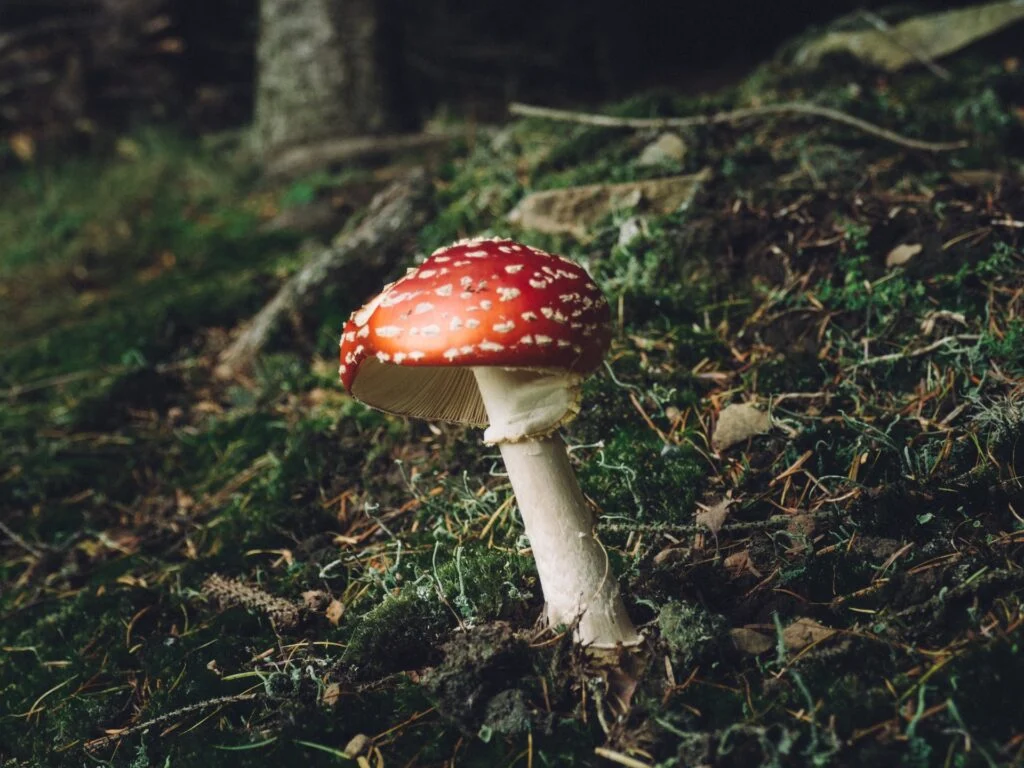
London, UK – Beneath the visible canopy of our cultures and societies lies an unseen, intricate web, silently connecting, informing, and nourishing the stories that sprout above. This profound analogy, likened to the mycorrhizal network of fungi that underpins a forest, serves as the guiding principle for author Zoe Gilbert’s exploration into the enduring power of folklore, particularly as she delved into the enigmatic figure of Herne the Hunter for her latest novel, Mischief Acts. Gilbert posits that our tales, myths, and songs are not isolated entities, but rather vital manifestations of a vast, subterranean system of shared cultural heritage, continuously spreading, putting out feelers, and thriving.
Just as a casual stroll through a forest might reveal distinct species of oak – an English oak here, a sessile oak there – our cultural landscape presents us with individual stories and songs. We marvel at their unique forms, perhaps enjoying their metaphorical shade. Yet, for those inclined to delve beneath the surface, to excavate the rich, busy earth, the thrill of discovering and following the threads of this folkloric mycelium is unparalleled. It is this very pursuit that led Gilbert on a captivating journey, revealing unexpected kinships, ancient ancestors, and burgeoning progeny within the sprawling narrative of Herne the Hunter.
The Elusive Herne: A Mushroom of Mythical Proportions
Herne the Hunter is, in many respects, a quintessential "mushroomy" character within the folkloric forest. He is present if one knows where to look, yet rarely commands centre stage in the grand diorama of woodland myth. For Gilbert, and indeed for many writers and readers she has encountered, Herne has long lurked on the periphery of their folkloric vision, a spectral presence popping up in tales that primarily belong to other, more prominent figures.
His appearances span centuries of literature, testament to his persistent, if often supporting, role. In John Masefield’s classic The Box of Delights, he emerges as a wise, guiding mentor to young Kay Harker, a beacon of ancient wisdom. Susan Cooper, in her seminal work The Dark is Rising, casts him in a more menacing light, his owl-like eyes haunting Will Stanton. More recently, Nick Hayes’ The Book of Trespass features Herne as a symbol, inspiring the author to contemplate the very act of breaking law to touch the legendary Herne’s Oak, an act of communion with wildness and defiance.
Perhaps his most celebrated, though still peripheral, moment came in William Shakespeare’s The Merry Wives of Windsor, where he is invoked as a horned spirit haunting Windsor Forest. Later, the Victorian novelist William Harrison Ainsworth, in his 1842 novel Windsor Castle, embellished Herne with a glorious, if speculative, origin story, cementing his association with the ancient royal hunting grounds.
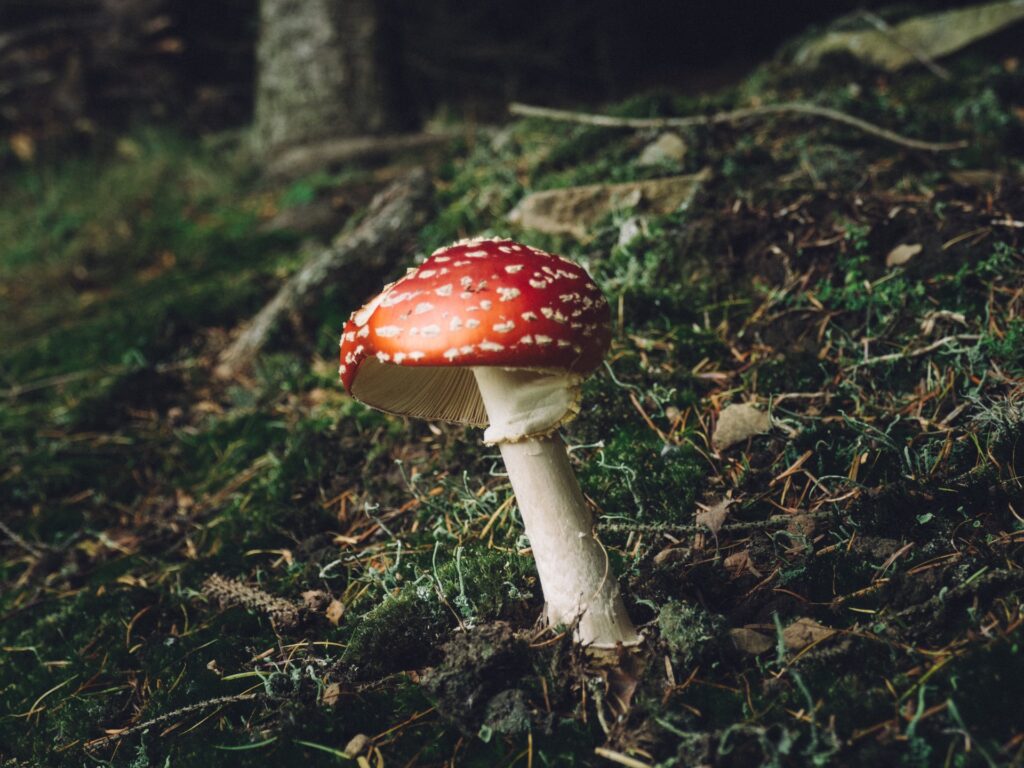
Gilbert vividly compares Herne to the striking fly agaric mushroom: "arresting when spotted, gorgeous and dangerous, courting the human footways but rarely sought to fill a whole foraging basket." This analogy perfectly captures his allure – a captivating, iconic figure whose occasional, potent appearances leave a lasting impression, yet who remains more of a mystical accent than a primary ingredient in the vast stew of folklore.
Tracing the Threads: A Chronology of Wildness and Mischief
Gilbert’s research for Mischief Acts began with Herne, but quickly expanded into a labyrinthine exploration of his interconnected mythic kin. Her initial investigations into books, journals, and digital archives predictably led her from Herne to Odin, the Norse Allfather. The parallels were striking: both were mythic forces famously associated with hanging themselves from sacred trees, and both were prominent leaders of the terrifying, spectral phenomenon known as the Wild Hunt. This initial connection served as a gateway, proving the existence of the deep mycelial network she intuited.
However, what started as a simple tracing soon proliferated into an astonishing revelation of interwoven lore. Gilbert uncovered not merely dozens of Wild Hunt leaders – figures ranging from the mythical King Herla to the Welsh psychopomp Gwynn ap Nudd – but a diverse cast of characters who had carved out their own intricate ecosystems of lore, all seemingly connected to or through Herne’s wild spirit.
From the shadows emerged Harlequin, resplendent in his iconic diamond-patterned finery, a trickster figure whose lineage can be traced back to the familia herlechini, a medieval spectral host. The ominous Erl-king loomed, a malevolent spirit of the forest associated with death and danger. The ancient, leaf-clad Green Man offered his enigmatic, verdant grin, a symbol of nature’s eternal cycles and untamed vitality. This burgeoning network revealed not only psychopomps and cursed ghosts but also entertainers, mischievous spirits, figures of woodland power, and bacchanalian revelers.
Each attempt to isolate a single thread and follow its course inevitably led Gilbert into unexpected territories: the shimmering realm of Fairyland, the intricate political tapestry of Tudor history, or the grand narratives of Roman mythology. Oberon, the king of the fairies; Robin Goodfellow, the quintessential English trickster sprite; the Woodwose, the wild man of the woods; and the Lord of Misrule, orchestrator of festive chaos – all emerged laughing from the rich earth of folklore, each connected, each unruly in their own captivating way. The familia herlechini, it became clear, was not only widespread but fiercely independent, resisting neat categorization.
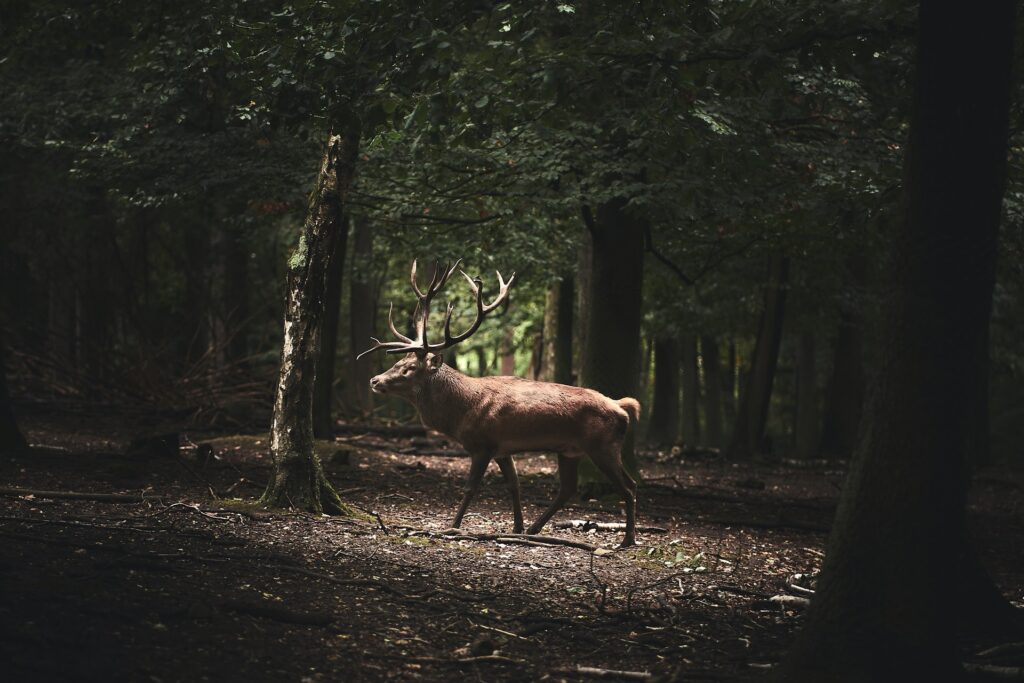
Supporting Data: The Universal Resonance of the Horned God and Wild Spirits
As Gilbert delved deeper, the question arose: could a central, unifying figure exist at the heart of this sprawling, wood-wide web? The ultimate horned god, Cernunnos, with his antlers symbolizing both wildness and fertility, seemed a plausible candidate, particularly given his special place in much contemporary pagan and Wiccan practice. Surely, Gilbert mused, the mycelial threads would knot about his ancient horns, offering a simple solution to the complex network.
However, such a straightforward answer felt incompatible with the unruly, rascally nature of Herne and his family of woodsy hunters and seducers. The connections were not about a single origin point, but a shared essence. What truly struck Gilbert was not just the breadth of mythic symbolism present – encompassing life, death, freedom, lust, wildness, and mischief – but the sheer range of forms and territories these figures occupied. Herne’s multitudinous counterparts were spread far and wide, transcending geographical and temporal boundaries. King Herla rode through the skies of Herefordshire, while Harlequin, as Arlecchino, graced stages in Italy and beyond. Their wildness and mischief, Gilbert concluded, seemed to erupt wherever and whenever people most needed it, a primal expression of humanity’s enduring connection to the untamed.
It was this sprawling mycorrhizal network, stretching across space and time, serving as the secret source of countless tales blossoming precisely where and when they were required, that provided Gilbert with a crucial insight – and, implicitly, artistic permission. If these figures were so adaptable, so responsive to human need, then she could take her own trowel to Herne. She decided to transplant him from his traditional Windsor haunt to the less celebrated, yet equally potent, Great North Wood in her novel.
Official Responses: An Author’s Creative License and the Re-Enchantment of Place
The Great North Wood, though largely fragmented today, still leaves remnants scattered across South London, with Sydenham & Dulwich Woods being among the best-known strips of this ancient forest. Gilbert was living across the road from this "slender, seductive strip of woodland" when she began writing Mischief Acts. She was acutely aware of the human history embedded within it – from charcoal burners and famous Romani communities of bygone eras to eccentric hermits, and even, more recently, a man named Solomon who ingeniously received mail by hanging an old house number from a tree. The wood, whether vast or reduced, seemed always to have possessed a genius loci, a protective spirit. Gilbert pondered: if she, and perhaps others in a modern, urbanized world, now needed Herne the Hunter in their local wood, would he answer the call and join the ride?
There lies a fascinating tension in Gilbert’s approach: folklore is often deeply rooted in specific places, and she strongly believes that local lore possesses the power to reconnect us with landscapes, to re-enchant our surroundings. Yet, she equally champions the universal human need for mischief, transgression, and wildness, both in the external landscape and within the human soul. This, she asserts, is precisely what Herne the Hunter, along with his myriad likenesses, embodies.
For Gilbert, borrowing Herne and asking him to defend the urban wood she cherished as if it were his ancient domain felt entirely natural, not strange. He represents the wildman, the untamed spirit of the forest, the hooligan, and the trickster. His presence, she suggests, manifests wherever civilization begins to lapse, where the structured order of the town gives way to the primordial chaos and freedom of the wood. This artistic act of transplantation is not a dilution of folklore but an act of renewal, demonstrating its inherent adaptability and enduring relevance.
Implications: The Perpetual Renewal of the Story Forest
Fiction has always played a pivotal role in extending, morphing, and revitalizing folklore, just as lore itself continually feeds new fictional narratives. For this reason, Gilbert suspects that, much like the real mycorrhizal network beneath our feet, we will never truly discover the ultimate edges of Herne the Hunter’s sprawling folkloric web. It is a system designed for perpetual growth and transformation.
In the metaphorical forest of stories, not far from the striking fly agaric, other fungal species like the velvet shank and amethyst deceivers wait quietly, ready to emerge. Beech mast sprouts into resilient new saplings, and wood anemones expand their delicate territory. The forest of stories, like its botanical counterpart, forever renews itself, existing in a beautiful, dynamic symbiosis with the ancient, interconnected web of folklore that lies beneath it. It is a testament to the enduring power of these tales that they continue to captivate, challenge, and inspire, ensuring that the wild, mischievous spirit of Herne and his kin will continue to haunt and re-enchant our world for generations to come.
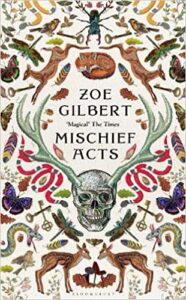
Gilbert’s novel, Mischief Acts, is a vibrant embodiment of this philosophy. It follows Herne the Hunter, the mischief-maker and spirit of the forest, as he hurtles through centuries, pursued by his creator. A shapeshifter, Herne adopts numerous guises as he traverses time – from candlelit Twelfth Night revels to the spectacular burning of the Crystal Palace, and even an acid-laced Sixties party. Wherever he goes, transgression, debauchery, and enchantment inevitably follow. Yet, as urban sprawl encroaches upon the forest and the world faces increasing crises, Herne must discover a way to survive, or exact his revenge. With its intoxicating, chameleonic voice and boundless imagination, Mischief Acts redefines British folklore, presenting it as dangerous, sexy, troubling, daring, and savage – an exhilarating race through time and space, weaving together the ancient and the contemporary.
Mischief Acts, by Zoe Gilbert, is available from Bloomsbury books and can be purchased here.

Gilbert’s previous novel, Folk, also delves into the rich tapestry of myth and nature. Set in the remote island village of Neverness, a world far from our own time and place, the novel immerses readers in a landscape where the air is rich with gorse and the salty bite of the sea. The villagers’ lives are inextricably linked to nature and its enchantments. Characters like Verlyn Webbe, born with a wing for an arm, defy shame; Plum is snatched by a water bull; little Crab Skerry explores the gorse-maze; and Madden sleepwalks through violent storms, haunted by horses and her father’s wishes. As the tales of this island community interweave over a generation, their earthy desires, resentments, gossip, and losses create a staggeringly original world. Crackling with echoes of ancient folklore, yet entirely unique, Folk stands as a dark, beautiful, and intoxicating debut.
Folk, by Zoe Gilbert, is available from Bloomsbury books, or as a special edition with sprayed edges from Goldsboro books. It can be purchased here.