
From the Basement to the Great Hall: The Met’s Architectural Rebirth of Fashion
The Metropolitan Museum of Art has long been a labyrinth of history, a sprawling repository where the artifacts of human civilization are meticulously categorized and displayed. For decades, however, one of its most popular departments—The Costume Institute—occupied a position that many felt did not reflect its cultural weight. Tucked away in the subterranean levels beneath the museum’s iconic Great Hall, fashion exhibitions were literally and figuratively "underground."
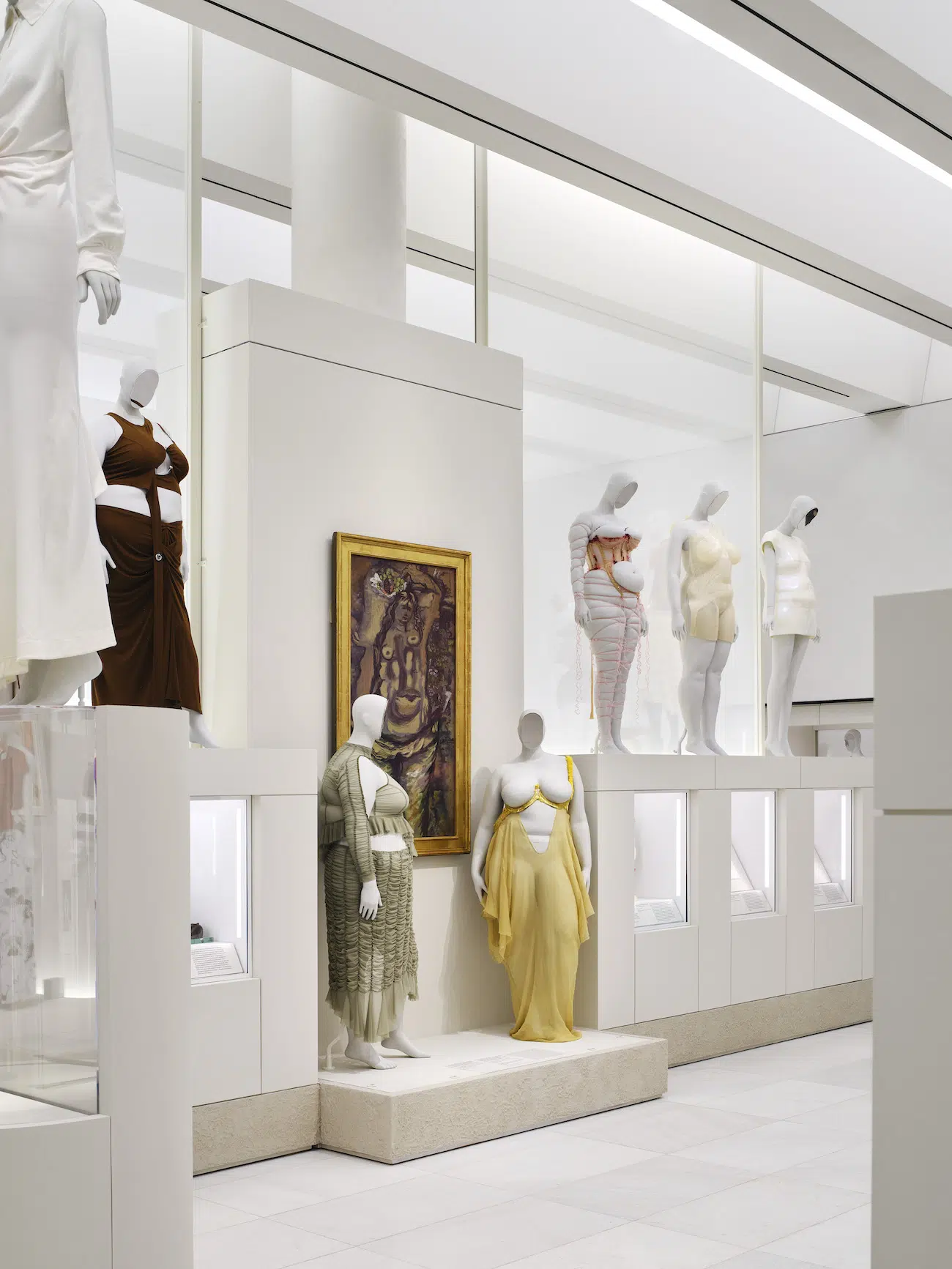
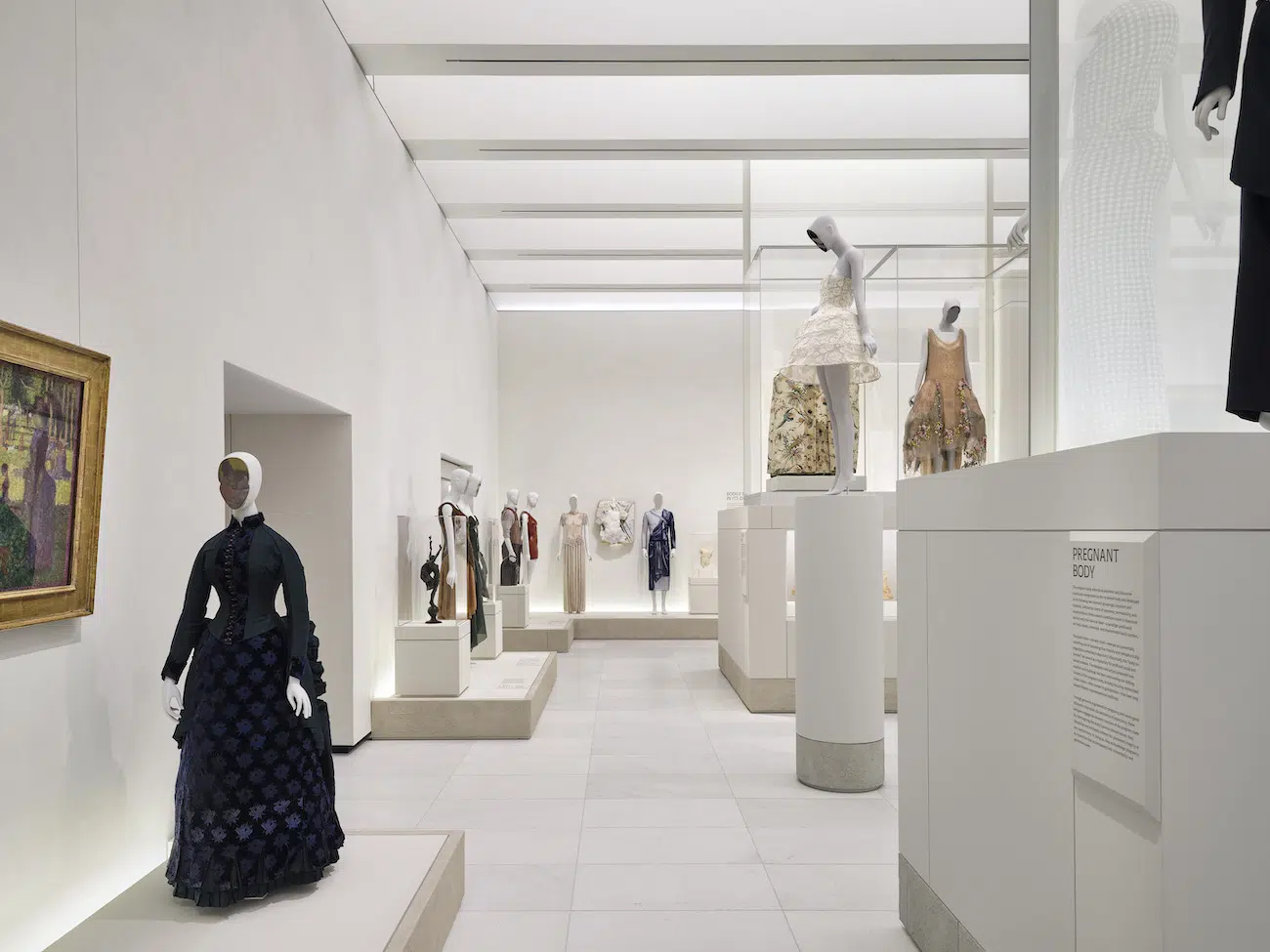
That era has come to a definitive end. With the unveiling of the new Condé M. Nast Galleries, The Met has executed a dramatic institutional pivot. Designed by the Brooklyn-based architecture firm Peterson Rich Office (PRO), this 12,000-square-foot suite of exhibition spaces relocates fashion to one of the museum’s most visible and architecturally significant locations. Adjacent to the Great Hall, these galleries signify a new chapter for the institution, one where the sartorial arts are afforded the same monumental dignity as the Greek marbles or Renaissance masters that surround them.
The Main Facts: A New Home for the Sartorial Arts
The Condé M. Nast Galleries represent a massive undertaking in both spatial design and institutional branding. The project involves the transformation of what was once an interior courtyard and, more recently, the museum’s primary gift shop. By reclaiming this central real estate, The Met has created a high-traffic, high-visibility corridor that connects the museum’s grand entrance directly to its fashion programming.
Key features of the new space include:
- Scale: Nearly 12,000 square feet of continuous exhibition space.
- Layout: Five sequential rooms designed to facilitate a "processional" visitor experience.
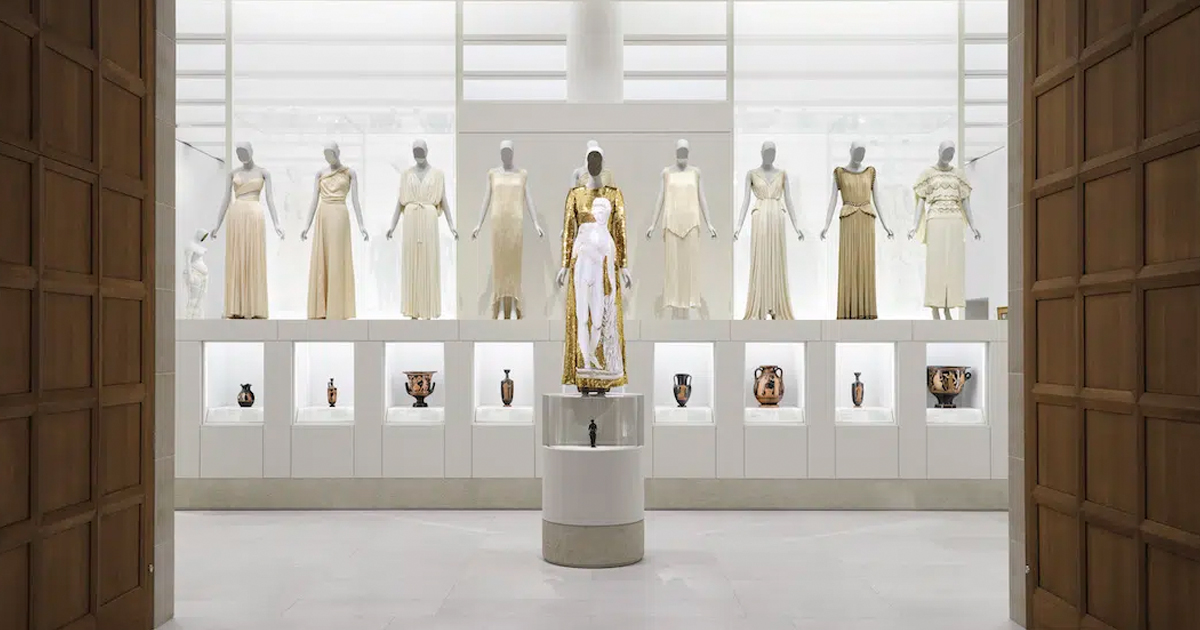
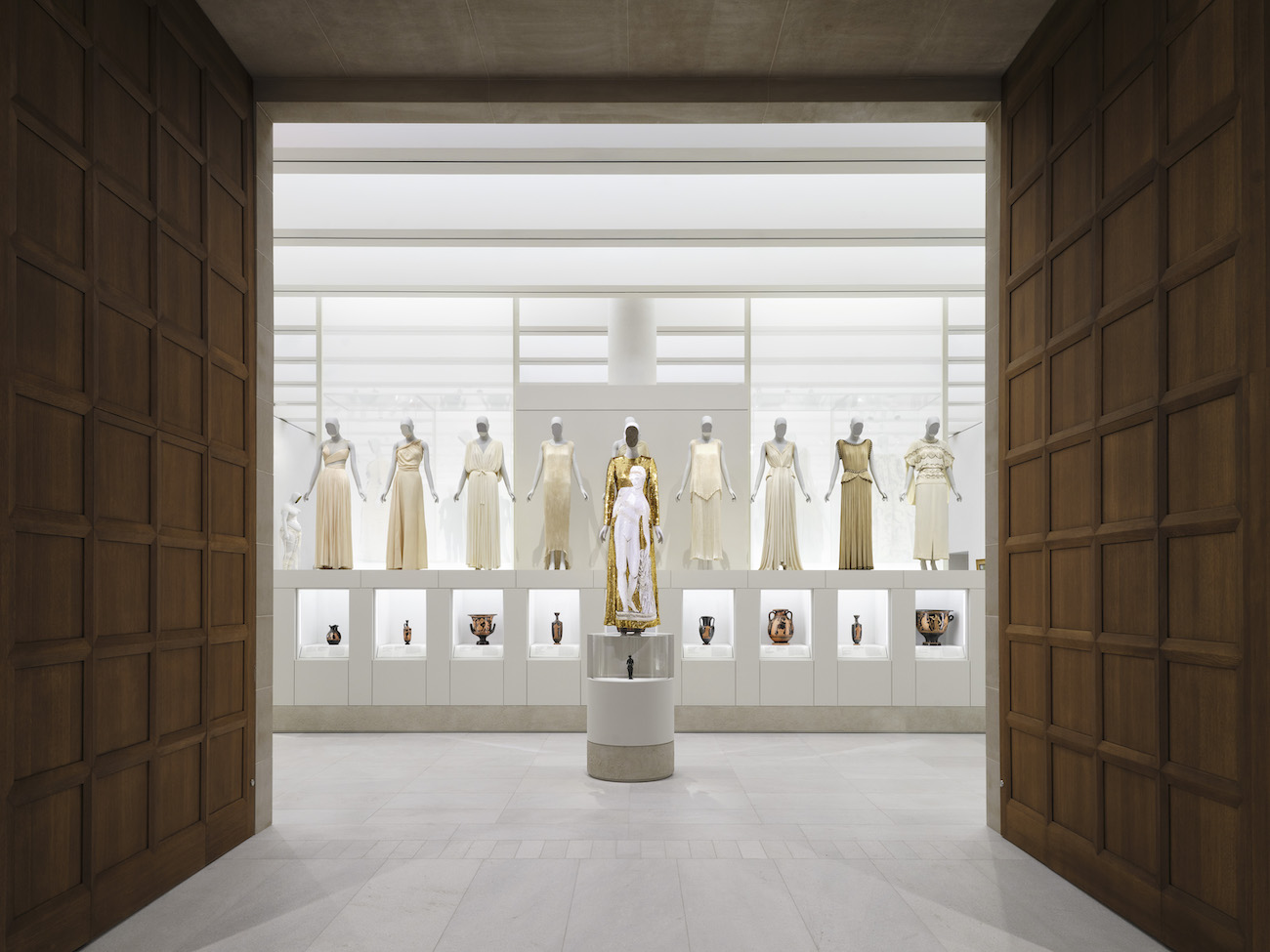
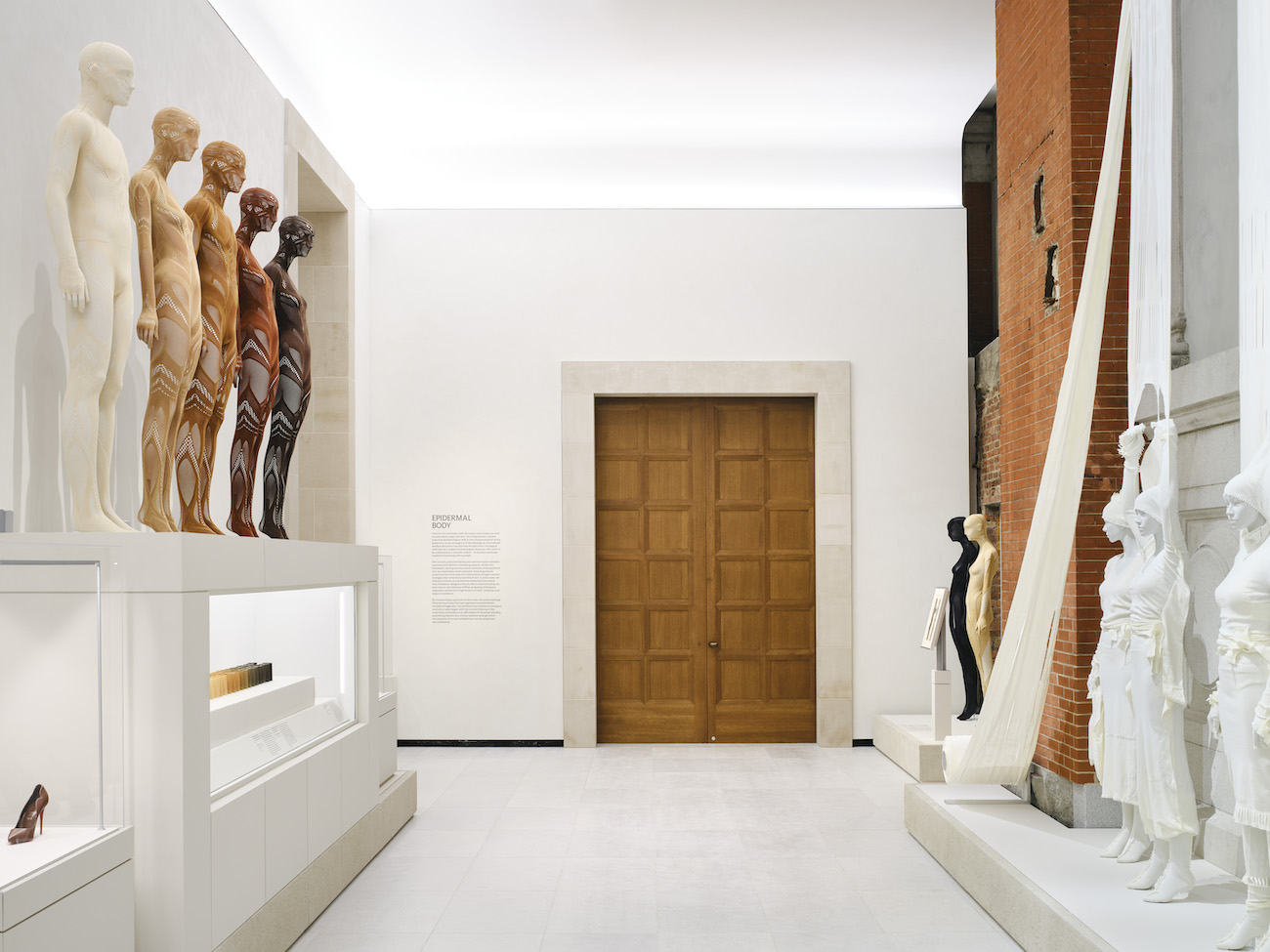
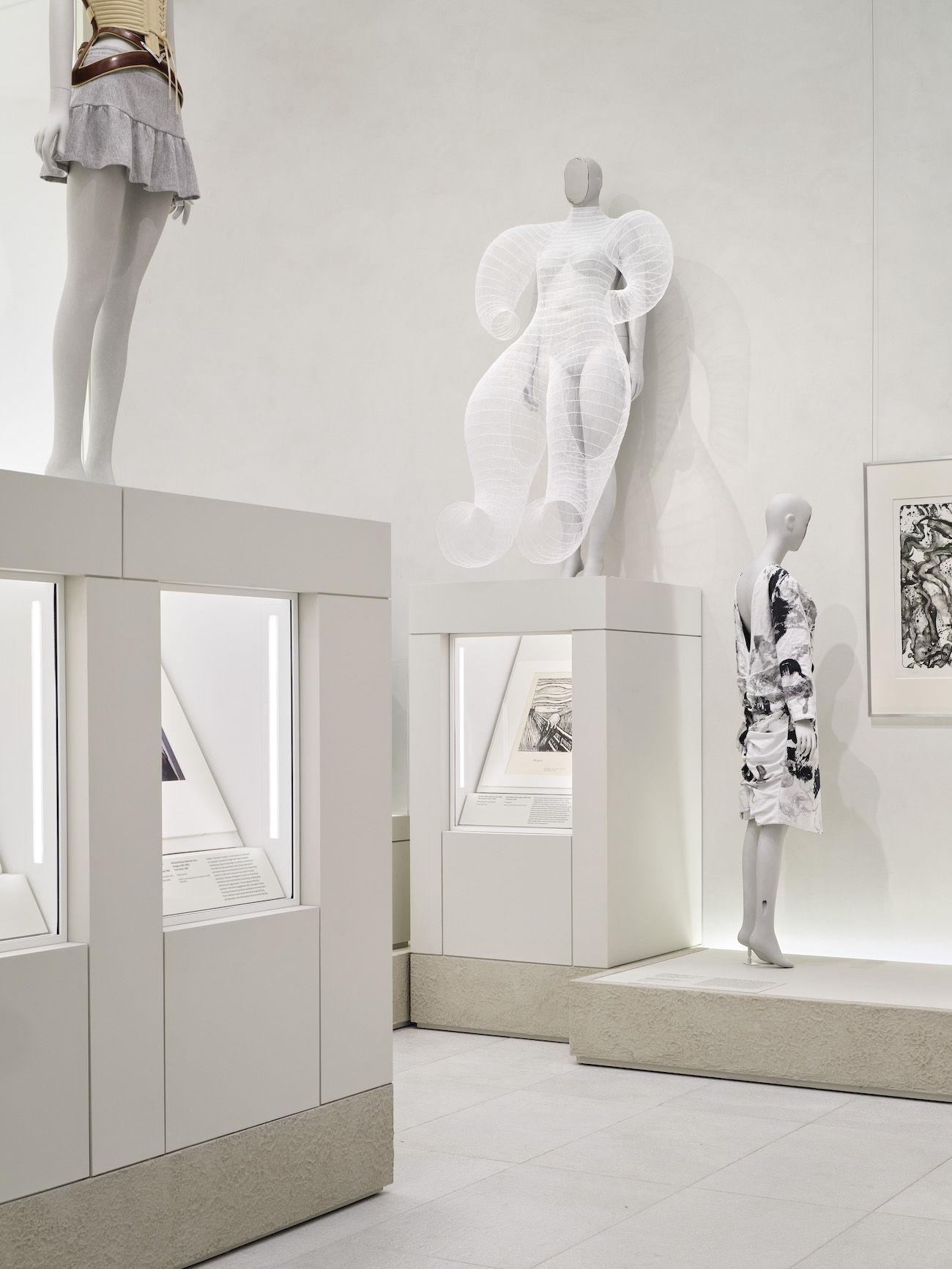
- Architectural Language: A material palette of grey marmorino plaster, limestone, and white oak, designed to harmonize with the museum’s historic Beaux-Arts aesthetic.
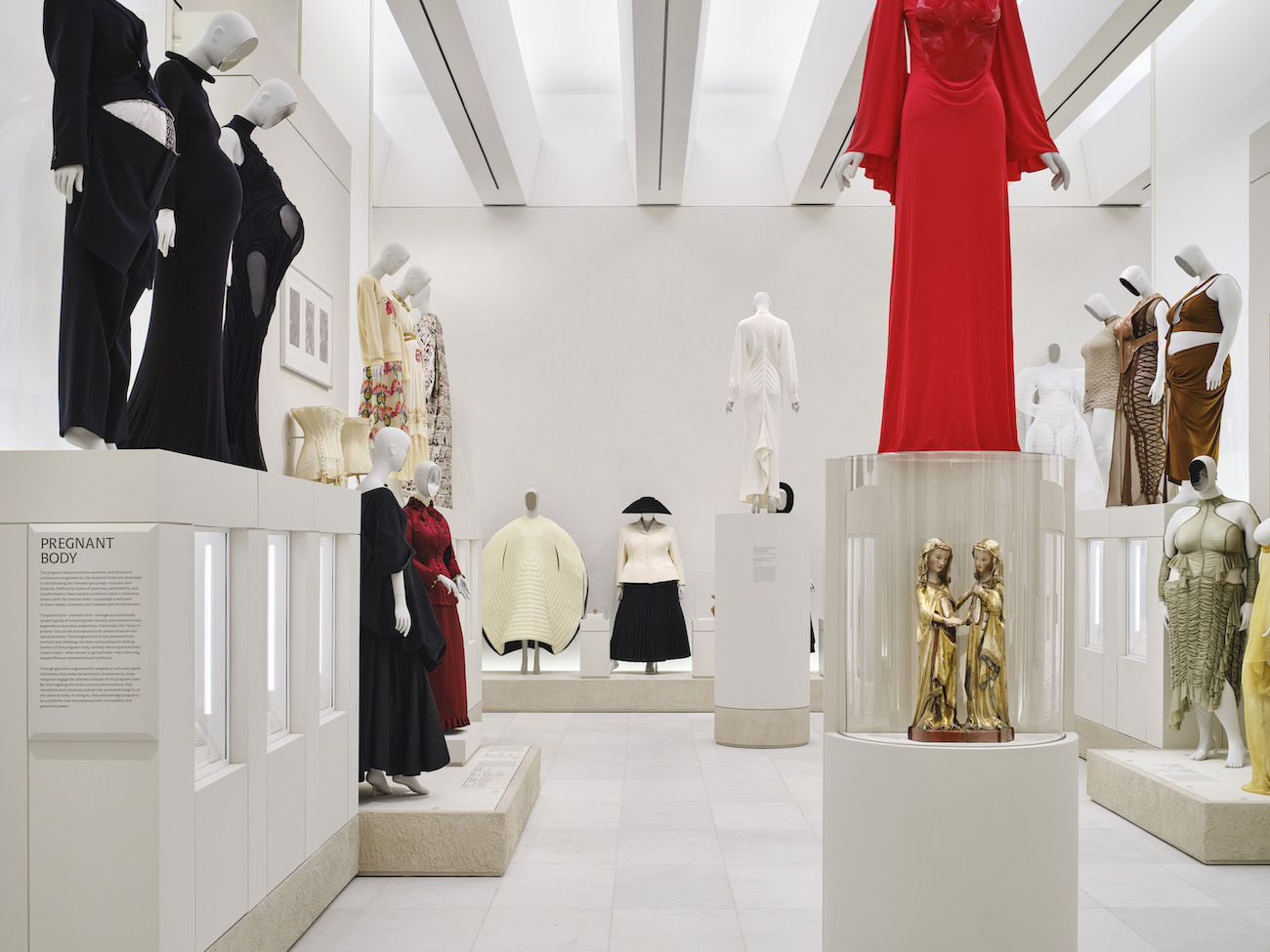
- Inaugural Exhibition: Costume Art, an ambitious show curated by Andrew Bolton, featuring 200 garments paired with 200 objects from the museum’s permanent collection.
The move is not merely about square footage; it is about the "curatorial hierarchy." By placing the Costume Institute’s work on the first floor, The Met is acknowledging that fashion is not a niche interest or a supplementary craft, but a central pillar of cultural and artistic expression.
Chronology: The Evolution of Fashion at The Met
To understand the significance of the Condé M. Nast Galleries, one must look at the history of The Costume Institute. Founded as the Museum of Costume Art in 1937 and merging with The Met in 1946, the department was for years a "museum within a museum." While it produced blockbuster shows—most notably the annual Spring exhibitions that coincide with the Met Gala—its permanent galleries remained hidden in the Anna Wintour Costume Center in the basement.
The timeline leading to this opening reflects a decade of strategic planning:
- 2014: Architects Miriam Peterson and Nathan Rich found Peterson Rich Office, quickly gaining a reputation for blending contemporary minimalism with historical sensitivity.
- Late 2010s: The Met begins a series of ambitious master-plan renovations aimed at modernizing its aging infrastructure while improving visitor flow.
- 2020–2024: Construction begins on the Condé M. Nast Galleries, repurposing the former retail space into a museum-grade exhibition environment. This required a complete overhaul of the building’s climate control and structural systems to meet the rigorous demands of textile preservation.
- 2025: The galleries officially open to the public, debuting alongside the Costume Art exhibition, marking the first time fashion has held such a prominent, permanent position on the museum’s main floor.
Supporting Data: The "Deliberate Paradox" of Design
Peterson Rich Office faced a unique architectural challenge: how to design a space that feels as permanent as the 150-year-old museum but remains flexible enough to accommodate the wildly different requirements of changing fashion exhibitions. The architects describe their solution as a "deliberate paradox."
Materiality and Texture
The choice of materials was dictated by the museum’s existing "DNA." To create a sense of continuity, the architects utilized grey marmorino plaster for the walls. This traditional Italian finish provides a soft, hand-applied texture that echoes the tonality of the nearby Greek and Roman galleries. By using a material that feels ancient yet looks contemporary, the architects bridged the gap between the historic building and the modern art form of fashion.
Structural Innovation
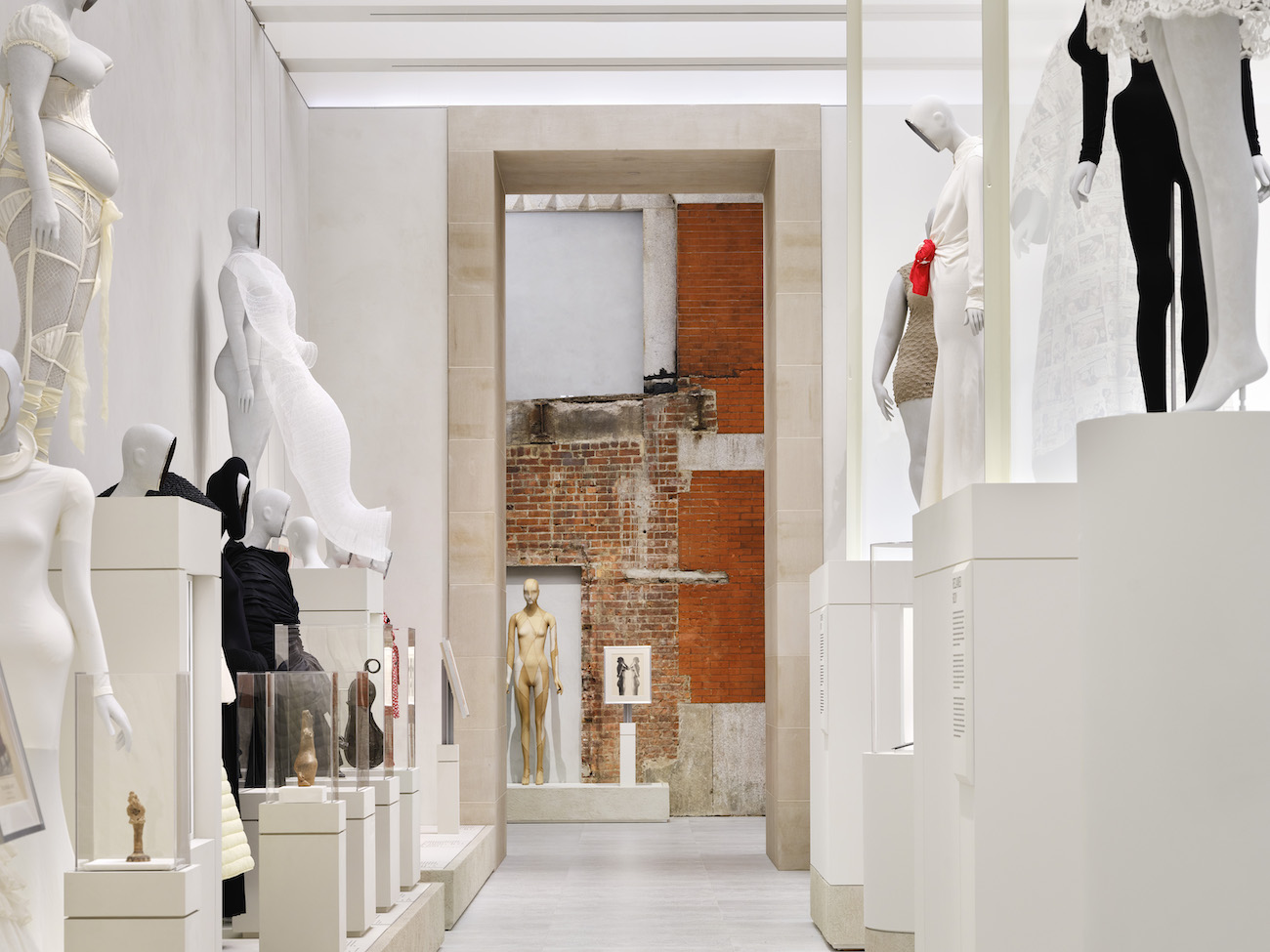
The galleries are defined by oversized oak doors framed by massive limestone arches. These arches serve a dual purpose: they create a cinematic sense of "procession" from one room to the next, and they hide the complex technical infrastructure.
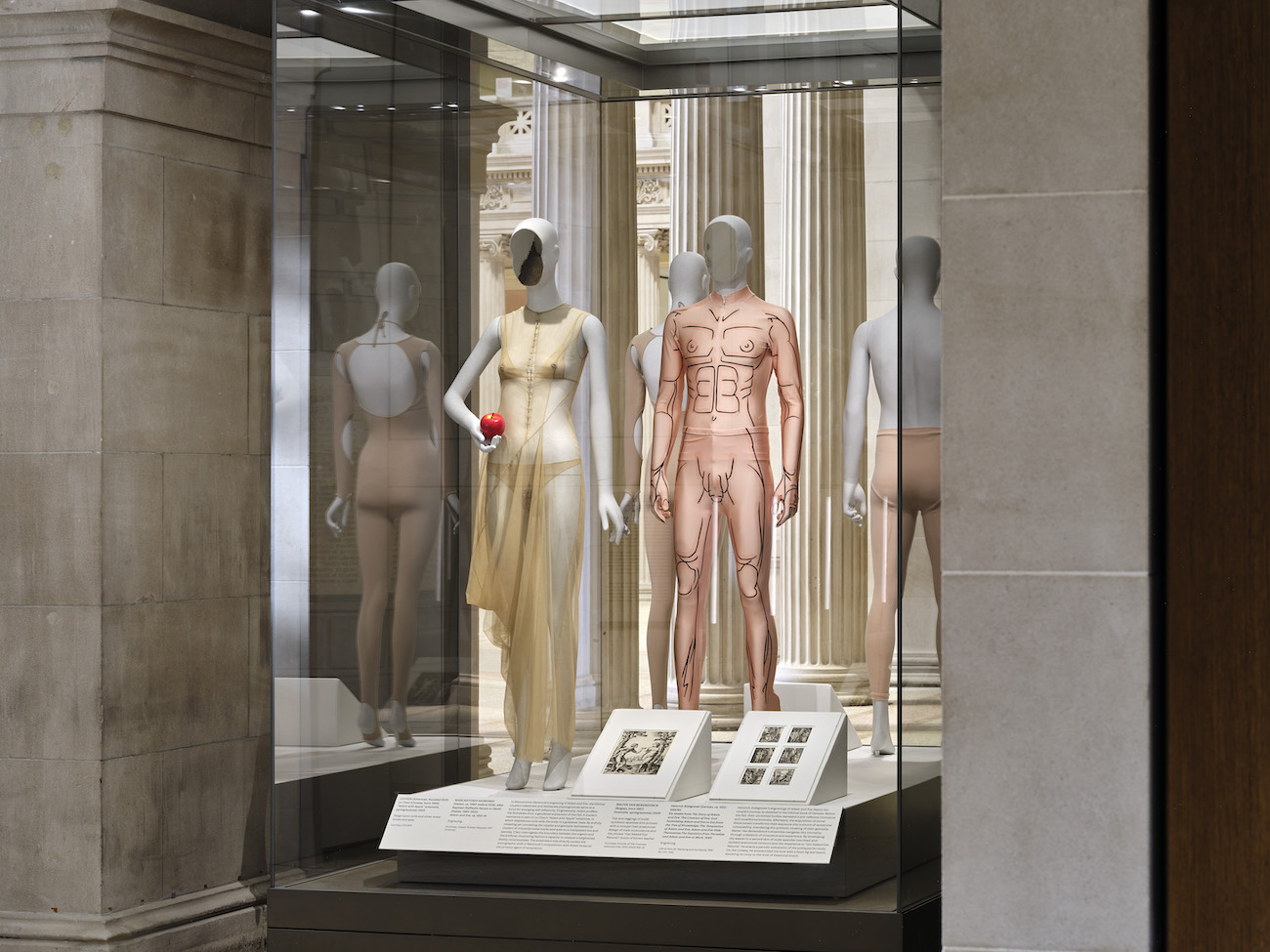
Textiles are among the most fragile items in any museum collection, requiring precise light levels and humidity control. PRO’s design integrates lighting, climate sensors, and exhibition infrastructure into the structural columns and ceiling recesses. This "invisible" technology allows curators to reconfigure the rooms entirely for each new show without the need for intrusive construction or visible wiring.
Spatial Flow
The layout consists of five sequential rooms. This linear arrangement is a departure from the "black box" style of many fashion exhibitions. By allowing natural sightlines to extend through multiple galleries, the design encourages a more contemplative, slow-paced visitor experience, moving away from the crowded, frenetic energy often associated with fashion "blockbusters."
Official Responses and Curatorial Vision
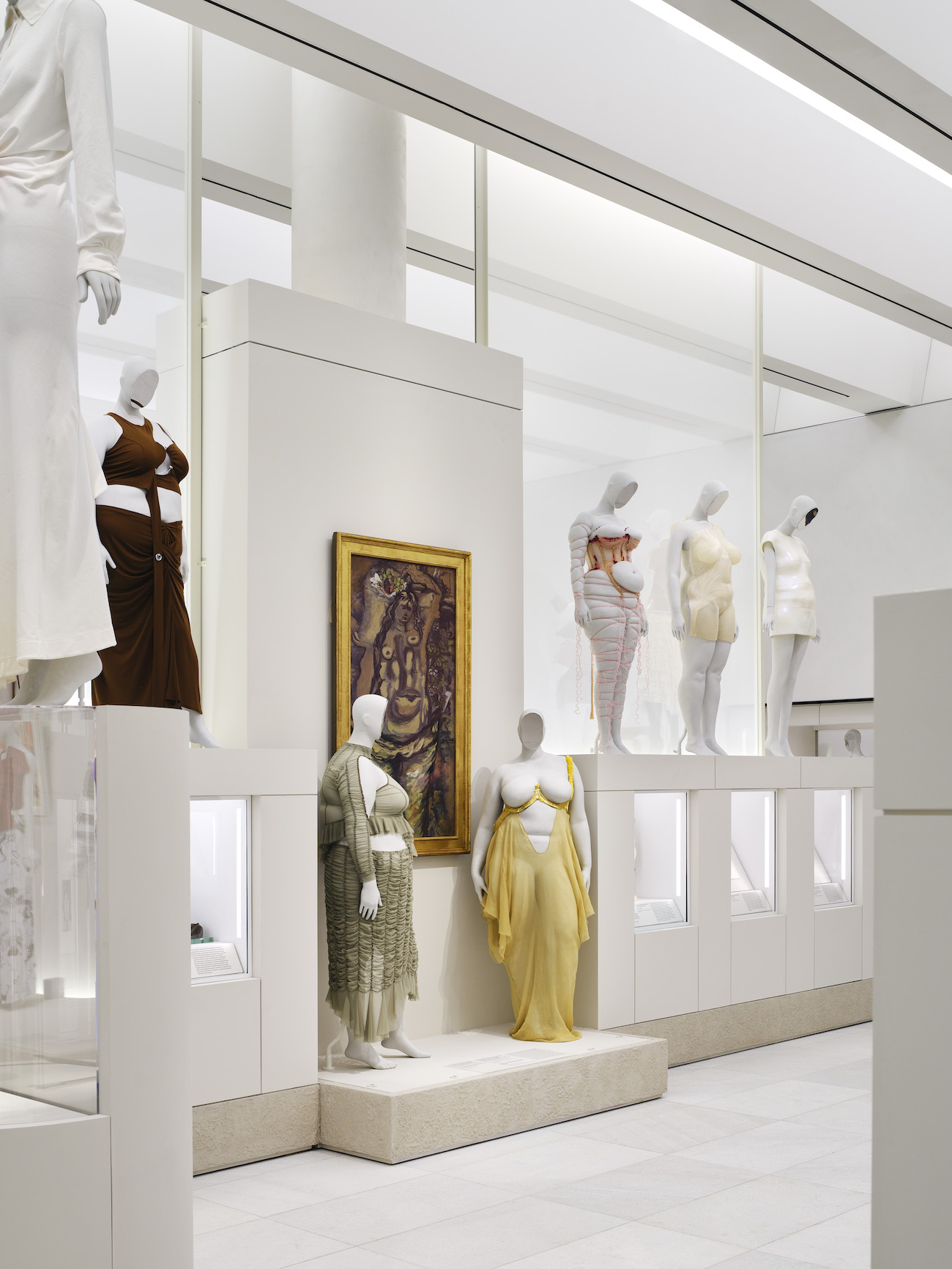
The inaugural exhibition, Costume Art, serves as the ultimate proof of concept for the new galleries. Curated by Andrew Bolton, the Wendy Yu Curator in Charge of The Costume Institute, the show is a radical departure from traditional fashion retrospectives.
"Fashion is often viewed in isolation," Bolton noted during the opening previews. "By placing these garments in conversation with paintings, sculpture, and decorative arts spanning centuries, we are demonstrating that the same aesthetic and social concerns drive all forms of human creation."
The exhibition explores themes such as:
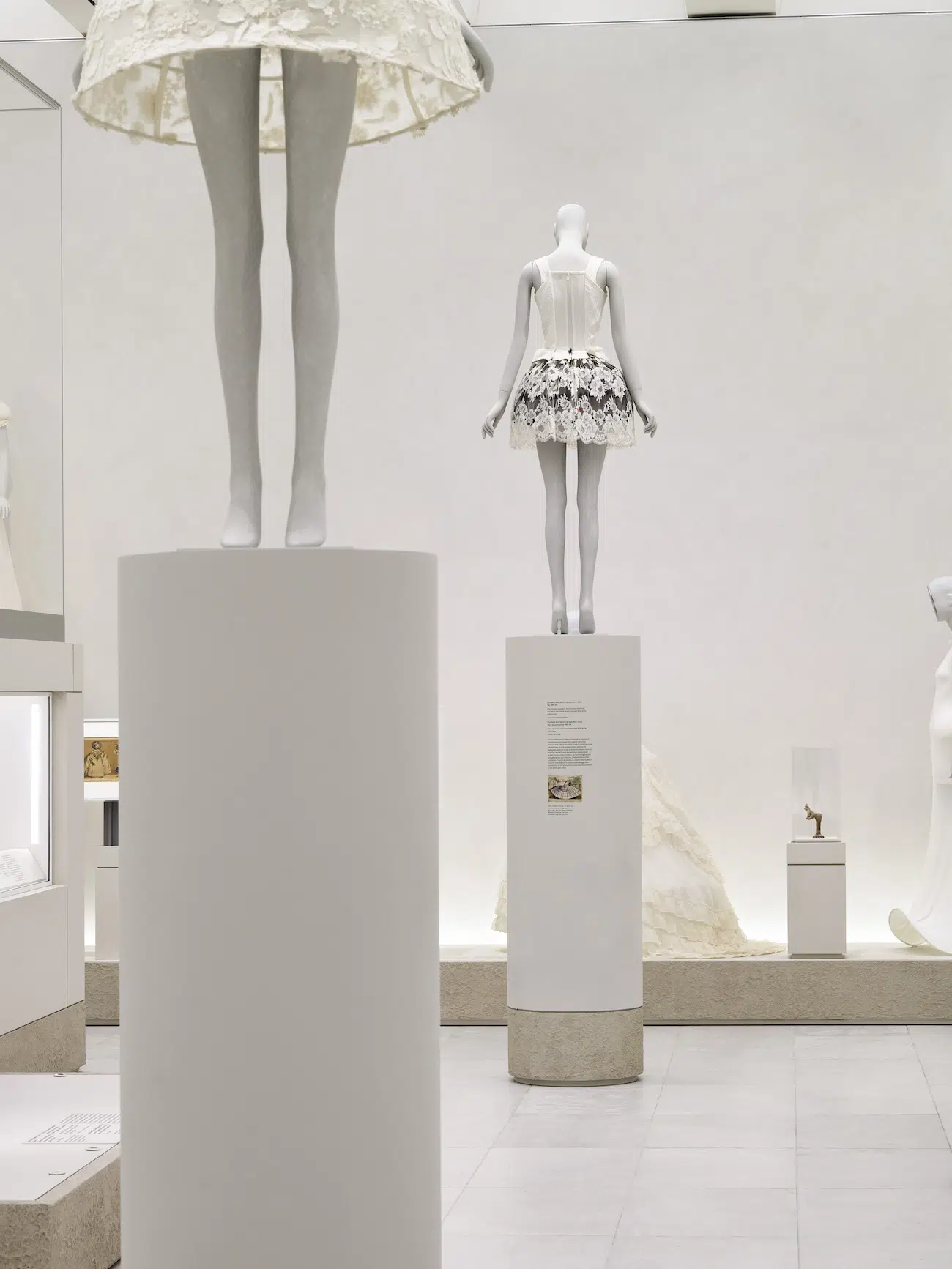
- The Classical Body: Comparing draped garments to ancient Greek statuary.
- The Aging Body: Looking at how fashion adapts to or obscures the passage of time.
- The Disabled Body: Highlighting adaptive fashion and the representation of diverse physicalities in art history.
By pairing a 19th-century ballgown with a nearby sculpture or a contemporary McQueen piece with a Renaissance painting, the exhibition utilizes the physical openness of the new galleries to create visual "rhymes" that would have been impossible in the cramped quarters of the basement.
Institutional leadership has echoed this sentiment. The project is part of a broader renovation effort led by Peterson Rich Office, which includes reimagining the museum’s dining spaces, retail areas, and the public entrance at 83rd Street and Fifth Avenue. The goal is a more "porous" museum—one that feels less like a fortress and more like a public square.
Implications: A Global Shift in Museum Architecture
The opening of the Condé M. Nast Galleries is not an isolated event; it reflects a global trend in the museum world. Institutions are increasingly breaking down the silos between "high art" (painting and sculpture) and "applied art" (fashion, design, and craft).
Similar shifts can be seen elsewhere:
- The Brooklyn Museum is currently upgrading its African Art collection to integrate contemporary fashion and photography.
- LACMA recently opened the David Geffen Galleries, which emphasize non-linear, cross-departmental storytelling.
- The V&A in London has long led the way in treating fashion as a primary historical document.
At The Met, the move signals a democratization of the visitor experience. Fashion is a universal language; almost every visitor has a personal relationship with clothing. By placing these exhibitions at the heart of the building, The Met is providing an accessible entry point for new audiences while maintaining the scholarly rigor the institution is known for.
Furthermore, the project cements Peterson Rich Office’s status as a major player in cultural architecture. Their ability to navigate the "layered" history of The Met—a building shaped by more than 20 expansions and renovations—proves that contemporary design does not need to be loud to be impactful. Their work is a masterclass in "architectural politeness," respecting the past while providing a functional, beautiful stage for the future.
In conclusion, the Condé M. Nast Galleries are more than just a new suite of rooms. They are a statement of intent. They suggest that in the 21st century, the boundaries of art are fluid, and that the clothes we wear are as worthy of a limestone arch and a plaster pedestal as any masterpiece in the museum’s collection. As visitors walk through the Great Hall and turn into these luminous new spaces, they aren’t just seeing a fashion show—they are witnessing the elevation of an art form.




Leave a Comment